






BYD Overtook Tesla Worldwide Officially

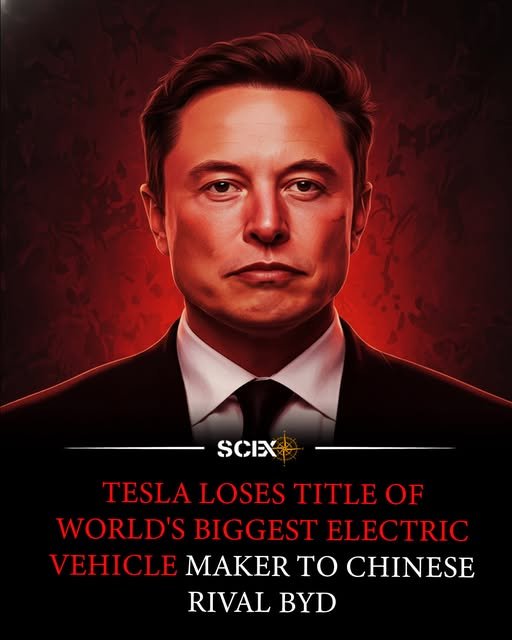
China’s BYD has officially overtaken Tesla to become the world’s largest electric vehicle manufacturer, marking a major shift in the global EV landscape.

In 2025, BYD sold more than 2.26 million electric vehicles, while Tesla delivered 1.64 million units, recording a 9% year-on-year decline and its second consecutive annual drop in sales. The result pushed BYD into the global top position, reflecting the growing influence of Chinese automakers in overseas markets.

Tesla’s slowdown was driven by several converging factors. Competition from Chinese brands intensified across Europe and Asia, while demand in the United States weakened after the $7,500 federal EV tax credit expired in September 2025. In the final quarter of the year, Tesla delivered 418,227 vehicles, falling short of analysts’ expectations of around 440,000 units. Political controversy surrounding CEO Elon Musk also weighed on consumer sentiment during the year.

Despite weaker vehicle sales, Tesla’s stock price still rose about 11% in 2025, as investors focused on longer-term ambitions. These include robotaxi development, humanoid robotics, and the rollout of lower-cost versions of the Model 3 and Model Y to compete more aggressively with Chinese rivals. Prices for the Model Y have fallen to just under $40,000, and the Model 3 to under $37,000 in some markets.

Analysts remain cautious in the short term, forecasting a 3% further sales decline and nearly 40% drop in earnings per share for Tesla’s fourth quarter. However, many expect sales and profits to begin recovering in late 2026, provided price cuts and new technologies translate into renewed demand. Meanwhile, Musk’s personal wealth grew after shareholders approved an ambitious performance-based pay package and a US court reinstated a previously awarded compensation deal.

BYD’s rise underscores a broader transformation in the EV sector — one where scale, pricing power, and supply-chain dominance are allowing Chinese automakers to challenge Silicon Valley-led electric mobility on a global stage.

Source: Sky News (January 3, 2026)

Read More

Author: Saikat Bhattacharya

Technology news General USA vs China 06-January-2026 by east is rising

Man's Severed Hand Grafted To His Leg

Surgeons at Xiangya Hospital in China performed a miraculous procedure to save a factory worker's severed hand.

After Mr. Zhou lost his left hand in a severe machinery accident, the damage to his arm was too extensive for immediate reattachment.

Led by Dr. Tang Juyu, the medical team devised an ingenious solution: they grafted the severed hand to Zhou's calf to maintain its blood supply.

The hand remained attached to his leg for a month while his arm healed. In a complex follow-up surgery, doctors successfully restored the hand to its original position.

Zhou has since regained partial movement, marking a triumph for modern reconstructive microsurgery.

Read More

Author: Saikat Bhattacharya

Technology news General world order 06-January-2026 by east is rising
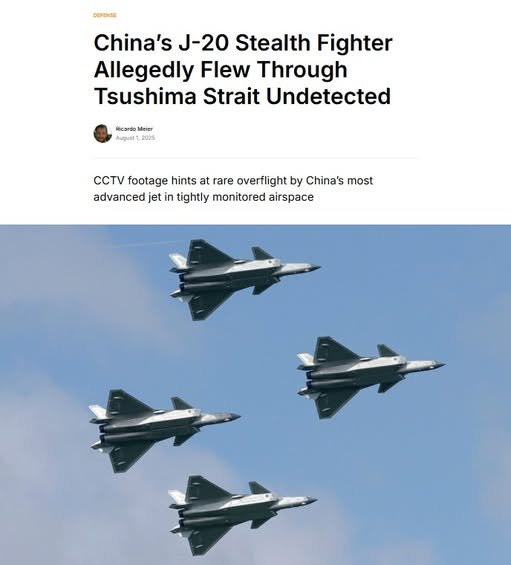
Chinese Stealth Jet Approached Taiwan Undetected

Footage of Chinese J-20 During "Justice Mission 2025" Drills Sparks Debate Over Proximity to Taiwan

New video released by China's People's Liberation Army (PLA) Eastern Theater Command during the **"Justice Mission 2025"** military exercises (December 29–30, 2025) shows a **Chengdu J-20** stealth fighter flying low over a coastal landscape. Some analysts and observers claim the terrain matches areas near **Checheng township** in southern Taiwan's Pingtung County, close to the **Pingtung airbase**—a key Taiwanese military facility.

The footage, part of PLA propaganda highlighting the drills, has fueled speculation that the J-20 approached within **visual range** of Taiwan's coastline, potentially undetected by Taiwanese defenses. Defence commentators on social media and in reports suggested this could represent an escalation in China's "grey-zone" tactics, testing radar blind spots and compressing reaction times.

However, these claims remain **unverified**:

- The landscape in the video is not conclusively identified as Taiwanese territory.

- No independent evidence (e.g., Taiwanese radar data, photos from ground observers, or official statements) confirms the J-20 entered Taiwanese airspace or approached undetected.

- Taiwan's Ministry of National Defense has not commented specifically on this footage or reported any incursion by a J-20 during the exercises.

The "Justice Mission 2025" drills involved large-scale joint operations simulating blockades, precision strikes, and port seizures around Taiwan, with confirmed participation of J-20s among other assets. Taiwan responded with heightened alerts, scrambles, and counter-drills but did not report violations beyond standard ADIZ incursions.

Experts caution that the video may be intentional psychological warfare—designed to sow doubt about Taiwan's defenses—rather than proof of penetration. Similar propaganda has been used in past exercises.

While the incident raises questions about stealth capabilities and airspace security, it appears more aligned with messaging than a confirmed breach.

**References**

South China Morning Post (2026) Did a PLA stealth fighter approach a key Taiwan airbase? New video sparks debate

Interesting Engineering (2026) China’s J-20 stealth jet approached key Taiwanese airbase?

Defence Security Asia (2025) PLA’s J-20 Stealth Fighter Flies Within Visual Range of Taiwan

The Aviationist (2025) China Conducts “Justice Mission 2025” Exercise Around Taiwan

Army Recognition (2025) Details on Justice Mission 2025 drills and assets deployed

Read More

Author: Saikat Bhattacharya

Technology news General USA vs China 04-January-2026 by east is rising
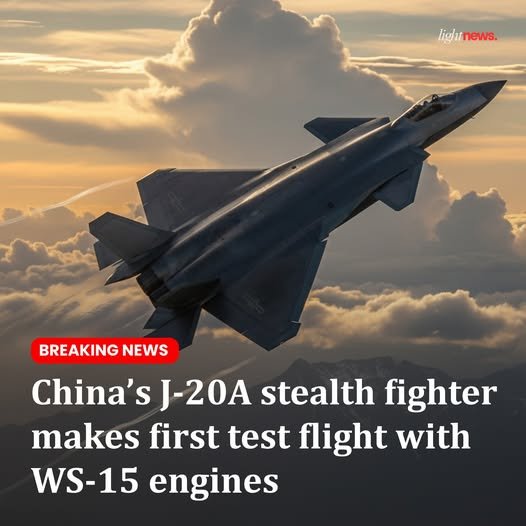
Chinese J-20A stealth fighter equipped with the new indigenous WS-15 engines has reportedly completed its first test flight

A Chinese J-20A stealth fighter equipped with the new indigenous WS-15 engines has reportedly completed its first test flight, marking a major milestone for China’s aerospace industry.

This development represents the culmination of decades of research aimed at overcoming the "Achilles' heel" of Chinese aviation—high-performance jet propulsion—by replacing the interim WS-10 and Russian-made engines. The WS-15 is designed to match or exceed the performance of the U.S. F-22’s F119 engine, providing the "Mighty Dragon" with superior thrust, enhanced supercruise capabilities, and the electrical power necessary for future advanced systems.

This successful integration, alongside other airframe refinements like a redesigned radome and cockpit, signals that the J-20 is reaching its "ultimate form" and cements China’s growing strategic autonomy in military technology.

Read More

Author: Saikat Bhattacharya

Technology news General world order 02-January-2026 by east is rising
China’s ‘Carrier Killer’ Hypersonic Anti-Ship Missile YJ-20 in Final Testing

China has signaled that its much-watched YJ-20 hypersonic anti-ship missile is nearing frontline service, releasing footage that appears to show the weapon undergoing what it calls a “finalization test.” The video, published on social media by the official PLA account China Military Bugle, depicts the missile launching from the vertical launch system of the Type 055 destroyer Wuxi.

Independent analysts say the clip, if verified, underscores the rapid maturity of China’s naval strike capabilities and could complicate the risk calculus for surface commanders operating in the Western Pacific. The YJ-20 is widely assessed to be a high-speed, maneuvering anti-ship weapon designed to defeat layered defenses and compress reaction times. 

In the video, the missile rises from the warship’s VLS and quickly disappears from view. According to the crew chatter captured over the radio, the test was decisive: “Missile hit. Target destroyed.” While the service has not published detailed specifications, experts believe the YJ-20 leverages a combination of high velocity, terminal maneuverability, and a sophisticated guidance routine to engage heavily defended maritime targets. 

The PLA’s decision to publicize the event is notable. By showcasing a successful launch from one of its newest and most capable destroyers, Beijing is projecting confidence in the reliability of the system and the readiness of its supporting test infrastructure. For observers, the imagery underscores the integration of advanced munitions with modern surface combatants and the professionalization of People’s Liberation Army Navy crews.

Context matters: hypersonic missiles fly at speeds above Mach 5, often along flatter trajectories than ballistic missiles and with the ability to change course mid-flight. This combination shrinks window for interception and places a premium on robust sensor networks, layered air and missile defenses, and well-drilled crew procedures. As such, piece should be viewed not as a silver bullet but as another element in an evolving competition between strike and defense. 

The Type 055 destroyer, sometimes described as a cruiser by Western analysts, brings a large VLS loadout, powerful sensors, and open architecture said to support a range of munitions. Coupling such a platform with a high-speed anti-ship missile can extend the ship’s offensive reach and complicate adversary planning, particularly in scenarios where time-critical targeting is at a premium. 

Regional implications are significant. If fielded in numbers, systems like the YJ-20 could force carrier strike groups and expeditionary forces to operate farther from potential flashpoints and rely more heavily on distributed sensing and long-range interceptors. It also adds pressure to improve networked defenses, electronic warfare, and passive survivability measures across the fleet. 

Skeptics caution that initial demonstrations do not always reflect day-to-day reliability or effectiveness in contested environments. Mature logistics, crew training, and the availability of robust targeting data are just as important as the missile’s maximum speed. Still, the video from Wuxi suggests the program has progressed to a point where the PLA is ready to show it off. 

Looking ahead, the YJ-20’s apparent entry into the final testing phase points to mass production in the near term, followed by wider deployment across surface ships and possibly other platforms. As with any high-profile system, the key questions will revolve around production rates, actual field performance, and how well it integrates into the PLA’s broader targeting ecosystem. 

In short, China’s latest reveal adds a formidable tool to its maritime strike toolkit. For planners across the Pacific and beyond, it is a reminder that the pace of technological change—and the challenge of staying ahead of it—continues to accelerate. 

Read More

Author: Saikat Bhattacharya

Technology news General USA vs China 02-January-2026 by east is rising
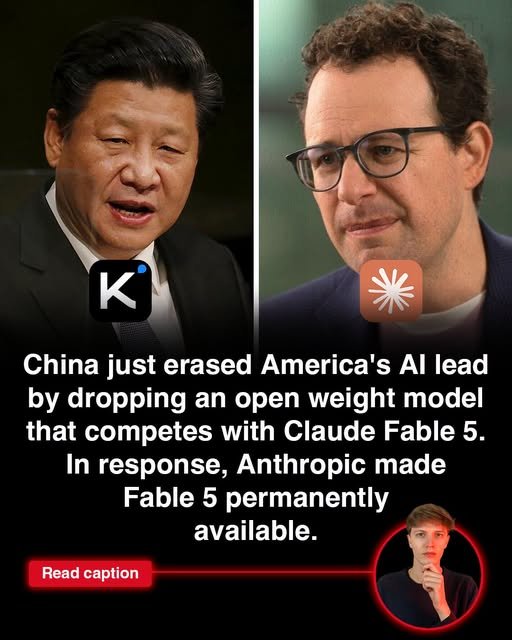
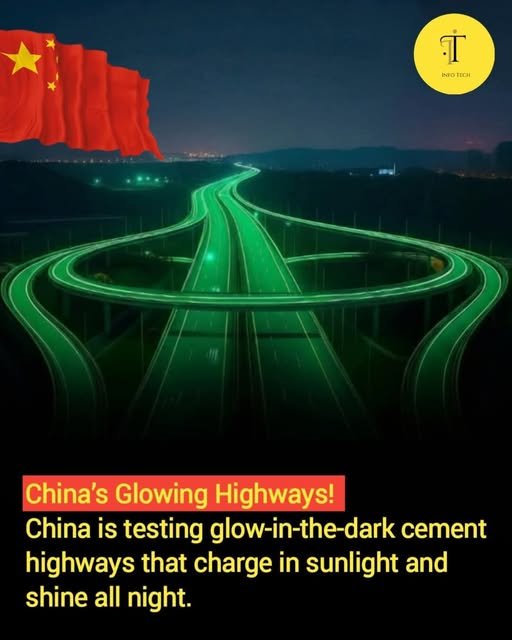
China's Glowing Highways

China is conducting tests on glow-in-the-dark cement highways that have the capability to absorb sunlight, thereby diminishing the requirement for streetlights during nighttime hours.

  •  
Read More

Author: Saikat Bhattacharya

Technology news General world order 31-December-2025 by east is rising
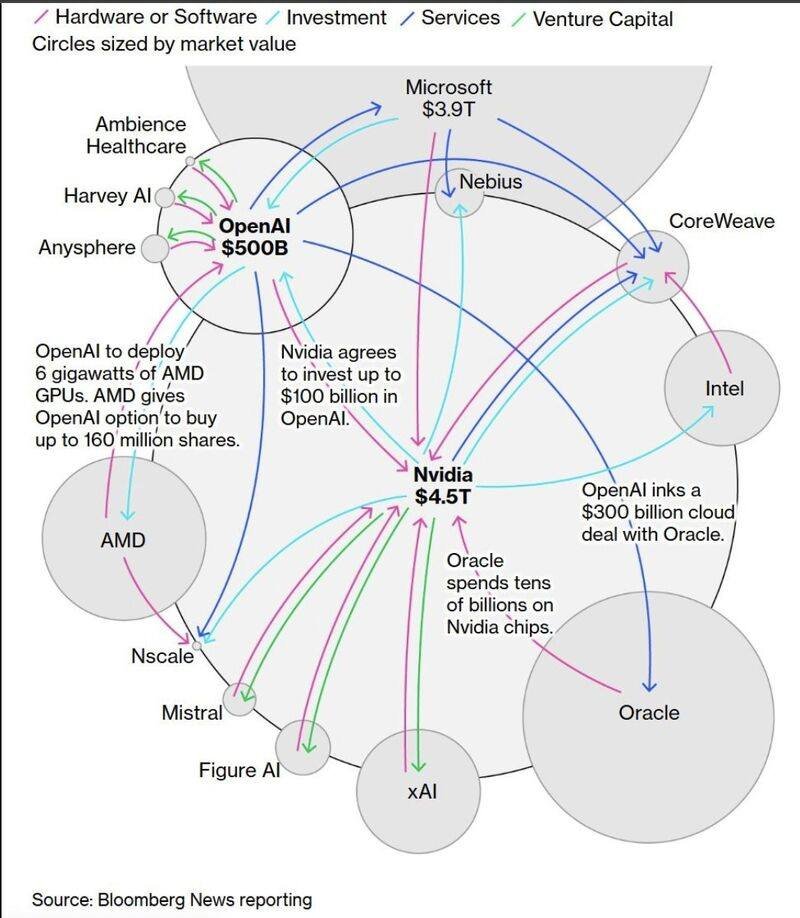
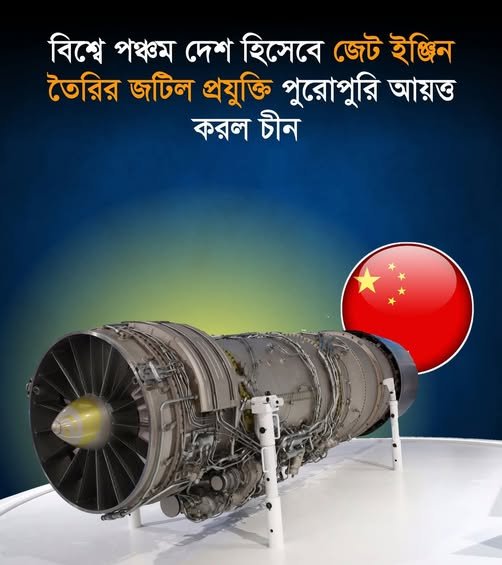
প্রথমবারের মতো দেশীয় ইঞ্জিনে (WS-15 Engine) উড়ল চীনের J-20A স্টেলথ যুদ্ধবিমানঃ রাশিয়া ও মার্কিন যুক্তরাষ্ট্রের ওপর নির্ভরতা কমিয়ে ফেলল

চীন প্রথমবারের মতো দেশীয়ভাবে নির্মিত WS-15 ইঞ্জিনে চালিত J-20A স্টেলথ ফাইটার জেট উৎপাদন করে তা উড়িয়েছে।

এই উড্ডয়নের মাধ্যমে WS-15 ইঞ্জিনযুক্ত J-20 যুদ্ধবিমানের সীমিত হারে উৎপাদন আনুষ্ঠানিকভাবে শুরু হলো।

নতুন WS-15 ইঞ্জিনের ফলে J-20A যুদ্ধবিমান—

→সুপারক্রুজ করতে পারবে (অতিদ্রুত গতি)।

→আগের তুলনায় আরও বেশি উন্নত ও নিয়ন্ত্রণযোগ্য হবে।

→দূরপাল্লার সক্ষমতা বাড়বে,

এবং শত্রুর সেন্সরে ধরা পড়া কঠিন হবে।

চীন এই সাফল্যের মাধ্যমে যুক্তরাষ্ট্র ও রাশিয়ার ওপর ইঞ্জিন প্রযুক্তিতে নির্ভরতা কমিয়ে নিজস্ব পঞ্চম প্রজন্মের যুদ্ধবিমান কর্মসূচিকে আরও শক্তিশালী করেছে।

Read More

Author: Saikat Bhattacharya

Technology news General USA vs China 31-December-2025 by east is rising
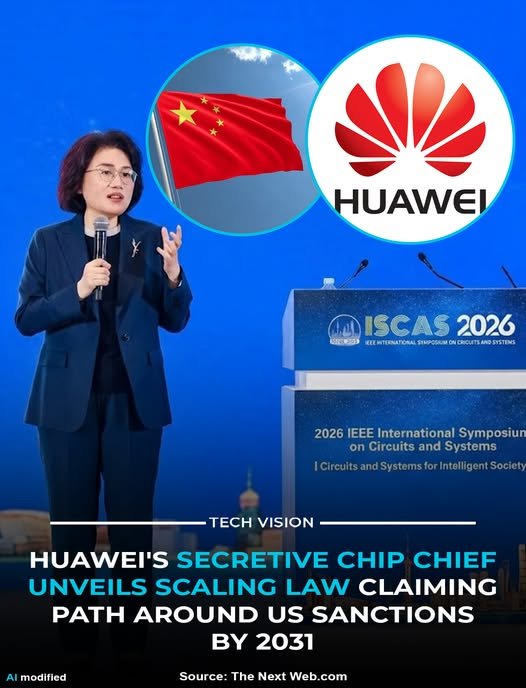
Covid Started In USA?

China claims it is preparing to unveil what it calls its strongest evidence yet that COVID-19 originated in the United States.

Chinese state officials say the material will directly challenge the prevailing global narrative, pointing to documents and intelligence they allege have never been made public. The announcement has already triggered sharp reactions worldwide, with observers questioning what Beijing will present — and whether it could alter any part of the international consensus.

Beijing has promised a full disclosure soon. All eyes are now on what comes next.

Read More

Author: Saikat Bhattacharya

Technology news General USA vs China 31-December-2025 by east is rising

কোভিডের উৎপত্তি মার্কিন যুক্তরাষত্রে

চীন দাবি করেছে, তারা এমন তথ্য প্রকাশের প্রস্তুতি নিচ্ছে, যাকে তারা এখন পর্যন্ত কোভিড-১৯-এর উৎপত্তি নিয়ে সবচেয়ে শক্তিশালী প্রমাণ বলে উল্লেখ করছে—যার মতে এই ভাইরাসের উৎস যুক্তরাষ্ট্র। সরকারি কর্মকর্তারা জানিয়েছেন, নতুন এই উপকরণ বিশ্বজুড়ে ভাইরাসটির শুরু নিয়ে প্রচলিত ধারণাকে সরাসরি চ্যালেঞ্জ করবে। ইঙ্গিত দেওয়া হয়েছে, এতে এমন কিছু নথি ও গোয়েন্দা তথ্য থাকতে পারে, যা আগে কখনও প্রকাশ করা হয়নি।

এই ঘোষণার পরই বিশ্বজুড়ে তীব্র প্রতিক্রিয়া দেখা দিয়েছে। অনেকেই প্রশ্ন তুলছেন—চীন ঠিক কী উপস্থাপন করতে যাচ্ছে এবং তা আন্তর্জাতিক মহলে গড়ে ওঠা ঐকমত্যে কোনো পরিবর্তন আনতে পারবে কি না। বেইজিং শিগগিরই সম্পূর্ণ তথ্য প্রকাশের প্রতিশ্রুতি দেওয়ায়, আরও বিস্তারিত জানার অপেক্ষায় রয়েছে বিশ্ব।

Read More

Author: Saikat Bhattacharya

Technology news General USA vs China 31-December-2025 by east is rising
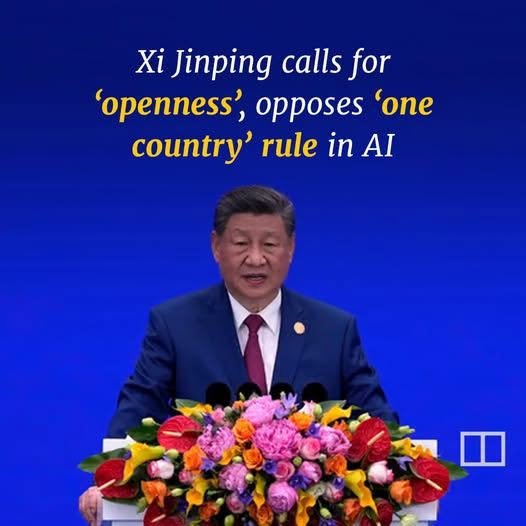
AI To Replace Docs In 10 Years

TechTimes Facebook Page

Rapid advances in artificial intelligence are accelerating faster than most technological shifts seen before. Influential tech leaders argue this speed could fundamentally change how core professions operate.

In healthcare, AI systems are already matching or exceeding human accuracy in diagnostics, imaging, and early disease detection. These tools promise faster decisions, lower costs, and wider access in underserved regions.

Education is also being reshaped through adaptive learning platforms that tailor lessons to individual students. Personalized instruction at scale could reduce gaps caused by teacher shortages worldwide.

Rather than full elimination, many experts believe professional roles may evolve into oversight and decision-making positions. Human judgment, ethics, and empathy remain difficult to automate fully.

The broader question centers on how societies manage this transition responsibly. Policy, training, and workforce adaptation will determine whether AI becomes a benefit or a disruption.

Read More

Author: Saikat Bhattacharya

Technology news General 31-December-2025 by east is rising
Quantum Field Theory

TechTimes

Quantum field theory explains that particles are not solid, isolated objects but temporary excitations within underlying fields that exist everywhere in the universe. Each type of particle corresponds to its own field permeating all of space.

In this framework, electrons, photons, and quarks emerge only when their respective fields vibrate, meaning what we call “matter” is a dynamic process rather than a fixed thing. When the vibration stops, the particle effectively ceases to exist.

This view helps explain why empty space is never truly empty, as quantum fields remain active even in apparent vacuum. Experiments show measurable energy fluctuations even where no particles are present.

The theory also accounts for strange quantum behavior, such as particles appearing or vanishing, by describing them as energy shifting within continuous fields. What looks like randomness is governed by precise mathematical rules.

Modern physics relies heavily on this model, as it underpins particle accelerators, semiconductors, medical imaging, and the foundations of quantum computing. Its predictions have been confirmed with extraordinary accuracy over decades of experiments.

Read More

Author: Saikat Bhattacharya

Technology news General 24-December-2025 by east is rising

কোয়ান্টাম গবেষণায় চীনের দারুণ সাফল্য

কোয়ান্টাম প্রযুক্তি ব্যবহার করে হাজার হাজার কিলোমিটার জুড়ে তথ্য সফলভাবে টেলিপোর্ট করে চীন একটি যুগান্তকারী বৈজ্ঞানিক সাফল্য অর্জন করেছে। এই পরীক্ষায়, মহাকাশে শারীরিকভাবে ভ্রমণ না করেই দূরবর্তী স্থানগুলিতে তাৎক্ষণিকভাবে তথ্য স্থানান্তর করা হয়েছিল, যা কোয়ান্টাম পদার্থবিদ্যার সবচেয়ে বিস্ময়কর ভবিষ্যদ্বাণীগুলির মধ্যে একটিকে নিশ্চিত করেছে। যা স্থানান্তরিত হয়েছিল তা পদার্থ ছিল না, বরং বিশুদ্ধ তথ্য ছিল - কোয়ান্টাম জগতকে নিয়ন্ত্রণকারী অদ্ভুত আইন দ্বারা বাহিত।

প্রক্রিয়াটি কোয়ান্টাম জট বাঁধার উপর নির্ভর করে, এমন একটি ঘটনা যেখানে দুটি কণা এত গভীরভাবে সংযুক্ত হয়ে যায় যে একটির অবস্থা তাৎক্ষণিকভাবে অন্যটির উপর প্রভাব ফেলে, দূরত্ব নির্বিশেষে। পৃথক স্থানে কণাগুলিকে জড়িয়ে ধরে, বিজ্ঞানীরা পরিমাপ করার মুহুর্তে কোয়ান্টাম ডেটা প্রেরণ করতে সক্ষম হন। ঐতিহ্যবাহী অর্থে কোনও সংকেত তাদের মধ্যে স্থান অতিক্রম করেনি, তবুও তথ্য গ্রহণকারী প্রান্তে একই সাথে উপস্থিত হয়েছিল।

গবেষকরা জোর দিয়ে বলেন যে এটি মানুষ বা বস্তুর টেলিপোর্টেশন নয়, বরং কোয়ান্টাম অবস্থার। তবুও, এর প্রভাব বিশাল। কোয়ান্টাম টেলিপোর্টেশন অতি-নিরাপদ যোগাযোগ ব্যবস্থার মেরুদণ্ড তৈরি করতে পারে, যেখানে সনাক্তকরণ ছাড়াই ডেটা আটকানো বা অনুলিপি করা যায় না। এটি ভবিষ্যতের কোয়ান্টাম ইন্টারনেটকেও সক্ষম করতে পারে, মহাদেশ জুড়ে কোয়ান্টাম কম্পিউটারগুলিকে অভূতপূর্ব গতি এবং সুরক্ষার সাথে সংযুক্ত করে।

এই পরীক্ষাটি কোয়ান্টাম গবেষণায় চীনের ক্রমবর্ধমান নেতৃত্ব প্রদর্শন করে, যা কম্পিউটিং, এনক্রিপশন এবং বিশ্বব্যাপী যোগাযোগকে পুনরায় সংজ্ঞায়িত করার ক্ষেত্র। যদিও ব্যবহারিক ভোক্তা প্রয়োগগুলি বছরের পর বছর দূরে, প্রতিটি সফল প্রদর্শন প্রযুক্তিকে বাস্তব-বিশ্বের ব্যবহারের কাছাকাছি নিয়ে আসে।

এই অগ্রগতি এমন একটি ভবিষ্যতের ইঙ্গিত দেয় যেখানে তথ্যের জন্য দূরত্ব তার অর্থ হারিয়ে ফেলে। ডেটাকে আর ভ্রমণ করার প্রয়োজন নেই - এটি কেবল তাৎক্ষণিকভাবে, যেখানেই কোয়ান্টাম সংযোগ বিদ্যমান সেখানেই উপস্থিত হতে পারে।

Read More

Author: Saikat Bhattacharya

Technology news General Unipolar vs Multi-polar 24-December-2025 by east is rising
China's Huge Leap In Quantum Experiment

Scientists in China have demonstrated long-distance quantum communication by transferring information across thousands of kilometers using entangled particles. No physical matter traveled between locations; instead, quantum states were shared and reconstructed with matching results, confirming the connection worked over vast distances.

This achievement relies on quantum entanglement, a phenomenon where particles remain linked regardless of separation. Any attempt to intercept the communication disrupts the system, making eavesdropping immediately detectable and positioning quantum networks as fundamentally more secure than classical systems.

The work required years of coordination between satellites and ground stations, precise timing, and extreme noise control. It marks a major step toward a global quantum internet that could transform secure communication for science, medicine, finance, and governments worldwide.

Source: Chinese Academy of Sciences; Pan, J.-W. et al., Nature (quantum communication via the Micius satellite)

Shared for informational/Educational purpose only

Read More

Author: Saikat Bhattacharya

Technology news General Unipolar vs Multi-polar 24-December-2025 by east is rising

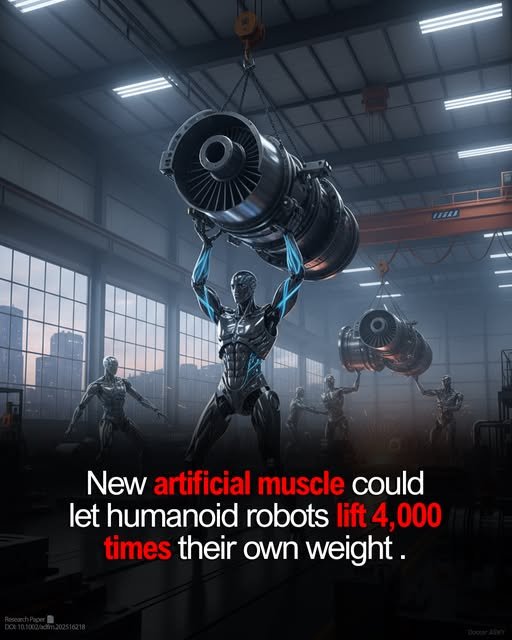
South Korea have created an artificial muscle that combines extreme strength with remarkable flexibility

Doctor ASKY

Scientists in South Korea have created an artificial muscle that combines extreme strength with remarkable flexibility. The tiny device weighs just over a gram but can support up to around five kilograms—about 4,000 times its own weight. It can stretch up to twelve times its original length when soft and switch to a rigid state to handle heavy loads without losing performance.

The secret is a special polymer network embedded with magnetic particles. The permanent chemical bonds give the muscle structural strength, while reversible physical bonds allow it to stretch and flex. The magnetic particles let engineers control the muscle externally, switching between soft and stiff modes as needed. It can contract to a strain of around 86 percent, more than double the capability of human muscle, and its work density is about thirty times higher than natural muscle.

Although still in early testing, this artificial muscle could revolutionize robotics, wearable devices, and prosthetics. Challenges remain, such as providing power, ensuring durability over repeated cycles, and scaling up to full limbs. Still, it demonstrates a new way to build soft yet incredibly strong actuators, opening the door for robots and exoskeletons that far exceed human strength while remaining flexible.

Research Paper ????

DOI: 10.1002/adfm.202516218

Read More

Author: Saikat Bhattacharya

Technology news General 23-December-2025 by east is rising
চীন দাবি করেছে যে তারা স্থায়ীভাবে পারমাণবিক শক্তির সমাধান করেছে

চীন পারমাণবিক শক্তির একটি নতুন আবিষ্কার ঘোষণা করার পর বিশ্বব্যাপী মনোযোগ আকর্ষণ করেছে যা দীর্ঘমেয়াদী শক্তি বোঝার পদ্ধতিকে মৌলিকভাবে পরিবর্তন করতে পারে। গবেষকদের মতে, নতুন চিহ্নিত পারমাণবিক জ্বালানি সম্পদ ধারণকারী একটি একক খনি সমগ্র দেশকে এক হাজার বছর পর্যন্ত শক্তি সরবরাহ করতে পারে। যদি সঠিক হয়, তাহলে আবিষ্কারটি কেবল চীনের জন্য নয়, বরং বিশ্বের জন্য জ্বালানি নিরাপত্তাকে পুনরায় সংজ্ঞায়িত করবে।

এই আবিষ্কারটি উন্নত পারমাণবিক জ্বালানি নিষ্কাশন এবং ব্যবহারের উপর কেন্দ্রীভূত, বিশেষ করে এমন উপকরণ যা একসময় অব্যবহারযোগ্য বা অদক্ষ বলে বিবেচিত হত। বিজ্ঞানীরা বলছেন যে নতুন চুল্লির নকশা এবং জ্বালানি-প্রক্রিয়াকরণ পদ্ধতি এখন এই সম্পদগুলিকে সম্পূর্ণরূপে কাজে লাগানোর অনুমতি দেয়, নাটকীয়ভাবে পারমাণবিক জ্বালানি মজুদের আয়ুষ্কাল বাড়িয়ে দেয়। কয়েক দশকের সরবরাহের পরিবর্তে, শক্তি পরিকল্পনা এখন শতাব্দী জুড়ে বিস্তৃত হতে পারে।

জীবাশ্ম জ্বালানির বিপরীতে, পারমাণবিক শক্তি ক্রমাগত নিষ্কাশন এবং পোড়ানোর উপর নির্ভর করে না। উন্নত পুনর্ব্যবহার এবং পরবর্তী প্রজন্মের চুল্লির সাহায্যে, একই জ্বালানি বারবার পুনঃব্যবহার করা যেতে পারে, বর্জ্য হ্রাস করার সাথে সাথে উৎপাদন বৃদ্ধি করে। প্রকৌশলীরা জোর দিয়ে বলেন যে এই পদ্ধতিটি নির্গমনকে কমিয়ে আনে, পারমাণবিক শক্তিকে দীর্ঘমেয়াদী নিম্ন-কার্বন শক্তির মেরুদণ্ড হিসেবে স্থাপন করে।

বিশেষজ্ঞরা মনে করেন যে, যদি প্রযুক্তিটি পূর্বাভাসিতভাবে পরিমাপ করা হয়, তাহলে এটি জাতীয় গ্রিডগুলিকে স্থিতিশীল করতে, আমদানির উপর নির্ভরতা কমাতে এবং কিছু নবায়নযোগ্য জ্বালানির মুখোমুখি হওয়া বিরতিহীন চ্যালেঞ্জ ছাড়াই ব্যাপক বিদ্যুতায়ন প্রচেষ্টাকে সমর্থন করতে পারে। এর প্রভাব শিল্প, পরিবহন এবং দীর্ঘমেয়াদী জলবায়ু কৌশলের উপরও বিস্তৃত।

আন্তর্জাতিক যাচাইকরণ এবং স্থাপনের সময়সীমা আলোচনার অধীনে থাকলেও, ঘোষণাটি কেবল একটি নাটকীয় পরিবর্তনের ইঙ্গিত দেয়। শক্তি আর বছর বা দশকে পরিমাপ করা সীমাবদ্ধ ফ্যাক্টর নাও হতে পারে।

যদি নিশ্চিত করা হয়, তবে এই আবিষ্কার এমন একটি ভবিষ্যতের ইঙ্গিত দেয় যেখানে বিদ্যুতের ঘাটতি ইতিহাসে বিলীন হয়ে যাবে এবং প্রজন্মের পর প্রজন্ম ধরে দীর্ঘস্থায়ী শক্তি ব্যবস্থা দ্বারা প্রতিস্থাপিত হবে।

Read More

Author: Saikat Bhattacharya

Technology news General world order 23-December-2025 by east is rising
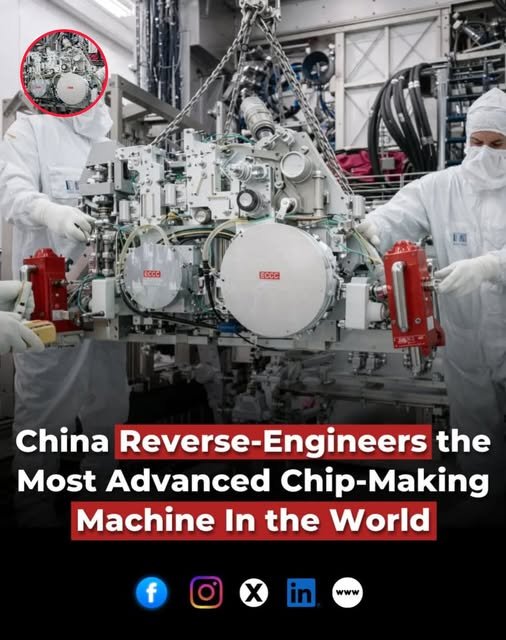
China Has Reverse-engineered EUV Lithographic Machine

China’s semiconductor industry has reportedly reached a major milestone with the development of its first domestic extreme ultraviolet (EUV) lithography prototype. EUV technology is used to make the world’s most advanced chips and has so far been mastered only by Dutch firm ASML. For years, the US has tried to block China’s access to this technology, making the reported breakthrough significant.

According to reports, Chinese companies including Semiconductor Manufacturing International Corporation have been working to replicate EUV systems, partly by studying older ASML components. Reuters reported that China has now built an EUV prototype, going further than experts expected. Earlier this year, ASML CEO Christophe Fouquet said China would need many years to achieve this level of technology.

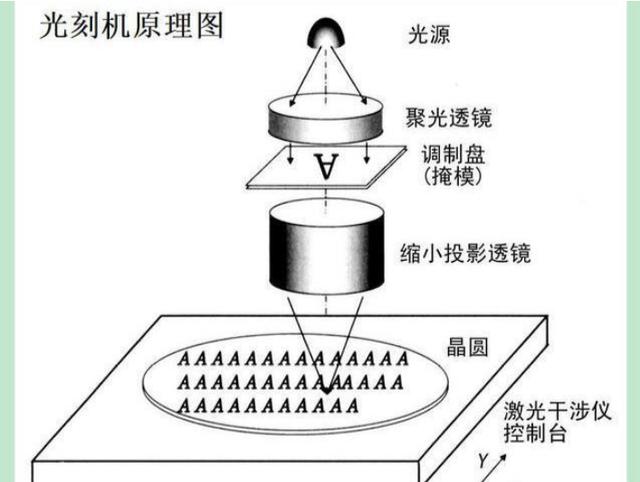
EUV machines work by firing a powerful laser at tiny droplets of molten tin to produce ultraviolet light, which is then used to etch extremely fine circuits onto silicon wafers. ASML spent more than €6 billion over 17 years developing this technology. While China is not yet producing EUV-made chips, reports say it aims to make the technology operational by 2030.

The development comes as the US and China race to strengthen their chip industries amid the AI boom. In China, Huawei is expanding semiconductor facilities with SMIC, while the US continues to invest heavily under the CHIPS and Science Act.

Read More

Author: Saikat Bhattacharya

Technology news General USA vs China 23-December-2025 by east is rising
China and Russia are planning to build a nuclear reactor on the Moon to power the International Lunar Research Station (ILRS) by 2035

China and Russia are planning to build a nuclear reactor on the Moon to power the International Lunar Research Station (ILRS), with a target date of 2035. This ambitious project forms part of China’s broader space aspirations, including landing astronauts on the Moon by 2030 and establishing a permanent base by 2035. The nuclear power unit, to be built with Russia’s space agency Roscosmos, aims to provide energy for the ILRS, and could be supplemented by large-scale solar arrays and surface heating systems. This cooperation between China and Russia, strengthened by tensions with the West, highlights the growing geopolitical dynamics in space exploration. As the two nations plan to compete with NASA's Artemis program, the ILRS could become a crucial space station for global scientific research.

Read More

Author: Saikat Bhattacharya

Technology news General Unipolar vs Multi-polar 21-December-2025 by east is rising
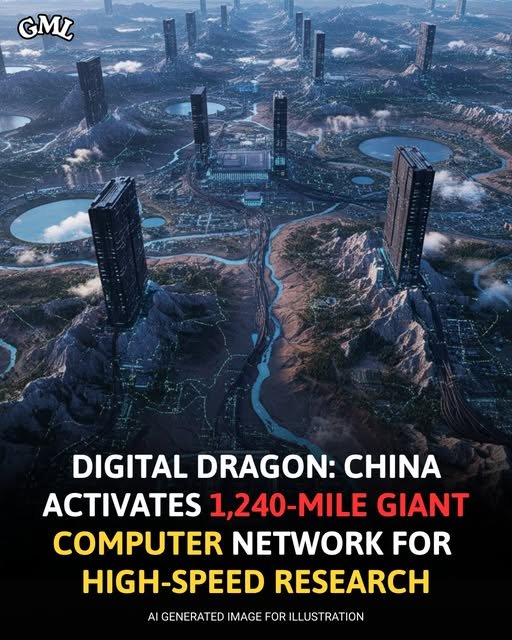
China's 1240 Mile Long Computer Network

In the race for global technological supremacy, data infrastructure is key. Building networks that can transmit massive amounts of data across vast distances at unprecedented speeds is a game-changer. This makes you immediately curious: What exactly is this 1,240-mile giant computer network that China activated, and how will it facilitate high-speed research across the country?

The powerful impact is the creation of a massive, long-distance computing network that connects major research institutions and cities over thousands of miles using ultra-high-speed data links. This network isn't a single machine, but a distributed supercomputing grid capable of handling vast datasets and complex simulations in real-time. This level of connectivity allows researchers in different locations to collaborate and share data instantly, helping them to avoid the bottlenecks and time delays associated with slower infrastructure. This is critical for fields like physics, climate modeling, and artificial intelligence development.

This achievement solidifies China's position as a leader in next-generation computing infrastructure. It is essential to recognize that massive networks like this will be the backbone of future scientific breakthroughs, allowing researchers to learn about global challenges at scales previously unimaginable. We can reflect on the accelerating pace of digital infrastructure development and trust that this type of investment will ultimately protect the country's economic and technological future.

Images are generated using AI for illustration purposes only.

Read More

Author: Saikat Bhattacharya

Technology news General Unipolar vs Multi-polar 21-December-2025 by east is rising
How China's AI Tigers Just Shocked Silicon Valley

Padma De Pana

Three years ago, the launch of ChatGPT sent China's tech sector into a panic, scrambling to close a gap of 2-3 years with the US. Today, that timeline has collapsed. The question "Are we losing the AI race?" now echoes in Washington and Silicon Valley—the very same question once asked in Beijing.

????The Turning Point:

The game changed with DeepSeek's late 2024/early 2025 releases. Its V3 and R1 models proved to be on par with top Western models like GPT and Llama but at a fraction of the cost. This breakthrough sparked a strategic shift towards open-source dominance.

Chinese open-source models, led by Alibaba's Qwen and DeepSeek, now account for ~30% of global use, winning trust from developers worldwide—even US firms like Airbnb and Meta use them. Analysts estimate the tech gap has shrunk from over a year to just ~3 months, fueled by rapid iteration and abundant talent.

????Divergent Paths:

As Huawei's Ren Zhengfei notes, the US and China are now on different tracks: the US chases supercomputing for AGI, while China focuses AI on solving practical, real-world problems.

The Bottom Line:

The panic is over. China's AI sector has moved from defensive isolation to open-source challenger, fundamentally reshaping the global competitive landscape. The race is now on China's terms.

Read More

Author: Saikat Bhattacharya

Technology news General USA vs China 17-December-2025 by east is rising
World's 1st Drone Carrying Ships With Magnetic Catapults For Launching Jets

From Facebook Page: World Of Beauty 

"China’s Type 076 Sichuan amphibious assault ship began testing its electromagnetic aircraft launch system (EMALS) at Hudong-Zhonghua Shipyard in Shanghai.

Satellite images show the 40,000-ton vessel positioned with its catapult rail pointed toward the Yangtze River.

A maritime safety exclusion zone from October 20-29 suggests “sled tests” using weighted metal carriages to simulate aircraft launches.

If confirmed, Sichuan will be the world’s first amphibious assault ship with electromagnetic catapults, joining only USS Gerald R.
Ford-class carriers and China's Fujian carrier. The vessel, designed primarily for deploying GJ-11 combat drones, could also operate manned aircraft.
Disclaimer: Images generated using AI are for illustrative purposes only.
Read More

Author: Saikat Bhattacharya

Technology news General 17-December-2025 by east is rising

China now dominates in every technology that defines the modern world using Planned Innovation instead of Market led Innovation

According to the Australian Strategic Policy Institute's 2025 Critical Technology Tracker, released last week, China leads in 7 out of 8 AI categories, 13 out of 13 advanced materials and manufacturing technologies, in all 7 categories of defence, space, robotics and transportation, 9 out of 10 in energy and environment and 5 out of 9 in biotechnology, genes and vaccines.

No such qualms in the Chinese Communist Party, which is in charge of a country whose population of workers is declining. The communists are driving the technology bus, not billionaires as in the US, and the few Chinese entrepreneurs who managed to amass a fortune serve at the pleasure of the party. China's arrival as tech supremo was on display last month at the 27th Hi-Tech Fair in Shenzhen.

As Industrial Transition Accelerator executive Faustine Delasalle says: "There's an acceleration in China that we're not seeing in the rest of the world." China used to be trying to catch the West, specifically the US. Then it caught up. Now the West is trying to catch up to China, but likely can't.

Success Of Planned Innovation Over Market led Innovation

Blogger Noah Smith described what "whole of nation" meant in a post last week: "Essentially, what China has done is to ditch the standard innovation model, where government, academics, corporations, and financiers all work independently toward their own goals, and to replace it with a model where the government coordinates their interaction toward a single overarching goal from beginning to end.

"It tries to identify a technological goal — say, becoming nationally self-sufficient in robotics — and then works backwards to figure out what breakthroughs it needs in order to reach that goal. Then it tries to fund the basic and applied research to create those breakthroughs, transfer the breakthroughs to the appropriate companies, help the companies create new products, and then help the companies commercialize and scale those products."

The government works backwards from the goal and then directs the basic research and funds the companies to create products and then to commercialize.

China's government spends hundreds of billions of dollars on what it calls a "whole-of-nation" industry policy, which began with "Made in China 2025" unveiled 10 years ago, and morphed into the 14th five-year plan in 2020 committing US$ 1.4 trillion over five to six years on new infrastructure, including 5G networks, smart cities, and industrial digitalization.

Conclusion

In many ways, autocratic China is where democratic America was in 1944 when the Bretton Woods conference established its global hegemony. China may soon absorb Taiwan, perhaps without firing a shot. America and the world will object, and likely do nothing, confirming a new global order. There are many things wrong with China, but the implication of all this for Australia is clear: In a G2 world, we must find a way to pivot.

Read More

Author: Saikat Bhattacharya

Technology news General USA vs China 16-December-2025 by east is rising

China Rejects US-Made AI Chips, The White House Admits That Export Strategy May Be Failing

The development casts doubt on Washington’s export strategy, which aimed to sell older U.S. chips to China to undercut local rivals without transferring cutting-edge technology. The global tech rivalry between the U.S. and China appears to be entering a new phase. Mint is an Indian financial daily newspaper published by HT Media. The Mint YT Channel brings you cutting edge analysis of the latest business news and financial news. With in-depth market coverage, explainers and expert opinions, we break down and simplify business news for you.


The White House has raised fresh concerns after admitting that China is turning away U.S.-made AI chips, including Nvidia’s H200. According to White House AI czar David Sacks, Beijing is rejecting American semiconductors not due to supply limits, but as part of a push for full technological self-reliance.

Read More

Author: Saikat Bhattacharya

Technology news General USA vs China 16-December-2025 by east is rising
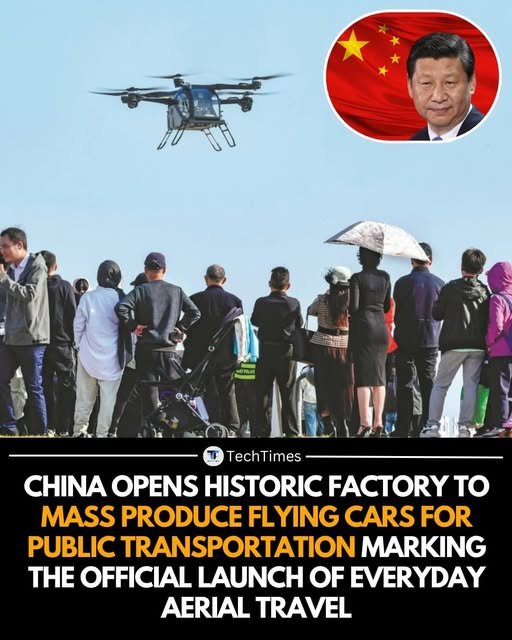
Mass Production Factory For Flying Cars Launched In China

China has officially opened the world’s first factory dedicated to mass-producing flying cars for public use. Unlike experimental prototypes, this facility is built to full industrial standards, signaling a shift from concept to real-world transportation.

The factory uses automated assembly lines, aviation-grade safety testing, and electric propulsion systems designed specifically for urban air mobility. Engineers focused on reliability, scalability, and safety rather than one-off demonstrations.

These flying vehicles are designed to operate both on roads and in controlled airspace using vertical takeoff and landing technology. Autonomous navigation, collision-avoidance systems, and noise reduction were prioritized for dense city environments.

Mass production dramatically lowers manufacturing costs compared to hand-built aircraft. Analysts say this approach could make flying cars commercially viable for public transport, emergency services, and future ride-sharing networks.

This development places China at the forefront of next-generation mobility. What once belonged to science fiction is now entering everyday infrastructure, potentially reshaping how cities move, grow, and connect.

Read More

Author: Saikat Bhattacharya

Technology news General 14-December-2025 by east is rising

China Introduces Atomic Quantum Computer (Hanyuan-1) For Sale

China has unveiled Hanyuan-1, the world’s first commercially available neutral-atom quantum computer. Developed by the Chinese Academy of Sciences, this system uses ultra-cold atoms to create highly stable qubits that can function at room temperature—representing a major leap forward in quantum technology.

Early customers include a China Mobile subsidiary and an overseas buyer in Pakistan, with total orders surpassing $5.6 million. Featuring 100 qubits, a compact three-rack design, and what its creators describe as “commercial-grade” performance, Hanyuan-1 positions China at the forefront of the emerging quantum computing era.

Read More

Author: Saikat Bhattacharya

Technology news General USA vs China 14-December-2025 by east is rising

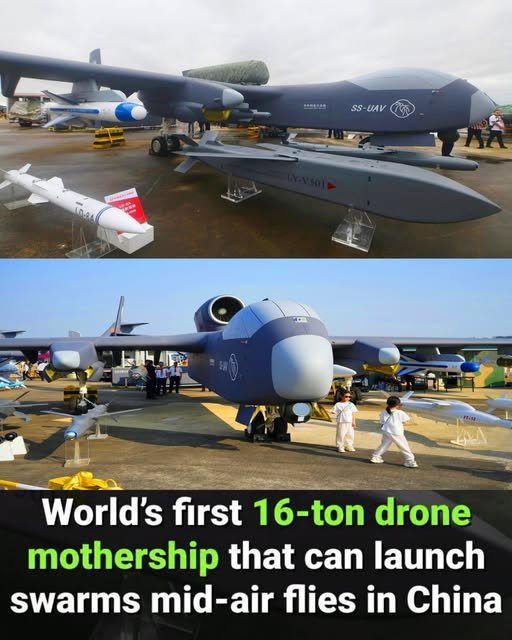
World's 1st Drone Carrier By China

China has indeed flown a very large unmanned “drone mothership” called Jutian (also referred to as Jetank), designed to launch swarms of smaller drones in mid-air, and it has a maximum takeoff weight of about 16 metric tons.

What this drone is

Jiutian is a jet-powered, long-endurance UAV developed by China’s Aviation Industry Corporation of China (AVIC) and made its maiden flight in Shaanxi Province around 11 December 2025.

Chinese and international reports describe it as an “airborne UAV carrier” or drone swarm mothership, capable of deploying large numbers (over 100 in some briefings) of smaller drones or loitering munitions from internal bays and underwing hardpoints.

Size and capabilities

The aircraft is roughly 16.3 m long with a 25 m wingspan, 16-ton maximum takeoff weight, and around 6 tons payload, with up to 12 hours endurance and about 7,000 km ferry range.

It is intended for both civil and military roles, including long-range cargo, emergency communications, disaster relief, surveillance, and, in a military context, swarm attacks, electronic warfare, and long-range strike support.

Read More

Author: Saikat Bhattacharya

Technology news General USA vs China 14-December-2025 by east is rising

Quantum walkie-talkie: China tests world’s first GPS-free radio for border zones

A US report warns that China is moving quickly to turn quantum technologies into military advantages. https://bit.ly/4ac5kv6

Devices based on quantum theory in communications, detection, and computing are “gradually transitioning” from laboratory environments to real-world field tests.

The 6.6-pound prototype successfully received signals from tens of miles away, offering new emergency communication capabilities for troops.

China has taken a major step in applying quantum science to real-world military operations.

The country’s border units are now testing what may be the world’s first portable quantum radio device, according to Science and Technology Daily.

This trial gives the People’s Liberation Army a new communication tool built for locations where standard systems fail.

Border patrol units often operate in steep canyons, remote highlands, and rugged forests where many communication systems break down. Signals can weaken, bounce off terrain, or fail.

The PLA says the new device is meant to address these common failures and give troops a reliable backup when infrastructure is limited.

China and the United States are investing heavily in quantum technologies. These tools could reshape sensing, encryption, secure data transfer, and battlefield awareness. Both countries see quantum equipment as a possible strategic advantage in future conflicts.

In recent months, China has unveiled several quantum breakthroughs. In October, it announced mass production of the world’s first ultra-low-noise single-photon detector, which can track stealth aircraft. Known as the “photon catcher”, the detector identifies the smallest units of electromagnetic energy and supports systems such as quantum radar and secure quantum communication.

Meanwhile, a November report from the US-China Economic and Security Review Commission noted that “quantum computers will profoundly affect communications and data security and provide significant intelligence and military advantages”.

The report also said, “America still leads the world in most quantum research, but China has deployed industrial-scale funding and centralised coordination to seize dominance in quantum systems.”

The commission described China as leading in quantum communication and “making rapid progress in quantum computing and sensing”. It also warned that China’s integration of state labs, defence-linked companies, and PLA procurement has accelerated the military use of its quantum projects.

Read More

Author: Saikat Bhattacharya

Technology news General USA vs China 12-December-2025 by east is rising

China Is Reshaping Aviation Industry With Hypersonic Jet Qianshou

China has just sent a shockwave through the future of aviation — unveiling a hypersonic jet so fast it rewrites the rules of flight. The Qianshou project has officially broken the Mach 6 barrier, reaching an astonishing 8,100 km/h, a speed that could cut a Beijing–New York journey to less than two hours.

This aircraft isn’t merely quick — it’s designed to withstand extremes that would obliterate conventional jets. Constructed from next-generation heat-resistant alloys and driven by an advanced scramjet engine, Qianshou stayed stable even as its exterior endured temperatures soaring past 3,000°C.

How does it survive the impossible?

1. A graphene-based thermal shield that prevents the airframe from melting under hypersonic heat.

2. A high-efficiency scramjet system that uses incoming air for combustion, removing the need for heavy oxidizers and dramatically enhancing performance.

The result is an aircraft that flies not just faster, but farther and more efficiently than anything humanity has built before.

Aviation analysts are calling Qianshou a defining moment — a technological leap that may transform global travel, turning journeys once measured in days into trips counted in hours.

Qianshou isn’t simply a hypersonic jet.

It’s a preview of a future where technology doesn’t just progress — it outpaces our imagination.

Read More

Author: Saikat Bhattacharya

Technology news General USA vs China 11-December-2025 by east is rising

The U.S. Moves to Strip Taiwan of Its Entire Semiconductor Supply Chain

Washington isn’t even hiding it anymore.

In the latest round of U.S.–Taiwan tariff talks, the U.S. Commerce Secretary openly stated that America wants over US$300 billion in Taiwanese investment, plus Taiwanese labour to train America’s semiconductor workforce, all for one purpose: Move Taiwan’s entire semiconductor supply chain onto U.S. soil.

On the island, even pro-DPP communities are furious.

Commenters slammed the administration as “beyond saving” pointing out that with Lai Ching-te’s promised US$40 billion in U.S. arms purchases, Taiwan’s wealth, built over three generations, is being handed away piece by piece.

Beijing’s response was blunt. According to the Taiwan Affairs Office:

The DPP has “knelt before negotiations even began”.

They are “deceiving their own people again and again”.

Washington is being allowed to extract Taiwan’s most valuable industries at will.

TSMC’s forced US$100 billion expansion in the U.S. has already triggered panic among Taiwanese industry.

And a US$300 billion follow-up would severely weaken Taiwan’s economic vitality and autonomy.

And they warned: Taiwan’s population needs to unite and oppose the DPP’s pro-U.S. sell-out strategy before it’s too late.

But Lai Ching-te doubled down.

In a New York Times interview, he claimed sending TSMC and the semiconductor industry abroad would “promote global prosperity.” His deputy Lai Hsiao-bi-khim went further, saying building mega-fabs in the U.S. is a “meaningful contribution to American manufacturing.”

Beijing’s reply was scathing:

1. “Lai’s administration is a professional seller of Taiwan, a shameless fraud group.”

2. Taiwan’s hard-earned assets are being looted, yet the DPP paints it as progress.

3. Taiwan’s companies and people are being sacrificed, yet the DPP celebrates it as contributing to America.

And honestly? They’re not wrong.

Every move Washington is making follows a clear logic:

1. Strip Taiwan of its technological crown jewel

2. Move fabs, engineers and upstream suppliers to America

3. Reduce Taiwan’s strategic value once extraction is complete

4. Make Taipei dependent on U.S. security commitments and arms sales

5. Keep the island politically aligned through economic leverage

This isn’t “cooperation.”

It’s extraction!

The U.S. is using Taiwan; can nobody see where this is heading?

Anyone living in Taiwan can already see the writing on the wall, even if Western audiences can’t, or don’t want to.

Read More

Author: Saikat Bhattacharya

Technology news General Unipolar vs Multi-polar 11-December-2025 by east is rising

Turkiye To Build Combat Drone Factory In Pakistan

Turkiye is planning a combat-drone assembly facility in Pakistan, aiming to export stealth and long-endurance drones for local assembly.

The move strengthens Ankara’s global defense ambitions and deepens military cooperation with Islamabad, building on joint projects like F-16 upgrades, TF-X fighter jet research, and Anka UAV production with technology transfer.

The new facility would enhance Pakistan’s access to advanced dr0ne technology while supporting Turkiye’s $7.5 billion defe_nse exports. Talks come amid regional tens_ions with India and Afghanistan. Previous deals include T-129 ATAK helicopters and corvette warships.

Read More

Author: Saikat Bhattacharya

Technology news General Unipolar vs Multi-polar 07-December-2025 by east is rising

কোয়ান্টাম প্রতিযোগিতায় যারা জিতবে, তারা মুহূর্তেই বিশ্বের সব রাষ্ট্রীয় গোপন তথ্য ভেঙে ফেলতে সক্ষম হবে

চীন কোয়ান্টাম কম্পিউটারে সফলতা পেলে যুক্তরাষ্ট্রকে এক নিমেষে প্রস্তরযুগে পাঠিয়ে দেবে

কোয়ান্টাম কম্পিউটিংয়ে দৌড়ে চীন যদি এগিয়ে যায়, যুক্তরাষ্ট্রকে এক ধাক্কায় অচল করে দিতে পারে—এমনটাই বলছেন কানাডাভিত্তিক বিশেষজ্ঞ জেসি ভ্যান গ্রিন্সভেন।

তার মতে, ত্রুটিমুক্ত (error-corrected) কোয়ান্টাম কম্পিউটার হলে বিমানবন্দর, পাওয়ার প্লান্ট, টেলিকম নেটওয়ার্ক থেকে শুরু করে সামরিক বাহিনী পর্যন্ত—সবকিছু বন্ধ করে দেওয়া সম্ভব।

সেক্ষেত্রে যুক্তরাষ্ট্রকে “একটি গুলি না ছুঁড়েও প্রস্তরযুগে” পাঠিয়ে দেয়া যাবে।

আমেরিকান বিশ্লেষক রায়ান ফেডাসিউক ও লিন্ডসে গোরম্যানও একই সতর্কতা দিয়েছেন। তারা বলেন, কোয়ান্টাম প্রতিযোগিতায় যারা জিতবে, তারা মুহূর্তেই বিশ্বের সব রাষ্ট্রীয় গোপন তথ্য ভেঙে ফেলতে সক্ষম হবে।

ব্যাপারটা যেন পুরো পৃথিবীর ডিজিটাল তালার মাস্টার কী পেয়ে যাওয়ার মতো।

Read More

Author: Saikat Bhattacharya

Technology news General USA vs China 06-December-2025 by east is rising

Can China's Analog Chips Outcompete Nvidia?

Recent Developments in Chinese Analog Chips

In late 2025, Chinese researchers have made significant strides in analog computing chips, particularly for AI and scientific applications. Analog chips differ from traditional digital ones (like Nvidia's GPUs) by processing continuous signals rather than binary data, potentially offering advantages in speed and energy efficiency for tasks like matrix operations central to AI training. Two key breakthroughs emerged in October 2025, both addressing longstanding challenges in analog computing such as precision and scalability. These advancements come amid U.S. export restrictions on advanced semiconductors, accelerating China's push for self-reliance in chip technology.

Peking University Analog Chip

A team led by Zhong Sun, an assistant professor at Peking University, developed a pair of hybrid analog chips that solve complex matrix equations—a core computation in training large AI models—with unprecedented precision and speed.b3b820 Published in Nature on October 17, 2025, the design uses resistive memory materials (like memristors) to perform calculations directly in hardware, mimicking physical laws rather than simulating them digitally.

How it works: The first chip rapidly computes a low-precision solution (error rate ~1%) for matrix inversion. The second chip then applies an iterative refinement algorithm, cycling the output back through the system up to three times to achieve ultra-high precision (error rate as low as 0.0000001%, matching digital standards). This duo overcomes the "century-old problem" of analog computing's inherent noise and error accumulation, enabling scalable performance without proportional increases in size or time.

Performance claims: For a 32x32 matrix (common in AI workloads), the chip delivers over 1,000 times the throughput of Nvidia's high-end H100 GPU while using 100 times less energy.6d7f20 Larger matrices scale efficiently—unlike digital chips, where bigger problems take exponentially longer—potentially revolutionizing energy-hungry AI training.

Applications: Primarily for AI model training and scientific simulations (e.g., climate modeling or drug discovery), where matrix math dominates. The team envisions hybrid integration with existing GPUs, where analog circuits handle compute-intensive parts.

Limitations and future plans: Current prototypes handle 16x16 matrices (256 variables); scaling to million-scale for massive AI models requires larger chips, which could take years. Real-world speedups may vary if tasks involve non-matrix operations. No commercialization timeline yet, but the researchers aim for prototypes in hybrid AI accelerators by 2027.

This chip has generated buzz on platforms like X (formerly Twitter), with users highlighting its potential to sidestep U.S. sanctions and address global AI energy crises, though some posts exaggerate it as an "immediate Nvidia killer."

Nanjing University Analog In-Memory Computing Chip

Separately, a team from Nanjing University unveiled an analog in-memory computing (IMC) chip on October 17, 2025, setting a new precision benchmark for vector-matrix multiplications in AI hardware.a0765e Fabricated using standard CMOS processes (compatible with existing semiconductor lines), it encodes weights via stable device geometry ratios, avoiding variability in material properties like resistance.

Key features: Achieves a root-mean-square error (RMSE) of 0.101%—the highest precision yet for analog vector-matrix ops, surpassing prior records by 2-5x. It's robust in extreme conditions: operates from -78.5°C to 180°C (RMSE 0.130-0.155%) and withstands strong magnetic fields (output variation <0.21%).

Performance: Excels in energy efficiency and speed for parallel computations, ideal for edge AI devices or data centers. No direct Nvidia comparison in the announcement, but its precision enables reliable analog acceleration where digital chips falter under noise.

Applications and significance: Targets AI inference and training hardware, with advantages in low-power scenarios like IoT or robotics. It demonstrates China's maturing analog ecosystem, reducing reliance on imported components.

This chip aligns with broader trends, as companies like Suzhou Novosense Microelectronics (planning a $500M IPO) scale analog production for industrial and EV uses.

Can It Outcompete Nvidia?

Short answer: Potentially in niche areas like energy-efficient AI training, but not a full replacement—yet. Nvidia dominates digital GPUs for versatile, software-optimized AI (e.g., via CUDA ecosystem), with the H100/H200 series powering most large models. These Chinese analog chips target specific bottlenecks:

Strengths for competition:

Speed and efficiency: The 1,000x throughput and 100x energy savings could slash AI training costs, critical as data centers face power shortages (e.g., U.S. grids strained by 100GW+ AI demand). Analog avoids binary "clock ticks," enabling continuous computation.

Geopolitical edge: Built on domestic resistive tech and CMOS fabs, they evade U.S. bans, giving China an advantage in sanctioned markets.

Scalability potential: If hybridized (analog for math-heavy tasks + digital for control), they could boost Nvidia-like systems without full redesigns.

Challenges limiting outcompetition:

Narrow focus: Excels at matrix ops but struggles with general-purpose tasks; full AI pipelines need digital integration.

Maturity gap: Prototypes only—no mass production, ecosystem (e.g., software tools), or real-world deployments. Nvidia's moat includes decades of optimization and $100B+ market cap.

Expert caveats: Analysts note hybrid adoption is "years away," and precision/scalability hurdles persist for exascale AI.ba84de Benchmarks are lab-based; field tests could underperform.

In summary, these chips signal China's analog leadership (already 70%+ global market share in mature nodes), potentially eroding Nvidia's edge in power-constrained AI by 2027-2030. However, Nvidia's adaptability (e.g., exploring analog hybrids) and broader ecosystem make outright displacement unlikely soon. Watch for prototypes in Huawei or Alibaba systems for early signals.

Read More

Author: Saikat Bhattacharya

Technology news General USA vs China 06-December-2025 by east is rising

Chinese Cannons Shooting Hypersonic Projectiles

China has shocked global defense experts after unveiling a cannon capable of firing projectiles at seven times the speed of sound, a breakthrough that pushes the limits of physics and weapons engineering. At hypersonic speeds, the cannon’s rounds travel so fast they can cross entire battle zones in seconds, making interception nearly impossible. Engineers say the system uses advanced electromagnetic propulsion and cutting-edge materials designed to withstand extreme heat and pressure that would melt traditional weaponry instantly.

The technology marks a major leap forward in China’s growing focus on hypersonic research. Unlike conventional artillery, which relies on explosive force, this weapon accelerates projectiles using magnetic fields and ultra-high-power energy bursts. The result is near-instant launch velocity, extraordinary range, and impact force strong enough to overwhelm most existing defense systems. Analysts believe the cannon could reshape modern warfare by combining the range of missiles with the rapid-fire capability of artillery.

Despite the breakthrough, the project raises major questions. Hypersonic weapons generate heat levels measured in thousands of degrees, requiring materials and engineering precision that few countries have mastered. Military experts warn that new technologies of this scale could escalate global arms races, especially as nations rush to respond. Supporters in China view it as a symbol of technological dominance and a glimpse into next-generation defense power.

For now, the hypersonic cannon stands as one of the most radical weapons ever developed. If perfected, it could redefine speed, power, and what’s physically possible on the battlefield.

Read More

Author: Saikat Bhattacharya

Technology news General 03-December-2025 by east is rising

China Introduces Grenade Dropping Drones

China is quietly reshaping the future of modern warfare — and it’s doing it with swarms of smarter, tougher, AI-driven drones.

At the center of this transformation is a new palm-sized “flask” micro drone built for frontline soldiers. Despite its tiny frame, it can drop grenades, stream real-time battlefield data, and even run neural processors that let a single operator command multiple drones at once.

But the innovation doesn’t stop there. The PLA is rapidly deploying fiber-optic-guided kamikaze drones, systems nearly impossible to jam and capable of pinpoint strikes, even in electronic-warfare zones. Chinese companies like Skywalker Technology are rolling out long-range guidance kits that make these drones even more lethal and precise.

Behind the scenes, grassroots PLA units and universities are building a new generation of cheap, modular UAVs designed for brutal urban warfare — drones that can drop mortar rounds, weave through buildings, and maintain full control in environments where traditional signals fail.

Taken together, these advances reveal a clear picture: China is racing ahead in unmanned combat technology, creating battlefield tools that are faster, smarter, and harder to stop than ever before.

Read More

Author: Saikat Bhattacharya

Technology news General USA vs China 03-December-2025 by east is rising

China Introduces Robot Army For Patrolling China Vietnam Border

China has officially signed a 264 million yuan (US$37 million) agreement to deploy next-generation humanoid robots from UBTech Robotics across key border crossings in Guangxi, near Vietnam. These aren’t ordinary machines—they’re Walker S2 humanoids, the first robots capable of autonomously swapping their own batteries without human assistance. This allows them to operate almost nonstop, making them ideal for high-demand environments.

Beginning this December, the robots will support border operations by guiding travellers, managing queues, assisting patrol teams, and helping streamline logistics. Beyond the border, they will also be tested in steel, copper, and aluminium plants to perform industrial inspections traditionally done by human workers.

This rollout marks one of China’s largest real-world humanoid deployments ever, showcasing how quickly the country is pushing AI-powered machines from labs into daily public infrastructure.

Read More

Author: Saikat Bhattacharya

Technology news General 03-December-2025 by east is rising

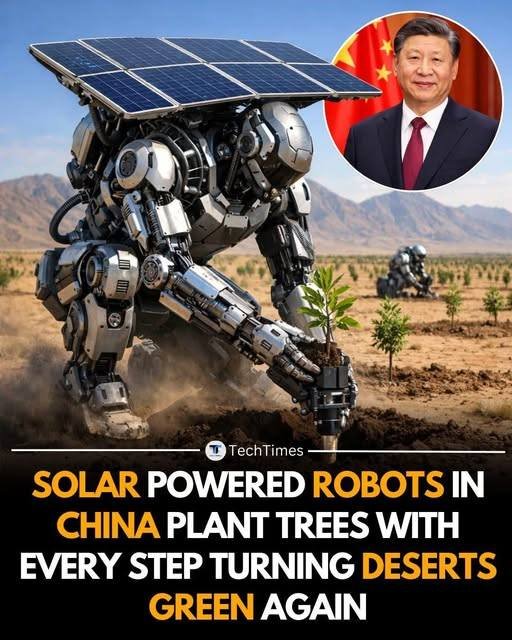
Chinese Solar Powered Robots For Planting Trees

China has begun deploying experimental solar-powered tree-planting robots in desert regions like Inner Mongolia to accelerate the battle against land degradation. These intelligent machines can dig holes, plant saplings, water roots, and cover the soil automatically, working far faster than traditional manual planting. Although still in early trial phases, this innovation represents a major shift toward technology-driven environmental restoration, supporting large-scale reforestation efforts and helping transform barren land back into living ecosystems.

A promising step forward in building a greener planet-powered by clean energy and smart engineering.

Read More

Author: Saikat Bhattacharya

Technology news General USA vs China 03-December-2025 by east is rising

World's First: Turkiye Drones Can Kill Aerial Target

Turkey’s unmanned drone fighter plane made history by shooting down another aircraft from far away without needing a human pilot inside.

The unmanned drone called Bayraktar Kizilelma destroyed a flying target using a long-range missile while being controlled remotely from the ground.

The test happened over the Black Sea with the robot plane flying alongside five regular F-16 fighter jets, showing how future air combat could work.

The Turkish drone is 47.5 feet long, can fly 575 miles away, reach near the speed of sound, and carry missiles to strike targets.

This is historic because everything used was made in Turkey, the radar, missile, and drone.

Read More

Author: Saikat Bhattacharya

Technology news General Unipolar vs Multi-polar 03-December-2025 by east is rising

তাইওয়ান আক্রমণকে মাথায় রেখে স্টারলিংকে সম্পূর্ণ অকেজো করার মহড়া চালালো চীন

From Facebook Page of Islam Insight 

২০২২ সালে রাশিয়ার ইউক্রেন আক্রমণের পর যুদ্ধক্ষেত্রে যোগাযোগ ধ্বংস করার প্রচেষ্টাকে ব্যর্থ করে দেয় Starlink। রুশ জ্যামিং প্রথমে আংশিক সফল হলেও SpaceX দ্রুত সফটওয়্যার আপডেট ও স্যাটেলাইট কনফিগারেশন বদলে জ্যামিংকে নিষ্ক্রিয় করে দেয়। সেই ঘটনার পর থেকেই চীনের সামরিক কৌশলবিদদের মধ্যে উদ্বেগ সৃষ্টি হয় তাইওয়ান সংঘাত হলে Starlink-এর মতো অভিযোজ্য স্যাটেলাইট নেটওয়ার্ককে কীভাবে নীরব করা সম্ভব?

এই প্রশ্নের উত্তর খুঁজতে Beijing Institute of Technology ও Zhejiang University যৌথভাবে Starlink ব্লকিংয়ের সবচেয়ে বিস্তারিত সিমুলেশন চালায়। গবেষণাটি দেখায়, Starlink এর নিম্ন-কক্ষপথ স্যাটেলাইটগুলো প্রতি মুহূর্তে অবস্থান ও ফ্রিকোয়েন্সি বদলায়, ফলে প্রচলিত জ্যামিং পদ্ধতি কার্যত অকার্যকর। কেবলমাত্র বিস্তৃত, আকাশভিত্তিক ইলেকট্রনিক শিল্ড Starlink কে বিপর্যস্ত করতে পারে।

পরীক্ষায় তারা একটি ভার্চুয়াল "জ্যামার ক্লাউড" তৈরি করে ৩ থেকে ৬ মাইল দূরত্বে সারিবদ্ধ উচ্চ-উচ্চতার ড্রোন, প্রতিটি শক্তিশালী ইলেকট্রনিক নয়েজ ছড়িয়ে।

একটি জ্যামার সর্বোচ্চ ৩৮.৫ বর্গকিলোমিটার এলাকা জুড়ে Starlink সংযোগ অকার্যকর করতে পারে।

হিসাব বলছে তাইওয়ান আচ্ছাদনের জন্য অন্তত ৯৩৫টি উচ্চ-ক্ষমতার ড্রোন, বা সাশ্রয়ী নিম্ন-ক্ষমতার ব্যবস্থায় প্রায় ২,০০০ ড্রোন দরকার হবে।

সিমুলেশনে Starlink-এর প্রকৃত কক্ষপথ ও সিগন্যাল ডাটা ব্যবহার করা হয় এবং গবেষকরা ১২ ঘণ্টা ধরে একটি পূর্ণ যুদ্ধ-পরিবেশ অনুকরণ করেন যার ফলাফল অনেক ভালো এসেছে।

তাদের ভাষায় "Starlink এর বাস্তব রেডিয়েশন ও সাপ্রেশন ডাটা হাতে এলে জ্যামিং কৌশল আরও নিখুঁত করা সম্ভব হবে।"

Read More

Author: Saikat Bhattacharya

Technology news General USA vs China 02-December-2025 by east is rising

Humanoid robots will take over factory jobs within 5 years & human workers will do creative things only: Xiaomi CEO

From: https://interestingengineering.com/ai-robotics/humanoid-robots-set-to-run-smart-factories?utm_source=facebook,twitter&utm_medium=social&fbclid=IwY2xjawOb4GFleHRuA2FlbQIxMABicmlkETFqc3VrczlaM2NPNmx0aFVTc3J0YwZhcHBfaWQQMjIyMDM5MTc4ODIwMDg5MgABHhcbdUsWslBtE1QR8sQhh1xXEamdATKpdLbd6SOu93iaoNGujqPKrPWsPem6_aem_VlpZiW-RkCJVUBb9W3wd7A

Xiaomi CEO Lei Jun has offered one of his strongest predictions yet about the future of manufacturing, telling Beijing Daily that the next five years will bring a major shift powered by artificial intelligence.

He said this change will not be gradual but rapid, with humanoid robots soon becoming central to how factories operate. These remarks coincide with China’s broader push for smarter, more advanced production systems as companies race to modernize aging industrial models.

Rapid automation is already taking hold

Lei highlighted the electric vehicle plant run by the tech giant as a clear sign of the transformation in progress. Large die-cast car parts usually require slow manual inspection, which often leads to mistakes.

He noted that no single company can build this market alone. Instead, he expects long-term growth to depend on partnerships and shared engineering platforms across the sector.

Robots set to enter Xiaomi’s factories

Looking ahead, he said Xiaomi will introduce humanoid robots across its production lines within five years. These robots will handle tasks now performed by workers, especially repetitive or precision-intensive steps that benefit most from automation.

According to the CEO, “And this is only the first step.” He expects domestic robots for households to become an even larger market. These home systems will require higher performance and face far more complex everyday activities than factory units.

He also said these upgrades free human workers to take on more advanced roles in planning, design, and engineering development. As humanoid robots take over physical labor, employees will shift toward tasks that require creativity and technical decision-making.

This aligns with China’s national roadmap for modernizing manufacturing using AI, robotics, and smart factory systems.

Beijing’s role in the next industrial upgrade

Lei also discussed the importance of Beijing in advancing intelligent manufacturing. He urged the city to avoid older methods that depend on low-cost labor.

Instead, he encouraged investment in next-generation systems that use automation and digital tools to strengthen industrial competitiveness. He said smart production is the key to Beijing securing long-term leadership in modern industry.

The tech firm’s strategy reflects this direction. The company is putting significant resources into AI development, robotics testing, and factory upgrades. Lei said the next five years will be decisive. Humanoid robots, inspection AI, and interconnected factory systems will become core parts of Xiaomi’s production network.

Read More

Author:

Technology news General Socialism Communism Xi Jinping Mao USSR China 02-December-2025 by east is rising

10G Internet Launched In China

China has launched its groundbreaking 10G ultra-fast broadband, delivering speeds 10 times faster than today’s regular gigabit networks. Users can now download a 4K movie in under 20 seconds — something that once felt impossible at home.

In a groundbreaking move for global digital infrastructure, China launched the world's first commercial 10G network in Sunan, Hebei Province. This ambitious project is the result of a collaboration between China Unicom and Huawei, a joint venture aimed at propelling China to the forefront of the international telecommunications landscape.

This next-gen network is already active in major tech hubs like Beijing, Shanghai, Shenzhen, and Hangzhou, supporting everything from AI computing and cloud gaming to smart cities and lightning-fast streaming.

With near-zero lag and the ability to connect thousands of devices at once, China is giving the world a first look at the future of digital connectivity — a shift set to transform how we live, work, and innovate online.

The new network boasts download speeds of up to 9,834 Mbps and upload speeds of approximately 1,008 Mbps, with a low latency of less than 3 milliseconds. These speeds, once almost unimaginable, are no longer just theoretical figures, but a tangible reality promising a radical change in how individuals and organizations use the internet.

What's remarkable is that this phenomenal speed doesn't require major infrastructure changes. The network relies on 50G PON technology, a passive optical network that doubles the data transmission speed of current fiber optics, making it more efficient and less expensive to scale up and deploy. Thus, access to applications that were until recently the preserve of advanced laboratories, such as virtual reality, remote surgery, 8K live streaming, and home and factory automation via the Internet of Things, is rapidly expanding.

To estimate the magnitude of this leap, consider a simple download: downloading a 20GB 4K movie, which previously took 7 to 10 minutes on a 1G network, now takes less than 20 seconds on the new 10G network. The difference isn't just in time, but in philosophy: the philosophy of moving from "waiting" to "instantaneity."

Read More

Author: Saikat Bhattacharya

Technology news General 02-December-2025 by east is rising

AI Studies Now Mandatory For Every Chinese Student

China plans to teach artificial intelligence in every school to build a skilled future workforce. Students will learn basic coding, data skills, and simple machine learning tasks. This move aims to prepare children for a tech driven economy. Researchers at Tsinghua University report that early exposure improves problem solving and digital readiness.

The curriculum expands nationwide as part of a long term strategy to strengthen innovation. Teachers receive new training programs and local labs develop age appropriate tools. Analysts say this shift will influence how fast the next generation adapts to advanced technology.

Read More

Author: Saikat Bhattacharya

Technology news General Socialism Communism Xi Jinping Mao USSR China 02-December-2025 by east is rising

চীনের কোয়ান্টাম রাডার : বিশ্বের ক্ষমতা ভারসাম্য বদলে দিগন্তের উন্মোচন

লিখেছেন সইস ইসলাম

চীনা বিজ্ঞানীরা যুগান্তকারী এক রাডার আবিস্কার করতে সক্ষম হয়েছেন। এটি কোয়ান্টাম টেকনোলজি নির্ভর একটি রাডার সিস্টেম যা ফোটন কণার সাথে সমগোত্রীয় ফোটন কণার সংযোগ ঘটানোর মাধ্যমে ১০০ কিলোমিটার দুরের কোনো স্টেল্থ বৈশিষ্ট্য ধারী চলমান বস্তু যেমন ফাইটার জেট, বোম্বার, ইউ এ ভি এমনকি মিসাইল সনাক্ত করতে সক্ষম হবে।

এই যুগান্তকারী আবিস্কারের ফলে এতো দিন আকাশে একচ্ছত্র আধিপত্য বিস্তার ও বজায় কারী লক হিড মার্টিনের এফ ২২ রেপ্টর, এফ ৩৫, বি টু বোম্বার্ডার যা যুক্তরাষ্ট্র ও ন্যাটো সামরিক বাহিনী ব্যবহার করে অথবা এস ইউ সিরিজের সুখাই ৫৭ ইত্যাদি কিংবা অন্যান্য সেমি স্টেল্থ ফাইটার ও একই বৈশিষ্ট্য ধারী ইউ এ ভি এখন এই চীন কোয়ান্টাম রাডার এর নজরে পতিত হবে।

এই প্রযুক্তিগত সামরিক ও নিরাপত্তা ইকুইপমেন্ট আবিস্কারের ঘটনা আবারও আঞ্চলিক ও বিশ্ব সামরিক ভারসাম্য ও নিরাপত্তা আউটলুকে ব্যপক সক্ষমতা কেন্দ্রীক ভারসাম্যে বৈষম্য সৃষ্টি করবে বলা যায়। চীন নিজের জন্য ও তার সামরিক ও বানিজ্যিক কৌশলগত পার্টনারদের জন্য এই রাডার সুবিধা অবারিত করলে প্রথমত দক্ষিণ ও দক্ষিণ পূর্ব থেকে তাইওয়ান প্রণালী এবং তার এক পাশে পশ্চিম এশিয়া, মধ্যপ্রাচ্য অন্যদিকে মধ্য এশিয়ার দেশগুলোকে নেট সিকিউরিটি প্রোভাইডার হিসেবে সরাসরি চীন না হলেও দেশটির এক নম্বর এলাই পাকিস্তানকে প্রতিষ্ঠিত করবে। এই ডেভেলপমেন্ট ভারত, তাইওয়ান এমনকি ইসরায়েলের accessibility to security nexus প্রক্রিয়াকে মারাত্মকভাবে ব্যাহত করে তুলবে।

উপরন্তু সংশ্লিষ্ট এলাকায় যুক্তরাষ্ট্রের নৌ ফ্লিট গুলোর অবস্থান ও গতিবিধি পর্যবেক্ষিত হওয়ার ঝুঁকি বিবেচনায় এই নম্বর ওয়ান সামরিক শক্তিধর দেশটিকে এর পুরো ডক্ট্রিন নতুন আদলে রিডাইরেক্ট করতে হবে। পাশাপাশি পাল্টা প্রযুক্তির উদ্ভাবনে একটা বড় অর্থ

বিনিয়োগের বিষয়টি তো বলার অপেক্ষা রাখে না।

বাংলাদেশ কে হয়তো অদূর ভবিষ্যতে এই কঠিন বাস্তবতার বিবেচনায় এর নিরাপত্তা আউটলুকে বেশ কিছু সংস্কার সাধন করতে হবে। পরিস্থিতিটা সেই দিকে যাচ্ছে যেমনটা হয়েছিল জোট নিরপেক্ষ আন্দোলন এর যবনিকা কালে। বরং এখন নির্ভেজাল মধ্য পন্থা অবলম্বনের স্পেস ক্রমশ সংকীর্ণ হয়ে যাচ্ছে তদস্থলে অনুপ্রবিষ্ট হচ্ছে, ন্যনো স্ট্র্যাটেজি। ন্যানো সেন্স

ডিপ্লোমেটিক এপ্রোচ। এটা বাইডেনের জমানায় আত্মপ্রকাশিত হয় যা সর্ব প্রথম শি জিন পিং আত্মস্থ করে এবং তড়িৎ গতিতে তাঁর আঞ্চলিক এমনকি বিশ্ব আউটলুকে সন্নিবেশিত করেন। এই বিদ্যা চীনের প্রধান শিষ্য পাকিস্তান অতি দক্ষতার সহিত রপ্ত করে এবং তা প্রয়োগে নিয়োজিত হয়। এর ফলাফল আসে আশাতীত মাত্রায়। ইরানের সাথে ঘনিষ্ঠ মিত্রতা এবং অপারেশন সিঁদুরে অভাবনীয় সাফল্য প্রদর্শনের পর খোদ ট্রাম্পের

নেক নজরে আসা। ব্যক্তিগত পর্যায়ে পছন্দ প্রকাশ করা এবং নোবেল শান্তি পুরস্কারের জন্য ট্রাম্প এর নাম প্রস্তাব করার মধ্য দিয়ে এই নব ডিপ্লোম্যাসি একটা পরিনতির বার্তা প্রদান করে। গভীর ভাবে পর্যবেক্ষণ করলে অনুধাবন করা যায় এর পিছনে শি জিন পিং এর ছায়ার উপস্থিতি। একটি রাডার আবিস্কারের ঘটনা এমন কোনো বড় আকারের পরিবর্তনের কারণ হতে পারে না। হয় নি। কিন্তু এই রাডার আবিস্কার শুধু কোনো যন্ত্র তৈরির কাহিনি নয়। বরং বিশ্বের ক্ষমতা ভারসাম্য বদলের সুস্পষ্ট এক দিগন্তের উন্মোচন।

Read More

Author: Saikat Bhattacharya

Technology news General USA vs China 29-November-2025 by east is rising
China's Submarine Hunting Autonomous Drones Wing Loong X

China has officially unveiled its newest large autonomous drone, the Wing Loong X, at the Dubai Airshow 2025. Although it looks similar to earlier Wing Loong models, this version is reported to be the first UAV in the world capable of fully independent anti-submarine warfare (ASW).

If confirmed, this would be a major breakthrough. Anti-submarine missions are considered the most complex and demanding tasks in maritime aviation. The Wing Loong X is also massive, with a wingspan of more than 65.6 feet (20 meters) — about the size of a small business jet.

The drone can fly for up to 40 hours without interruption and reach a ceiling of 32,808 feet (10,000 meters). This allows it to stay over key maritime chokepoints for nearly two days, constantly monitoring the waters below for submarine activity.

This endurance is something manned aircraft like the U.S. Navy’s P-8 Poseidon cannot achieve due to crew fatigue and high operational costs. One of the drone’s key features is its ability to deploy sonobuoys — small floating sensors that listen underwater for submarines.

Traditionally, only manned aircraft could drop these devices, which are used to analyze underwater sound and guide ships or helicopters toward potential submarine threats.

Read More

Author: Saikat Bhattacharya

Technology news General world order 25-November-2025 by east is rising

CHINA BUILDS THE WORLD’S BIGGEST ARTIFICIAL ISLAND AIRPORT

China is constructing what will become the largest artificial-island airport on earth, engineered to handle a massive 80 million passengers a year.

The project sits on a newly reclaimed island, built from thousands of tons of reinforced seawalls, steel foundations, and layered sand beds rising from the ocean.

Designed as a major gateway between east asia, southeast asia, and global markets, the airport will feature next-gen terminals, sea-bridges, and trade hubs built directly into the island.

As global air traffic surges and china expands its maritime routes, this mega-airport aims to become a central connector for tourism, logistics, and international commerce.

It’s one of the biggest infrastructure undertakings on the planet — a symbol of how china builds not just for today, but for decades ahead.

South China Morning Post: 

"China is building a mega science infrastructure that could add fuel to the global maritime power race: a floating artificial island engineered to withstand nuclear blasts. This 78,000-tonne, semi-submersible twin-hull platform is the world’s first mobile, self-sustaining artificial island.

With a displacement rivalling the People’s Liberation Army Navy’s new Fujian aircraft carrier and the capacity to house 238 occupants for four months without resupply, the facility will be able to project unprecedented power across contested oceans when it enters service in 2028.

But beneath its scientific veneer lies a rare nuclear-blast-resistant design that uses “metamaterial” sandwich panels to turn catastrophic shocks into gentle squeezes, according to scientists involved in this project."

Read More

Author: Saikat Bhattacharya

Technology news General USA vs China 22-November-2025 by east is rising
চীনের মোবাইল ফোনের স্যাটেলাইট নেভিগেশন ম্যাপ গুগল ম্যাপের চেয়ে অনেক বেশি উন্নত

চায়নাতে চাইনিজরা গুগল ম্যাপ ব্যবহার করে না। এই বিষয়টা প্রথমে অবাক করার মতো শোনালেও আসলে কারণ একেবারেই যৌক্তিক।

চীনের নিজস্ব ন্যাভিগেশন অ্যাপগুলো এতটাই উন্নত এবং নির্ভুল যে গুগল ম্যাপের প্রয়োজন প্রায় থাকেই না। সেখানে মূলত ব্যবহৃত হয় Amap (Gaode) এবং Baidu Maps, আর গাড়ি ডাকতে আছে Didi অ্যাপ।

এই অ্যাপগুলো শুধু সাধারণ ম্যাপ না, বরং পুরোপুরি একটি স্মার্ট ন্যাভিগেশন সিস্টেম। থ্রিডি ভিউ এত স্পষ্ট যে ফ্লাই ওভার, আন্ডারপাস বা পাশের রোড ইত্যাদি কোন পথে যেতে হবে তা চোখের সামনে বাস্তবের মতো ফুটে ওঠে।

গাড়ি কোন লেনে আছে এবং কোন লেনে থাকা উচিত, সেটাও নিখুঁতভাবে নির্দেশ করে। টানেলে ঢোকা, ফ্লাইওভার ক্রস করা এক কথায় সবকিছুই রিয়েল টাইমে ম্যাপে দেখা যায়।

সবচেয়ে চমকপ্রদ বিষয় হলো, এই ম্যাপগুলো ট্রাফিক সিগনালের এক্স্যাক্ট কাউন্ট ডাউন পর্যন্ত দেখায়, এবং সেটা বাস্তব সিগনালের সাথে পারফেক্টলি মিলেও যায়।

নেভিগেশন নির্দেশনাগুলো এত পরিষ্কার এবং ডিটেইলড যে ভুল করার সুযোগই থাকে না। তাই প্রশ্নটা “ওরা কেনো গুগল ম্যাপ ইউজ করে না?” না হয়ে বরং “ওদের এমন সিস্টেম থাকলে গুগল ম্যাপ ইউজ করার দরকারই বা কী?” এইটা হওয়াই স্বাভাবিক।

© মাহবুব আফরোজ

Read More

Author: Saikat Bhattacharya

Technology news General USA vs China 20-November-2025 by east is rising

China's Quantum Radar To Make Invisible Aircraft Visible

China’s latest quantum radar breakthrough could reshape the future of global defense. Unlike conventional radar that uses radio waves, this new system operates with entangled photons — pairs of particles that stay connected even when separated by great distances. When one photon interacts with a stealth aircraft, its partner instantly reflects the change, allowing detection even against radar-absorbing materials.

Early reports claim the prototype can identify targets over 100 kilometers away, and its quantum illumination makes it far harder to jam or deceive compared to traditional radar.

If these results hold up outside the lab, quantum radar could undermine the stealth advantage of elite aircraft like the F-22, F-35, and B-2, launching a new era of quantum-driven warfare.

Beyond military use, scientists are exploring how similar quantum methods could enhance climate tracking, space missions, and even medical imaging — proving that one defense innovation could have sweeping impacts across science and technology.

Read More

Author: Saikat Bhattacharya

Technology news General USA vs China 17-November-2025 by east is rising

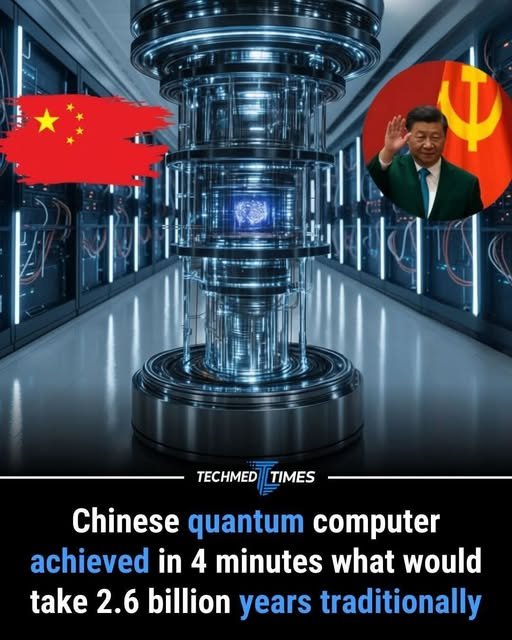
China Develops Quantum Computer With Highest Speed

China has just pushed humanity into a new era of computation. In a breakthrough that stunned global scientists, a Chinese quantum computer completed a task that would take today’s fastest classical supercomputers 2.6 billion years — and it did it in mere minutes. This machine doesn’t think in bits, but in qubits: particles that exist in multiple states at once, allowing trillions of calculations to unfold simultaneously instead of one-by-one like traditional processors. The result is processing power so extreme that it effectively breaks every speed limit we’ve ever known in computing.

This achievement marks a historic turning point. With quantum capability at this scale, we could simulate new drugs atom-by-atom, design unbreakable materials, optimize global power grids, unravel the physics of the early universe, or crack encryption that protects the entire internet.

What China demonstrated isn’t just faster computing — it’s a new computational dimension. Scientists are calling it the moment quantum computing stepped out of the theoretical world and into reality, reshaping the future of science, security, and technology in one leap.

Read More

Author: Saikat Bhattacharya

Technology news General 17-November-2025 by east is rising

China Moving Towards Robot Led Production & Automation

China Produced More Robots in 9 Months Than All of 2024!

The global push for Automation has just hit hyperdrive! In a clear sign of accelerating Digital Transformation, China produced an astounding 595,000 industrial robots and 13.5 million service robots in the first nine months of 2025—figures that officially surpassed the total output for the entire year of 2024 in both categories! 

This explosive growth is being fueled by huge Technology Investment in sectors like Automotive, Electronics, and New Energy. The production surge is solidifying China’s position as the world's largest manufacturer and user of Robotics, with robot density in factories more than doubling since 2020.

As manufacturers embrace AI and automation to solve labor shortages and boost efficiency, this wave is fundamentally reshaping the global Manufacturing landscape and pushing the boundaries of Embodied Intelligence.

Read More

Author: Saikat Bhattacharya

Technology news General Socialism Communism Xi Jinping Mao USSR China 17-November-2025 by east is rising
Chinese Scientists Can Raise Life Span Of Humans By 150 Years

Scientists have been researching how to slow aging for years, and one of the most talked-about advances comes from studies conducted in China. Researchers identified a natural compound in grape seeds called Procyanidin C1, known as PCC1, which showed promising effects in aging mice.

In experiments published in the journal Nature Metabolism, this compound helped eliminate senescent cells, which are aged cells that stop functioning properly and contribute to the body's deterioration. By reducing their presence, the mice maintained better mobility and lived slightly longer than usual.

Based on these results, the Chinese company Lonvi Biosciences is developing a pill based on PCC1. The company claims its goal is to create a treatment that promotes longevity, even up to 150 years; however, independent experts caution that, for now, everything is in an experimental phase. Although the animal studies are encouraging, there are no human clinical trials demonstrating that this compound can significantly extend human lifespan.

Source:

- "The flavonoid procyanidin C1 has senotherapeutic activity and increases lifespan in mice", Nature Metabolism, DOI:10.1038/s42255-021-00491-8

Read More

Author: Saikat Bhattacharya

Technology news General 17-November-2025 by east is rising

চীনের ‘রোবট সেনা’ মোতায়েন শুরু

IBN News 
শেনজেন-ভিত্তিক ইউবিটেক রোবোটিকস (UBTECH Robotics) বিশ্বের প্রথম “ম্যাস ডেলিভারি” ঘোষণা করেছে শিল্প-মানবাকৃতি রোবটের। ইতিমধ্যে শত শত ওয়াকার এস-টু (Walker S2) ইউনিট কারখানা থেকে উৎপাদিত হয়েছে।

সুত্রের বরাত, প্রথম ব্যাচগুলো সরাসরি যাচ্ছে BYD, Geely, FAW-Volkswagen, Dongfeng, Foxconn-এর মতো শিল্প-দানবদের কাছে। এখানে রোবটগুলো ম্যানুফ্যাকচারিং ও লজিস্টিকসে কাজ করবে, যেখানে ২৪ ঘণ্টা অবিরাম কাজ অপরিহার্য।

Read More

Author: Saikat Bhattacharya

Technology news General Socialism Communism Xi Jinping Mao USSR China 17-November-2025 by east is rising
UK Scientists Reversed Aging Of Human Cells

In a world-first scientific breakthrough, researchers from Cambridge University have successfully reversed the biological age of human skin cells — turning 53-year-old cells into the equivalent of 23-year-old cells within just four weeks. Using a refined version of Yamanaka factors, the same gene-editing technique that won the 2012 Nobel Prize, scientists reprogrammed the cells’ epigenetic markers — the chemical switches that control how DNA behaves — without erasing their identity or turning them into stem cells. This delicate balance allowed the rejuvenated cells to remain functional while regaining youthful performance.

Results that stunned the scientific community:

- DNA age reduced by over 30 years — confirmed through methylation analysis

- Collagen production and wound healing boosted by more than 300%

- Mitochondrial energy levels restored to youthful efficiency

- Potential to treat aging-related diseases like Alzheimer’s, heart disease, and arthritis

Researchers emphasize this isn’t science fiction — it’s reprogrammed biology. Clinical trials for skin rejuvenation treatments are expected by late 2025, with the long-term vision of applying the technique to entire organs and tissues. This could redefine aging from an inevitable decline into a reversible condition.

Read More

Author: Saikat Bhattacharya

Technology news General 13-November-2025 by east is rising

Robots Are Walking Like Humans In China

From Facebook Page of Technology Innovation

At the 2025 AI Day in Guangzhou, Chinese company XPeng unveiled its second-generation humanoid robot, IRON.

The robot went viral after people mistook it for a human because of its lifelike walk. To prove it was real, XPeng’s CEO He Xiaopeng posted an unedited video showing its robotic leg, then cut it open live on stage.

Standing 5 feet 10 inches (178 cm) tall and weighing 154 pounds (70 kg), IRON can walk, talk, and interact with people in real time.

IRON uses synthetic muscle fibers that stretch and contract naturally. With 62 active joints, it can shrug, twist, and balance even on uneven ground.

The robot uses a lightweight solid-state battery that’s safe and long-lasting. With power to handle 2,250 trillion operations per second, it can instantly process sights and sounds, answer questions, fold laundry, or assist customers.

IRON can walk at 2 meters per second, smoothly avoiding obstacles. It learned to walk by studying thousands of hours of real human movement rather than using preset rules.

XPeng plans to first deploy IRON in retail spaces, where it will greet customers and display products before expanding into reception and sales roles.

Read More

Author: Saikat Bhattacharya

Technology news General 09-November-2025 by east is rising
চীনা বিজ্ঞানীরা লবণাক্ত মাটিতে এবং সমুদ্রের পানিতে জন্মায় এমন এক নতুন ধরনের চাল তৈরি করেছেন

চীনা বিজ্ঞানীরা লবণাক্ত সমুদ্রের পানিতে জন্মে এমন এক নতুন ধরনের চাল তৈরি করেছেন। কিংদাও লবণ-ক্ষার-সহিষ্ণু ধান গবেষণা ও উন্নয়ন কেন্দ্রের গবেষকদের নেতৃত্বে এই প্রকল্প ভবিষ্যতের খাদ্য সংকট সমাধানে সহায়তা করতে পারে। এই "সামুদ্রিক লবণাক্ত জল-সহিষ্ণু ধান" এমন জমিতে জন্মে যা এক সময় উচ্চ লবণের মাত্রার কারণে চাষের অনুপযোগী ছিল। বিশেষজ্ঞদের ধারণা, চীনের উপকূলীয় লবণাক্ত জমির একটি ছোট অংশও যদি এই ধান দিয়ে চাষ করা হয়, তবে ২০৩০ সালের মধ্যে এটি প্রায় ২০০ মিলিয়ন মানুষকে খাওয়াতে সক্ষম হবে। জলবায়ু পরিবর্তন ও মাটির অবনতির কারণে যখন মিঠাপানির কৃষিজমি হ্রাস পাচ্ছে, তখন এই সাফল্য বৈশ্বিক খাদ্য নিরাপত্তাকে শক্তিশালী করছে।

Read More

Author: Saikat Bhattacharya

Technology news General 07-November-2025 by east is rising
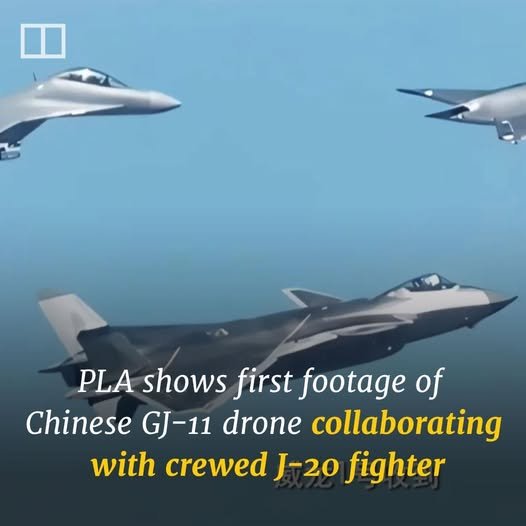
China’s sixth-generation fighter jets, the J-36 and J-50 spotted at the same secret airbase in Lop Nur

China’s sixth-generation fighter jets, the J-36 and J-50, have been spotted for the first time at the same secret airbase in Lop Nur, Xinjiang. This is the first time the two aircraft have been seen in the same location, and the first time they have been seen outside their manufacturers’ factories — marking the next stage in their development process.

China is currently leading the world in the development of sixth-generation fighter jets. Its two parallel programs — the J-36 and the J-50 — are so different that it is speculated that both will enter service with different roles.

J-36: Designed for long-range deep-sea strikes.

J-50: A conventional frontline sixth-generation fighter jet, small enough to be used on ships.

Both aircraft feature all-aspect stealth and broadband stealth technology, and are capable of networking with unmanned drones.

According to recent news, China has also made significant progress in the development of variable cycle engines, making it almost certain that Chinese sixth-generation aircraft will enter service by 2030.

On the other hand, the United States plans to conduct the first test flight of its F-47 aircraft in 2028.

Read More

Author: Saikat Bhattacharya

Technology news General 07-November-2025 by east is rising

China's Space Station Produces Oxygen & Rocket Fuel

Taken from Facebook Page of Engineering Facts:

China just made a major leap in space sustainability — its Tiangong Space Station has successfully produced oxygen and rocket fuel directly in space, marking a world-first achievement that could redefine future space missions. Using a process called electrolysis, Chinese scientists converted carbon dioxide (CO₂) exhaled by astronauts and water collected from the station into oxygen for breathing and methane-based rocket fuel for propulsion. This closed-loop life-support system means astronauts can stay in orbit longer without relying on Earth for resupply — a critical step toward deep-space exploration and long-term missions to the Moon and Mars.

The experiment also demonstrated that the system can run continuously in microgravity with minimal energy loss — a challenge that space agencies like NASA and ESA have struggled to overcome. With this success, China’s Tiangong station isn’t just orbiting Earth — it’s laying the foundation for self-sustaining human habitats in space.

China taking over space: https://engineerine.com/artificial-photosynthesis-in-orbit/

Read More

Author:

Technology news General Socialism Communism Xi Jinping Mao USSR China 05-November-2025 by east is rising

কক্ষপথে কারখানার নকশা তৈরি করেছে চীন

নভেম্বর ৪, সিএমজি বাংলা ডেস্ক: কক্ষপথে বিশেষায়িত কারখানা গড়ে তোলার লক্ষ্যে চীনা বিজ্ঞানীদের একটি দল অভিনব এক মহাকাশ ম্যানুফ্যাকচারিং প্ল্যাটফর্ম মডিউলের পরীক্ষা সম্পন্ন করেছেন।

সোমবার চীনের বিজ্ঞান একাডেমি (সিএএস) জানিয়েছে, যুগান্তকারী মডিউলটি ভাঁজ করা অবস্থায় উৎক্ষেপণ করা যাবে এবং কক্ষপথে গিয়ে এটি স্ফীত হয়ে নলাকার কাঠামোয় রূপ নেবে।

পরীক্ষামূলক ছবিতে দেখা গেছে, প্রসারিত মডিউলটি দুই মিটার ব্যাসের একটি নলাকার কাঠামোয় রূপ নিয়েছে।

গবেষকরা বলছেন, এই প্রসারণযোগ্য কাঠামোই ভবিষ্যতে মহাকাশভিত্তিক জৈব-ওষুধ, থ্রিডি প্রিন্টিং ও নানা ধরনের উপকরণ তৈরির কারখানা হিসেবে কাজ করবে।

চীনের এই প্রযুক্তি মহাকাশে পণ্য উৎপাদনের ধারণাকে বাস্তবের দিকে নিয়ে যাবে বলে জানিয়েছেন সিএএস-এর ইনস্টিটিউট অব মেকানিক্সের প্রকল্প প্রধান ইয়াং ইয়িছিয়াং।

ভবিষ্যতে মহাকাশ সম্পদের ব্যবহার আরও সহজলভ্য হওয়ার কথাও জানান তিনি।

ফয়সল/শুভ

তথ্য ও ছবি: সিজিটিএন

Read More

Author: Saikat Bhattacharya

Technology news General 05-November-2025 by east is rising

A Photon Can Exist In 37 Quantum Dimensions

Researchers have achieved a groundbreaking feat in quantum physics: a single photon has been manipulated to exist in 37 simultaneous quantum dimensions. Unlike spatial dimensions, these represent informational states, vastly expanding the capacity for data encoding.

Using GHZ entanglement, the team controlled the photon’s color and phase across all 37 modes. Each mode carries hidden layers of information, enabling unprecedented data density for quantum communication networks and computation.

This breakthrough not only advances technology potentially leading to unhackable networks and super-powerful quantum computers but also challenges our understanding of reality itself, hinting at a multi-layered, programmable quantum universe.

Read More

Author: Saikat Bhattacharya

Technology news General 01-November-2025 by east is rising

Nuclear Radiation Eating Fungus- Cladosporium sphaerospermum

Source: Only Engineers Can Understand (Facebook Page)

This Fungus Eats Radiation — And Scientists Are Taking Notes.

Inside the radioactive ruins of Chernobyl, researchers found a strange black fungus that doesn’t just resist radiation — it thrives on it.

The fungus, Cladosporium sphaerospermum, produces high levels of melanin, the same pigment in human skin — but here, it acts like a biological solar panel, soaking up ionizing radiation and converting it into chemical energy.

Scientists call this survival trick radiosynthesis, a process similar to photosynthesis but powered by radiation instead of sunlight. 

First discovered in 1991 and studied extensively since 2007, this radiation-loving fungus was even sent to the International Space Station — where it grew rapidly and showed promise as a natural radiation shield for astronauts.

From cleaning up nuclear waste sites on Earth to protecting future Mars explorers, this tiny organism may hold the key to surviving in the most hostile environments known to man.

What started as a weird survivor in the Chernobyl Exclusion Zone… may soon help us thrive in space.

Read More

Author: Saikat Bhattacharya

Technology news General 31-October-2025 by east is rising
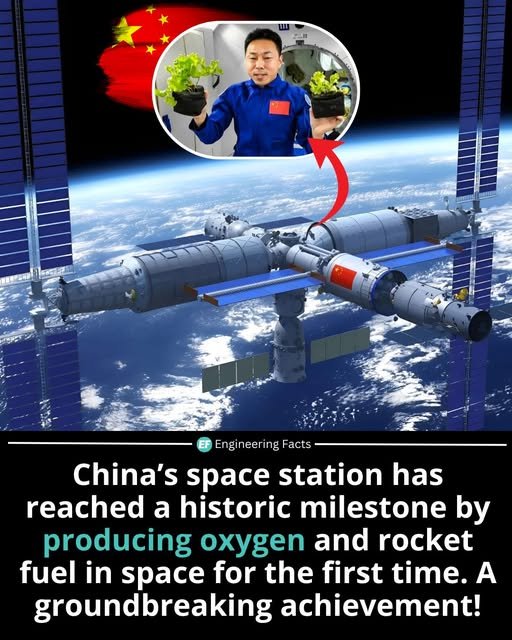
Optical Chip To Place Computers Beyond Imagination

Engineering & Science
In a groundbreaking leap for artificial intelligence, big data analytics, and next-generation supercomputing, Chinese researchers have unveiled the world’s first ultra-highly parallel optical computing chip, known as the “Meteor-1.” Developed by the Shanghai Institute of Optics and Fine Mechanics (SIOM) under the Chinese Academy of Sciences, this revolutionary chip can perform 100 simultaneous wavelength-based operations, representing a monumental advancement in AI acceleration, cloud computing, and high-performance data processing. Unlike traditional silicon-based processors, Meteor-1 harnesses the power of light waves using soliton microcombs and a Mach–Zehnder interferometer (MZI) mesh, enabling massively parallel computing at unprecedented speeds while dramatically reducing power consumption. This breakthrough is being hailed as a game-changer for deep learning, neural networks, big data, cloud infrastructure, and quantum-inspired computing, positioning China at the forefront of semiconductor innovation and future computing technologies.


Read More

Author: Saikat Bhattacharya

Technology news General 19-October-2025 by east is rising

This is a big deal: China is challenging Microsoft's global monopoly with WPS Office

The US government has been so arrogant in its trade war on China (under both Trump and Biden), that it didn't realize China has much more leverage.

This is another example: China is now transitioning away from Microsoft Windows software, which is still ubiquitous in China and is used on many government computers.

China’s Ministry of Commerce has stopped using Microsoft Word and is instead using WPS Office, the Chinese alternative to Microsoft Office, developed by Beijing-based company Kingsoft. More ministries are expected to do the same soon.

This comes after China banned government workers from using iPhones.

Huawei has also developed its own operating system, HarmonyOS, challenging Microsoft Windows, Apple's macOS and iOS, and Google-linked Android.

China is defending its digital sovereignty.

One of the main goals of the US empire is to maintain a global monopoly for its Big Tech companies, so every other country is dependent on US technology, meaning US corporations can extract monopoly rents to further enrich their wealthy shareholders.

China is the only country able to challenge them, and it is doing so more and more every day.

This is a key reason for the extreme anger and fear in Washington, Silicon Valley, and Wall Street.

Read More

Author: Saikat Bhattacharya

Technology news General USA vs China 17-October-2025 by east is rising

World's First 20-Story Robotic Vertical Farm In China

China has made a significant breakthrough in vertical farming by launching its first autonomous vegetable factory in Chengdu, the capital of Sichuan Province. This 20-story indoor farm is currently the tallest and most advanced vertical farm in the world, showcasing how technology can reshape modern agriculture.

Vertical farming is increasingly seen as the future of food production because it allows crops to be grown in stacked trays, saving valuable land for other human activities. The Chengdu farm incorporates industry-leading autonomous technology, as noted by Gan Bingcheng, deputy head of the research institution responsible for the project. Its design includes large vertical shelves and hundreds of LED light arrays, creating an environment where each plant receives conditions tailored to its growth—almost like a 20-story apartment building for vegetables.

One major challenge of vertical farming has been efficiency. Unlike traditional horizontal farms, where plants receive uniform sunlight and water, compact vertical farms often face difficulties in ensuring every plant gets optimal growth conditions. The team at the Institute of Urban Agriculture (IUA), under the Chinese Academy of Agricultural Sciences (CAAS), addressed this by integrating AI-driven robotics.

This system precisely controls light, water, and nutrients, allowing the farm to grow and harvest crops, such as lettuce, in just 35 days.

China’s autonomous vertical farm demonstrates how advanced technology, automation, and intelligent systems can improve agricultural productivity, conserve land, and support sustainable food production.

Read More

Author: Saikat Bhattacharya

Technology news General 17-October-2025 by east is rising

South China Morning Post News: China proposes global drive to build AI-powered satellite mega network for all

China proposes global drive to build AI-powered satellite mega network for all. Instead of separate projects by companies and governments to build their own constellations, China envisions a common infrastructure network of about 48,000 multifunctional, AI-driven satellites, coordinated through a shared orbital cloud system.

  •  
Read More

Author: Saikat Bhattacharya

Technology news General USA vs China 08-October-2025 by east is rising

China Is Launching A Train Faster Than A Plane

China has once again pushed the boundaries of transportation by unveiling a maglev (magnetic levitation) train that can reach speeds of up to 600 km/h (373 mph)—making it the fastest train in the world and even faster than some commercial airplanes during takeoff and landing. Developed by CRRC Qingdao Sifang, this engineering marvel was officially launched in July 2021, showcasing China’s dominance in next-generation rail technology.

Unlike conventional trains, maglev trains float above the tracks using electromagnetic force, drastically reducing friction and enabling ultra-high speeds with minimal noise and wear. A journey between major cities like Shanghai and Beijing, which currently takes 4.5 hours by high-speed rail, could be reduced to just 2.5 hours using this new maglev system.

This breakthrough aligns with China’s ambitious plans to build a more efficient, low-emission transport network. It’s not just about speed—it’s a leap toward the future of sustainable high-speed mobility and a clear signal of China’s technological momentum on the global stage.

Read More

Author: Saikat Bhattacharya

Technology news General 08-October-2025 by east is rising

China has now cured both Type I & Type II Diabetes

China had already come up with cure of Type II diabetes. https://www.eastisrising.in/view-news/457
Now China has brought cure for both Type I and Type II diabetes.

A historic medical breakthrough has been achieved in China where researchers have successfully reversed both Type 1 and Type 2 diabetes in humans using stem cell therapy. This is the first time in history that such results have been documented, bringing new hope to millions of people worldwide who live with this chronic disease.

Diabetes is caused by the body’s inability to produce or properly use insulin, leading to dangerously high blo@d sugar levels. In Type 1 diabetes, the immune system destroys insulin producing cells, while in Type 2 diabetes, the body becomes resistant to insulin over time. Traditional treatments involve lifelong medication, insulin injections, and strict lifestyle changes, but none of these approaches provide a permanent cure.

Stem cell therapy offers a different path. By reprogramming stem cells into insulin producing cells, doctors can replace or repair the damaged systems within the pancreas. In recent clinical trials, Chinese scientists demonstrated that this technique restored natural insulin production and stabilized blood sugar levels in patients with both forms of diabetes.

Although these results are groundbreaking, experts stress that larger trials and long term monitoring are needed before this therapy becomes widely available. Safety, scalability, and affordability will be critical factors in determining its future use.

Still, the achievement marks a turning point in the global fight against diabetes. What was once considered an incurable lifelong disease may now have a path toward reversal, reshaping the future of healthcare for millions.

Fcebook Page Mind Mirror 

Read More

Author: Saikat Bhattacharya

Technology news General 24-September-2025 by east is rising

14 AI Doctors Diagnosing Patients in Seconds: Only In China

China has opened the world’s first AI hospital, powered by 14 AI “doctors” capable of diagnosing patients in seconds. Trained on millions of medical records, these AI systems can identify diseases like cancer, stroke, and infections with high accuracy.

Patients interact with AI doctors through digital kiosks, which collect symptoms, run instant analysis, and suggest treatment or refer to human doctors for complex cases. This drastically reduces waiting times and helps underserved communities with limited medical staff.

While some fear AI may replace human doctors, experts emphasize that it will instead handle routine tasks, freeing doctors to focus on critical care. If proven successful, such systems could expand globally, making healthcare faster and more affordable.

It’s a step toward AI-driven healthcare that could save millions of lives.

Facebook Page Unbox Factory 

Read More

Author: Saikat Bhattacharya

Technology news General 24-September-2025 by east is rising
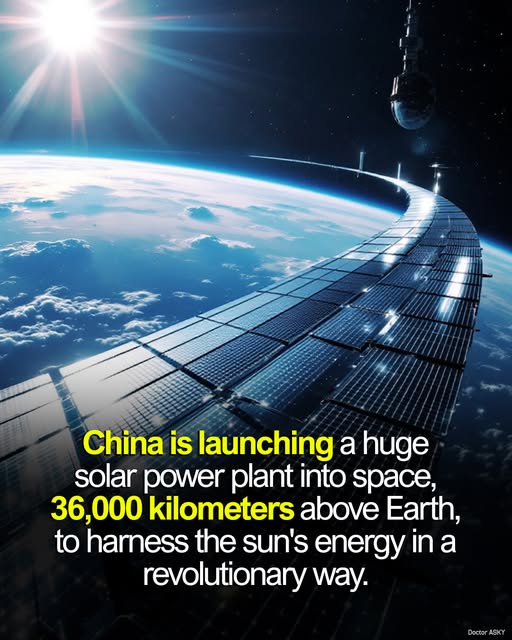
Chinese Socialism Favors Scale Over Profit, State & Consumer Over Financial Investors: Says Western Venture Capitalists After Vising China

BLOOMBERG With assistance from Winnie Zhu and David Stringer "China Road Trip Exposes List of Uninvestable Assets in the West"

Venture capitalists from Western firms have visited China and seen firsthand the country's dominance in clean tech sectors such as batteries and energy.

The VCs say China's advances have made it difficult for Western startups to compete, and some have decided to halt investments in certain sectors or look for ways to collaborate with Chinese firms.

China's dominance in clean tech is attributed to its prioritization of energy security, willingness to let companies fail, and ability to rapidly onshore entire supply chains, making it challenging for Western companies to catch up.

Venture capitalists in clean tech are starting to say out loud what they’ve suspected for a while: China’s dominance has left key sectors in the West uninvestable.

A group of eight VCs from Western firms agreed to share with Bloomberg the details of a July road trip across China during which they visited factories, spoke with startup investors, and interviewed founders of companies.

They knew China had raced ahead in sectors like batteries and “everything around energy,” but seeing how big the gap was firsthand left them wondering how European and North American competitors can even survive, says Talia Rafaeli, a former investment banker at both Goldman Sachs Group Inc. and Barclays Plc who’s now a partner at Kompas VC.

“Everyone needs to take this kind of trip,” she said.

As financial professionals prepare to gather in New York for the city’s annual climate week, they’ll need to address the reality that China — the world’s largest source of carbon emissions — is now the strongest motor guiding the planet to a low-carbon future. While US President Donald Trump axes the green policies of his predecessor and Europe gets caught up in a regulatory stalemate, China is quietly making a number of transition sectors impenetrable to Western startups.

The VCs Bloomberg interviewed don’t have mandates to invest in China directly. Instead, their goal is to avoid allocating funds to Western startups that can’t compete with Chinese peers. They plan to use climate week in New York to talk about little else.

Planet A Ventures, a Berlin-based VC, has decided that investments in Western startups spanning battery manufacturing and recycling, electrolysers, solar and hardware for wind are no longer viable, says Nick de la Forge, general partner and co-founder of the firm. He says before the trip he’d suspected China was way ahead; but after going there, those sectors are now “strictly off the list.”

Yair Reem, a partner at Extantia Capital, says the trip has already led his firm to halt investments in Western battery cell manufacturers. Instead, they’ll look for ways to collaborate with Chinese firms across supply chains. When it comes to battery manufacturing in the West, China’s dominance means it’s now “game over,” according to Reem.

Ashwin Shashindranath, a former Macquarie Group managing director who’s now a partner at Energy Impact Partners, says what he saw on the trip made it “very clear” that Western investors live “in a bubble” in their misconceptions about China.

Al Gore, the chairman of Generation Investment Management and former US vice president, says China’s supremacy in the energy transition is now leading “many nations” to consider closer ties with the country. He describes America’s retreat from transition technologies as a “tragedy.”

China manufactures about 80% of the world’s solar panels, supplies some 60% of the planet’s wind turbines, 70% of its EVs and 75% of batteries, all at a lower financial cost than the West.

What’s more, China’s share of global clean energy patents stands at around 75%, while the country dominates the supply chain for the critical minerals that underpin many green technologies.

Irena Spazzapan, a former Goldman Sachs commodities executive who now runs Systemiq Capital, says China’s advances in renewables are all down to its ultimate goal of energy independence. The country “has prioritized energy security above all else,” she says.

For now, China remains the world’s largest consumer and producer of coal, and Western politicians have accused it of winning the clean-tech race at the cost of environmental and human rights protections.

Miranda Schreurs, chair of climate and environmental policy at the Bavarian School of Public Policy, says “there are certainly reasons to be concerned.” Yet the reality is that China is “jumping into the vacuum left by the United States with its rejection of climate science and international development assistance.”

Global clean-tech dominance hasn’t necessarily meant profits for Chinese firms. Beijing has been phasing out subsidies such as the feed-in tariffs that had guaranteed high prices for renewable power. That’s as over-production has driven down prices to near break-even levels.

Spazzapan from Systemiq says shareholder interests in China “have been largely disregarded, with chronic overcapacity and relentless price wars eroding company equity.”

It’s a system that favors “scale over profitability,” she says.

For companies and investors caught in the fray, it’s been “total misery,” says Dan Wang, research fellow at Stanford University’s Hoover History Lab and the author of Breakneck. China’s model relies on “a lot of state power, a lot of consumer power, but not very much financial investor benefit,” he says.

China’s willingness to let companies fail in droves creates “real social costs,” says Gernot Wagner, a climate economist at Columbia Business School. “But it works to create global champions that dominate the market.”

De la Forge at Planet A Ventures says seeing how far China takes corporate Darwinism was a “revelation.” Only “the strongest players survive.”

Meanwhile, the VCs were able to see up close how China is rapidly onshoring entire supply chains.

Gang Lin, the founder and chief executive of Marvel-Tech Ltd., a Shanghai-based developer of technology for zero-emissions power generation, says he’s been able to find local suppliers at every turn, with many willing to adapt their own manufacturing processes to help.

The company, which has existed for roughly a decade, is developing a tri-fuel gas turbine capable of burning hydrogen, ammonia and natural gas.

Many of the companies the VCs visited are now looking to escape China’s price wars by ramping up exports.

GCL Perovskite, part of the GCL Group and with investors including Sequoia China and Temasek, makes next-generation solar modules. The company is working on being “globalized as soon as possible,” says Chairman Fan Bin.

Another takeaway was how Chinese startups focus on incremental technological advances rather than on major disruptions to the status quo, according to the VCs.

Companies start with “the stuff that’s easier to market, to digest and to get to scale,” and then “do the crazy sh*t,” says Reem at Extantia. That’s “the opposite to what the West does.”

It’s a model the VCs say they saw repeated everywhere they went on a tour that also brought them to some of China’s biggest companies, including electric vehicle giant BYD Co., as well as some of its newest, including solid-state battery maker Shenzhen Inx Technology Co. Ltd.

They also stopped in Ningde to get a firsthand impression of operations at Contemporary Amperex Technology Co., the world’s largest manufacturer of lithium-ion batteries.

“We just saw the most automated, most advanced manufacturing line, and they had 12 of them in parallel, and many more around them,” says Jacob Bro, co-founder and partner at 2150. “And when you see that, you also just realize that catching up to that is futile: it’s not going to happen.”

Europe’s hopes of producing a world-leading battery giant sank with Northvolt AB, which has sought Chapter 11 bankruptcy protection in the US and also filed for bankruptcy in Sweden.

Today, says Bro, “if you want to build something like a Northvolt in Europe, you should invite these guys over and do it with them.”


Read More

Author: Saikat Bhattacharya

Technology news General USA vs China 23-September-2025 by east is rising
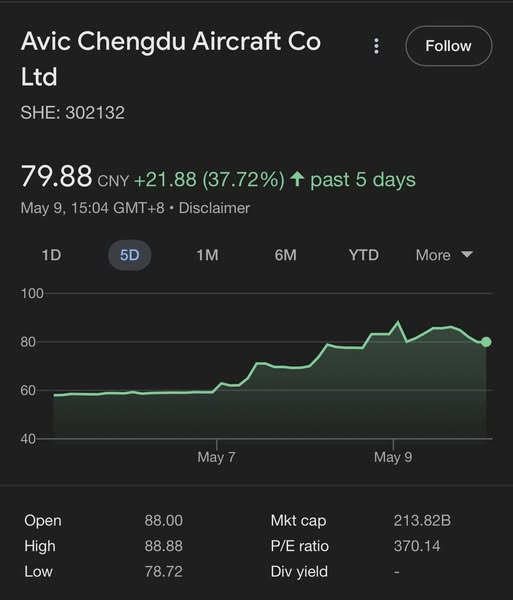
Laser Energy Powered Transport To Be Introduced In China

Frome Facebook Page of Trend Fuel 

China has just redefined the future of aviation by launching the world’s first laser-powered cargo drone, a groundbreaking leap that could change how goods are transported forever. This futuristic aircraft uses high-energy laser beams from ground stations to recharge mid-air, completely eliminating the need for traditional fuel or battery swaps.

Developed by a team of Chinese aerospace engineers, the drone is capable of flying long distances while receiving wireless laser power beamed from Earth. It marks the first successful implementation of laser-based energy transmission in a fully operational cargo drone, opening the door to uninterrupted flight for logistics and military applications.

This innovation solves one of the biggest hurdles in drone tech: limited battery life. With laser charging, drones could theoretically remain airborne for hours or even days without landing. It also reduces the environmental impact by removing the need for fossil fuels and lowering dependence on heavy lithium-ion batteries.

The drone's test flights were reportedly smooth and efficient, showcasing stable energy reception even during movement. Analysts believe this breakthrough could trigger a global race for laser-powered aviation, with China now leading the charge.

From emergency deliveries to long-range surveillance, the applications are endless. One thing is clear, China just hit the throttle on the future of airborne logistics.

Read More

Author: Saikat Bhattacharya

Technology news General 21-September-2025 by east is rising

চার বছরের মধ্যেই মানুষ অমর হবে ?

মানুষসহ পৃথিবীর কোনো প্রাণীই চিরকাল বেঁচে থাকে না— মৃত্যু প্রতিটি জীবের জন্য অবধারিত সত্য। তবে সেই মহাসত্য শিগগিরই পাল্টে যেতে পারে বলে দাবি করেছেন গুগলের সাবেক বিজ্ঞানী রে কার্জওয়েল। তার ভবিষ্যদ্বাণী অনুযায়ী, ২০২৯ সালের মধ্যেই মানুষ অমরত্ব অর্জন করবে।

৭৫ বছর বয়সী এই খ্যাতিমান কম্পিউটার বিজ্ঞানী বহুদিন ধরে জেনেটিক্স, ন্যানোটেকনোলজি ও রোবোটিক্স নিয়ে গবেষণা চালিয়ে আসছেন। তার মতে, ন্যানোপ্রযুক্তি ও কৃত্রিম বুদ্ধিমত্তার (AI) অগ্রগতির ফলে এমন এক যুগ আসছে যখন ন্যানোরোবট মানবদেহের ক্ষতিগ্রস্ত কোষ ও টিস্যু মেরামত করতে পারবে। এর ফলে মানুষ মৃত্যুকেও প্রতিহত করতে সক্ষম হবে।

রে কার্জওয়েল এর আগে “The Singularity is Near” নামক গ্রন্থে এই ভবিষ্যদ্বাণী প্রকাশ করেছিলেন। তিনি দাবি করেন, ২০২৯ সালেই কৃত্রিম বুদ্ধিমত্তা প্রথমবারের মতো বৈধ টিউরিং টেস্টে উত্তীর্ণ হয়ে মানুষের সমান বুদ্ধিমত্তা প্রদর্শন করবে। এর পর থেকেই ন্যানোপ্রযুক্তি মানুষকে মৃত্যুহীন জীবনের দিকে নিয়ে যাবে।

এই বিজ্ঞানী এ পর্যন্ত ১৪৭টি ভবিষ্যদ্বাণী করেছেন, যার মধ্যে ৮৫ শতাংশই সত্য প্রমাণিত হয়েছে। উদাহরণ হিসেবে তিনি আগেই বলেছিলেন, একসময় বিশ্বের সেরা দাবাড়ুরাও কম্পিউটারের কাছে হার মানবে— যা সত্যি হয়েছিল ১৯৯৭ সালে, যখন বিশ্বচ্যাম্পিয়ন গ্যারি কাসপারভ কম্পিউটার “ডিপ ব্লু”-এর কাছে হেরে যান।

তবে অমরত্ব নিয়ে তার এই ভবিষ্যদ্বাণী নিয়ে বিজ্ঞানমহলে ব্যাপক বিতর্ক চলছে। অনেক বিশেষজ্ঞই একে অবাস্তব বলে মনে করছেন। ধর্মীয় দৃষ্টিকোণ থেকেও মানুষের মৃত্যুহীন জীবনকে অবাস্তব ও অগ্রহণযোগ্য বলে মনে করা হয়।

Read More

Author: Saikat Bhattacharya

Technology news General 21-September-2025 by east is rising

World’s first non-binary AI chip in China

Chinese researchers at Beihang University have developed the world’s first non-binary AI chip, utilizing Hybrid Stochastic Number (HSN) computing that blends binary and probabilistic logic.

This chip, mass-produced by SMIC, enhances energy efficiency and fault tolerance, addressing the power and architecture limitations of traditional binary systems.

Deployed in aviation, smart displays, and industrial systems, it supports China’s tech self-reliance and could redefine global AI hardware standards.

Read More

Author: Saikat Bhattacharya

Technology news General USA vs China 02-September-2025 by east is rising
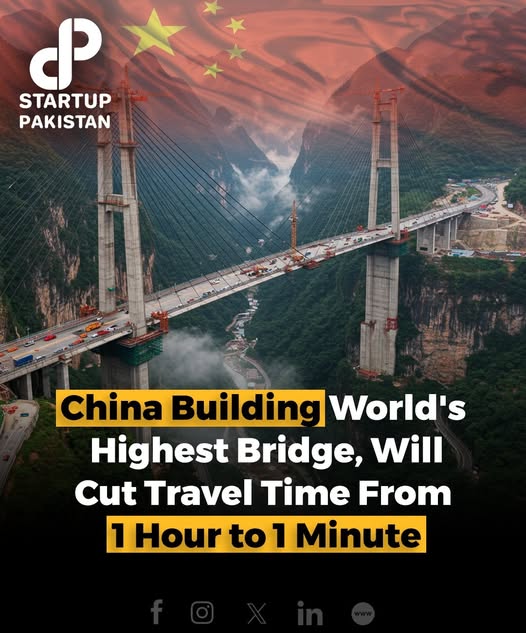
China's Space Station Can Now Produce Rocket Fuel and Oxygen in Space

China’s space program just made history by achieving something that could redefine future missions: producing both oxygen and rocket fuel directly aboard its space station. This innovation marks a major step toward long-term space habitation and self-sustaining deep space travel, eliminating the need to constantly resupply from Earth—a costly and complex task.

This milestone proves that China is not only catching up in the global space race but actively leading in critical life-support and propulsion technologies. From growing plants in orbit to creating the resources needed for astronauts to breathe and return home, the Tiangong Space Station is fast becoming a model for next-gen space ecosystems.

Read More

Author: Saikat Bhattacharya

Technology news General Socialism Communism Xi Jinping Mao USSR China 02-September-2025 by east is rising
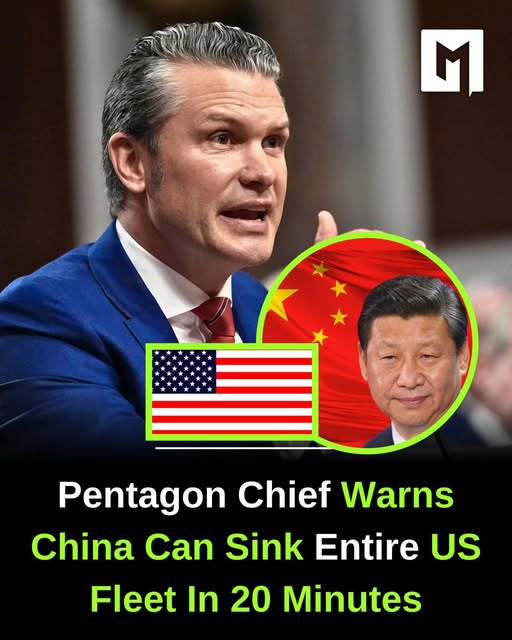
China just switched on its first 10G city network

In Xiong’an, Huawei and China Unicom launched a broadband pilot hitting around 9.8 Gbps download and 1 Gbps upload speeds. At that rate, you could download a 4K movie in just seconds.

On top of that, China is rolling out 5G-Advanced to 300+ cities, aiming for 10 Gbps mobile speeds that make 8K streaming and cloud gaming smooth and instant.

The future of internet speed is already here

Read More

Author: Saikat Bhattacharya

Technology news General 27-August-2025 by east is rising
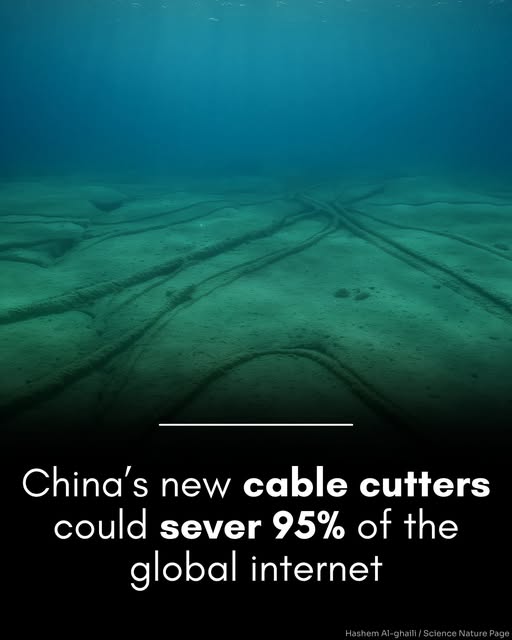
যুক্তরাষ্ট্রের কাছ থেকে অস্ত্র কেনার বিপদ

পাকিস্তান জঙ্গি দমনের পুরস্কার হিসেবে যুক্তরাষ্ট্রের কাছ থেকে F-16 যুদ্ধবিমান কিনতে পেরেছে। কিন্তু অবাক করার বিষয় হলো সেই যুদ্ধ বিমান পাকিস্তান শত্রুরাষ্ট্র ভারতের বিরুদ্ধে ব্যবহার করতে পারে না। কারণ আমেরিকা এফ-১৬ যুদ্ধবিমান ভারতের বিরুদ্ধে ব্যবহারের অনুমতি দেয়নি।

নিজের টাকা দিয়ে কেনা অস্ত্র আপনি কার বিরুদ্ধে ব্যবহার করবেন সেটি আমেরিকা ঠিক করে দেবে। কথা না শুনলে মেইনটেইনের জন্য যে পার্টস দরকার সেগুলো পরবর্তীতে সরবরাহ করবে না। ফলে জেট ভাঙ্গারির দোকানে বিক্রি করে দিতে হবে।

এজন্য দেখেন ভারত পাকিস্তান যে এয়ার কমব্যাট হলো সেখানে এফ-১৬ যুদ্ধবিমান ব্যবহার হয়নি। তাহলে পাকিস্তান এই এফ-১৬ যুদ্ধবিমান দিয়ে কি করবে?

বাংলাদেশ একই ট্র‍্যাপে পরতে যাচ্ছে। অথচ চীন পাকিস্তানকে ইন্ডিয়ার লাইভ স্যাটেলাইট সেবা প্রদান করেছিল। ইন্ডিয়ার এস-৪০০ এর লোকেশনসহ দিয়েছিল। যা পাকিস্তানের আর্টিলারি ইউনিটকে সাফল্য এনে দেয়।

-- Redwan Kabir Shuvro

Read More

Author: Saikat Bhattacharya

Technology news General 21-July-2025 by east is rising

China has reportedly achieved the world’s first successful satellite refueling operation in orbit

From Facebook Page: Fossbytes

Two Chinese satellites, Shijian-21 and Shijian-25, docked in geostationary orbit 22,000 miles above Earth between June and July 2025.

US tracking companies COMSPOC and Swiss firm s2a systems observed the satellites merging for days, suggesting fuel transfer occurred. Shijian-25, launched in January 2025, was designed to test refueling capabilities.

Shijian-21 had previously used most of its fuel towing a dead satellite to graveyard orbit in 2022. This breakthrough technology is crucial for future deep space missions and Mars exploration.

Read More

Author: Saikat Bhattacharya

Technology news General 18-July-2025 by east is rising

China’s Next-Gen Military Move: The ‘Invisible’ Radar Revolution

China has unveiled a breakthrough in stealth warfare technology — a new class of ‘invisible’ radar systems that could allow its military to operate without detection, even in high-conflict zones.

This futuristic radar leverages quantum and metamaterial technologies, designed to evade conventional radar tracking systems, making aircraft, missiles, and even military bases practically invisible to enemy surveillance.

Unlike traditional radars, which emit detectable signals, China’s system is believed to minimize electromagnetic footprints, drastically reducing the chances of being spotted by enemy forces or satellites.

Why it matters:

Could reshape the global balance in modern warfare

Gives China a strategic edge in electronic and information warfare

Makes counterstrikes harder, as military assets stay hidden

Raises global security concerns about radar transparency and detection gaps

This stealth radar tech marks a significant step in China's defense modernization drive, aligning with their larger vision of dominance in AI, hypersonics, and space-based warfare.

Read More

Author: Saikat Bhattacharya

Technology news General USA vs China 16-July-2025 by east is rising
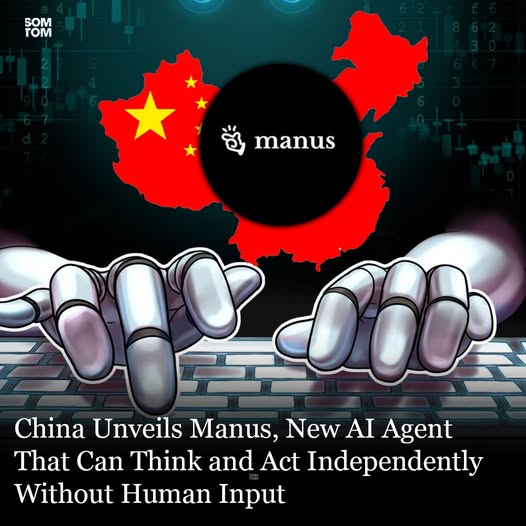
Chinese Cure for Type-II Diabetes: No More Medicines, One Time Cure

Srom Facebook Page SOMTOM
Chinese researchers have pioneered a treatment that regenerates insulin-producing beta cells, potentially curing Type 2 diabetes. Early trials show patients maintaining normal blood sugar without medication, a first in medical history. While offering hope to millions, the breakthrough challenges the global diabetes industry. If verified, it could shift chronic disease care from lifelong management to lasting solutions.

Read More

Author: Saikat Bhattacharya

Technology news General world order 08-July-2025 by east is rising
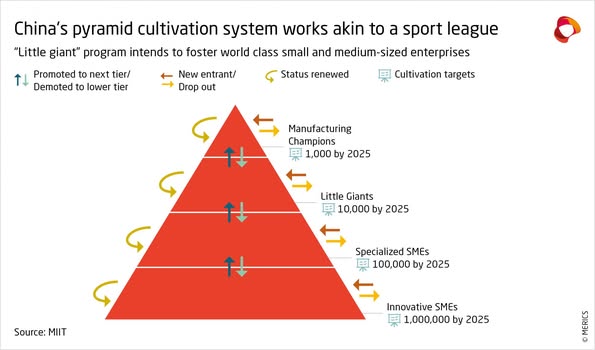
Chinese Researchers: Two Biologically Men Can Now Make Babies

In a historic scientific breakthrough, researchers in China (Research group led by Wei Li at the Chinese Academy of Sciences) have successfully produced healthy and fertile mice from two biological fathers by fusing sperm and inserting them into an emptied egg cell.

Read More

Author: Saikat Bhattacharya

Technology news Sex War feminism 07-July-2025 by east is rising
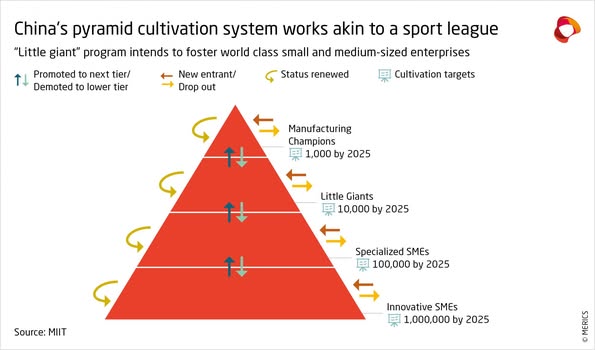
Japan's Bold Leap: Beaming Solar Power from Space to Earth

In a world-first initiative, Japan is set to become the first country to wirelessly transmit solar power from space to Earth — a vision straight out of science fiction that’s now turning into reality!

Japan's Ministry of Economy, Trade and Industry (METI) is backing this ambitious project, led by a public-private partnership including JAXA (Japan Aerospace Exploration Agency) and private companies like Mitsubishi Heavy Industries. The technology, known as Space-Based Solar Power (SBSP), involves satellites fitted with solar panels orbiting 36,000 km above Earth. These satellites will collect solar energy and convert it into microwaves, which will then be beamed to ground-based receiving stations.

Unlike terrestrial solar farms, SBSP can harvest energy 24/7, unaffected by weather or nightfall. Japan’s long-term goal? To power entire cities wirelessly — and reduce its carbon emissions dramatically in the process.

If successful, this will be a massive leap toward clean, limitless energy, and could help solve energy shortages around the world.

Read More

Author: Saikat Bhattacharya

Technology news General 04-July-2025 by east is rising
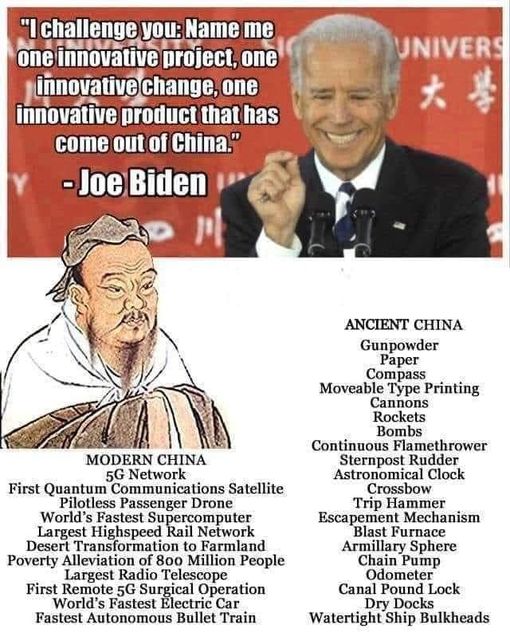
Why China is giving away its tech for free- Economist

https://archive.ph/dvK0z 

Underpinning the digital economy is a deep foundation of open-source software, freely available for anyone to use. The majority of the world’s websites are run using Apache and Nginx, two open-source programs. Most computer servers are powered by Linux, another such program, which is also the basis of Google’s Android operating system. Kubernetes, a program widely used to manage cloud-computing workloads, is likewise open-source. The software is maintained and improved upon by a global community of developers.

China, which had long stood at the periphery of that community, has in recent years become an integral part of it. After America and India, it is now home to the largest group of developers on GitHub, the world’s biggest repository of open-source software. Chinese tech giants, including Alibaba, Baidu and Huawei, have become prolific open-source funders and contributors. China has been particularly active in the development of open-source artificial-intelligence (AI) models, including those from DeepSeek, an AI startup that shook the world in January when it released the cutting-edge models it had developed on a shoestring. According to Artificial Analysis, a website, 12 of the 15 leading open-source AI models are Chinese.

This newfound interest in open-source has been fuelled by America’s efforts to hobble its rival. Curbing China’s access to code that is readily available online is tricky for a foreign government. Ren Zhengfei, Huawei’s founder, told People’s Daily, a Communist Party mouthpiece, that American tech restrictions were nothing to fear since “there will be thousands of open-source software [programs] to meet the needs of the entire society.”

Yet the rise in China of open-source, which relies on transparency and decentralisation, is awkward for an authoritarian state. If the party’s patience with the approach fades, and it decides to exert control, that could hinder the course of innovation at home and make it harder to export Chinese technology abroad.

China’s open-source movement first gained traction in the mid-2010s. Richard Lin, co-founder of Kaiyuanshe, a local open-source advocacy group, recalls that most of the early adopters were developers who simply wanted free software. That changed when they realised that contributing to open-source projects could improve their job prospects. Big firms soon followed, with companies like Huawei backing open-source work to attract talent and cut costs by sharing technology.

Momentum gathered in 2019 when Huawei was, in effect, barred by America from using Android. That gave new urgency to efforts to cut reliance on Western technology. Open-source offered a faster way for Chinese tech firms to take existing code and build their own programs with help from the country’s vast community of developers. In 2020 Huawei launched OpenHarmony, a family of open-source operating systems for smartphones and other devices. It also joined others, including Alibaba, Baidu and Tencent, to establish the OpenAtom Foundation, a body dedicated to open-source development. China quickly became not just a big contributor to open-source programs, but also an early adopter of software. JD.com, an e-commerce firm, was among the first to deploy Kubernetes.

AI has lately given China’s open-source movement a further boost. Chinese companies, and the government, see open models as the quickest way to narrow the gap with America. DeepSeek’s models have generated the most interest, but Qwen, developed by Alibaba, is also highly rated, and Baidu has said it will soon open up the model behind its Ernie chatbot.

China’s enthusiasm for open technology is also extending to hardware. Unitree, a robotics startup based in Hangzhou, has made its training data, algorithms and hardware designs available for free, which may help it to shape global standards. Semiconductors offer another illustration. China is dependent on designs from Western chip firms. As part of its push for self-sufficiency, the government is urging firms to adopt RISC-V, an open chip architecture developed at the University of California, Berkeley.

Many Chinese firms also hope that more transparent technology will help them win acceptance for their products abroad. That may not happen. Huawei’s operating system has found few users elsewhere. Although some Western companies have been experimenting with DeepSeek’s models, an executive at a global enterprise-software firm says that many clients outside China will not touch the country’s AI tools. Some fear disruption from future American restrictions. Others worry about backdoors hidden in the code that might allow them to be spied on.

China’s open-source ambitions could be derailed in other ways, too. Qi Ning, a Chinese software engineer, points out that at international open-source conferences, attendees increasingly avoid naming Chinese collaborators, as they worry about reputational risk or political blowback.

Version control

America’s government may also make life difficult for Chinese open-source developers. Fearing nefarious meddling in the world’s code, it could seek to cut China off from GitHub, which is owned by Microsoft. Mr Qi says many Chinese developers worry about “access issues in the future”. China’s government has promoted Gitee, a domestic alternative. But few local coders use it. Last year some American lawmakers argued for restricting China’s access to RISC-V—though Andrea Gallo, head of the Swiss body that oversees the technology, contends that this is not feasible as it is a public standard, much like USB.

Yet it is China’s own government that poses the biggest threat to the country’s open-source experiment, despite supporting it in principle. In 2021 the government restricted access to GitHub, concerned that the platform could be used to host politically sensitive content. Developers quickly turned to virtual private networks (which mask a user’s location) to regain access, but the episode rattled many. In 2022 the government announced that all projects on Gitee would be subject to official review, and that coders would need to certify compliance with Chinese law.

A similar pattern is playing out in AI. Chinese law prohibits models from generating content that “damages the unity of the country and social harmony”. In 2023 Hugging Face, a Franco-American platform for sharing open-source AI models, became inaccessible from within China.

China’s open-source movement is organic, driven by developers and tech firms. The government has so far encouraged it because it serves its objectives of accelerating domestic innovation and reducing reliance on Western technology. If China’s leaders constrain the culture of freedom and experimentation on which open technology relies, however, they will limit its potential.

Read More

Author: Saikat Bhattacharya

Technology news General USA vs China 27-June-2025 by east is rising
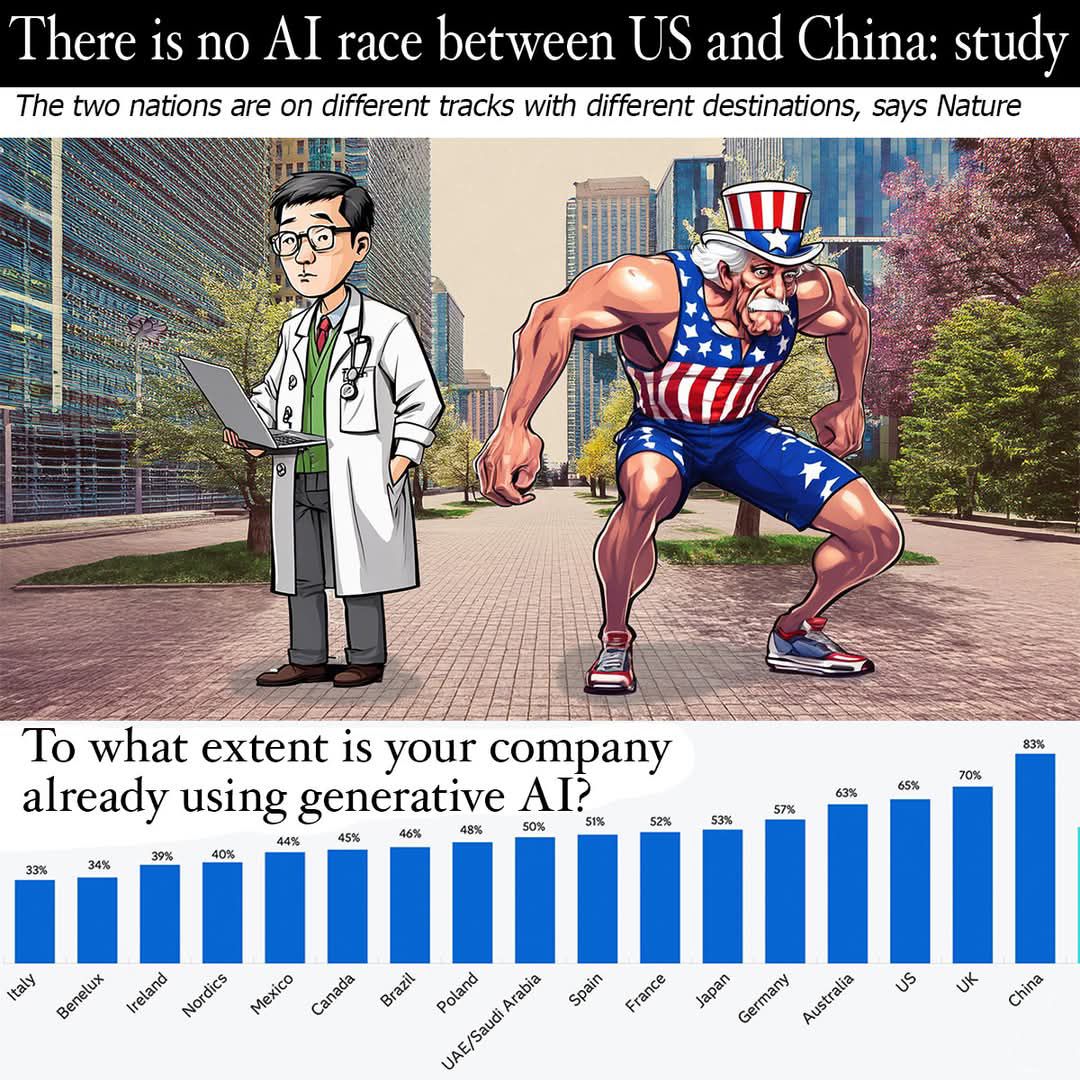
China's Satellite Internet Has Now Five Times More Speed Than USA's Starlink

China has achieved a major milestone in satellite internet technology, delivering speeds of up to 1 Gbps—five times faster than Elon Musk’s Starlink. This leap was accomplished using a 2-watt laser transmission from a satellite orbiting over 36,000 km above Earth, far higher than Starlink’s low-orbit fleet.

To overcome atmospheric turbulence, which typically distorts laser signals, Chinese scientists led by Prof. Wu Jian and Dr. Liu Chao introduced a novel AO-MDR (Adaptive Optics Mode Division Receiver) synergy.

This breakthrough reshapes distorted laser beams using 357 micro-mirrors and enhances signal precision via a multi-plane light converter and real-time path-picking algorithm.

(Taken from Facebook Page of Surprising Facts)

Chinese scientists have just pulled off a major tech leap: beaming data from space to Earth using a 2 W laser, faster than a candle’s brightness, yet blazing at 1 Gbps — that's five times quicker than Starlink’s satellite internet! They combined cutting-edge methods (Adaptive Optics + Mode Diversity Reception) to beat atmospheric interference and ensure a clean, lightning-fast stream .

This isn't just a cool experiment—it could redefine how we connect globally. Imagine streaming ultra-HD movies, next-gen remote sensing, and even early 6G networks powered by lasers. With mobile ground stations and scalable tech, this could transform internet access everywhere. The future? It’s bright, green, and laser-powered.

(Facebook Page Study Career In China)

Read More

Author: Saikat Bhattacharya

Technology news General USA vs China 23-June-2025 by east is rising

China Begins Mass Production of World’s First Non-Binary AI Chip

China has initiated the world’s first large-scale application of non-binary AI chips, integrating its proprietary hybrid computing technology into critical sectors including aviation and industrial systems.

Binary logic, the foundation of today’s computing, represents variables using 0s and 1s and relies on precise arithmetic operations. However, large-scale binary computations require extensive hardware resources.

In contrast, probabilistic computing leverages the frequency of “high-level” voltage signals over a fixed time to represent values, significantly reducing hardware consumption. It has already been used in fields like image processing, neural networks and deep learning. But probabilistic computing also suffers from long computation delays due to its frequency-based representation of values.

To solve this, Li’s (Professor Li Hongge’s team at Beihang University in Beijing) team introduced hybrid probabilistic logic, which combines the speed of binary computation with the efficiency of stochastic logic.

“The current chip already achieves on-chip computing latency at the microsecond level, striking a balance between high-performance hardware acceleration and flexible software programmability,” Li said.

Based on this concept, the team designed a smart chip for touch and display in 2023 using leading Chinese chipmaker Semiconductor Manufacturing International Corporation’s mature 110-nanometre process technology.

Li told Guangming Daily that the team was working on a dedicated instruction set architecture (ISA) and microarchitecture tailored for hybrid probabilistic computing. They aim to extend the chip’s capabilities to speech and image processing, artificial intelligence large model acceleration, and other complex computing tasks.

Why It Matters:

Smarter & Faster AI: Mimics brain-like processing with better energy efficiency.

In-Memory Computing: Reduces data transfer, improving speed and lowering power use.

More Resilient: Offers built-in fault tolerance, ideal for complex real-time tasks.

Tech Independence: Designed on China’s own 28nm and 110nm CMOS processes—no U.S. tech needed.

Already in Action:

Deployed in aerospace navigation, flight-control systems, smart displays, and more.

Its compatibility with traditional CMOS makes it scalable and industry-ready.

What’s Next:

The team is building custom microarchitectures and instruction sets tailored for probabilistic computing, aiming to fuel the next generation of AI acceleration, robotics, and autonomous systems.

A new computing paradigm is here—China is no longer just catching up, it’s setting the pace.

Read More

Author: Saikat Bhattacharya

Technology news General USA vs China 11-June-2025 by east is rising

AIDS No More A Terminal Disease

HIV Is No Longer a Death Sentence. It’s a Manageable Condition.

Once a terminal illness, HIV is now a chronic condition — thanks to decades of medical breakthroughs.

In 1996, life expectancy for people with HIV was just 39. By 2011, it jumped to 72 — matching that of the general population.

With access to antiretroviral therapy (ART), people with HIV can live full, healthy lives — and the virus can even become undetectable and untransmittable.

Dr. Ray Martins puts it simply: “You can have a normal lifespan and live just like someone who doesn’t have HIV.”

Science did its job. Now it’s time for global leaders to do theirs — by making treatment accessible to all.

Read More

Author: Saikat Bhattacharya

Technology news General 08-June-2025 by east is rising
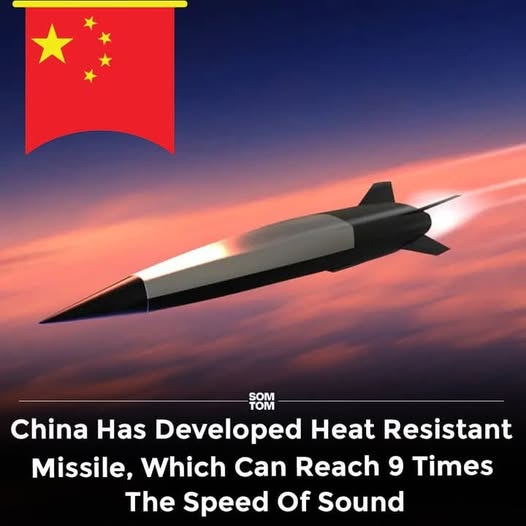
28,000 Chinese Satellites will make One Supercomputer in Space

China has officially launched its ambitious “Three-Body Computing Constellation” — a network of 2,800 AI-powered satellites that together will form a massive supercomputer in Earth’s orbit. #ChinaTech

Read More

Author: Saikat Bhattacharya

Technology news General 28-May-2025 by east is rising
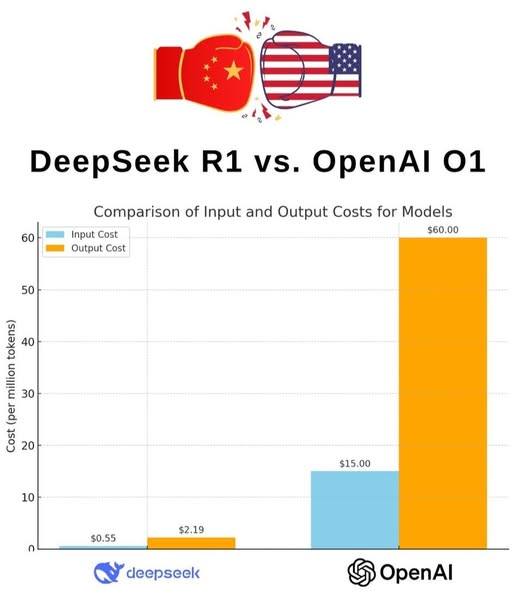
Robot Training Hub in China

China has launched its first mega humanoid robot training hub, aiming to train over 100 robot models in Shanghai. This facility, which covers over 5,000 square meters, is designed to generate vast amounts of data for AI development, with the goal of fostering multi-robot teamwork and collaboration across industries.

Read More

Author: Saikat Bhattacharya

Technology news General Unipolar vs Multi-polar 28-May-2025 by east is rising

চীন বানাতে চলেছে মহাকাশে সুপারকম্পিউটার নেটওয়ার্ক

বিজ্ঞান-কল্পকাহিনি নয়, এবার বাস্তবেই মহাকাশে গড়ে উঠছে সুপারকম্পিউটার নেটওয়ার্ক! প্রযুক্তির দুনিয়ায় নতুন এক দিগন্ত উন্মোচন করল চীন। বিশ্বে প্রথমবারের মতো মহাকাশে গড়ে তুলছে সুপারকম্পিউটার স্যাটেলাইট নেটওয়ার্ক— ‘স্টার কম্পিউট’। ইতোমধ্যেই কক্ষপথে পাঠানো হয়েছে ১২টি স্যাটেলাইট, যা হতে চলেছে ২৮০০ স্যাটেলাইটের এক বিশাল কম্পিউটিং জালের সূচনা।

এই প্রকল্পে নেতৃত্ব দিচ্ছে চীনের এডিএ স্পেস, ঝিজিয়াং ল্যাবরেটরি, ও নিঝিয়াং হাই-টেক জোন। প্রতিটি স্যাটেলাইটেই রয়েছে অত্যাধুনিক ৮ বিলিয়ন প্যারামিটারের এআই মডেল এবং ৭৪৪ TOP/s গতিতে ডেটা বিশ্লেষণের সক্ষমতা। এই স্যাটেলাইটগুলো পরস্পরের সঙ্গে POP/s গতিতে তথ্য আদান-প্রদান করতে পারে এবং নিজেদের মধ্যেই ডেটা প্রক্রিয়াকরণ করতে সক্ষম। ফলে পৃথিবীতে তথ্য পাঠানোর প্রক্রিয়াও অনেকাংশে কমে যাবে।

স্যাটেলাইটগুলোতে সংযুক্ত রয়েছে এক্স-রে পোলারাইজেশন ডিটেক্টর, যা গামা রশ্মির বিস্ফোরণের মতো দুর্লভ মহাজাগতিক ঘটনাও শনাক্ত করতে পারে। একে অপরের সঙ্গে যুক্ত থাকে ১০০ গিগাবিট/সেকেন্ড গতির লেজার লিংকের মাধ্যমে এবং সম্মিলিতভাবে ধারণ করতে পারে ৩০ টেরাবাইট পর্যন্ত ডেটা। এ প্রযুক্তির সাহায্যে তৈরি হবে থ্রিডি ডিজিটাল টুইন ডেটা, যা ব্যবহার করা যাবে জরুরি সেবা, স্মার্ট ট্যুরিজম, গেমিং সহ নানান খাতে।

ব্যান্ডউইথ সীমাবদ্ধতা ও স্থলভিত্তিক স্টেশনের অভাবে সাধারণত স্যাটেলাইটের মাত্র ১০ শতাংশ ডেটাই পৃথিবীতে পৌঁছায়। কিন্তু মহাকাশেই যদি হয় তথ্য প্রক্রিয়াকরণ কেন্দ্র, তাহলে সেই সীমাবদ্ধতা হবে অতীত।

হার্ভার্ডের মহাকাশ গবেষক জোনাথন ম্যাকডাওয়েল বলেন, “মহাকাশে তথ্যকেন্দ্র গড়ে তুললে সৌরশক্তির সর্বোত্তম ব্যবহার সম্ভব। তাপ সরাসরি মহাশূন্যে বিকিরণ করা যাবে, এতে কমবে শক্তি খরচ ও কার্বন নিঃসরণ।”

বিশেষজ্ঞদের ধারণা, এই ‘স্টার কম্পিউট’ প্রকল্প ভবিষ্যতের মহাকাশ-ভিত্তিক কম্পিউটিংয়ের ভিত্তিপ্রস্তর স্থাপন করল। শুধু চীন নয়, যুক্তরাষ্ট্র ও ইউরোপও এখন এই পথে এগিয়ে আসছে। এই প্রকল্প যেন প্রযুক্তি নয়, একটি সময়ের আগাম ভবিষ্যদ্বাণী।

চীন আবারও প্রমাণ করল— তারা কেবল পৃথিবীর নেতৃত্বেই নয়, এখন মহাকাশের প্রযুক্তিগত বিপ্লবেও পথপ্রদর্শক।
 

এই বৈপ্লবিক উদ্যোগের মূল লক্ষ্য হলো—

1. ডেটা প্রক্রিয়াকরণকে মহাকাশেই সম্পন্ন করা, যাতে তথ্য বিশ্লেষণ ও সিদ্ধান্ত গ্রহণ আরও দ্রুত হয়।

2. পৃথিবীতে অবস্থিত গ্রাউন্ড স্টেশনের ওপর নির্ভরতা কমানো এবং বিলম্ব দূর করা।

3. উন্নত গবেষণা, জলবায়ু পর্যবেক্ষণ ও নজরদারি কাজে উল্লেখযোগ্য উন্নয়ন আনা।

এই মহাকাশ-সুপারকম্পিউটার প্রকল্প চীনের স্পেস টেকনোলজিতে নেতৃত্ব নেওয়ার উচ্চাভিলাষেরই অংশ। এটি ভবিষ্যতের ডেটা বিশ্লেষণ, রিয়েলটাইম সিদ্ধান্ত এবং মহাকাশ গবেষণার পথই বদলে দিতে পারে।


China is building the world's first supercomputer network in space, for which it launched 12 AI-powered satellites last week. The state-owned China Aerospace Science and Technology Corporation announced that the first of 2,800 satellites, part of its 'Star Computing' programme, were launched aboard a Long March 2D rocket and successfully deployed into orbit.

Read More

Author: Saikat Bhattacharya

Technology news General world order 25-May-2025 by east is rising
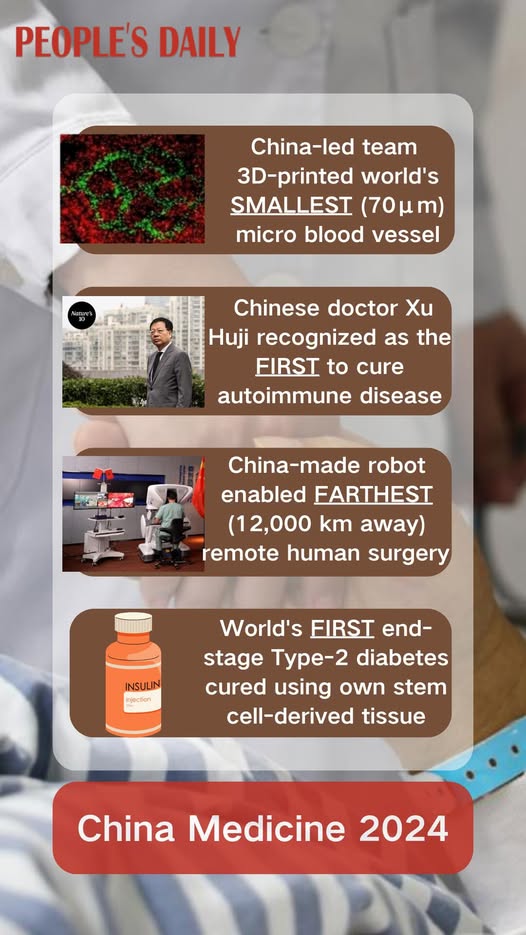
Bangladesh Army to Induct SH-15 Self-Propelled Howitzers

The Bangladesh Army is set to acquire NORINCO's SH-15 155mm wheeled self-propelled howitzers as part of its post-2024 modernisation drive. A delegation led by Maj Gen Mohammad Moazzem Hossain (GOC, 7th Infantry Division) will visit China on 25 May to witness live-fire trials.

Already in service with Pakistan, the SH-15 offers long-range precision fire (up to 53 km with ER rounds), rapid mobility via a 6×6 high-mobility truck, and is fully air-transportable. It features an automatic fire control system and can fire 4–6 rounds per minute.

This marks a significant step in the Army’s efforts to boost its rapid deployment and mobile firepower capabilities.
Bangladesh Army Inducting SH-15 Self-Propelled Howitzers - Bangladesh Military Forces

Read More

Author: Saikat Bhattacharya

Technology news General world order 25-May-2025 by east is rising

China Creates Most Advanced Ocean Mapping System

China’s new LICOMK++ system models ocean dynamics with unmatched 0.6-mile accuracy, aiding forecasts for typhoons, floods, and heatwaves. Developed by the Chinese Academy of Sciences, it’s already winning global awards and promises to reshape climate predictions and coastal defense planning.

Read More

Author: Saikat Bhattacharya

Technology news General world order 18-May-2025 by east is rising
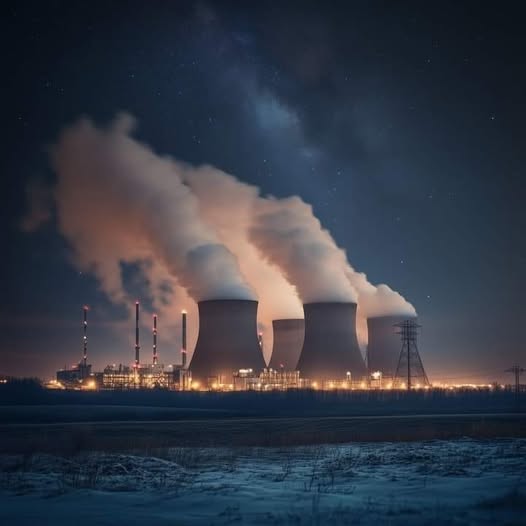
Bismuth beats Silicon: China makes Fastest & Most Efficient Transistor Ever

From https://www.ynetnews.com/business/article/bjm6vfjwgx

Chinese scientists have developed what they call "the fastest, most efficient transistor ever"— and it contains no silicon at all. Built using ultra-thin sheets of bismuth, the new transistor outperforms the best silicon-based processors produced by leading manufacturers such as Intel and TSMC — the same Taiwan-based company that builds chips for Apple.

The groundbreaking development, published by Nature Materials in February, represents a radical departure from current chip design. Instead of trying to improve existing technologies, the team led by Prof. Peng Hailin at Peking University chose an entirely novel path.

“If chip innovations based on existing materials are considered a ‘short cut’, then our development of 2D material-based transistors is akin to ‘changing lanes’,” Peng told the South China Morning Post.

A shift from 'fins' to 'bridges'

To understand the significance of the breakthrough, it’s crucial to consider what it replaces. Since the early 1990s, most transistors — the tiny switches that drive everything from smartphones to supercomputers — have relied on silicon and a structure known as the Fin Field-Effect Transistor, or FinFET. These vertical, skyscraper-like structures provide better control over electric current at the nanoscale.

But FinFETs are reaching their physical limits. As chip sizes shrink below 3 nanometers, engineers face mounting challenges in improving performance while keeping power consumption in check. So instead of shrinking the old design, Peng and his team abandoned it entirely.

The new transistor uses a 2D gate-all-around field-effect transistor (GAAFET). Unlike FinFETs, which wrap the gate around three sides of the transistor’s channel, GAAFETs surround it on all four sides. This provides better current control and drastically reduces energy loss. Yet the real breakthrough lies not in the structure, but in the materials used.

Bismuth beats silicon

Rather than silicon, the researchers used bismuth oxychalcogenide for the transistor’s channel and bismuth selenide oxide for the gate material. These belong to a class of atomically thin materials known as two-dimensional semiconductors, which have extraordinary electrical properties.

Bismuth oxychalcogenide, in particular, offers advantages that silicon struggles with at extremely small scales. Electrons move faster through it, even when tightly packed, and it has a higher dielectric constant, meaning it can hold and control electric charge more efficiently. That translates into faster switching, lower energy loss and less heat generation.

“This reduces electron scattering and current loss, allowing electrons to flow with almost no resistance, akin to water moving through a smooth pipe,” Peng explained. In practical terms: less friction, less heat and more performance for less power — a dream for any smartphone user.

Up to 40% faster with 10% less energy

The lab results are striking. According to the research team, their transistor can operate up to 40% faster than today’s most advanced 3-nanometer silicon chips, while using 10% less energy.

The motivation behind the innovation is not just technical, but geopolitical. As a result of ongoing U.S. sanctions, Chinese firms are unable to purchase the cutting-edge equipment required to manufacture advanced silicon chips. The most sophisticated lithography machines, essential for producing 3-nanometer chips, are made by a handful of Western companies such as ASML in the Netherlands.

By creating a transistor that doesn’t depend on silicon — and that can be fabricated using equipment already available in China — Peng’s team may have found a way to bypass those export controls. “While this path is born out of necessity due to current sanctions, it also forces researchers to find solutions from fresh perspectives,” Peng said.

Global race for post-silicon chips

China isn’t alone in seeking alternatives beyond silicon. IBM has been developing carbon nanotube technologies for years, while Intel is exploring experimental chip packaging methods to overcome miniaturization limits. TSMC, the industry leader, continues to refine its chip designs in the race to maintain its dominance.

Despite the promising lab performance, major questions remain. Can these transistors be produced at scale? Will they withstand the heat and stress of real-world usage, in smartphones or gaming PCs? And how soon could this technology reach consumer devices?
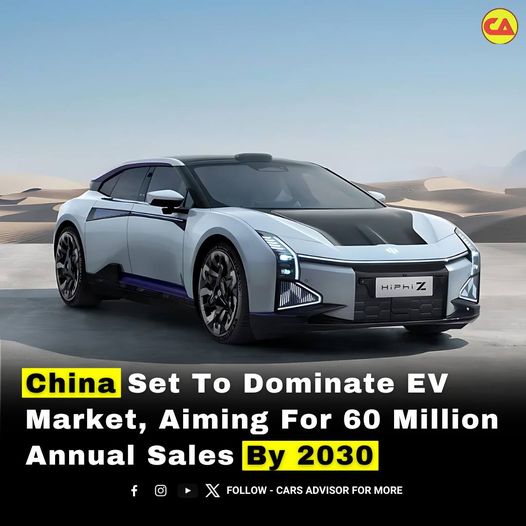
Peng said his team is already working on scaling up production. Early prototypes of logic units built using the transistor showed exceptionally low operating voltages. Their use of existing manufacturing platforms suggests that mass production barriers may be lower than with other experimental technologies.
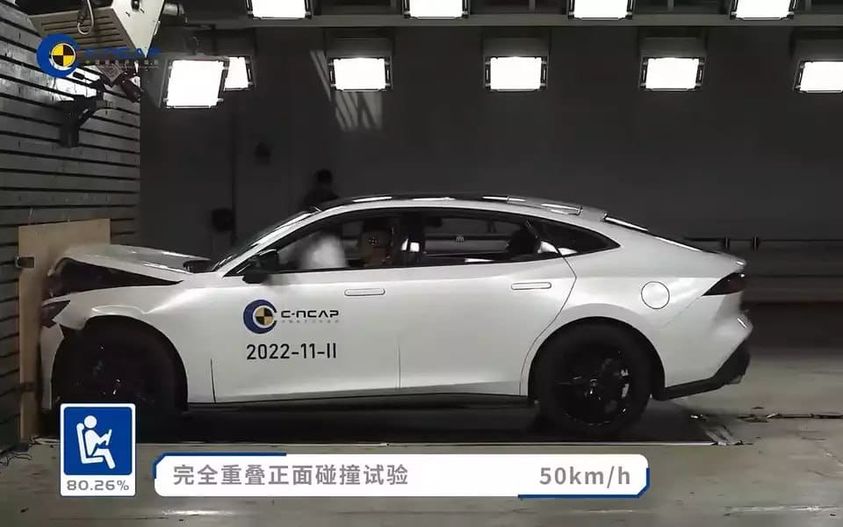


“This work demonstrates that 2D GAAFETs do exhibit comparable performance and energy efficiency to commercial silicon-based transistors, making them a promising candidate for the next technology node,” Peng wrote in the paper.

Still, turning lab breakthroughs into commercial chips typically takes years, sometimes decades. Designing a single transistor is one thing; integrating billions of them into a reliable, mass-produced chip is another. But if successful, this could give China a critical new foothold in the global chip race.

More broadly, the breakthrough signals that the semiconductor race may no longer be about who can shrink silicon the most, but who can think beyond it.

Read More

Author: Saikat Bhattacharya

Technology news General USA vs China 17-May-2025 by east is rising

China's plan to 3D-print bricks on the moon using lunar soil by 2028

China is planning an exciting step toward building a base on the moon by 3D-printing bricks from lunar soil. The mission, part of China's Chang'e 8 spacecraft, is set to launch in 2028. It's designed to pave the way for the International Lunar Research Station (ILRS) and could revolutionize how we explore and potentially live on the moon. Instead of sending materials from Earth, which is extremely costly, China aims to use lunar resources, a process known as in-situ resource utilization.

Here's how it works: The Chang'e 8 mission will use a groundbreaking device to make bricks from lunar soil. This system will collect sunlight, transmit it to the moon through fiber optics, and concentrate it to melt the lunar dirt. The temperature will reach between 1400 and 1500 degrees Celsius (2,552 to 2,732 degrees Fahrenheit), which is enough to melt the soil and transform it into bricks using 3D printing technology. This method could significantly cut down the cost of sending building materials from Earth and open up possibilities for future moon construction projects.

If successful, this technology could be key for China to move forward with even bigger plans to create a permanent lunar base, making moon habitation more feasible.

Read More

Author: Saikat Bhattacharya

Technology news General world order 17-May-2025 by east is rising

Socialist China Reduced Carbon Emissions For The First Time In the History Of Mankind

It's now confirmed that China's CO2 emissions have been declining for a year now, since 2024, when their official target was to reach peak emissions by 2030 (and carbon neutrality by 2060).

You can say what you want about China but there's no denying that this is an impressive achievement and excellent news for the whole world."

Read More

Author:

Technology news General Socialism Communism Xi Jinping Mao USSR China 16-May-2025 by east is rising

Huawei Brings A Laptop With Harmony OS & Built-in AI

Huawei brings a laptop that has Chinese Operating System Harmony OS instead of US made Windows OS. it also has built-in AI. This is world's first of its kind. 

Read More

Author:

Technology news General world order 16-May-2025 by east is rising

China's Stem Cell Therapy Cure of Type I Diabetes

A 25-year-old woman with type 1 diabetes became the first person to successfully receive a transplant of insulin-producing cells derived from her own reprogrammed stem cells. Less than three months after the transplant, she began producing her own insulin and has been free from insulin injections for over a year. She now enjoys eating foods she couldn’t before, such as sugar and hotpot.

This groundbreaking procedure, reported in Nature, marks a major step forward in diabetes treatment. James Shapiro, a transplant surgeon, said the surgery has completely reversed her diabetes, which previously required significant insulin doses.

A similar success occurred in Shanghai, where a 59-year-old man with type 2 diabetes received insulin-producing islets made from his own stem cells. He also no longer needs insulin. These pioneering studies demonstrate the potential of stem cells as a treatment for diabetes, offering a limitless supply of tissue and reducing the need for donor organs and immune-suppressing drugs.

Source: BioMedCentral

Read More

Author: Saikat Bhattacharya

Technology news General world order 16-May-2025 by east is rising

ভারত ও পাকিস্তানের রিয়েল টাইম কমিউনিকেশন সিস্টেম

ভারতের চেয়ে পাকিস্তান সামরিক বাহিনীর ব্যবস্থাপনা বেশ গোছানোl

এইযে আপনারা দেখতে পান, ভারতীয় বিমানবাহিনীর অত্যাধুনিক বিমান গুলো হুট করে ক্রাশ করে, নিজেদের এয়ার ডিফেন্স সিস্টেম নিজেদেরই হেলিকপ্টারকে শুটডাউন করে― এগুলি মূলত ফোর্সের অব্যবস্থাপনার উদাহরণ।

ভারতের সামরিক বাহিনী পাকিস্তানের তুলনায় অনেক বড়; পাকিস্তানের তুলনায় তাদের বেশ সফিস্টিকেটেড ওয়েপনও রয়েছে। যেমন- সেনাবাহিনীর হাতে রাশান এস-৪০০, ইসরাইলি স্পাইডার, বারাক-৮ এয়ার ডিফেন্স, বিমানবাহিনীর হাতে ফ্রেঞ্চ রাফালে, রাশান সু-৩০, মিগ-২৯, নৌবাহিনীর হাতে স্করপিয়ান ক্লাস সাবমেরিন, আমেরিকান পি-৮ এন্টি সাবমেরিন ওয়ারফেয়ার ক্যাপাবল বিমান ইত্যাদি।

ভারতের সামরিক বাহিনী একেক দেশের একেক ধরনের উচ্চ ক্ষমতাসম্পন্ন সমরাস্ত্রে সজ্জিত হওয়ার কারনে ওই দেশগুলো ভারতের হাতে তাদের অস্ত্রের সফিস্টিকেশন সিস্টেম বা কোড অব কন্ডাক্ট তুলে দেয়নি নিজেদের জাতীয় নিরাপত্তার বিষয়টি মাথায় রেখে। যার ফলে ভারত তার বিমান বাহিনীর ফ্রেঞ্চ রাফালের সাথে সেনাবাহিনীর রুশ অরিজিন এস-৪০০ এয়ার ডিফেন্স সিস্টেমকে ইন্টিগ্রেট করাতে পারেনি। অর্থাৎ ভারতীয় সামরিক বাহিনীর হাতে অত্যাধুনিক অস্ত্র থাকলেও রিয়েল টাইম কমিউনিকেশন সিস্টেম ডেভলপ করতে না পারায় এক দেশের অস্ত্রের সাথে অন্য দেশের অস্ত্রকে এলাইন করাতে পারছে না।

উদাহরণস্বরূপ: ২০১৯ সালের সার্জিক্যাল স্ট্রাইকের সময় ভারতীয় বিমানবাহিনীর ইসরাইলি অরিজিন স্পাইডার এয়ার ডিফেন্স একটি রুশ এমআই স্যাভেন্টিন শুটডাউন করে। অর্থাৎ, এমআই স্যাভেন্টিনকে ফ্রেন্ডলি এয়ার এসেট হিসেবে ডিটেক্ট করার মত ‛আইডেন্টিফিকেশন ফ্রেন্ড অর ফো’― আইএফএফ টেকনোলজি তাদের হাতে নেই।

ধরুন, কাশ্মীর সীমান্ত থেকে তিনটি পাকিস্তানি বিমান ভারতে ঢুকে পড়েছে। ভারতীয় বিমানবাহিনীর সাথে লাইন অব কন্ট্রোলের উপর তাদের ডগফাইট হচ্ছে। এসময় ভারতীয় সেনাবাহিনীর এস-৪০০ বিমানগুলি ডিটেক্ট করলো কিন্তু এস-৪০০ এটা বুঝতে পারবে না যে কোনটা ভারতীয় বিমান আর কোনটা পাকিস্তানি। তাদেরকে আলাদাভাবে আইডেন্টিফাই করতে হবে যা সময়সাপেক্ষ ব্যাপার।

কিন্তু ইন্ডিজেনাস রিয়েল টাইম কমিউনিকেশন সিস্টেম থাকলে এই অসুবিধা হয়না। তখন একটা বাহিনী শত্রুকে আইডেন্টিফাই করার পর একই তথ্য সাথে সাথে অন্যান্য বাহিনী গুলির কাছেও চলে যাবে। আর ঠিক এই সিস্টেমটিই ভারতের হাতে না থাকলেও পাকিস্তানের হাতে রয়েছে।

পাকিস্তানের রয়েছে তাদের নিজস্ব প্রযুক্তিতে তৈরি DataLink-17 রিয়েল টাইম কমিউনিকেশন সিস্টেম, যার আওতায় প্রতিটি বাহিনী ইন্টিগ্রেটেড।

ভারতের হাতে এই মুহূর্তে না থাকলেও তারা ডেভলপ করছে। ভারত ইলেকট্রনিক্স BEL DT তৈরির চেষ্টা চালাচ্ছে।

সুতরাং, যুদ্ধ জিততে শুধুমাত্র অত্যাধুনিক মিসাইল বিমান হলেই হয়না। স্টেপ বাই স্টেপ, বিট বাই বিট― সেগুলোকে প্রতিটা বাহিনীর মাঝে ইন্টিগ্রেট করানোর প্রয়োজন পড়ে।

ইংলিশে একটা কথা আছে “War in won by 2T & 2D” (Trust and Tactic, Doctrine and Discipline)

WRITTEN BY: Shafin Rahman

Read More

Author: Saikat Bhattacharya

Technology news General world order 30-April-2025 by east is rising

Chinese space power plant will generate an incredible amount of solar energy

China is taking a bold step towards a greener future by launching a massive solar power plant into space. The plant, which will be about 1 kilometer wide and positioned 36,000 kilometers above Earth, is set to harness the sun's energy in a way never done before. The facility will be placed in geostationary orbit, meaning it will remain fixed in the same position above Earth, always facing the sun.

The goal of this project is nothing short of remarkable. The solar power plant is expected to generate an amount of energy each year equivalent to all the oil that can still be extracted on Earth. This is a massive leap forward in renewable energy technology, as it promises to provide a consistent and vast source of clean power. The energy generated by the plant will then be transmitted back to Earth via microwaves, a technology that could drastically change the way we power our planet.

Chinese aerospace engineer Long Lehao compared the significance of this project to the Three Gorges Dam, the world’s largest producer of hydropower. "It’s as important as moving the Three Gorges Dam to a geostationary orbit 36,000 kilometers above the Earth," he said. This comparison highlights the monumental scale of the project, which is expected to make a huge impact on global energy production.

One of the key advantages of space-based solar panels is that they are not affected by weather conditions, daylight, or seasons, allowing them to continuously harvest energy. In fact, space photovoltaic panels are estimated to be ten times more efficient than those on Earth, offering a huge potential for sustainable energy generation.

Work on this ambitious space solar power plant began in 2019, and China plans to launch the plant into orbit using the Long March-9 rocket, which is capable of carrying heavy payloads into space. Once operational, the plant could help provide a significant portion of the world’s energy needs, marking a major milestone in clean energy technology.

Read More

Author: Saikat Bhattacharya

Technology news General 14-May-2025 by east is rising

ভারত-পাকিস্তান উত্তেজনার আড়ালে চীনের অস্ত্র বাণিজ্যের উত্থান

বিগত বেশ কয়েক বছর যাবৎ চীন অস্ত্র রপ্তানিতে বিশ্বের টপ ফাইভ কান্ট্রি হিসেবে আবির্ভুত হয়েছে। স্টকহোম ইন্টারন্যাশনাল পিস রিসার্চ ইনস্টিটিউটের মতে- যুক্তরাষ্ট্র, রাশিয়া এবং ফ্রান্সের পরেই চীনের অবস্থান। তবে সম্প্রতি ইউক্রেন রাশিয়া যুদ্ধের কারনে রাশিয়াকে মারাত্মকভাবে সাফার করতে হচ্ছে। এমতবস্থায় রাশিয়ার অস্ত্র রপ্তানি অনেকাংশেই বন্ধ, আর সুযোগের সদ্ব্যবহার করে সেই জায়গা অনেকটাই দখল করে ফেলেছে চীন।

চীন বর্তমানে পৃথিবীর চল্লিশটিরও অধিক দেশে অস্ত্র রপ্তানি করে থাকে। চীন থেকে অস্ত্র ক্রয় করা দেশগুলোর মাঝে বাংলাদেশ রয়েছে টপ টু'তে। প্রথম স্থানে পাকিস্তান, এরপর বাংলাদেশ, তৃতীয় অবস্থানে মায়ানমার এবং চতুর্থ আলজেরিয়া।

অস্ত্র বাণিজ্য প্রসারিত করতে চীন ২০২০ সালে সর্বপ্রথম ইউরোপের দেশ সার্বিয়ায় প্রবেশ করে। সেই বছর প্রথম ইউরোপীয় দেশ হিসেবে সার্বিয়ার কাছে সফিস্টিকেটেড এয়ার ডিফেন্স সিস্টেম বিক্রি করতে সমর্থ হয় চীন। এরপর ২০২১ সালে ল্যাটিন আমেরিকার দেশ আর্জেন্টিকে জেএফ স্যাভেন্টিন থান্ডার কিনতে লবিং করে চীন; যদিও মার্কিন চাপের মুখে চীনের মার্কেটিং পলিসি ধোপে টিকেনি। এছাড়া রুশ ইউক্রেন যুদ্ধ শুরুর পর থেকে ২০২৪ সালে সৌদি আরবে একটি ডিফেন্স এক্সিবিশনে চীনের প্রায় ৪০ টি ডিফেন্স কম্পানী “Chaina Defence” নামে একটি ব্যানারে অংশগ্রহণ করার মাধ্যমে তাক লাগিয়ে দেয়। একই বছর দুবাই এয়ার শোতে চীন প্রথমবারের মত তাদের জে টেন এবং ওয়াই টুয়েন্টি হেভি লিফট ট্রান্সপোর্ট এয়ারক্রাফট ফ্লাই করে।

প্রতিনিয়ত বিশ্বব্যাপী চীনের এই অস্ত্র রপ্তানি বৃদ্ধি মার্কিন যুক্তরাষ্ট্রের অস্তিত্বের জন্য হুমকি হয়ে দাঁড়িয়েছে। কারন, একদিকে চাইনিজ অস্ত্র মার্কিন অস্ত্রের চেয়ে দামের দিক থেকে অনেক রিজনেবল, এছাড়া চাইনিজ অস্ত্রের রিপেয়ার, মেইন্টানেন্স খরচ কম, সহজলভ্য স্পেয়ার পার্টস এবং মার্কিন অস্ত্রের তুলনায় দ্রুত ডেলিভারি পাওয়া যায়― যে বিষয়গুলি ক্রেতাদের আকৃষ্ট করছে। আর তাই মার্কিন যুক্তরাষ্ট্র সিদ্ধান্ত নিয়েছে যে কোনো মূল্যে চীনের এই অগ্রযাত্রা রোধ করা হবে।

দুটি উপায়ে চীনের অস্ত্র রপ্তানি লিমিট করতে চায় যুক্তরাষ্ট্র। প্রথমটি, চাইনিজ ডিফেন্স কোম্পানি গুলিকে স্যাংকশন দেওয়ার মাধ্যমে এবং দ্বিতীয়টি ক্রেতা দেশ গুলিকে জোরপূর্বক বা ম্যানিপুলেশনের মাধ্যমে চীন থেকে দূরে রাখার মাধ্যমে

চাইনিজ ডিফেন্স কোম্পানিকে স্যংকশন দিয়ে অস্ত্র রপ্তানি লিমিট করার কনসেপ্ট প্রথম শুরু করেছিলেন প্রেসিডেন্ট ডোনাল্ড ট্রাম্প।

প্রেসিডেন্ট ট্রাম্প তার প্রথম মেয়াদে ২০২০ সালে চাইনিজ মিলিটারি এক্সপোর্ট লিমিট করতে এক্সিকিউটিভ অর্ডার- I3959 জারি করেন, যা পরবর্তীতে জো বাইডেন এডমিনস্ট্রেশনও অনুসরণ করার মাধ্যমে আরো কড়াভাবে চাইনিজ ডিফেন্স কম্পানিগুলিকে নিষেধাজ্ঞা দিয়ে এক্সিকিউটিভ অর্ডার-I4032 সাইন করে। এছাড়া বাইডেন চীনের বেশ কয়েকটি নিউক্লিয়ার ফ্যাসিলিটির উপরও স্যাংকশন দেয়। অর্থাৎ চীনের অস্ত্র বাণিজ্য রুখতে যারপরনাই করছে যুক্তরাষ্ট্র।

কিন্তু গতকাল পাকিস্তান ভূখণ্ডে ভারতের অপারেশন সিঁদুর পরিচালনার পরপরই যখন খবর আসতে শুরু করে- চীনা যুদ্ধবিমান এবং এয়ার ডিফেন্স সিস্টেম দ্বারা ভারতীয় বিমান বাহিনীর ফ্রেঞ্চ নির্মিত মিরেজ, রুশ মিগ-২৯, সু-৩০ শুটডাউন হয়েছে; মুহূর্তেই চীনের স্টক মার্কেটে চেংদু এভিয়েশনের শেয়ারের দাম হু হু করে বাড়তে শুরু করে। অন্যদিকে শতভাগ নিশ্চিত না হলেও রাফালে শুটডাউনের খবরে ডাসল্ট এভিয়েশনের শেয়ারের মূল্য অলৌকিকভাবে কমতে থাকে।

পোস্টে সংযোজিত ছবিটা খেয়াল করলেই বুঝতে পারবেন, এক রাতে চীনের চেংদু এভিয়েশনের শেয়ারের মূল্য প্রায় পনেরো শতাংশ বৃদ্ধি পেয়েছে।

পৃথিবী জুড়েই এখন জে টেন যুদ্ধবিমান এবং এইচকিউ নাইন এয়ার ডিফেন্সের সুনাম।

খুব দ্রুতই দেখতে পাবেন, বেশ কয়েকটি দেশ জে টেন অর্ডার করবে। চীনের যে অস্ত্র বাণিজ্য যুক্তরাষ্ট্র রুখতে চাইছিল তা মাঠেমারা। উল্টো পাকিস্তানের মাধ্যমে আরো চাঙ্গা হয়ে উঠবে চীনের অস্ত্র বাণিজ্য।

Read More

Author: Saikat Bhattacharya

Technology news General USA vs China 14-May-2025 by east is rising

Japanese Internet Speed

Japan's NICT has set a new internet speed record of 402 terabits per second using standard optical fiber, making data transfer over 1,000 times faster than typical home connections. This milestone, achieved through advanced amplification techniques, promises faster, more efficient communication.

Read More

Author: Saikat Bhattacharya

Technology news General 14-May-2025 by east is rising

China unveils world’s fastest hard drive capable of erasing and rewriting data 100,000 times faster than before

In a groundbreaking achievement, Chinese scientists have unveiled the fastest flash memory ever created, capable of erasing and rewriting data in just 400 picoseconds—one trillionth of a second. Developed by researchers at Fudan University, this revolutionary memory device, called “Poxiao” or Dawn, is poised to redefine the speed of data storage and significantly enhance the performance of artificial intelligence (AI) systems. This breakthrough shatters current speed barriers by an incredible 100,000 times.

Traditional memory systems, such as volatile memories like SRAM and DRAM, provide high-speed access but come with limitations in capacity, power consumption, and vulnerability to power loss. Non-volatile memory like flash storage, on the other hand, offers larger storage and data persistence but has struggled with slower speeds.

The breakthrough achieved by the Fudan University team lies in their new approach to accelerating flash memory. Previously, the method involved pre-accelerating electrons before they entered and exited the memory cells, but this process was slow and limited by theoretical speed ceilings. Instead, the researchers introduced a novel technique called “2D-enhanced hot-carrier injection,” allowing electrons to transition directly from a low-speed to a high-speed state, bypassing the need for a “warm-up” phase.

This innovation has led to the creation of a prototype that erases and rewrites data at an unprecedented speed of 400 picoseconds, far surpassing the speed of traditional flash memory and even volatile memory like SRAM. While the current prototype only holds kilobytes of data, its design could revolutionize the future of computing and AI. The researchers believe that once scaled up, this technology will completely disrupt the existing storage architecture, enabling computers to eliminate the distinction between memory and external storage.

Read More

Author:

Technology news General 14-May-2025 by east is rising

Huajiang Grand Canyon Bridge

China is set to open the Huajiang Grand Canyon Bridge in June, a groundbreaking engineering project costing Rs 2200 crore.

Spanning two miles across a vast canyon, the bridge will stand at 2050 feet, making it the tallest in the world—over 200 meters taller than the Eiffel Tower and three times its weight. Built in just two months, the bridge will cut travel time from one hour to one minute.

It will also feature a glass walkway, residential spaces, and the world’s highest bungee jump, positioning Guizhou as a rising tourist hub and showcasing China’s advanced infrastructure capabilities.

Read More

Author: Saikat Bhattacharya

Technology news General 19-April-2025 by east is rising

Pentagon Warns China Will Win Wars Against USA

U.S. Defense Secretary Pete Hegseth warned that China’s hypersonic missiles could destroy the entire U.S. aircraft carrier fleet in 20 minutes, highlighting China’s advanced missile capabilities, including the DF-17 and DF-27.

He noted that the U.S. loses to China in every Pentagon war game, attributing this to bureaucratic delays in U.S. weapon development.

Hegseth also raised concerns about China’s growing influence over the Panama Canal, a critical trade route for the U.S., where Beijing controls nearby ports and has increased infrastructure investments since Panama recognized China over Taiwan in 2017.

A recent U.S.-Panama deal aims to secure the canal through joint military activities.

The Pentagon’s 2024 report underscores China’s leading hypersonic arsenal, capable of targeting foreign bases and fleets, posing a significant strategic threat.

Read More

Author: Saikat Bhattacharya

Technology news General 19-April-2025 by east is rising

Chinese Cable Cutters Show Rising Under Ocean Tech Power of China

Hashem Al-Ghaili Facebook Page:

China unveils deep-sea cable cutters that could reset the world order. It can cut the cables that carry 95% of the world’s internet.

Engineered by the China Ship Scientific Research Centre, the tool can operate at depths of 4,000 meters and slice through steel-armored undersea cables using a diamond-coated grinding wheel.

Originally framed as a tool for marine salvage and resource exploration, the device’s potential for military use—especially in sensitive areas like Guam—has prompted alarm in defense circles.

With the ability to be deployed via stealthy submersibles and withstand crushing ocean pressures, the tool exemplifies China’s growing dominance in undersea technology. While Chinese scientists emphasize peaceful intentions, the dual-use nature of the device fuels concerns over sabotage scenarios and the vulnerability of global data infrastructure. As nations scramble to fortify their subsea networks, this innovation highlights both the promise and peril of technological progress in an increasingly contested maritime arena.

Read More

Author: Saikat Bhattacharya

Technology news General 15-April-2025 by east is rising

China Can Now Bypass Silicon Chip Making Tech

Tech Viral Facebook Page:

China’s new silicon-free chip beats Intel with 40% more speed and 10% less energy

Their newly developed 2D transistor is said to be 40% faster than the latest 3-nanometre silicon chips from Intel and TSMC while consuming 10% less energy. This innovation, they say, could allow China to bypass the challenges of silicon-based chipmaking entirely.

“It is the fastest, most efficient transistor ever,” according to an official statement published last week on the PKU website.

Read More

Author: Saikat Bhattacharya

Technology news General USA vs China 15-April-2025 by east is rising

Chinese Quantum Processor 10¹⁵ X Faster than Top Supercomputers

China has unveiled Zuchongzhi-3, a 105-qubit quantum processor that works 10¹⁵ times faster than top supercomputers. This device is now among the world's most powerful quantum computers.

For comparison, Google's 53-qubit Sycamore processor made headlines in 2019 by completing a task in minutes that would take traditional supercomputers thousands of years. Zuchongzhi-3 demonstrated its power by handling an 83-qubit, 32-layer random circuit sampling task.

This development signals China's growing leadership in quantum computing technology.

Read More

Author: Saikat Bhattacharya

Technology news General USA vs China 14-March-2025 by east is rising

MANUS the Autonomous General AI Agent

SOMTOM 
Chinese company Monica has released Manus, a "general AI agent" designed to operate autonomously on complex tasks, according to recent industry reports. Unlike conventional AI systems that provide information, Manus can reportedly execute complete multi-step tasks independently, such as building websites or creating lesson plans, and continues working even when users disconnect. The system has performed strongly against benchmark tests, outperforming some Western AI models in certain evaluations. Technology analysts note this represents another significant development in China's rapidly advancing AI sector.

Read More

Author: Saikat Bhattacharya

Technology news General USA vs China 12-March-2025 by east is rising

চীনের রাষ্ট্র-সমর্থিত উদ্ভাবনী উচ্চ প্রযুক্তির ছোট ও মাঝারি শিল্প

চীনা শিল্প নীতি দক্ষতার সাথে রাষ্ট্রীয় নির্দেশনা এবং বাজার ব্যবস্থার সংমিশ্রণ ঘটায়। রাষ্ট্র-সমর্থন এবং বাজার-বাহিনীর মধ্যে সীমারেখা আরও অস্পষ্ট করে বেইজিং অর্থনৈতিক অংশীদারদের জন্য বিভিন্ন ধরনের ভর্তুকি মূল্যায়ন করা আরও কঠিন করে তুলেছে।

জার্মানির গোপন চ্যাম্পিয়নদের (জার্মান শিল্পোৎপাদন প্রচণ্ডভাবে ছোট মাঝারি শিল্প প্রতিষ্ঠানগুলোর ওপর নির্ভর করে যাদের নাম সাধারণভাবে অজানা আর এদেরই গোপন চ্যাম্পিয়ন বলা হয়) দেখে অনুপ্রাণিত হয়ে, চীনা থিঙ্ক ট্যাঙ্ক এবং বিনিয়োগ ব্যাংকিং নথিগুলি জার্মান গোপন চ্যাম্প-দের অনুকরণ করার জন্য একটি মডেল হিসেবে বিবেচনা করে। জার্মান গোপন চ্যাম্পিয়ন ধারণাটি জার্মান ব্যবস্থাপনা তাত্ত্বিক এবং পরামর্শদাতা হারমান সাইমন বিশ্ব বাজারে জার্মান ছোট ও মাঝারি শিল্প-এর সাফল্য ব্যাখ্যা করার জন্য তৈরি করেছেন। এই সংস্থাগুলি জার্মানিতে বর্তমান অর্থনৈতিক ও সামাজিক পরিস্থিতি থেকে আবির্ভূত হয়েছিল, যেমন চমৎকার বৃত্তিমূলক প্রশিক্ষণ, সামাজিক ব্যাঙ্কগুলির সাথে ঘনিষ্ঠ সম্পর্ক এবং একটি স্বতন্ত্র কর্পোরেট সংস্কৃতি। বেইজিং মনে করে যে এটি রাষ্ট্রীয় হস্তক্ষেপের মাধ্যমে তাদের সাফল্যের প্রতিলিপি তৈরি করতে পারে। চীনের খুব ভিন্ন সামাজিক ও অর্থনৈতিক পরিবেশের অর্থ হল স্থানীয় গোপন চ্যাম্পিয়নদের উত্থানের আয়োজন করা সরকারী কর্মকর্তাদের উপর নির্ভর করে।

উচ্চ প্রযুক্তির ক্ষুদ্র ও মাঝারি আকারের উদ্যোগগুলি চীনের শিল্প নীতিতে মূল নতুন খেলোয়াড় হিসাবে আবির্ভূত হয়েছেঃ তাদের বাজারে বিশেষজ্ঞ হওয়ার, বিদেশী আমদানীর দেশীয় বিকল্প তৈরি করার এবং চীনের শিল্প শৃঙ্খলকে শক্তিশালী করার সম্ভাবনা রয়েছে। বেইজিং এই সংস্থাগুলির জন্য একটি ব্যাপক সাহায্যের ব্যবস্থা প্রতিষ্ঠা করেছে, যেমনটি মূলত মেড ইন চায়না ২০২৫ কৌশলে বর্ণিত হয়েছে।

চীনের "এক্সিলারেটর রাষ্ট্র"-এর উত্থান ছোট সংস্থাগুলির প্রতি চীনা নীতিনির্ধারকদের একটি নাটকীয় প্রসারকে চিহ্নিত করে: এটি চারটি ধাপে কাজ করে: প্রথম ধাপে ১ মিলিয়ন উদ্ভাবনী ছোট সংস্থাকে তাদের কাজের ক্ষেত্রের ভিত্তিতে চিহ্নিত করা হয় এবং রাষ্ট্রীয় তহবিল এবং রাষ্ট্রীয় সহায়তা দেওয়া হয়। ১ মিলিয়নের মধ্যে দ্বিতীয় ধাপে, ১00, 000 বিশেষায়িত ছোট সংস্থা নির্বাচিত হয় এবং আরও রাষ্ট্রীয় তহবিল এবং সমর্থন দেওয়া হয়। ১০,০০,০০০ বিশেষায়িতছোট সংস্থাগুলির মধ্যে ১০,০০০ ক্ষুদ্র দানব নির্বাচিত হয় যাদের কেবল আরও বেশি রাষ্ট্রীয় তহবিল এবং সমর্থন দেওয়া হয় না তবে বেসরকারী বিনিয়োগকারী এবং শেয়ার বাজারের সহায়তাও দেওয়া হয়। ১0,000 ক্ষুদ্র দানব থেকে, ১000 উৎপাদন চ্যাম্পিয়নদের তুলে আনা হয়।

পূর্ববর্তী শিল্প নীতি প্রাথমিকভাবে কৌশলগত লক্ষ্য অর্জনের জন্য বৃহত্তর সংস্থাগুলিতে সংস্থানগুলি নির্দেশ করে। কিন্তু এখন ছোট সংস্থাগুলিকে উদ্ভাবনের মূল্যবান উৎস হিসাবে দেখা হয়। এটি কারণ ছোট সংস্থাগুলি সাধারণত লাভের চেয়ে উদ্ভাবনের জন্য স্বতন্ত্র তাগিদ/স্বপ্ন দ্বারা তাড়িত হয়ে কাজ করে। সরকার ক্ষুদ্র দানব এবং অন্যান্য ধরণের উচ্চ-প্রযুক্তির ছোট সংস্থাগুলোকে চয়ন করতে নির্বাচনের মানদণ্ড ব্যবহার করে। পৌরসভা এবং প্রাদেশিক স্তরের কর্মকর্তারা সংস্থাগুলি মূল্যায়ন ও বাছাই করতে সেই উল্লিখিত মানদণ্ডের উপর নির্ভর করে। এরপরে তারা আরও সহায়তার জন্য উচ্চতর কর্তৃপক্ষের কাছে সুপারিশ করে। মানদণ্ডগুলি বিস্তৃত যেমন কুলুঙ্গি পণ্য, বৃদ্ধির কর্মক্ষমতা, আবিষ্কারের পেটেন্ট এবং গবেষণার সংখ্যা। কিন্তু ক্ষুদ্র দানব প্রোগ্রামের প্রথম দুটি ব্যাচে নির্বাচিত ৪৪টি রোবোটিক্স সংস্থাগুলোর একটি নমুনার মধ্যে অনেকেই নির্বাচনের মানদণ্ডগুলো পূরণ করতে ব্যর্থ হয়েছে এবং অপেক্ষাকৃত কম অর্জনকেই মেনে নিতে হয়েছে সরকারের।

বেইজিং বাজার-এর সাথে রাষ্ট্রীয় দিকনির্দেশকে একত্রিত করে: চীন স্থানীয়, প্রাদেশিক এবং জাতীয় পর্যায়ে সক্রিয়, প্রথমে বিশেষায়িত উচ্চ-প্রযুক্তি ছোট সংস্থাগুলিকে সনাক্ত করতে এবং তারপরে তাদের বৃদ্ধি দ্রুত ট্র্যাক করার জন্য একটি গতিশীল মাল্টি-লেভেল মূল্যায়ন এবং সহায়তা সিস্টেম তৈরি করেছে। এর অর্থ সংস্থাগুলিকে মুনাফা বা বিনিময় মূল্যের পরিবর্তে ব্যবহার মূল্য-এর ভিত্তিতে মূল্যায়ন করা হয়। সুতরাং সংস্থাগুলিকে অবশ্যই রাষ্ট্রীয় বিনিয়োগ পেতে প্রযুক্তিগত শর্ত পূরণ করতে হবে। বেশি মুনাফা বিনিয়োগ পাওয়ার মানদণ্ড নয়।

সরকার-প্রত্যয়িত উচ্চ প্রযুক্তির ছোট সংস্থাগুলোকে "বিশেষায়িত ছোট মাঝারি সংস্থা" বা "ক্ষুদ্র দানব" হিসাবে চিহ্নিত করা হয়: তারা প্রত্যক্ষ এবং অপ্রত্যক্ষ রাষ্ট্রীয় সহায়তার একটি বিস্তৃত ব্যবস্থা থেকে উপকৃত হয়। প্রতিযোগিতা ওপর ব্যবস্থাটি প্রতিষ্ঠিত হওয়ায় এই সংস্থাগুলি বিশ্রাম নিতে পারে না এবং তিন বছর পরে সরকারের সহায়তা আবারও অর্জন করতে হয়। সুতরাং সংস্থাগুলি এখন তিন বছর পরে আরও রাষ্ট্রীয় তহবিলের জন্য প্রতিযোগিতা করছে। প্রতিযোগিতা সংস্থাগুলোকে উচ্চতর স্কোর করতে রাষ্ট্রীয় মানদণ্ডের শর্ত অবশ্যই পূরণ করতে হবে। আবারও মুনাফা বিনিয়োগ পাওয়ার জন্য মাপকাঠি নয়।

Read More

Author: Saikat Bhattacharya

Technology news General Socialism Communism Xi Jinping Mao USSR China 03-March-2025 by east is rising

China’s State-backed Innovative High Tech SMEs

Chinese industrial policy deftly combines state guidance and market mechanisms. By further blurring the lines between state-support and market-forces, Beijing has made it even more difficult for economic partners to assess subsidies of various forms.

Longing after the manufacturing might displayed by Germany’s hidden champions, Chinese policy, think tank and investment banking documents regard them as a model to emulate. The German hidden champions concept has been developed by German management theorist and consultant Hermann Simon to explain the success of German SMEs in global markets. These firms emerged organically from the economic and social circumstances present in Germany, such as excellent vocational training, close ties to social banks, and a distinctive corporate culture. Beijing thinks that it can replicate their success through state intervention, essentially turning a bottom-up process on its head. The very different social and economic environment in China means that it is down to government officials to orchestrate the emergence of local hidden champions. Hence the cultivation system has been set up to identify potential success stories and channel state support.

High-tech small and medium-sized enterprises (SMEs) have emerged as key new players in China’s industrial policy: They have the potential to specialize in niche markets, develop domestic alternatives to foreign inputs and reinforce China’s industrial chain. Beijing has established a comprehensive support system for these firms, as originally outlined in the Made in China 2025 strategy.

The emergence of an “accelerator state” in China marks a dramatic extension of the industrial focus of Chinese policymakers towards smaller companies: It works in four steps: In first step 1 million innovative SMEs are identified on the basis of their area of work and given state funding and state help. In second step among 1 million, 100, 000 specialized EMEs are selected and given more state funds and backing. Among 100,000 specialized EMEs, 10,000 Little Giants are selected who are given not only more state funding and backing but also help from private investors and stock market. From 10,000 Little Giants, 1,000 Manufacturing Champions are endorsed.

Previous industrial policy primarily directed resources to larger firms to achieve strategic goals. Smaller firms are now seen as valuable sources of innovation. This is because smaller firms usually thrives on individual urge/dream to innovate rather than profit. The government uses selection criteria to choose Little Giants and other types of high- tech SMEs. Officials at the municipal and provincial levels rely on them to evaluate and pick companies which they then recommend to higher authorities for further support. The criteria are broad in scope and cover aspects such as niche product focus, growth performance, the number of invention patents and R&D intensity. Out of a sample of 44 robotics firms selected in the first two batches of the Little Giants program, many appear to fall below the selection standards or to undermine its objectives.

Beijing’s tiered-cultivation combines state guidance with market forces: China has developed a dynamic multi-level evaluation and support system, active at the local, provincial and national levels, to first identify specialized high-tech SMEs and then fast-track their growth. This means companies are evaluated on the basis of use-value rather than exchange-value. So companies must fulfill technological conditions to get state investments. Profit is not the criteria for getting more investment.

Government-certified high-tech SMEs are labeled as “Specialized SMEs” or “Little Giants”: They benefit from a comprehensive system of direct and indirect state support. But these firms cannot rest on their laurels as the system is set up to promote competition and after three years the government support has to be earned once again. So the firms are now competing for more state funds after three years. To score high in competition firms must fulfill government given criteria of production. Again profit is not the focus for getting investment.

Officials are channeling ever more finance towards high-tech companies: Beijing has mobilized public financial institutions and is pushing private investors to direct capital towards government-certified start-ups and SMEs, worth tens of billions of yuan. The government has increased loan financing through the banking system and expanded access to equity markets for high-tech SMEs.

The support system seeks to cover all the needs of its SMEs: The government is encouraging all state-connected entities to help high-tech SMEs. This means more state subsidies and R&D support, increased collaboration with universities and research institutes and a more favorable intellectual property system. Officials are also directing large firms to act as financiers, clients and mentors. Big companies are not allowed to buy out successful SMEs. Here again, state is creating hindrances in centralization of production.

The model's Success: The system is channeling more funding to high-tech SMEs. Several state-backed firms such as Leaderdrive and Endovastec in the robotics and MedTech sectors are advancing self-reliance in core technologies.

The Model's Weakness: Yet, there are also signs of weaknesses. The system relies on the capacity of officials to identify the most promising firms, which may be flawed. Support measures could result in significant bad investments and misuse of funds.

The Model's Speciality: Little Giants are increasingly viewed as sound investment options. According to Bloomberg, one venture capital firm only invests in Little Giants.30 Numerous bank reports also highlight Little Giants as aligned with government policy and displaying strong growth potential. So state given certificates are drawing in foreign investments too besides state investments. But private investments show that private players believe the certification processes and evaluation systems. 

To be included in the Little Giants program, companies must operate in one of ten priority sectors from the “Made in China 2025” plan. These include computer numerical control (CNC) machining, electric vehicles, or medical devices. Additional evaluation criteria include a company's potential to replace imports or to secure a significant global market share in innovative niche products.

These are government-backed firms which benefit from increased cooperation with large companies, to help them fill supply chain gaps, as well as with universities on research and development (R&D). They are supported in intellectual property rights – and, above all, financially supported. The state acts as a patient investor to early-stage high-tech SMEs by leveraging government guidance funds and through favorable loans from state-owned banks, which serve "Little Giants" in specially created departments.

Companies can also more easily raise capital on the stock markets thanks to simplified listing requirements. In 2022, 40 percent of listings on the Shanghai, Shenzhen and Beijing stock exchanges were made by Little Giants. For example, in September, Hubei Kait Automotive raised CNY 133 million (around EUR 15 million) during its IPO in Beijing. The supplier of automotive electronics and sensors counts Chinese automaker BYD and Volkswagen among its customers.

Numerous Little Giant firms are contributing to China's rise in the e-mobility sector. Guizhou Anda produces battery materials for major battery manufacturers such as CATL, BYD, and CALB. The company was listed on the Beijing stock exchange in March 2023, raising CNY 650 million (around EUR 88 million). Welion, a provider of high-performance solid-state batteries, is rapidly expanding its production capacities and plans to go public by 2025. The company has already won Nio as a customer and has reportedly attracted interest from companies like Volkswagen and Mercedes-Benz.

The Europeans could lose market share in China and globally. The EU’s exports to China are worth EUR 230 billion in total and are heavily concentrated in machinery, vehicles and other manufactured goods. About 40 percent of that could be threatened by Chinese competitors.

Foreign companies producing in China are less vulnerable to China's efforts to secure supply chains. However, domestic competition is growing, especially in sectors that China defines as strategically important, such as mechanical engineering, an area where German companies are especially active.

China's ambitious high-tech SME program ought to be a wake-up call. In many areas, the times when European companies enjoyed a clear technological advantage in China are coming to an end. Europe’s automotive sector, especially in the field of electric vehicles, has already experienced a rude awakening. Now Europe’s Hidden Champions could be next.

[Reference: https://merics.org/en/report/accelerator-state-how-china-fosters-little-giant-companies?fbclid=IwY2xjawIxWVFleHRuA2FlbQIxMAABHWjKwgWyKSeBRK4HT11Xg9wZ0Dd41vta802Fb1wcctwSkYAXm0v8ds7pJw_aem_Frr5mVCBNBcbWJsdk4stUQ ]

Read More

Author: Saikat Bhattacharya

Technology news General Socialism Communism Xi Jinping Mao USSR China 02-March-2025 by east is rising

China's Direct State Funding to Innovation is Working Better than Capital Market led Innovation in USA

China has edge over US on MUCH MORE than just AI language models

The shock release of a new Chinese AI model known as DeepSeek that’s cheaper, faster and open source sent shockwaves across Silicon Valley, wiping out $1 trln off tech stocks and prompting pundits to dub the new tech a “Sputnik moment” for the US.

But actually, China now dominates the US in 57 of 64 critical technologies, up from just three in 2007, a comprehensive, 20-year 2024 study by the Australian Strategic Policy Institute (ASPI) has calculated.

The US, which led in 60 sectors in 2007, now leads in just seven.

Rankings are based on cumulative innovative and high-impact research and patents.

 Where does China excel?

advanced integrated circuit design and fabrication

high-specification machining processes

advanced aircraft engines

drones, swarming and collaborative robots

electric batteries

photovoltaics

advanced radiofrequency communication

Where is US leading?

natural language processing

quantum computing

genetic engineering

China's winning strategy

ASPI credits President Xi Jinping’s ‘Made in China 2025’ plan for the infusion of “massive direct state funding for R&D in key technology,” saying strategic investments already underway were turned into a plan to achieve “technological supremacy.”

Besides research spending, Xi’s strategy has seen “large and complimentary investments…into industrial policy, upgrading supply chains and the manufacturing sector.”

From @SputnikInt

Read More

Author: Saikat Bhattacharya

Technology news General 02-March-2025 by east is rising

Chinese Socialist Financing Model of AI Innovation is winning against US Venture Capitalist Financing Model

By: Nury Vittachi of Fridayeveryday 

There is no race between China and the US to be top player in AI development, says a new report from Nature, the world's top science journal.

The two countries are on different tracks with different endpoints. The US has been leading the pack in making big, headline-grabbing projects like ChatGPT, while China's focus has been, and remains, the production of practical AI programs that help industrialists, farmers, business people and factories.

AI programs in China are being used "to make trains run on time, monitor fish stocks and provide automated telehealth services," says the report by science writer Jacob Dreyer in the latest edition of the scientific publication.

Ultimately, China will do its usual thing, passing the systems that work to other nations, "especially to lower-income countries," the report says.

DIFFERENT SOURCES OF SUPPORT

In the west, companies need to have innovative ideas that make an impact in the media to attract venture #capitalists to invest. In contrast, China has more of an #engineering school approach—projects must have practical benefit and be shown to be working to get government investment.

"The #divergence in priorities reflects the forces driving innovation in each economy: venture capital in the United States and large-scale manufacturing enterprises and organs of the state in China," Dreyer says.

That doesn't mean that Chinese AI projects are always smaller. One of them is to integrate AI into a system to control the national grid so that the best use can be made of energy.

China is keen to keep its reputation as a leader in making #clean energy options #affordable around the world. "Its emerging AI playbook mirrors its approach to other technologies, such as electric vehicles and clean energy: not the first to innovate, but the first to make them affordable for #widespread use," Dreyer writes.

The huge attention paid to #DeepSeek, a relatively cheap but high performance AI chatbot, has hidden the difference in strategies, inspiring journalists to conjure up the colorful but ultimately inaccurate scenario of a US-China AI "arms race".

STRATEGIC PLAN - FOR FARMERS

The appearance of the Nature report happily coincided with the February 20 publication of a Chinese government "strategic plan" for farmers to use scientific developments, including AI and #genetic modification, to boost crop production and help the country move towards food self-#sufficiency. You can't get much more practical than that.

Other recent data also bolsters the theory that Chinese AI projects may be lower profile, but have already made more inroads in business and industry.

A recent international study of usage of AI revealed that more respondents from China – 83 per cent – said their companies were using AI, than respondents from the United States – at only 65 per cent. In fact, the data in the SAS Generative AI Global Research Report shows that China was ahead of all other nations in the study in this regard (see pic).

[from fridayeveryday. com]

Read More

Author: Saikat Bhattacharya

Technology news General USA vs China 25-February-2025 by east is rising

Hence Marx Wins Using AI

The world is changing whether we yell and scream or not. We don't NEED to have jobs like we have in the past, that's what technology does. But the question is, how can we redesign our society such that we can truly live, steward the earth, and enjoy our time? That is the conversation to be had. JPMorgan CEO Jamie Dimon offers an optimistic vision of the future, where artificial intelligence could revolutionize work and lifestyle. In a recent interview, he predicted employees might work just 3.5 days weekly and potentially live to 100, driven by technological advancements.

A McKinsey report supports this perspective, suggesting AI could automate 60-70% of current work activities, adding substantial economic value. This aligns with emerging research on shorter workweeks, with one British study showing that reduced work hours can dramatically lower burnout and increase productivity.

That said, we need to see AI as a threat in specific areas. Will it create more multipolar traps? Will we use it for destruction? It is indeed a transformative tool that could fundamentally reshape how we work and live, but it has to be stewarded wisely.

Collective Evolution 

Read More

Author: Saikat Bhattacharya

Technology news General 07-February-2025 by east is rising

Made In China 2025

**"Made in China 2025"** is a strategic plan launched by the Chinese government in 2015 to transform China into a global leader in high-tech industries and advanced manufacturing. The initiative aims to reduce China's reliance on foreign technology, boost domestic innovation, and move the country up the global value chain. Here's a detailed overview of the plan:

---

### **Objectives of Made in China 2025**

1. **Upgrade Manufacturing Capabilities**:

- Shift from low-cost, labor-intensive manufacturing to high-tech, value-added production.

- Focus on innovation, quality, and efficiency.

2. **Reduce Dependence on Foreign Technology**:

- Develop domestic capabilities in key technologies to reduce reliance on imports.

- Achieve self-sufficiency in critical sectors like semiconductors, robotics, and artificial intelligence.

3. **Global Leadership**:

- Position China as a global leader in advanced industries by 2025.

- Compete with developed economies like the United States, Germany, and Japan in high-tech sectors.

---

### **Key Sectors Targeted**

The plan identifies **10 priority sectors** for development:

1. **Information Technology**: Semiconductors, 5G, and AI.

2. **Robotics**: Industrial and service robots.

3. **Aerospace Equipment**: Aircraft, satellites, and space exploration.

4. **Marine Engineering**: Shipbuilding and offshore equipment.

5. **Advanced Rail Transport**: High-speed trains and urban transit systems.

6. **New Energy Vehicles**: Electric and hybrid vehicles.

7. **Power Equipment**: Renewable energy and smart grid technologies.

8. **Agricultural Machinery**: Modern, efficient farming equipment.

9. **New Materials**: Advanced composites and nanomaterials.

10. **Biopharma and Medical Devices**: Cutting-edge healthcare technologies.

---

### **Strategies and Policies**

1. **Government Support**:

- Significant state funding and subsidies for research and development (R&D).

- Tax incentives and low-interest loans for companies in targeted sectors.

2. **Innovation Hubs**:

- Establishment of industrial parks and innovation centers to foster collaboration between academia, industry, and government.

3. **Talent Development**:

- Investment in education and training to build a skilled workforce in science, technology, engineering, and mathematics (STEM).

4. **International Collaboration**:

- Encouraging foreign companies to partner with Chinese firms and transfer technology.

- Acquiring foreign companies and intellectual property to accelerate domestic capabilities.

5. **Standards and Regulations**:

- Developing Chinese technical standards to compete with global standards set by Western countries.

---

### **Progress and Achievements**

Since its launch, **Made in China 2025** has made significant strides:

- China has become a global leader in areas like **5G technology**, **electric vehicles (EVs)**, and **high-speed rail**.

- The country has increased its share of global manufacturing output and R&D spending.

- Chinese companies like **Huawei**, **BYD**, and **DJI** have emerged as global leaders in their respective fields.

However, the initiative has also faced challenges, including:

- **Trade tensions** with the United States and other countries, which view the plan as a threat to their technological dominance.

- **Criticism of unfair practices**, such as forced technology transfer and intellectual property theft.

- **Economic slowdowns** and internal structural issues that have hindered progress in some sectors.

---

### **Global Reactions**

1. **United States**:

- The U.S. has viewed **Made in China 2025** as a strategic threat, leading to trade wars, tariffs, and restrictions on Chinese companies like Huawei and ZTE.

- The U.S. has also increased investment in domestic R&D to counter China's rise.

2. **European Union**:

- The EU has expressed concerns about China's state-led approach and its impact on global competition.

- Some European countries have sought to balance cooperation with China while protecting their own industries.

3. **Developing Countries**:

- Many developing nations see China's advancements as an opportunity for collaboration and investment.

- However, there are concerns about debt dependency and unequal partnerships.

---

### **Future Outlook**

- **Made in China 2025** remains a cornerstone of China's long-term economic strategy, even though the government has downplayed its public emphasis on the plan in recent years due to international backlash.

- The initiative is expected to evolve, with a greater focus on **sustainability**, **green technologies**, and **digital transformation**.

- China's success in achieving its goals will depend on its ability to address internal challenges (e.g., debt, demographic shifts) and navigate geopolitical tensions.

---

In summary, **Made in China 2025** is a bold and ambitious plan that reflects China's aspirations to become a global technological superpower. While it has achieved notable successes, it also faces significant hurdles, both domestically and internationally.

Read More

Author: DeepSeek

Technology news General USA vs China 05-February-2025 by east is rising

China Confirms It Has Air To Air Hypersonic Missiles

Fred BeGood writes:

China has confirmed that it possesses an air-to-air hypersonic missile in its arsenal after completing heat-resistant testing.

The Mars Mission tunnel, a facility built to replicate harsh hypersonic flight conditions, served as the test site. The missile is designed to withstand speeds greater than Mach 9 and is exposed to temperatures reaching 2,192°F (1,200°C). This accomplishment demonstrates China's progress in hypersonic technology, especially in aiming for swiftly moving aerial objects.

Although the missile's exact specifications are yet unknown, the successful testing highlights China's expanding capacity to produce very advanced hypersonic weapons.

Read More

Author: Saikat Bhattacharya

Technology news General USA vs China 27-January-2025 by east is rising

Socialism proves its superiority in Financing New Industries over Financial Capitalism

In Financial Capitalism most of the innovative ventures are done for robbing money. In Socialist China, DeepSeek R1 took investment of US $ 0.5 per mn tokens. For producing same Financial Capitalist society's USA's OpenAI O1 took US $ 15.00 per mn tokens. Financial Capitalist USA innovates same thing as Socialist China with 30 times more investment cost. This huge difference shows Financial Capitalist New Industrial Ventures are mostly money laundering through share market by raising share prices. Most of the investment taken through share market are used for fat salaries to CEOs, CFOs, etc. and very meagre amount goes to create the actual product.

This is The Greatest Victory of Socialism over Capitalism. For the 1st time in history, Socialism is proving to finance New Industrial Ventures more efficiently than Financial Capitalism. USSR already proved Socialism's superiority in Socialization of Production in Workplace and China since 1980s have been proving superiority of Socialization of Production in Market as well. Now Socialist superiority in financing New Industrial Ventures is proved as well.

Moreover, even under severe restrictions on AI chip import from USA, DeepSeek R1 beat US companies like OpenAI, Google, MicroSoft, Meta through algorythm optimization. DeepSeek is not only easy to use but also made Open Source which has hollowed out billlions of US Dollar investments by US AI companies. 

In the article "Plunder Capital, Merchant Capital, Productive Capital and Speculative Capital" ( https://www.eastisrising.in/view-news/306 ) I wrote: However, when there is free flow of speculative capital, innovative ventures benefit partly because the innovative ventures receive a part of speculative capital investment. However, very little of the loans go to innovative enterprises, and most of them go to shares or stocks of established enterprises or to land, metal, etc.
Now the only positive part of Financial Capital is eclipsed by Socialism. 

Read More

Author: Saikat Bhattacharya

Technology news General USA vs China 26-January-2025 by east is rising

Y Chromosome may Vanish in Next 11 Million Years

By Hashem Al-Ghaili 

The human Y chromosome, which determines male sex, is slowly disappearing, potentially spelling extinction for humans unless a new sex-determining gene evolves.

But there's hope, as some rodents have already lost their Y chromosomes and found alternative ways to survive.

The Y chromosome contains the SRY gene, which initiates male development in human embryos. However, over millions of years, the Y has been shedding genes. If this trend continues, the last of its remaining 55 genes could vanish in 11 million years.

Rodents like mole voles in Eastern Europe and spiny rats in Japan have lost their Y chromosomes entirely, yet they continue to reproduce. In spiny rats, researchers identified a new sex-determining gene near SOX9 on chromosome 3, which appears to have replaced SRY.

This discovery provides optimism that humans could also evolve a new sex-determining gene. However, this evolutionary process comes with risks. If different sex-determining systems evolve in separate populations, it could lead to reproductive isolation and the emergence of new human species.

In 11 million years, visitors to Earth might find no humans at all — or a world inhabited by multiple human species, each with its own unique way of determining sex.

Read More

Author: Saikat Bhattacharya

Technology news Sex War 11-January-2025 by east is rising

China's Medical Science Breakthroughs in 2024

Taken from Peopl's Daily, China 

In 2024, China has achieved yet another series of major breakthroughs in medical science. Let’s look back at some of these most incredible scientific feats! #ThrivingChina

3D-printed SMALLEST micro blood vessel
A China-led international team developed an innovative bioprinting tech — PRINting Cell Embedded Sacrificial Strategy (PRINCESS) — successfully creating a 70-μm endothelialized blood vessel, the tiniest-ever microvasculature, using degradable DNA biolubricant. The tech gives new opportunities for engineering thick tissues, offering the potential to end animal testing.

Pioneer of FIRST treatment for autoimmune disease in ‘Nature’s 10’ list
Xu Huji, a doctor, has been listed by @Nature among the "Ten people who helped shape science in 2024". He led a team of medical professionals in delivering the world's first treatment for autoimmune disease using bioengineered donor-derived CAR-T cells. The treatment's success in three people raises hopes for mass production of cutting-edge CAR-T therapies.

LONGEST-distance remote human surgery
A China-made medical robot has successfully assisted in the longest-distance remote human surgery recently as a surgeon in Shanghai performed a remote prostate cancer surgery for a patient 12,000 km away in Morocco. A doctor took less than two hours to complete the surgery, with a one-way latency of just over 100 milliseconds.

FIRST to cure end-stage type-2 diabetes 
For the first time in the world, Chinese doctors successfully treated an end-stage type 2 diabetic patient by implanting islet tissue derived in vitro from his own endoderm stem cells. The patient had been insulin-independent for 33 months as of May 2024.


Read More

Author: Saikat Bhattacharya

Technology news General 03-January-2025 by east is rising

ভারত বাংলাদেশকে ভয় পাচ্ছে কিন্তু কেন?

Zahid Mollah 
এর কারণ হচ্ছে বিগত ১৫ বছর শেখ হাসিনার মাধ্যমে ভারত বাংলাদেশের সামরিক বাহিনীর মডার্নাইজেশনকে দাবিয়ে রেখেছিল। কিন্তু ৫ই আগস্টের পর নতুন বাংলাদেশের সামরিক বাহিনী দ্রুত বেগে আধুনিকায়নের প্রক্রিয়া শুরু করেছে। হাসিনা ক্ষমতাচুত্য হওয়ার আগেও ও পরে কিছু বিভিন্ন ডিফেন্স পেজ এর সৌর্স সমেত এবং আনুমানিক কানাঘুষার মাধ্যমে মাধ্যমে অর্জিত শপিং লিস্ট দেখা যাক:

Bangladesh Army:

*** Recieved First regiment VT-5 and Rumered to have ordered a second regiment of VT-5 light tank and unknown number of (ARV).

*** Speculative collaboration with Turkiye for MLRS or SRBM.

*** Speculation of Chinese company Vanguard to help build large missile plant in Bangladesh.

*** Bangladesh recieved Huge shipment of Arms and Ammunition from Pakistan shortly after the resignation of Delhi's puppet Hasina.

*** Induction of TRG-230 with 70km range and TRG-300 Kaplan MLRS with a range of 120km, which boosted medium range offensive capabilities.

*** Induction of Independent Army Air Defense Core.

*** Induction of 12 Bayraktar TB-2 and also Army has initiated indegenous UAV program.

*** Induction of Boran 105mm Ultra Light Howitzer from Turkiye.

Air Force:

*** Speculation of 3 squadron of J-10C from China and 12 Rafale Fighter Jet from France. (This might be true even the Air Force chief said they're focusing on MRCA on urgent basis)

*** Operationalized Lalmonirhat Air Base which is within 12km of Chicken Neck

***According to Air Chief, Air Force opting to purchase MRSAM

*** Bangladesh set to sign defence purchase deal with Japan, includes Transfer of Technology (TOT)

*** Bangladesh officially operationalized two high-performance long range radar systems, namely Ground Master 400 (GM400), which have an instrument range exceeding 500km, along with Leonardo RAT-31DL long range air surveillance radar. (which India has objected before because the radar covers huge Indian Airspace)

এইসব মডার্নাইজেশন প্রক্রিয়া বাংলাদেশ আর্মি এবং এয়ার ফোর্সের Qualitative Capability অনেকাংশে বাড়িয়ে দিবে, যেটা ভারতকে চ্যালেঞ্জ ছুড়ে মারে।

বাংলাদেশ সামরিক বাহিনীর সক্ষমতা যদি সত্যিই দুর্বল হতো হাসিনার পতনের পর ভারতীয় সেনাবাহিনী সরাসরি হস্তক্ষেপ না করলেও বর্ডারে অন্তত একটা ক্লাশ করিয়ে চাপ সৃষ্টি করতো। এতোটুকু অসৎসাহস ভারতের আছে।।

কিন্তু সেটাও পারে নাই কারণ সামরিক বাহিনী আগের তুলনায় অনেক বেশি শক্তিশালী

ভারত বাংলাদেশের লং রেঞ্জ অফেন্সিভ ক্যাপাবিলিটিকে ভয় পায়। এদের রিটায়ার্ড (রিটার্ড) জেনারেলদের হাস্যকর পডকাস্ট গুলা দেখলেই বোঝা যায় বাংলাদেশের সামরিক বাহিনী ভারতের জন্য কতটা অস্বস্তিকর।

আর ড. ইউনুসের আমলেই যদি অফেন্সিভ ডিটারেন্স অর্জন করে ফেলে তাহলে ভারতের কফিনে পেরেক মারার মতো হবে। ভারত সম্ভবত তার ইন্টেলিজেন্স সোর্সের মাধ্যমে জানতে পেরেছে ড. ইউনূসের সরকার কিছু দেশের সাথে হয়তো স্ট্র্যাটেজিক চুক্তি করতে পারে।

সেনাপ্রধান গতকাল তার বক্তব্যে সশস্ত্র বাহিনীকে আধুনিক সরঞ্জাম দিয়ে আধুনিকায়নের কথা ব্যক্ত করেছে। আশা করা যায় বাংলাদেশের সামরিক শক্তি একটা বুস্ট নিবে।

INDIA is passing through GD Bakhsi Phenomena

Read More

Author: Saikat Bhattacharya

Technology news Hindu 06-December-2024 by east is rising

China Has Created The World’s First Nuclear Reactor That Can’t Melt Down

From Facebook post of Fred BeGood

China has successfully tested a groundbreaking nuclear reactor that eliminates the risk of meltdown, a major leap forward in nuclear safety.

Located at the Shidao Bay Nuclear Plant, the HTR-PM reactor uses a pebble bed design with TRISO fuel—tiny, ceramic-coated uranium particles designed to contain fission products even under extreme temperatures.

Unlike traditional reactors that rely on water cooling, the HTR-PM can naturally dissipate heat through conduction, radiation, and convection, allowing it to remain stable without power.

In two full-scale tests conducted in 2023, the reactor demonstrated its ability to safely shut down and dissipate heat during complete power loss. Temperatures peaked at just 870°C, far below the catastrophic levels seen in disasters like Fukushima, where temperatures soared to 2800°C.

The HTR-PM’s self-cooling capability ensures it can avoid the kind of catastrophic failures that have historically undermined public trust in nuclear energy.

This innovation is part of a larger global push for safer, more sustainable nuclear power. The reactor generates 200 MW, positioning it as a promising alternative for clean energy. Its success could pave the way for broader adoption of advanced reactor designs, providing a critical boost for nuclear energy during the transition to a greener future.

Read More

Author: Saikat Bhattacharya

Technology news General 06-December-2024 by east is rising

Chinese Brands will sell 60 million cars in Global Market by 2030 ie 60% EV Global Market & 30% Global Car Market

Industry experts predict a bright future for China’s EV industry, with the potential to capture a staggering 60% of the global market share by 2030. This translates to a projected annual sales volume of 60 million EVs, a significant jump from the current global figure. This optimistic outlook stems from a confluence of factors. Firstly, China already boasts a commanding 32% share of the global automobile market and over 60% of the global EV market share.

Secondly, the shift towards EVs presents a unique opportunity for China to “overtake on a curve.” While traditional automakers from Europe, America, and Japan previously dominated the market with their expertise in internal combustion engine technology, the rise of EVs has leveled the playing field. Batteries, motors, and electronic controls – the core components of EVs – are areas where China has rapidly developed its capabilities. China’s success in the EV market can be attributed to government incentives like subsidies and infrastructure, a vast domestic market with a growing middle class, and a surge in homegrown EV technology that challenges established players. This potent mix has propelled China to the top of the global EV market.

Read More

Author: Saikat Bhattacharya

Technology news General 02-July-2024 by east is rising

BeiDou vs GPS

Learn all about China's advanced satellite navigation system that is surpassing America's in 2024. Discover the technology behind China's INSANE satellite system and how it is outperforming the competition. Find out the reasons behind China's success in satellite navigation and why it is a game-changer in the global space race. Stay tuned to understand the implications of China's dominance in satellite technology. There are several noteworthy aspects of BeiDou Navigation Satellite System that have sparked curiosity and indicate a growing competitive edge: 1. Global Coverage 2. Accuracy and Signal Integrity 3. Technology and Innovation 4. Market Penetration and Partnerships 5. Integration and Compatibility It's surprising because, traditionally, GPS has been seen as the gold standard in satellite navigation, with a first-mover advantage and widespread global adoption. China's rapid progress with BeiDou challenges this perception and highlights the competitive nature of global satellite navigation systems. The United States faces several challenges in competing with China's advanced satellite navigation technology, represented by BeiDou. These challenges span technological, strategic, economic, and geopolitical dimensions. 1. Technological and Standards Challenges 2. Economic and Market Challenges 3. Cost and Accessibility 4. Strategic and Geopolitical Challenges 5. Space Debris and Environmental Concerns 6. International Challenges China's BeiDou has made significant advancements that, in certain aspects, surpass or complement American GPS technology. Here are some of the key areas where BeiDou has made strides: 1. Global Coverage 2. Precision and Reliability 3. Anti-jamming Capabilities 4. Short Message Communication 5. Interoperability and Compatibility 6. Quantum Key Distribution (QKD) 7. Integration with Other Technologies 8. Launch Frequency and Expansion 9. Geopolitical and Economic Leverage China's BeiDou has emerged as a dominant player in the field of satellite navigation technology, challenging the long-standing supremacy of the American GPS system. Key aspects of China's dominance include: 1. Technical Advancements: BeiDou has achieved parity with GPS in terms of accuracy and coverage, with plans to surpass it in certain areas. The system's third generation promises even greater capabilities. 2. Global Expansion: BeiDou has expanded its coverage to nearly every region of the world, with a global network of satellites providing reliable services. This global presence is a significant milestone in China's space ambitions. 3. Integration with Other Technologies: BeiDou is being integrated with 5G networks and the Internet of Things (IoT), enabling a wide range of applications from smart cities to autonomous vehicles, enhancing its utility and competitiveness. 4. Rapid Expansion and Launch Frequency: China's capability in launching satellites at a rapid pace has enabled the swift expansion of BeiDou, allowing for quick adaptation to new requirements and market demands. 5. Geopolitical and Economic Leverage: Offering an alternative to GPS, BeiDou provides China with geopolitical and economic leverage, expanding its influence through international partnerships and agreements. 6. Disaster Response and Relief: During the 2015 Nepal earthquake, BeiDou demonstrated its superiority in emergency response situations, showcasing its unique strengths in real-world applications where traditional navigation systems might face limitations. China's BeiDou has not only matched the capabilities of GPS but has also begun to demonstrate its own unique advantages, particularly in areas such as user-to-user communication and integration with other technologies. This has positioned BeiDou as a significant player in the global navigation satellite system market, challenging the traditional dominance of GPS and highlighting China's leadership in satellite navigation technology. Please share your thoughts about Beidou and subscribe for more updates about the China’s latest satellite technology development. That’s all we have for now, and thank you for tuning in.

Read More

Author: Saikat Bhattacharya

Technology news General USA vs China 23-June-2024 by east is rising

Groundbreaking: China's Infinite Lifespan Chip

The groundbreaking claim made by a Chinese team of researchers regarding the new ferroelectric storage chip revolves around its near-infinite lifespan. This innovative technology is reported to have the potential for an essentially limitless lifespan, significantly surpassing the endurance of existing storage devices. In this video, we will dissect the specification of this storage chip and why this breakthrough has a profound impact on China’s quest in becoming the leader in advanced technology. Ferroelectric materials can store data without power, making them promising for non-volatile memory applications. The Chinese team's development involves a novel ferroelectric material and architecture that they claim can endure an unprecedented number of write-erase cycles. Traditional flash memory, for comparison, has a limited lifespan measured in thousands to tens of thousands of write-erase cycles. The claim of near-infinite lifespan is based on the unique properties of the ferroelectric material used, which does not suffer from the physical wearout that limits the life of traditional non-volatile memory. This could revolutionize data storage, offering devices that retain their storage capacity and performance over extremely long periods without degradation. The Chinese team's development of a ferroelectric storage chip with a near-infinite lifespan represents a significant breakthrough in the field of storage technology. The key findings and breakthroughs that make this chip revolutionary include: 1. Extended Lifespan 2. Low Power Consumption 3. High Endurance 4. Fast Read and Write Speeds 5. Resilience to Environmental Factors 6. Data Retention 7. Scalability 8. Cost-Effectiveness The development of a ferroelectric storage chip with a near-infinite lifespan represents a groundbreaking advancement in storage technology. The key breakthroughs include its extended lifespan, low power consumption, high endurance, fast read and write speeds, resilience to environmental factors, data retention capabilities, scalability, and potential cost-effectiveness. These features make the ferroelectric storage chip particularly attractive for a wide range of applications, from consumer electronics to data centers and long-term archival storage. The potential impact of this technology is significant, as it could lead to more energy-efficient, durable, and high-performance storage solutions, ultimately transforming the landscape of data storage and management. We will follow up on this amazing advancements in storage technology and report back when we hear more in the future. That’s all we have for now, and thank you for tuning in.

Read More

Author: Saikat Bhattacharya

Technology news General 23-June-2024 by east is rising

Economist - Should the world fear China’s chipmaking binge?

Concerns that cheap Chinese semiconductors will flood the market may be premature

hina’s hunger for homemade chips is insatiable. In May it was revealed that the government had launched the third iteration of its “Big Fund”, an investment vehicle designed to shore up the domestic semiconductor industry. The $48bn cash infusion is aimed at expanding the manufacture of microprocessors. Its generosity roughly matches similar packages from America ($53bn) and the eu ($49bn), both of which are also trying to encourage the expansion of local chipmaking.

Chinese chipmakers are in a tough spot. In October 2022 America’s government restricted the export to China of advanced chips and chipmaking gear made using American intellectual property—which is to say virtually all such devices. This makes it near-impossible for Chinese firms to produce leading-edge microprocessors, the kind whose transistors measure a few nanometres (billionths of a metre) across and which power the latest artificial-intelligence models. But it does not stop them cranking out less advanced chips, with transistor sizes measured in tens of nanometres, of the sort that are needed in everything from televisions and thermostats to refrigerators and cars.

Chips off the old block

As a consequence, semiconductor companies from China increasingly dominate chipmaking’s lagging edge. They account for more than half of all planned expansion in global manufacturing capacity for mature chips. TrendForce, a research firm, forecasts that China’s share of total capacity will increase from 31% in 2023 to 39% in 2027.

This has alarmed Western policymakers. In April Gina Raimondo, America’s commerce secretary, warned that China’s “massive subsidisation” of their manufacture could lead to a “huge market distortion”. America and the eu have launched reviews to gauge the effect of China’s legacy-chip build-up on critical infrastructure and supply-chain security. Bosses of Western chip firms privately grumble that the coming glut of Chinese semiconductors will put downward pressure on prices both in China, from which foreign chipmakers derive large portions of their revenues, and elsewhere. Even some of their Chinese counterparts agree. They include smic, China’s biggest foundry (as contract manufacturers that make chips based on their customers’ blueprint are known). Last month it warned investors that competition in the industry “has been increasingly fierce” and that it expected prices to fall.

Chinese investments certainly suggest ambitious plans. In 2022 China imported chipmaking equipment worth $22bn. The following year it bought $32bn-worth of similar tools, accounting for a third of worldwide sales. Customs data show that in the first four months of 2024 Chinese imports of chipmaking tools were nearly double those in the same period last year (see chart 2). Since American export controls bar the most sophisticated equipment from reaching China, the bulk of those imports are likely to consist of kit used to make lagging-edge chips, not leading-edge ones. Chinese chipmakers have also been buying more equipment from Chinese toolmakers, whose market share at home has risen from 4% in 2019 to an estimated 14%. Because homemade equipment is years behind the technological cutting edge, it is likewise destined for the production of mature chips.

Listen to this story. Enjoy more audio and podcasts on iOS or Android.

China’s hunger for homemade chips is insatiable. In May it was revealed that the government had launched the third iteration of its “Big Fund”, an investment vehicle designed to shore up the domestic semiconductor industry. The $48bn cash infusion is aimed at expanding the manufacture of microprocessors. Its generosity roughly matches similar packages from America ($53bn) and the eu ($49bn), both of which are also trying to encourage the expansion of local chipmaking.

Chinese chipmakers are in a tough spot. In October 2022 America’s government restricted the export to China of advanced chips and chipmaking gear made using American intellectual property—which is to say virtually all such devices. This makes it near-impossible for Chinese firms to produce leading-edge microprocessors, the kind whose transistors measure a few nanometres (billionths of a metre) across and which power the latest artificial-intelligence models. But it does not stop them cranking out less advanced chips, with transistor sizes measured in tens of nanometres, of the sort that are needed in everything from televisions and thermostats to refrigerators and cars.

Chips off the old block

As a consequence, semiconductor companies from China increasingly dominate chipmaking’s lagging edge. They account for more than half of all planned expansion in global manufacturing capacity for mature chips. TrendForce, a research firm, forecasts that China’s share of total capacity will increase from 31% in 2023 to 39% in 2027 (see chart 1).

chart: the economist

This has alarmed Western policymakers. In April Gina Raimondo, America’s commerce secretary, warned that China’s “massive subsidisation” of their manufacture could lead to a “huge market distortion”. America and the eu have launched reviews to gauge the effect of China’s legacy-chip build-up on critical infrastructure and supply-chain security. Bosses of Western chip firms privately grumble that the coming glut of Chinese semiconductors will put downward pressure on prices both in China, from which foreign chipmakers derive large portions of their revenues, and elsewhere. Even some of their Chinese counterparts agree. They include smic, China’s biggest foundry (as contract manufacturers that make chips based on their customers’ blueprint are known). Last month it warned investors that competition in the industry “has been increasingly fierce” and that it expected prices to fall.

chart: the economist

Chinese investments certainly suggest ambitious plans. In 2022 China imported chipmaking equipment worth $22bn. The following year it bought $32bn-worth of similar tools, accounting for a third of worldwide sales. Customs data show that in the first four months of 2024 Chinese imports of chipmaking tools were nearly double those in the same period last year (see chart 2). Since American export controls bar the most sophisticated equipment from reaching China, the bulk of those imports are likely to consist of kit used to make lagging-edge chips, not leading-edge ones. Chinese chipmakers have also been buying more equipment from Chinese toolmakers, whose market share at home has risen from 4% in 2019 to an estimated 14%. Because homemade equipment is years behind the technological cutting edge, it is likewise destined for the production of mature chips.

Still, fears that this threatens the security of the West’s supply chains may be misplaced. Jan-Peter Kleinhans of snv, a German think-tank, reckons most of the new production will be “in China, for China”. In 2018 smic and Hua Hong Semiconductor, another foundry, generated nearly 40% of their revenue from foreign customers. This fell to 20% last year. At the same time Chinese foundries’ overall output increased, reflecting robust domestic demand.

This demand looks likely to remain strong. Bernstein, a broker, estimates that Chinese carmakers, electronics firms and other chip users buy almost a quarter of the world’s mature semiconductors. Almost half of those purchases still come from abroad whereas they could be coming from home.

There is another reason for the West to keep its cool. Although Chinese chipmakers rival foreign makers of mature semiconductors in manufacturing, they are still outmatched when it comes to design, engineering and product reliability. This is especially true for fiddly semiconductors such as microcontrollers (a type of computer-on-a-chip) and analogue processors (which use wave-like signals instead of digital ones and zeros). Having doubled their domestic market share to around 12% between 2019 and 2021, Chinese makers of analogue chips have been unable to make further inroads since. Bernstein expects them to supply just 14% of the domestic market by 2026. That leaves lots of room for Western producers such as Analog Devices, Texas Instruments and nxp.

More surprisingly, Chinese foundries are also at a cost disadvantage. In contrast to leading-edge chip factories, which must upgrade their expensive equipment frequently as transistors shrink, most mature-chip manufacturers operate the same equipment for a long time. So long, in fact, that established companies have fully depreciated the value of many of their assets. This significantly lowers their unit costs, a boon at a time when competition keeps prices down. Chinese chipmakers which are investing in new capacity right now will have to absorb the hefty cost of those investments for several years. That means considerably thinner margins and therefore less money to reinvest in future growth. If China’s government wants that growth to continue, the third Big Fund will not be the last.
Taken From Economist 

Read More

Author: Saikat Bhattacharya

Technology news General USA vs China 09-June-2024 by east is rising

Chinese cars have become much safer

Previously, Chinese cars received low ratings in crash tests and aroused skepticism among Russian motorists.

However, today many models receive high ratings in the EuroNCAP and C-NCAP crash tests.

For example, Voyah Free and Geely Monjaro received the maximum five stars, and Nio ET5 became the safest car of 2023 according to EuroNCAP.

Improvements are associated with the use of advanced technologies and high-strength materials in the body structure. For example, the basic Changan CS35 Plus has 2 airbags, active head restraints and ABS and EBD systems. Older models have 6 pillows.

In the Changan Uni-V, the Forward Collision Warning (FCW) system can initiate emergency braking. Geely and Belgee use Volvo's blind spot monitoring system. Older Changan models have a safe exit system that warns of approaching traffic when the door is opened. The flagship Geely Monjaro has a CMSF collision avoidance assistant.

@zr_ru on Telegram

Read More

Author: Saikat Bhattacharya

Technology news General 27-May-2024 by east is rising

SMIC's Chip Production Using DUV Is Highly Costly

The sophistication of EUV relates mainly to a wavelength measuring just 13.5 nanometers, considerably less than the 193 nanometers of deep ultraviolet (DUV) lithography, an older technology previously shipped to China in large volumes. The difference, an ASML spokesperson once told Light Reading, is like that between a thick marker and a fine ballpoint.

This analogy suggested that using DUV machines to produce complex 7-nanometer chips would be like drawing an intricate portrait with a fat pen. But SMIC is believed to have done it via a technique called multiple patterning. As the name implies, this essentially means repeating the lithographic process with DUV equipment to achieve the desired results. Double- and quadruple-patterning are among the specific options available.

The main uncertainty is at what cost, and some evidence of multiple patterning's economic disadvantages may have emerged in SMIC's results. In the latest, published a few days ago, SMIC reported a 20% year-over-year increase in first-quarter sales, to about $1.75 billion, and yet profits tumbled 73%, to $63.5 million. Executives at the company laid most of the blame on high depreciation charges, incurred as new equipment was powered up for the first time.

But an examination of SMIC's results also reveals a 31% rise in cost of sales, to more than $1.5 billion. SMIC's gross margin accordingly sank from about 21% a year ago to less than 14%. Richard Windsor, an analyst with Radio Free Mobile, thinks the workaround of using DUV and multiple patterning to make those 7-nanometer chips has proven expensive.

Experts say the big drawback of multiple patterning is that it tends to result in lower "yields," a percentage measure of the functional chips derived from a silicon wafer. Intel is thought to have experimented with it for 10-nanometer production before it eventually gave up and bought EUV machines instead. TSMC had a similar experience, according to Windsor. In a blog, he writes that yields were so low as to be uneconomical.

"However, we are expected to believe that SMIC has got this to work well enough so that its yields are economic and that it is making money," he said. "I think that the reverse is true and that a part of the weakness we have seen in gross margins over the last several quarters is due to increasing revenues coming from chips made using multi-patterning techniques."

There was certainly no acknowledgement of this in SMIC's first-quarter report or commentary prepared by executives for their earnings call with analysts. But Windsor is not the only expert questioning those cost-of-sales numbers. Earl Lum, the founder of EJL Wireless Research, who previously worked in the chip industry, agrees that a 31% increase may be a sign of "a potential yield hit."

US hawks will celebrate anything that points to problems for Chinese technology companies, especially those involved in chips. If Windsor and others are right, then growing shipments of Huawei's newest phones may chew further into SMIC's profits and potentially hurt its competitiveness. The alternative could be higher prices for end users, making rivals based outside China seem a much better bet.

SMIC's options, though, are limited. Japan's Canon and Nikon are the only other big makers of lithography machines. Regardless of Japan's appetite for upholding sanctions against China, neither company has an EUV range of products. Developing that expertise took many years, cost billions and necessitated partnerships with chip companies and component makers worldwide, ASML insists. China is reportedly aiming for self-sufficiency in EUV, among other things, and it is not shy of long-term commitments. But a homegrown Chinese rival could be a long time in the making.

Read More

Author: Saikat Bhattacharya

Technology news General USA vs China 26-May-2024 by east is rising

The Uyghurs' Role Along the Ancient Silk Road: Trade, Culture, and Heritage

The Uyghurs played a significant role along the Ancient Silk Road, particularly in the region of Xinjiang, which was a crucial crossroads on the trade routes. Here's how the Uyghurs fit into the context of the Silk Road:

1. Uyghur Civilization: The Uyghurs are a Turkic ethnic group with a rich cultural heritage. They have historically inhabited the region of Xinjiang in present-day China, which was a critical juncture along the northern branch of the Silk Road.

2. Trade and Interaction: The Uyghur civilization flourished along the Silk Road route in the oasis cities. Cities such as Kashgar, Turpan, and Khotan were important trading hubs where goods and ideas from East and West converged. Uyghurs engaged in trade, craftsmanship, and cultural exchange with merchants and travellers from various backgrounds.

3. Cultural Fusion: Due to their location at the crossroads of different civilizations, the Uyghurs experienced a blending of cultures. This is reflected in their language, which is Turkic, with significant influences from Persian, Arabic, and Chinese. Art, architecture, cuisine, and music also reflect this cultural fusion.

4. Religion and Beliefs: Along with trade, the Silk Road facilitated the spread of religions. The Uyghurs practised various faiths, including Buddhism, Manichaeism, Nestorian Christianity, and later Islam. This diversity contributed to the region's cultural vibrancy.

5. Oasis Cities: The Uyghur-inhabited oasis cities were crucial for travellers and traders as rest stops, providing essential services such as food, water, shelter, and markets for goods. These cities were innovation centres in agriculture, irrigation, and urban planning.

6. Decline and Revival: Like the Silk Road, Uyghur culture and heritage faced challenges over time, including political changes and shifts in trade routes. In modern times, the Uyghurs have faced issues related to cultural preservation, human rights, and political tensions in the Xinjiang region.

7. Cultural Heritage: Despite challenges, efforts are ongoing to preserve and promote Uyghur culture, language, and traditions. This includes initiatives to protect historical sites, promote Uyghur arts and crafts, and raise awareness about the Uyghur people's contributions to Silk Road history.

Including the Uyghur perspective enriches the narrative of the Silk Road, highlighting the diverse peoples and cultures that contributed to its vibrant history.

(Copied from Uyghur Bookshelf) 

Read More

Author: Saikat Bhattacharya

Technology news General 08-April-2024 by east is rising

Why Europe Had To Sell Technology to US and China ?

Because a technology is created after spending millions of money and years of time.

But whether that technology can be commercially employable is unknown to the technology creators.

For commercial viability a technology needs to be employed in a big market with high population and high purchasing power. Only then there is maximum chance that the technology can be employable & invested money will return & may be with profit.

European companies have small domestic economy with high purchasing power but low population.

So the best option for them is to sell their technologies to USA and now to China and earn a good profit covering the cost.

USSR also had same problem with USA since 1974 Nixon Breznev Deal. USSR was highest patent holder and creator of latest technologies. But USSR had to sell their technologies to USA which had three times higher purchasing power. That was an important reason why Socialist Block failed to gain handsomely from opening up of Breznev Era. This was well observed in Perestroika by Gorbachev.

Read More

Author: Saikat Bhattacharya

Technology news General 08-April-2024 by east is rising

How USA destroyed Japan's Semiconductor & How China is defeating USA in Semiconductor Business

Japan and the Netherlands agreed with the U.S. to restrict exports of advanced chip-manufacturing equipment to China. How will it hurt China's chip industry?

Hands off China , let’s first see How the U.S. suppressed Japan's chip industry

China has not the only country targeted by the U.S. in the semiconductor sector.

In the 1980s, Japan, one of the U.S.'s closest allies, once produced about half of the world's semiconductors. In the year 1990, six of the world's top ten semiconductor manufacturers were Japanese companies.

In order to contain Japan's semiconductor industry, the U.S. launched the "301" investigation, threatened to label Japan as conducting unfair trade, and imposed retaliatory tariffs, forcing Japan to sign the U.S.-Japan Semiconductor Agreement.

As a result, Japanese semiconductor enterprises were almost completely driven out of global competition, and their market share dropped from 50 percent to 10 percent.

In the same time, with the support of the U.S. government, a large number of U.S. semiconductor enterprises took the opportunity and grabbed larger market share.

But China does have a different opponent, one that the United States has probably never encountered in its less than three hundred years of history. Take a quick look at the data for 2022

US tries to slow Chinas growth by denying China access to chip technology. But 55% of the semiconductor patents in the world came from China last year. That's more than twice as much as the US.

Are the Americans certain this is a war they will win?

(collected from Facebook)

Read More

Author: Saikat Bhattacharya

Technology news General 08-April-2024 by east is rising

Sino Indo War 2025

Joshua Biswas Analysis:

I often hear some Indians say that India will be able to inflict massive damage on China during a war because India has a huge population of expendable young men amongst its citizens and entire citizenry will take up arms. I think that is completely false assumption and here is why

1. During any war with China, China will have the ability to take out ammunition depots and arms factories deep inside enemy line using its rocket force, satellites and drones for kinetic strikes. It will also have the cyber capability to insert stuxnet like viruses into the CNC machines and other tools of the factories to make their motors run out of control and lead to a sabotage or CATO. So how will you arm you citizens?

2. China will be able to take out India's power grid using cyber attacks and rocket and drones. When it goes dark your citizens will be busy looting and doing other s*xual crimes

3. Take out the railway networks using the same as above and also take help of maoist rebels inside India. Without train how will you transport them to front?

4. India won't be able to create decentralized arms industry to keep up with small arms and ammo production because India doesn't have that sort of skills since India is not a gun culture like Pakistan is, where people from Peshawar can build guns (including AKs and LMGs) and ammo in their small workshops and keep their fighters supplied even when their land gets invaded. Without a gun culture your citizens will not be able to arm or train themselves !

5. Most Indian civilians from majority community are religiously motivated and stick together due to islamophobia, but China is not a Muslim nation so why will they unite against it???

Read More

Author: Saikat Bhattacharya

Technology news General 20-March-2024 by east is rising

Chandrayan Global Times

India's Chandrayaan-3 on Wednesday became the first spacecraft to land in the lunar south pole region, making India the fourth nation to successfully land a spacecraft on the moon. India's historic landing near the Moon's unexplored south pole has won it wide congratulations across the world.

Landing on the moon's rugged south pole is full of challenges. A previous Indian bid failed in 2019 and Russia's Luna-25 failed in a similar mission less than a week ago. The soft landing of India's Chandrayaan-3 also came after nearly a month of frequent and complicated adjustment.

In addition to bringing scientific value to space exploration, Chandrayaan-3 also carries the "space ambition" of Indian Prime Minister Narendra Modi. Developing the space sector is a key plank of Modi's "Make in India" campaign, which aims to position India as an important hub for technological innovation. His administration hopes that breakthroughs in space missions can promote growth of India's manufacturing sector and the wider economy.

To realize the goal of being a frontrunner in the space arena, the Modi government in 2020 began to encourage private space launches and investment in satellite businesses.

India this year also introduced the Indian Space Policy 2023, detailing plans to boost space economy opportunities. The Modi government plans to increase India's share of the global private space launch market from 2 percent in 2020 to 10 percent over the next decade.

Chandrayaan-3 is regarded as the first major mission since the implementation of this series of policies. Its successful landing on the moon has undoubtedly boosted India's confidence in its ambition to earn a bigger share of the vast space economy.

However, the realization of India's moon landing dream, which was also full of twists and turns, does not mean it is ready to provide opportunities to India's manufacturing and overall economy. India must face the fact that there is still a long way to go.

A Bloomberg article in April titled "India is taking on China in the $447 billion space economy" said that India is muscling in on the increasingly lucrative space sector, taking advantage of the West's geopolitical isolation of China and Russia to pitch itself as a major provider of satellite launches.

Indeed, from the perspective of geopolitics, the development of India's space sector has advantages compared with China and Russia. However, India still has far to go before it can catch China. As of March 2020, China owned 13.6 percent of all earth-orbiting satellites, compared to 2.3 percent for India, according to media reporting, citing a US think tank.

While China conducted 64 launches in 2022, India managed five similar launches. In the past, India's rockets have also suffered from reliability issues. Its success rate in recent years was just about 70 percent, lower than the success rates of rockets from the US, Europe, Russia or China, according to Jonathan McDowell, an astrophysicist at the Center for Astrophysics, which is operated by Harvard University and the Smithsonian Institution, the Bloomberg said.

This time, Chandrayaan-3 has accomplished the soft landing on the moon, but some deficiencies have also been exposed during the mission, including insufficient carrying capacity, insufficient orbital accuracy, and insufficient orbit determination capabilities.

Admittedly, India has cost advantages and geopolitical advantages in commercial aerospace and broader manufacturing, but it will not be easy to turn them into a driving force for industrial and economic growth. India still faces many difficulties in seeking a bigger market share in the commercial aerospace market and high-tech manufacturing, so more extensive efforts are needed.

The author is a reporter with the Global Times

Read More

Author: Saikat Bhattacharya

Technology news General 26-August-2023 by east is rising

Indian Moon Landing 2023

lndians think they have landed on Moon while Russians have failed.

They don't know Rus is working on new tech, while lnd is copying 1960s Soviet tech.

Successful to Failure data

Soviet : 18/38

USA : 37/15

China : 4/0

India : 1/2

Soviet has failed most and this is because Soviet used new technology most times and hence succeeded after constant failures. Now post 1991 Russia is working on raising the speed of Moon landing.

USA succeeded more as it used same proven technologies most times. It helped USA to make all old technologies perfect. US having more resources than Russia was able to do it.

For China other than landing on dark side of the Moon other three can't be called new tech. Surely making use of a new tech perfectly at the first chance is a great job. Only China can match the resource of USA and that is the reason China is only competitor of USA in space tech.

Why soft landing on Dark side of the Moon is so important?

1. Since the dark side of moon never faces earth, hence the earth borne communication systems like antenna will have no direct line of sight with the craft during descend, that means Chinese must have used some form of advanced A.I system to guide the craft to the pitch black dark grounds of moon, because without a direct line of sight from earth a manual control from earth is not going to be reliable. Hence Chinese A.I excelled here. In other word the Chinese craft was flying autonomously

2. Chinese have used sophisticated optical, electro optical and night vision equipment for the dark side operation, duh ! Superior to anything anyone used in past on lunar surface

India has succeeded in adapting 1960s Soviet technology of Moon landing in 2023 and that also after failing two times. India has landed closest to South Pole and that actually has no technological significance.

UAE-Japan may be next to land on Moon together which will be 1990s technology.

Read More

Author: Saikat Bhattacharya

Technology news General 25-August-2023 by east is rising

US Chip War On China Has Little Chance to Succeed

Chip less than 7 nm is important in the global semi conductor market but it is not the decisive factor. Market share of less than 7 nm chip is very small now. 2021 Report of China Semi conductor Industry Association states that market share of below 7 nm chip in the global market is mere 2% at the moment. But market share of 14 nm and above 14 nm chips is 70%. Moreover, TSMC Quarter 1, Report states that 14 nm and above 14 nm chips account for 60% of revenue globally.

Downstream market for below 7 nm chips is shrinking while it is expanding rapidly for 14 nm and above 14 nm chips. Below 7 nm chips are mainly needed to make smart-phones and global market for smart-phones has little room to expand. In fact, global smart-phone shipments are shrinking for four consecutive years. But 14 nm and above 14 nm chips are mainly required in Electric Vehicles, new 5G-AI-IoT related machines and robots. So demand for 14 nm and above 14 nm chips is rising and likely to rise further in the age of Fourth Industrial Revolution.

Moore's law is the observation that the number of transistors in a dense integrated circuit (IC) doubles about every two years. Moore's law is an observation and projection of a historical trend. Rather than a law of physics, it is an empirical relationship linked to gains from experience in production. In 1975, looking forward to the next decade, he revised the forecast to doubling every two years, a compound annual growth rate (CAGR) of 41%. Moore's prediction has been used in the semiconductor industry to guide long-term planning and to set targets for research and development, thus functioning to some extent as a self-fulfilling prophecy.

Moore in 2016 said that Moore's Law is no longer working. This is because since TSMC broke through the production of 14 nm chips, time consumed for each new lower nm chip production is often several times than that of the production of previous high nm chip production. It is predicted that 1 nm is going to be the limit below which no silicon chip making will be possible. It is already possible to make 3 nm chips commercially and 2 nm chips in research level. So further improvement of silicon chips will be even more difficult.

These three points clearly prove that US chip war on China has little chance to succeed. Firstly, China can already produce 14 nm and above 14 nm chips at mass level and hence will continue to share 60% of the global revenue from chip production. With this revenue China can easily carry on its research to produce less than 7 nm chips independently. But USA will have to content by monopolizing mere less than 2% of the global chip market as US companies have already been asked to avoid Chinese buyers. USA will find it more difficult to reduce the size of chips while China will find it relatively easier to catch up.
The only way to size down the chips further is by moving from silicon chips to photonic chips or graphine (carbon) chips. Chinese research is ahead of US in both photonic chips and graphine chips. So US has little prospect of using its power of being historically ahead in these two fields unlike the case of silicon chips.

Read More

Author: Saikat Bhattacharya

Technology news General USA vs China 12-March-2023 by east is rising

China vs USA In Space

U.S. and China has entered new space race with Artemis lunar rocket launch.

China has successfully sent a new team of astronauts to its Tiangong space station. This is a significant achievement that not only marks the country’s first in-orbit crew handover but possibly also the beginning of continuous occupancy at the station.

The rendezvous in space marks a milestone for China’s rapidly advancing space program as Beijing aims to catch up with and eventually surpass the United States as the dominant power in space.

The three-man crew arrived at the space station Wednesday aboard a Shenzhou-15 spacecraft to take over from three colleagues who had arrived in June and are set to return next week.

The new team will stay for six months and focus on installing equipment around the newly completed, three-module station, which will host a variety of experiments in near-zero gravity and become only the second permanently inhabited space outpost after the NASA-led International Space Station.

The Tiangong station is set to operate for about a decade in low-Earth orbit, while the ISS is expected to conclude operations by 2030.

Tiangong Chinese: 天宮 Tiāngōng; lit. 'Palace in the Sky'officially the Tiangong space station (Chinese: 天宫空间站; pinyin: Tiāngōng kōngjiānzhàn), is a space station constructed by China and operated by China Manned Space Agency (CMSA) in low Earth orbit between 340 and 450 km (210 and 280 mi) above the surface. Being China's first long-term space station and the core of the "Third Step" of the China Manned Space Program, it has a mass between 90 and 100 t (200,000 and 220,000 lb), roughly one-fifth the mass of the International Space Station and about the size of the decommissioned Russian Mir space station.

The construction of the station is based on the experience gained from its precursors, Tiangong-1 and Tiangong-2 The first module, the Tianhe ("Harmony of the Heavens") core module, was launched on 29 April 2021,[ followed by multiple crewed and uncrewed missions and two more laboratory cabin modules Wentian ("Quest for the Heavens") launched on 24 July 2022 and Mengtian ("Dreaming of the Heavens") launched on 31 October 2022.The research conducted on the station aims to improve researchers' ability to conduct science experiments in space.

Read More

Author: Saikat Bhattacharya

Technology news General USA vs China 01-January-2023 by east is rising

Huawei Is Back To Challenge Apple, Google, Samsung

In August 2019, Huawei introduced HarmonyOS Operating Syatem. The company's consumer chief Richard Yu said during the announcement that the operating system was designed to work on a variety of devices such as smartphones, smart speakers, automobiles, computers, smart-watches, and tablets. According to GizChina, HarmonyOS Operating System is running on more than 320 million handsets. This operating system is the third largest mobile OS in the world after Android (Google) and iOS (Apple) with an annual growth rate of 113%. Third-party installations of HarmonyOS are also on the rise with over 250 million units of products such as light bulbs, televisions, microwaves, and refrigerators using the software. Those installations are increasing at a rate of 212% on an annual basis. Huawei's own AppGallery app storefront is also growing rapidly and is now the third largest in the world after the Google Play Store and the App Store and serve more than 580 million monthly users.

U.S.A. is making sure that Extreme Ultraviolet (EUV) lithography machines cannot be imported by China. But MyDrivers says that Huawei has recently submitted an application for a patent covering some EUV components and the EUV lithography process. The application number is 202110524685X. EUV machine which is about the size of a school bus. Each EUV machine has over 100,000 components. Huawei's patent reportedly improves some issues inherent in the EUV process by featuring a more uniform light source. Dutch firm ASML, filed a similar patent in 2016. But both patents differ in the way light is used in the EUV. Additionally, Huawei is believed to be working on a way to "bypass" lithography by using optoelectronic wafers and other innovations. If the company can conme up with a way to bypass the lithography process, that would be the time for Samsung and Apple to start worrying.

If Huawei can patent its own EUV technology, China get closer to its goal of becoming self-sufficient in semiconductors. It would also allow Huawei to offer 5G as a native feature on its phones while equipping them with the most powerful and energy-efficient SoCs available


Read More

Author: Saikat Bhattacharya

Technology news General 27-December-2022 by east is rising

China has achieved Great Victory in Semiconductor War with USA

UDN says in November, 2022 Huawei has applied for the patent of ultraviolet EUV lithography scanner. Application Number was 202110524685. It covers all crucial components of an EUV scanner including a 13.5 nm EUV light generator (light source), a set of reflecting mirrors, the lithographic system and control management technologies. This will help Chinese chip making companies to produce below 7 nm chips. This is a great victory for China and Huawei against the Semiconductor War unleashed by USA. Dutch EUV scanner maker ASML was forced not to sell EUV to Chinese companies. ASML has to abide by US order as it uses many US technologies in its production line. Moreover, ASML is only company in the world making lithographic EUV scanner. But is has taken financial help from Intel, Micron, HKHynix, Samsung and TSMC. So ASML is bound to give EUV scanner to these companies. But ASML has no obligation to give EUV scanner to any Chinese company. USA used this opportunity and denied ASML EUV scanner to Chinese semiconductor making industry.

Huawei and Chinese Academy of Sciences agreed that making ultraviolet EUV lithography scanner domestically is the key to break US seize of Chinese semiconductor making industry. Huawei is world's biggest cooperative company with USD 100 billion revenue. It set chip production and wafer fab equipment (wfe) production as its primary objectives. Huawei and HiSkey have top notch chip design skills but that is useless without EUV scanner. So Huawei started to invest in EUV scanner production.


Chinese actions soon started giving excellent results. Huazhao Precision Tech developed dual stage system, only second company after ASML to do so. Watching this development ASML warned USA that China will be able to produce EUV scanner in 15 years if the ban continues. But China made more progress in just 1 year. Professor Tang Chuanxiang of Tsinghua University succeeded in exploring a new type of particle accelerator light source "stead state micro bouncing" in February, 2022. This can be used in EUV production as well as in other high tech industries. By August, 2022, Chinese Academy of Sciences has officially completed the installation and application of high energy radiation light source equipment. At the same time, the linear Lloyd lens coating device and nano-focusing lens coating device developed by Zhongke Kemei have also been put into use. These two devices combined with high-radiation light source equipment can almost meet the physical lens technology of all process requirements, including Zeiss lenses.

This means that the three core technologies of EUV lithography machines namely the dual work stage system, the light source and the optical lens have all been broken. But we must remember that filing patent is completely different from actual production because actual production needs to tackle lot of practical problems. Moreover, even with EUV scanner chip making is not possible if there is no pellicle of masks, resists, etc.

Read More

Author: Saikat Bhattacharya

Technology news General 26-December-2022 by east is rising

China still capable of developing edge AI chips

Despite the US' latest restrictions on exports of advanced-node chips and related manufacturing equipment to China, China will still be capable of developing its homegrown AI chips for edge computing applications, according to industry sources.

Under the restrictions, Chinese foundries are unable to acquire the most advanced chip manufacturing processes and their technology will stay put at the 28nm node; many HPC chip designers fail to import advanced-process wafers; and terminal device makers cannot procure high-end processors from US suppliers such as Nvidia and AMD to develop AI equipment, the sources said.

But if abandoning the development of supercomputer chips or cloud computing chips that require the support of advanced process nodes, and instead focusing on edge AI chips carrying lower process requirements, China will still have a chance to gain a solid presence in the global AI market, the sources stressed.

Actually, Chinese AI-related IC designers have not yet progressed to the development of high-end CPU and GPU chips in recent years. They still mostly focus on mature-process MPU (micro processing unit) and ASIC chips for image processing and security surveillance applications, which will surely become a major segment for the designers to tap deeper, sources continued.

Meanwhile, many AI chips have yet to fully demonstrate their actual computing power due to constraints in software designs, the sources indicated, and therefore upgrading the computing performance of the chips through software enhancement will be a key task for the AI chip design sector in China.

With software breakthroughs, theoretically, the 28nm node will be able to fabricate relatively high-level edge AI chips that can well serve AIoT, automotive electronics and other related applications, the sources emphasized.

In fact, for the vast edge computing market, what AI chips pursue is definitely not the extreme computing power but the optimal cost-effective solution. With its own robust software prowess, China will be able to achieve its self-sufficiency in edge AI chips, the sources remarked.

Jay Liu, Taipei; Willis Ke,
DIGITIMES Asia

Read More

Author: Saikat Bhattacharya

Technology news General 29-October-2022 by east is rising

US Semiconductor Companies Hardest Hit by Latest Ban on China

On October 7, the US Department of Commerce expanded licensing requirements for exports of advanced semiconductors and the equipment that’s used to make them to cover all shipments to China and not just shipments to particular companies.

The share prices of companies expected to be affected had already dropped, discounting previously announced sanctions and the downturn in the semiconductor cycle that was already underway.

From their 52-week highs to recent 52-week lows:

Intel (INTC) was down 56%;

Micron (MU) was down 50%;

Nvidia (NVDA) was down 69% (its products having been directly targeted by the Biden administration); and

AMD (AMD) (also directly targeted) was down 67%.

Among US semiconductor equipment companies:

Applied Materials (AMAT) was down 57%;

Lam Research (LRCX) was down 59%; and

KLA (KLAC) was down 45%.

Outside the United States, ASML (ASML) of the Netherlands was down 59% from 52-week high to 52-week low. Japanese equipment makers Tokyo Electron (TYO 8035) and Screen Holdings (TYO 7735) were down 50% and 44%, respectively.

Japanese semiconductor makers Renesas (TYO 5723) and Rohm (TYO 6963) were down only 27% and 28%, but they focus on automotive and industrial semiconductors, not the artificial intelligence and high-performance computing devices that obsess the Biden administration. Their 52-week lows were last March.

SMIC (HKG 0981), China’s top IC foundry, was down 40% while TSMC (TPE 2330) was down 43% – a relatively strong performance under the circumstances.

In terms of share price performance and investor returns, American companies and ASML have been hit harder than the Chinese. That might seem ironic considering the measures target China, but it is the market’s discounting mechanism at work.

US government policy is aggravating what was already shaping up to be a severe industry downturn – and friendly fire is a real problem.

On its earnings call on October 13, TSMC announced that it had decided to reduce 2022 capital spending to US$36 billion from about $40 billion due to falling global demand for semiconductors and rising costs.

Management had planned to spend $40 billion to $44 billion this year but said in July that actual spending would be at the bottom of that range. Compared with the $30 billion spent in 2021, projected growth has dropped from a maximum of 47% to 33% and is now 20%.

Mitigating factors for TSMC include a one-year authorization from the US government to continue with the expansion of its facilities in Nanjing and the possibility of a rebound in demand when China’s Covid restrictions are loosened. But TSMC CEO C C Wei also told the media that “We expect probably in 2023 the semiconductor industry will likely decline.”

At the end of September – when announcing results for its fiscal year 2022, which ended on September 1 – US memory chip maker Micron told investors that the company’s capital spending would be cut by a third, from $12 billion to about $8 billion, in the year ahead.

Construction spending should more than double, “to support demand for” the second half of the decade, “but spending on wafer fab production equipment is likely to decline by nearly 50% due to “a much slower ramp of our 1-beta DRAM and 232 layer NAND [the company’s newest and most advanced products] versus prior expectations.”

Furthermore, “To immediately address our inventory situation and reduce supply growth, we are selectively reducing utilization in both DRAM and NAND.” Reports from Micron and its South Korean and Japanese competitors indicate that memory chip production has been cut by about 30%.

Samsung’s approach to capital spending is similar to Micron’s. Its “shell first” strategy is to build clean rooms first so it can install equipment flexibly and rapidly when the time comes. On October 4, Samsung announced plans to launch a 2-nanometer foundry process (matching TSMC) by 2025 and a 1.4-nanometer process by 2027.

As the global economy weakens and US high-end decoupling from China accelerates, the outlook for semiconductor capital spending continues to deteriorate. Last March, market research organization IC Insights forecast a 23.5% increase to $190 billion in calendar 2022.

That industry capital spending figure was reduced to $185.5 billion in August but the announcements from TSMC and Micron point to a sharper decline. Handel Jones, CEO of American consulting firm International Business Strategies, estimates the figure at $160 billion, an increase of only 4% over last year’s $153.9 billion.

IC Insights itself qualified its August forecast, writing that “a menacing cloud of uncertainty looms on the horizon. Soaring inflation and a rapidly decelerating worldwide economy caused semiconductor manufacturers to re-evaluate their aggressive expansion plans at the midpoint of the year. Several (but not all) suppliers – particularly many leading DRAM and flash memory manufacturers – have already announced reductions in their capex budgets for this year.

“Many more suppliers have noted that capital spending cuts are expected in 2023 as the industry digests three years of robust spending and evaluates capacity needs in the face of slowing economic growth.”

When the dot.com bubble burst in 2000, semiconductor capital spending dropped 55% in two years. The Lehman Shock triggered a 57% decline, also over two years. Now, capital expenditure is dropping back from an all-time record high, suggesting a decline of similar magnitude and perhaps duration.

On October 12, The Wall Street Journal reported that US equipment makers including KLA and Lam Research have halted installation and support of equipment at China’s Yangtze Memory Technologies Co (YMTC) while assessing the new US Commerce Department rules. The share price of Japanese NAND flash memory maker Toshiba (TYO 6502), which competes with YMTC, jumped 10% on the news.

YMTC’s NAND flash memory is good enough for Apple and there is no evidence that its technology was stolen, so this can be considered an escalation of US policy from the punishment of bad actors to an all-out attempt to stifle Chinese artificial intelligence (AI) and high-performance computing and thus roll back the development of China’s economy.

Commencing immediately, the withdrawal of American support staff will crimp Chinese semiconductor production.

In addition, a new Commerce Department regulation that “restricts the ability of US persons to support the development, or production, of ICs at certain PRC-located semiconductor fabrication ‘facilities’ without a license” is already disrupting the operations of Chinese companies.

By forcing numerous executives and engineers of Chinese extraction to choose sides, it brings decoupling down to the personal level.

Data from Tokyo Electron show the company’s total sales of semiconductor production equipment up 2.6 times in the five years to March 2022 (the company’s fiscal year ends in March). The increase was led by a 5.7x increase in China, which grew from 12% to 26% of total sales.

In the two years to March 2022 alone, sales in China increased by 2.7x. That suggests that the Chinese semiconductor industry has purchased enough equipment to see it through the next two or three years, at least.

Tokyo Electron’s performance in other regional markets was not exceptional. Sales were up 2.7x in Korea, 2.6x in the US, 2.5x in Japan, 1.8x in Europe, 1.6x in Taiwan (which started at a high level), and 2.1x in Southeast Asia and other regions.

As Japan’s largest and the world’s third-largest maker of semiconductor production equipment, with a diversified product portfolio, Tokyo Electron is representative of the industry as a whole.

The Chinese can no longer rely on US equipment suppliers and European and Japanese suppliers must follow US rules if their products incorporate US technology, so China will step up its import substitution campaign.

Sanctions on China have already caused large losses for American semiconductor and equipment companies, and more are probably on the way. Furthermore, in the next up-cycle, the China opportunity for foreign suppliers is likely to be much diminished.

Follow this writer on Twitter: @ScottFo83517667

Read More

Author: Saikat Bhattacharya

Technology news General 19-October-2022 by east is rising

আমাজনের রাবার বীজ চুরি

অষ্টাদশ ও ঊনবিংশ শতাব্দীতে যান্ত্রিক সভ্যতার অগ্রগতির সাথে সাথে সারা বিশ্বে রাবারের চাহিদা বেড়ে যায়। বৈদ্যুতিক তারের ইনসুলেশন , সাইকেল ও গাড়ির টায়ার যুদ্ধাস্ত্র ও ভারী যন্ত্রপাতি তৈরি করতে রাবারের প্রয়োজন হতো। কয়েক টুকরা রাবারের অভাবে অনেক সময় ভারী যন্ত্রপাতির উৎপাদন আটকে যেত।

সিন্থেটিক রাবার আবিষ্কারের আগে বৈশ্বিক চাহিদার বেশিরভাগ পূরণ হতো আমাজন জঙ্গলের রাবার গাছ থেকে। একক পরাশক্তি হিসেবে বৃটেনের রাবারের চাহিদা ছিল অনেক বেশি। রাবারের গুরুত্ব বুঝতে পেরে ব্রিটেন সিদ্ধান্ত নেয় রাবার উৎপাদনের উপর নিজের নিয়ন্ত্রন স্থাপনের।

এই উদ্দেশ্যের লন্ডনের রয়েল বোটানিকাল ইনস্টিটিউট 1876 সালে হেনরী উইকহ্যাম নামে এক ব্রিটিশ পর্যটককে দায়িত্ব দিয়ে আমাজনে পাঠায়। নৌকা নিয়ে আমাজনের গভীরে ঢোকার পর তিনি পায়ে হেঁটে যেখানে সবচেয়ে ভালো রাবার গাছ জন্মায় সেখানে পৌঁছান।

তিনি স্থানীয় অধিবাসীদের অর্থের লোভ দেখিয়ে হাতে বোনা ঝুড়িতে রাবার বীজ সংগ্রহ করতে থাকেন। সমুদ্রে দীর্ঘযাত্রার ধাক্কা এড়াতে ঝুড়িগুলোকে কয়েক স্তরের কলাপাতা দিয়ে মুড়িয়ে নেওয়া হয়।

এভাবে প্রায় 70,000 বীজ নিয়ে তিনি বৃটেনের উদ্দেশ্যে রওনা হন। ভিন্ন নামে একটি ট্রেডিং লাইসেন্স ব্যবহার করে ও বীজগুলিকে একাডেমিক স্যাম্পল ঘোষণা দিয়ে তিনি স্থানীয় কর্তৃপক্ষের নজর এড়াতে সক্ষম হন।

দীর্ঘযাত্রার ধকল পেরিয়ে লন্ডনে পৌঁছানোর পর মাত্র 2,700 বীজ অঙ্কুরোদগমের উপযোগী পাওয়া যায়। একটা পরিকল্পিত প্লান্টেশন শুরু করার জন্য এই পরিমাণ বীজ যথেষ্ঠ ছিল। চারাগুলিকে পরে বিভিন্ন ব্রিটিশ কলোনি যেমন মালয়েশিয়া , শ্রীলংকা , বাটাভিয়া , ট্রপিক্যাল আফ্রিকায় পাঠানো হয়।

এশিয়ার পরিবেশে চারাগুলি বেশ ভালোভাবেই বেড়ে ওঠে এবং আমাজনের মূল গাছ থেকে বেশি পরিমাণ রাবার দিতে থাকে। এই রাবার বাজারে আসার পর ধীরে ধীরে আমাজনের রাবার বাজার দখল করে ফেলে।

জঙ্গল থেকে রাবার সংগ্রহ করা ব্যয়বহুল হওয়ায় আমাজনের রাবার কেন্দ্রিক শহরগুলি আস্তে আস্তে মৃত শহরে পরিণত হয়। ধীরে ধীরে রাবার বাজারের উপর বৃটেনের একচেটিয়া নিয়ন্ত্রণ প্রতিষ্ঠা হয়।

এই কৃতিত্বের পুরস্কার স্বরূপ রানী ভিক্টোরিয়া হেনরী উইকহ্যামকে নাইট উপাধিতে ভূষিত করেন। এই রোমাঞ্চকর ঘটনাটি নিয়ে জো জ্যাকসন নামে একজন লেখক পরে ''The Thief at the End of the World: Rubber, Power, and the Seeds of Empire '' একটি বিখ্যাত বই লেখেন।

বিশ্বে বায়ো পাইরেসির ঘটনা এটাই প্রথম নয়। এর আগে চীন থেকে পরিকল্পিতভাবে রেশম পোকা চুরি করে নিয়ে যাওয়া হয়। ব্রিটিশরা চীনের একচেটিয়া চায়ের বাজার দখল করার জন্য চীন থেকে চায়ের গাছ জোগাড় করে ভারতবর্ষে পরীক্ষা করেছিল।

বাউন্টিতে বিদ্রোহ বইটি পড়লে বা মুভি দেখে থাকলে জানবেন যে ব্রিটিশরা পলিনেশিয়া থেকে রুটি ফলের চারা নিয়ে যাচ্ছিল ওয়েস্ট ইন্ডিজে চাষাবাদের জন্য।

Read More

Author: Ahmed Rafique Barki

Technology news General 15-October-2022 by east is rising

Why USSR failed to compete with USA in Technology

Watch out the video: 
https://www.youtube.com/watch?v=dnHdqPBrtH8

USSR could not use scale of global market. It means USSR was mere 10% of global economy while USA was 35% of global economy and USA could trade with West Europe and Japan who made another 25% of global economy which USSR could not. USSR traded mainly with East Europe who make 5% of global economy. Third World have only raw materials and no technology to trade with.

USSR could not use individual entrepreneurship and so failed to commercialize the technologies invested by USSR scientists. USSR was number one in patent making from 1960 to 1985. In USSR technological demand mainly used to come from military and little from from production.

USSR shows central planning is best for Research and Inventions and market is best for commercializing those inventions. Thus USSR could easily compete with USA in technologies but not in production and the more USSR lost in production the more its competitive edge in technology is lost.

Low fertility rate (less than replacement rate of 2.1) since 1970s further weakened production base of USSR as it could not rely on rise in productivity and efficiency of workers which is considered exploitation due to flawed understanding of Marxism. USSR growth was dependent on growth of population and since 1970s this only growth factor was gone.

In 1970s, it seems USSR was winning mainly due to rise of anti colonial movements across the Third World and USA's non intervention approach due to Kissinger's decolonisation policy after loss of Vietnam War. Also high inflation in global market made USSR economic condition look good and its non integration to global economy was given credit.

In 1970s, USSR economy looked in good shape due to high oil price. Many of USSR problems were neglected in 1970s due to the fact that oil exports was leading to huge foreign exchange gains. In fact, this high oil price further weakened production base of USSR.

In 1980s when oil price went down, USSR understood its production base was gone. Population growth has stopped and so production growth has to rely on productivity gains only. So reforms had to start which was looked down upon as anti Marxist again due to lawed understanding of Marxism.

Global market in 1980s is facing low inflation rate due to lower oil price and becaue of integration of huge Chinese productive cheap labor force into the global economy.

It is said that Marxists are masters of using rivalry among capitalists for their own gains. Lenin used German vs British to form USSR. Stalin used American British rivalry with German Japanese to make USSR a super power. But Breznev failed to use the capitalist rivalry between UK based computer maker ICL and US based counterpart IBM. Gorbachev failed to use Japanese offer for help to counter US competitors. Toshiba, the Japanese chip maker tried to help USSR chip making but Gorbachev failed to use the offer. In fact, Toshiba was punished severely by US government for offering help to USSR.

Read More

Author: Saikat Bhattacharya

Technology news General Socialism Communism Xi Jinping Mao USSR China 12-July-2022 by east is rising

স্বল্প জন্মহার সমস্যা রোধে পুরুষের অধিকার, বাজার ও একক পালক পিতার (Foster Father) প্রযুক্তি

All Bengal Men's Forum-এর প্রধান নিন্দিনী ভট্টচারয-কে উৎসর্গ করে এই লেখা লিখলাম।
এক উনি আমাকে উৎসাহিত করেছেন পুরুষাধিকার নিয়ে লিখতে।দুই উনি সমস্ত পুরুষাধিকার সংগঠনগুলোকে নিয়ে একটা অনুষ্ঠানের আয়োজন করেন ১৮ই জুন, ২০২২ ICCR এ। সেখানে আমার দেখা হয় পশ্চীম বঙ্গের প্রথম একক পালক পিতার (Foster Father) সঙ্গে যিনি একক পালক পিতা হওয়ার প্রক্রিয়াটা তুলে ধরেন। আমি তার কাছ থেকে আলাদা করে একক পালক পিতা হওয়ার প্রক্রিয়ার খরচও জানি (১১ লাখ টাকা)।
তারপরেই আমার অনেকদিনের একটা সমস্যা দূর হয়। সমস্যাটা হল স্বল্প জন্মহারের সমস্যা আগামীদিনে মানব সভ্যতা কিভাবে মোকাবিলা করবে। পুরুষাধিকার আন্দোলনে আমার আসা এই সমস্যা দূর করার ইচ্ছা থেকেই। একক পালক পিতা হওয়ার প্রক্রিয়াটা জেনে প্রথম আমি স্বল্প জন্মহার সমস্যা দূর করার একটা উপায় আবিষ্কার করি। এই আবিষ্কার করে আমার ভাল লাগছে এবং আবারও বলি নন্দিনীদির জন্যেই আমি চীন থেকে ফিরে আবারও পুরুষাধিকার আন্দোলনে আসি এবং ওনার জন্যেই অভিষেক বাবুর সঙ্গে আমার দেখা হয়। ওনাদের দুজনের কাছেই আমি ঋণী।   


পুরুষের
পক্ষে বিয়ে যে বর্তমানে লাভজনক প্রতিষ্ঠান নয় তা এখন পুরুষাধিকার আন্দোলনের সঙ্গে যুক্ত লোকেরা সবাই জানে আর মানে কেউ চাইছে আইন বদলে বিয়েকে পুনরায় পুরুষের কাছে লাভজনক করতে আর কেউ বলছে আইন বদলালো কি না ভেবে লাভ নেই, বিয়ে/প্রেম এড়িয়ে গিয়ে জীবনকে উপভোগ কর যৌন ক্রিয়া অন্যন্য অনেক উপভোগ্য ক্রিয়ার মধ্যে একটা তাই যৌন পরিষেবা যাতে বাজার থেকে বিনা বাঁধায় কেনা-বেচা করা যায় তার পক্ষে বলবে পুরুষাধিকার আন্দোলোনের সাথে যুক্ত সকলেই কিন্তু যৌনতার উপভোগ্য পরিষেবা ছাড়াও আরেকটা উপযোগিতা আছে আর তা হল সন্তানলাভ বাজার থেকে যৌন পরিষেবা কিনলেই সন্তানলাভ করা যাবেনা সন্তানলাভ করতে গেলে দীর্ঘ ১০ মাস ১০ দিন ধরে গর্ভ থেকে ভ্রুণ যে পরিষেবা পায় তা নিশ্চিত করতে হবে   

এই গর্ভের পরিষেবা যৌন পরিষেবার থেকে সম্পূর্ণ আলাদা একজন পুরুষের শুক্রাণু একজন নারীর ডিম্বাণু নিয়ে দ্বিতীয় আরেকজন নারীর কাছ থেকে গর্ভ পরিষেবা নেওয়া যেতে পারে প্রযুক্তির মাধ্যমে পুরুষাধিকার আন্দোলনকে শুক্রাণুর বাজার, ডিম্বাণুর বাজার এবং গর্ভ পরিষেবার বাজারকে উন্মুক্ত করার পক্ষে থাকতে হবেকিছু পুরুষের শুক্রাণুর বাজার দর বেশি হবে, কিছু পুরুষের শুক্রাণুর বাজার দর কম হবে কিছু নারীর ডিম্বানুর বাজার দর বেশি হবে, কিছু নারীর ডিম্বানুর বাজার দর কম হবে আবার কিছু নারী গর্ভ পরিষেবা দিতে রাজি থাকবে চীনে আর্টিফিশিয়াল ইন্টেলিজেন্স ব্যবহার করে এখন আরটিফিসিয়াল গর্ভ তৈরি করা হয়েছে, যদিও তা অনেক খরচ সাপেক্ষ কিন্তু বিজ্ঞান বাজারের চাপে আশা করা যায় ক্রমেই আরটিফিসিয়াল গর্ভ সাধারণ মানুষের সাধ্যের মধ্যে বলে আসবে তা এসে গেলে নারীর কাছ থেকে গর্ভ পরিষেবা পাওয়ার দরকার হবেনা    

এটা মনে রাখা দরকার যে একজন নারী জন্মায় ১০ লক্ষ ডিম্বাণু নিয়ে, কিন্তু সেই নারী যখন বয়ঃসন্ধি কালে পৌঁছয় তখন তার মাত্র ৩০,০০০ হাজার ডীম্বাণু বাকি থাকে এদের মধ্যে ৩০০-৪০০ ডিম্বাণু প্রজনন কালে সন্তান দেওয়ার উপযোগী থাকে যত বয়স বাড়বে নারীর ডিম্বাণুর মান কমতে শুরু করবে বিয়ে/প্রেম/সহবাস ইত্যাদির মতো প্রতিষ্ঠানে হয় একজন নারীকে অল্প বয়সে বাচ্চা নিতে হবে নয়তো বেশি বয়সে বাচ্চা নিতে হবে যখন ডিম্বানুর মান যথেষ্ট খারাপ হয়ে গেছে বর্তমান যুগে নারী যেহেতু পড়াশুনা করে চাকরী করছে, তাই বিয়ের বয়স বেড়ে যাচ্ছে এবং খারাপ মানের ডিম্বানু জাত সন্তান আসছে পৃথিবীতে কিন্তু ডিম্বানুর যদি পর্যাপ্ত বাজার থাকে, তাহলে অল্প বয়সে নারীরা তাদের উচ্চমানের ডিম্বানু বাজারে বিক্রি করতে পারবে যা ব্যবহার করে ডিম্বানুর ক্রেতা পুরুষ নিজের সন্তানলাভ করবে ডিম্বানু বিক্রেতা নারীটি এই ক্ষেত্রে নিজের গর্ভে সন্তান নাই নিতে পারে এবং ডিম্বানু ক্রেতা পুরুষ গর্ভের পরিষেবা পেতে দ্বিতীয় কোন নারীর গর্ভ পরিষেবা কিনতে পারে আরও উল্লেখযোগ্য বিষয় হল, বিয়ে/প্রেম/সহবাস ইত্যাদির মতো প্রতিষ্ঠানে যেই সকল নারীর SMV বা যৌন বাজার মূল্য অত্যন্ত বেশি, সাধারণ পুরুষ তাদের ডিম্বানুজাত সন্তান চাইলেও পাবেনা কারণ উচ্চ SMVএর নারী প্রজননকালে খুব বেশি বিয়ে করতে পারবেনা এবং সন্তানও নেবে সীমিত সংখ্যায় বরোজোড় ৩টে তাও প্রজনন কালের শেষের দিকে বাকি ২৯৭-৩৯৭ ডিম্বাণু সম্পূর্ণ নষ্ট হবে ডিম্বাণুর বাজার উন্মুক্ত হলে উচ্চ SMVএর নারীর বাকি ২৯৭-৩৯৭ ডিম্বাণু অল্প বয়সেই সন্তান দেওয়ানোতে ব্যবহার করা যেতে পারে আর ওই সময় নারীটি তার পছন্দ মতো কাজও করতে পারবে গর্ভে কোন সন্তান না নিয়েই যেখানে উচ্চ SMVএর নারীর থেকে সমাজ ৩টে সন্তান পাচ্ছিল এখন সমাজ তার থেকে ৩০০-৪০০ সন্তান পেতে পারে কারণ উচ্চ SMVএর নারীর ডিম্বানুর যথেষ্ট পরিমাণে পুরুষ ক্রেতা থাকবে

পুরুষ ১৪ থেকে ৬৫ বছর পর্যন্ত শুক্রাণু তৈরিতে সক্ষম পুরুষ তার পুরো বয়স ব্যবহার করে পর্যাপ্ত অর্থ উপার্জন করে মনের মতো ডিম্বাণু কিনে সময় মতো সন্তান নিতে পারে নারীরাও উচ্চ SMV-এর পুরুষের শুক্রাণু কিনে নির্দিষ্ট বয়সে পৌঁছে সন্তান নিতে পারবে সমস্যা এখানেই যে যেসকল নারী নিজেদের গর্ভ পরিষেবা বাজারে বিক্রি করবে তারা অর্থনৈতিকভাবে দুর্বল হলেই কেবল এমন কাজ করবে তাই উন্নয়ন যত হবে, মানুষ অর্থনৈতিকভাবে স্বাধীন হবে, এমন নারী পাওয়া কঠিন হবে যে নিজের গর্ভ পরিষেবা বাজারে বিক্রি করবে তাই গর্ভ পরিষেবা যত তাড়াতাড়ি সম্ভব স্বয়ংক্রিয় করার পক্ষে আমি অর্থাৎ সাধারণ মানুষের জন্য আরটিফিসিয়াল গর্ভ যত তাড়াতাড়ি সম্ভব উদ্ভাবন করতে হবে কিন্তু এও মনে রাখতে হবে যে গর্ভ পরিষেবা বিক্রেতা তার অল্প বয়সেই যদি এই কাজ শুরু করে তবে ১৫ বছরে (২০ থেকে ৩৫ বছরের মধ্যে) ৭টি সন্তান দিয়ে সে যথেষ্ট রোজগার করে নিক যাতে বাকি জীবনটা তার ভালভাবে কেটে যায় সরকার এক্ষেত্রে গর্ভ পরিষেবার বাজার মূল্য নির্দিষ্ট করে দিতেই পারেতাহলে বহু নারী এই পরিষেবা দিতে উৎসাহ বোধ করবে।   

 শুক্রাণু, ডিম্বাণু গর্ভ পরিষেবার বাজার উন্মুক্তকরণ ভিষণভাবেই পালটে দেবে দুনিয়া জনসংখ্যা একই রেখে দিতে যে কোন সমাজের সমস্ত নারীকে ২টো সন্তান জন্ম দিতে হবে অনাকাঙ্ক্ষিত মৃত্যু প্রজনন সমস্যার জন্য আমরা আনুমান করি যে . সন্তানের জন্ম গড়ে সমাজে সমস্ত নারীকে দিতেই হবে বিয়ে/প্রেম/সহবাস ইত্যাদির মতো প্রতিষ্ঠান বর্তমান অর্থনীতির সঙ্গে মানানসই নয় একজন নারী নিজের পায়ে দাঁড়াতে গিয়ে তার শ্রেষ্ঠ সময়টায় সন্তান নিতে পারছেনা নারীরা বেশি বয়সে বিয়ে করার কথা ভাবছে বলে পুরুষরাও বিয়ের জন্য পছন্দসই নারী পাচ্ছেনা পেলেও কোন মতে একটা সন্তান নিচ্ছে আমরা যদি শুক্রাণু, ডিম্বাণু গর্ভ পরিষেবার বাজার তৈরি করতে পারি তবে গর্ভ পরিষেবা বিক্রেতা নারীরা গড়ে ৭টা শিশুর জন্ম দিতে পারবে গর্ভ পরিষেবা দিয়ে এর ফলে সমাজের মোট নারী সংখ্যার স্রেফ ৩০% (./=.=৩০%) নারীকে সমাজের প্রয়োজন হবে গর্ভে সন্তান ধারণ করতে বাকি ৭০% নারী সমাজের অন্যান্য কাজে পুরো সময় দিতে পারবে এভাবনে জনসংখ্যা পতন রোধ করা সম্ভব হবে

১০০% পুরুষ ১০০% নারী তার আকাঙ্ক্ষিত মানুষের থেকে তার সন্তান পেয়ে যাবে, তারা পুরো সময়টা সে দিতে পারবে তাদের কর্মক্ষেত্রে ও জীবনকে উপভোগ করাতে তারা পর্যাপ্ত রোজগার করে ও সঠিক বয়সে এসে তবেই সন্তানকে লালন পালন করবে আরেকটা বিষয় হল সকল পুরুষ নারী গড়ে একজন করে সন্তানের লালন করলেই সমাজ জনসংখ্যা পতন রোধ করতে পারবে আগামী দিনের স্বল্প জন্মহারের সমস্যা থেকে মুক্তি পেতে বিয়ে/প্রেম/সহবাস ইত্যাদির মতো প্রতিষ্ঠানের ওপর নির্ভরতা কমাতে হবে এবং শুক্রাণু, ডিম্বানু গর্ভ পরিষেবার বাজারকে উন্মুক্ত করতেন হবে এটা করলে জনসংখ্যা হ্রাস তো আটকানো যাবেই, এমনকি সমস্ত মানুষ তার আকাঙ্ক্ষিত মানুষের থেকে সন্তানলাভ করতে পারবে পর্যাপ্ত অর্থ থাকলেই ফলে মানুষ অনেক বেশি অর্থ উপার্জনের জন্য অনুপ্রাণিত হবে এবং এর ফলে অনেক বেশি কর্মোদ্যোগী হবে। আবার জীবনের সবচেয়ে বেশি কর্মক্ষম সময়টুকু নিজের কর্মে নিয়োজিত করতে পারবে আবার জীবনকে উপভোগ করার মতো পর্যাপ্ত সময়ও পাবে আবার সমাজে সমস্ত জীন বেঁচে থাকবে এবং সমাজে জীনের তারতম্য বজায় থাকবে সবার ওপরে একজন মানুষ গড়ে একজন সন্তানকে বড়ো করার দিকেই মন দিতে পারবে।  

তবে মনে রাখতে হবে এই সুন্দর সমাজ তৈরি করতে গেলে নারী ও পুরুষকে সমান চোখে দেখতে হবে। একজন পুরুষকে সমাজ ও আইন যদি তার সন্তানকে বড় করার অধিকার দেয় তাহলে নারীরাও কিন্তু একাধিক সন্তানকে বড় করার দায় থেকে মুক্তি পাবে। নারীরা আজ চাকরীতে যায়, আগের মতো পুরো সময় সন্তানকে দিতে পারেনা। একাধিক সন্তানকে বড় করা তার পক্ষে আরও কঠিন হয়ে দাঁড়ায়। তাই নারী বাধ্য হয় একের বেশি সন্তান না নিতে এবং অনেক ক্ষেত্রে একমাত্র সন্তানকে কোন পেশাদার আয়ার কাছে বা ক্রেশে সন্তানকে রেখে যেতে। আইন ও সমাজ যদি পুরুষের ওপর তার নিজের সন্তানের ভার ছাড়ে তাহলে পুরুষও পেশাদার আয়া ও ক্রেশের সাহায্য নিয়ে এক বা একাধিক সন্তানকে বড় করতেই পারে। সমাজ ও আইন পুরুষের ওপর পিতা হিসেবে ভরসা করতে পারলে সমাজ ও নারী উভয়েরই লাভ হবে।

আমি আবারও বলব গর্ভ পরিষেবা বিক্রেতাকে যেন সমাজ ও আইন অর্থনৈতিক ও সামাজিক সুরক্ষা দেয়। মোট নারী সংখ্যার ৩০%-কে আমরা গর্ভ পরিষেবা বিক্রেতা বানাতে পারলেই আমাদের সমস্যা অনেক দূর হবে। সেই জন্য গর্ভ পরিষেবার বাজারকে বিক্রেতার কাছে লাভজনক করে তোলা খুবই দরকার। তারা যেন কোনভাবেই তাদের অর্থনৈতিক দুর্বলতার জন্য বঞ্চিত না হয়। তারা বঞ্চিত হলে আমাদের পুরো প্রকল্প ব্যর্থ হবে।

নারী ও পুরুষ সমাজে একে অপরের পরিপূরক। একজনের ওপর ভরসা বাড়ালে আরেকজনের বোঝা খানিকটা কমবে। নারী আজ রোজগার করছে বলে, পুরুষের ওপর অর্থনৈতিক চাপ কমেছে, পুরুষের সন্তান পালনের ওপর ভরসা করতে পারলেও নারীর ওপর সন্তান পালনের চাপ কমবে। তবে ভরসা করতে হবে স্বাধীন পুরুষ ও স্বাধীন নারীকে। স্বামী-স্ত্রী বা প্রেমিক-প্রেমিকা হিসেবে আরে পুরুষ ও নারী একে অপরের পাশে দাঁড়াতে পারবেনা। তাই অবিবাহিত পুরুষকে নিজের ঔরসজাত সন্তানের একক পালক পিতা (single foster father) হওয়ার অধিকার এখনই দেওয়া প্রয়োজন। মানব সভ্যতার ভবিষ্যৎ বিয়ে/প্রেমসহবাস নয়। মানব সভ্যতার ভবিষ্যৎ হল শুক্রাণু, ডিম্বাণু ও গর্ভ পরিষেবার বাজারকে উন্মুক্ত করায়। আশা রাখি একদিন স্বয়ংক্রিয় আরটিফিসিয়াল গর্ভ ও যৌন রোবট আসবে এবং আমাদের জীবনকে আরও সুন্দর করবে।  

প্রথমে এই বাজার কেবল উচ্চবিত্ত ও উচ্চ মধ্যবিত্তদের মধ্যে সীমাবদ্ধ থাকবে কিন্তু ক্রমেই মুনাফা ও সামাজিক প্রয়োজনে অন্যান্য সমস্ত বাজারের মতো তা সাধারণ মানুষের কাছেও সুলভ হবে।
      

Read More

Author: Saikat Bhattacharya

Technology news Sex War 28-June-2022 by east is rising


A PHP Error was encountered

Severity: Warning

Message: touch(): Unable to create file ci_session/ci_session2c5f48c6aaa67d638af00db8a3d35822f97d38e2 because No such file or directory

Filename: drivers/Session_files_driver.php

Line Number: 252

Backtrace:

A PHP Error was encountered

Severity: Warning

Message: session_write_close(): Failed to write session data using user defined save handler. (session.save_path: ci_session)

Filename: Unknown

Line Number: 0

Backtrace: