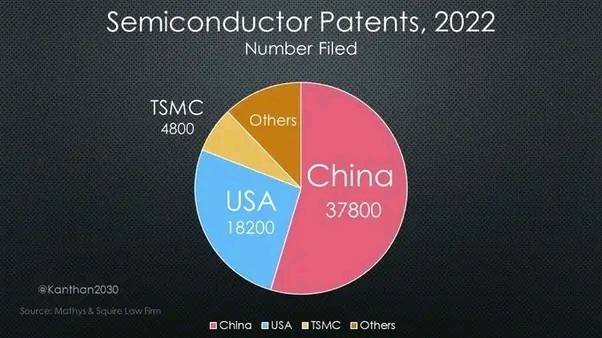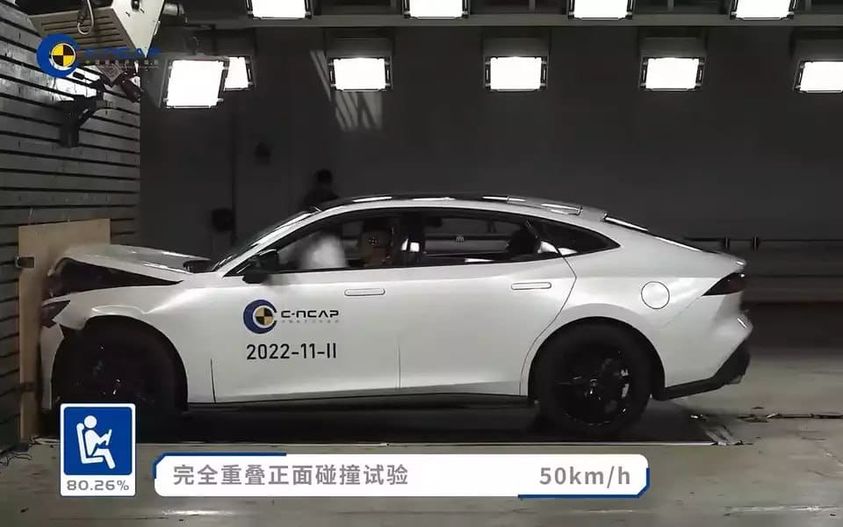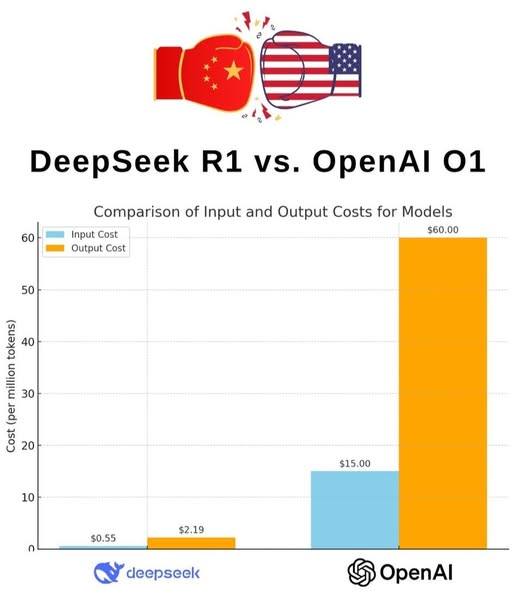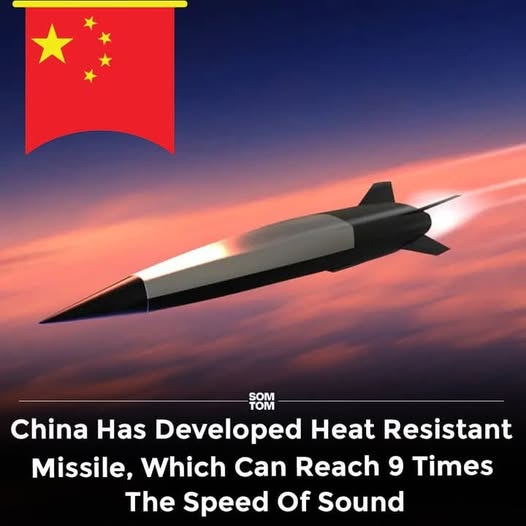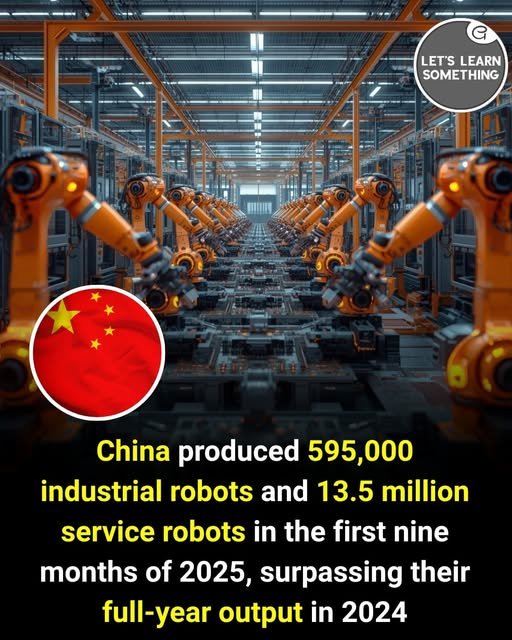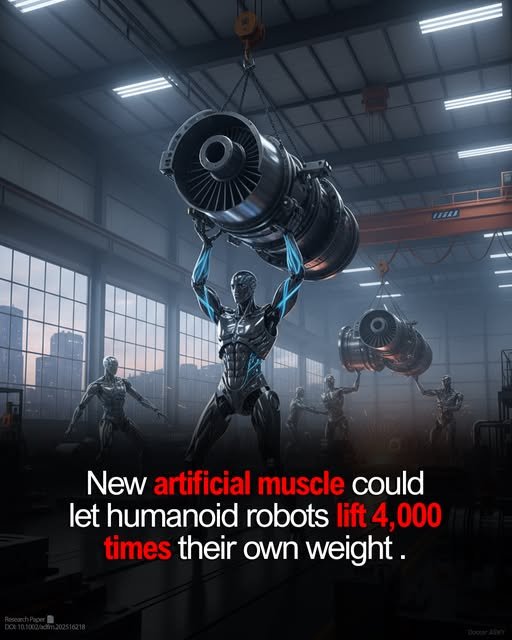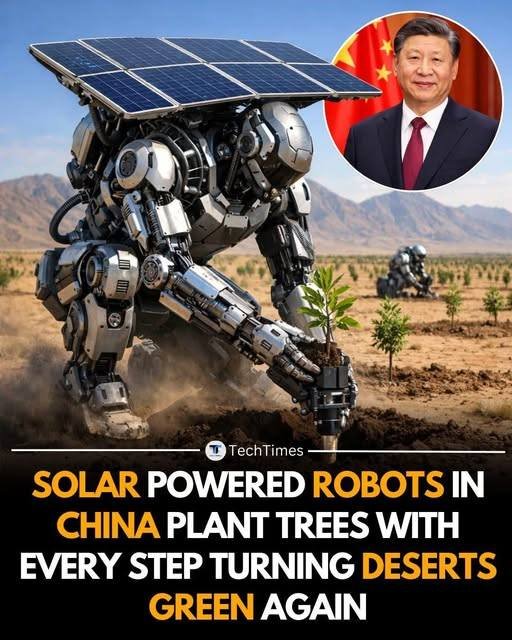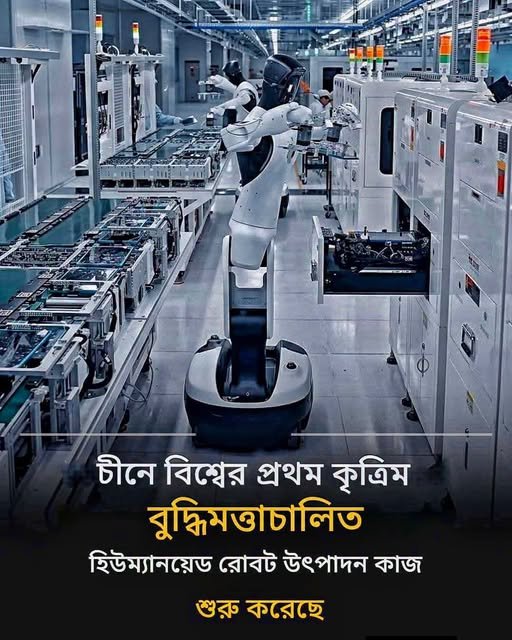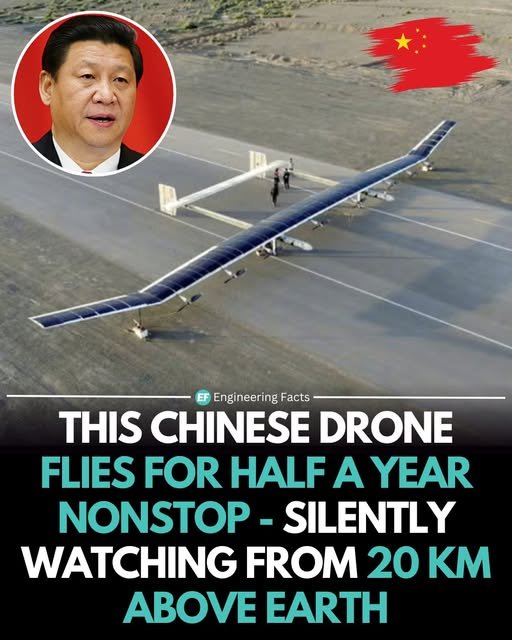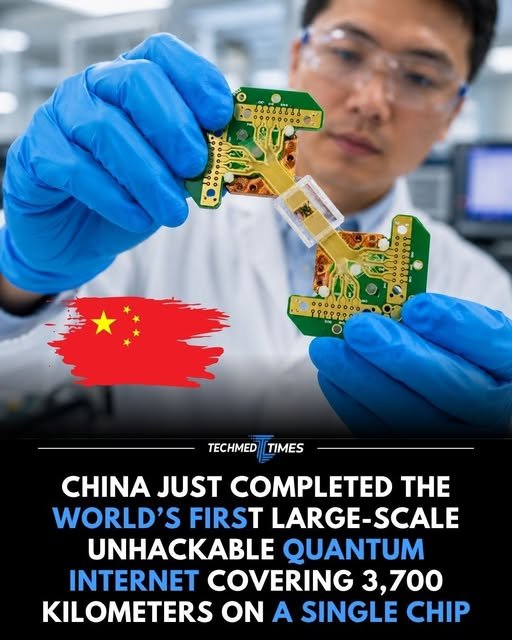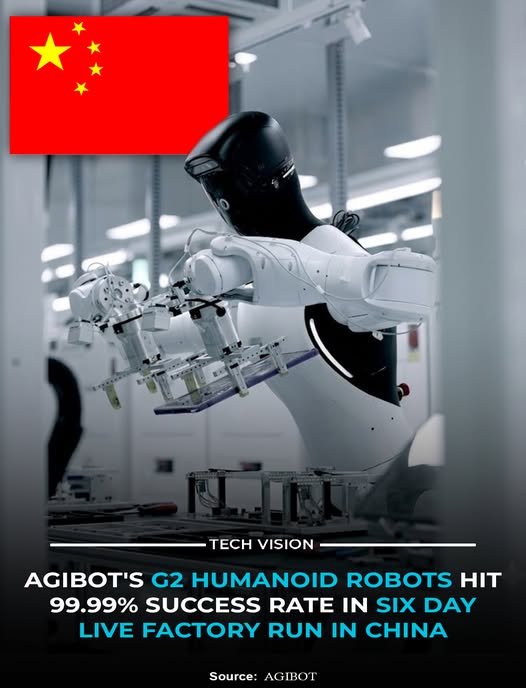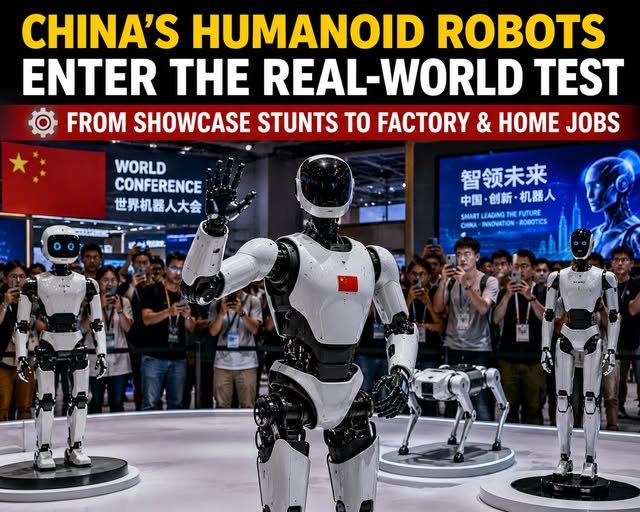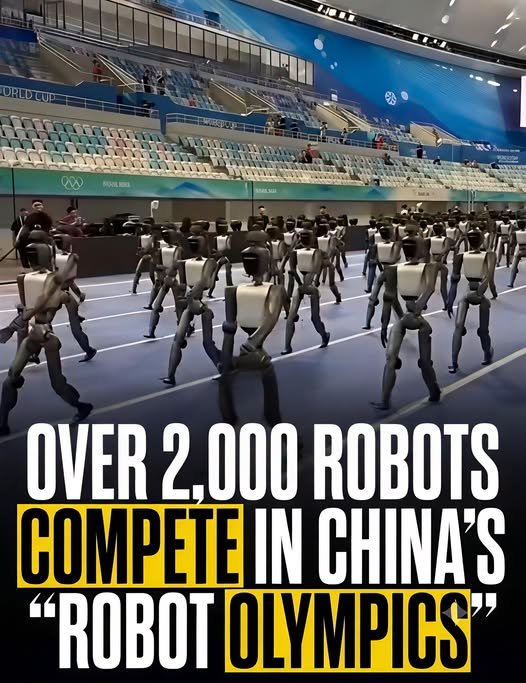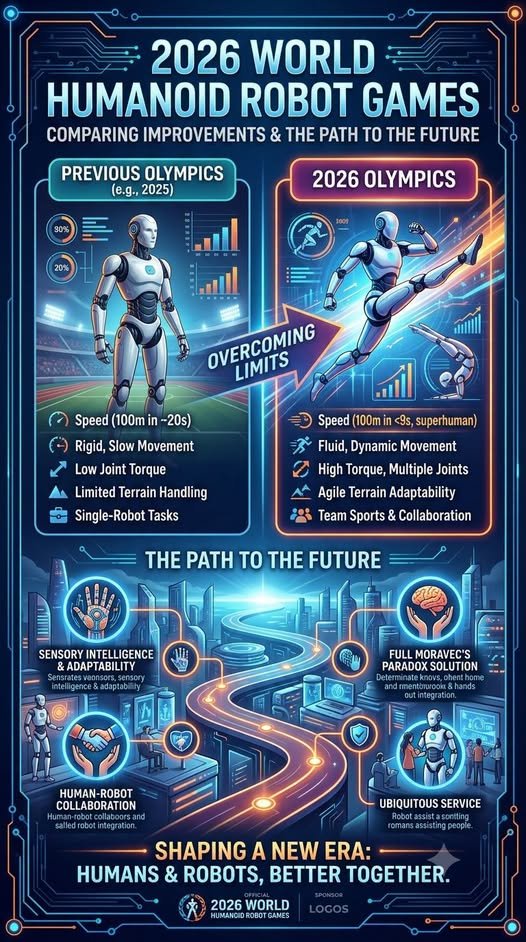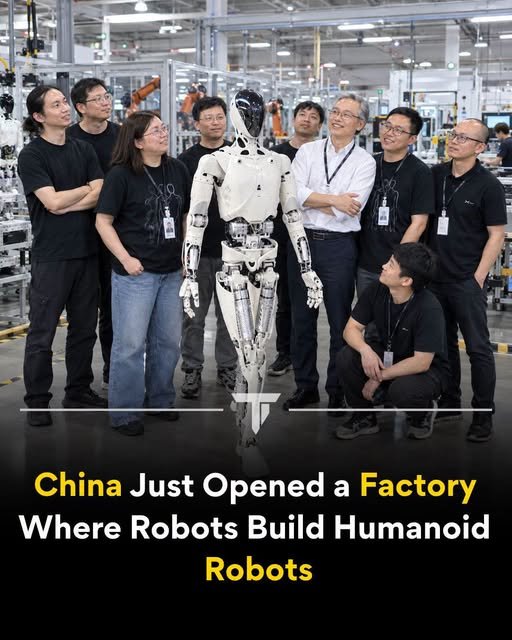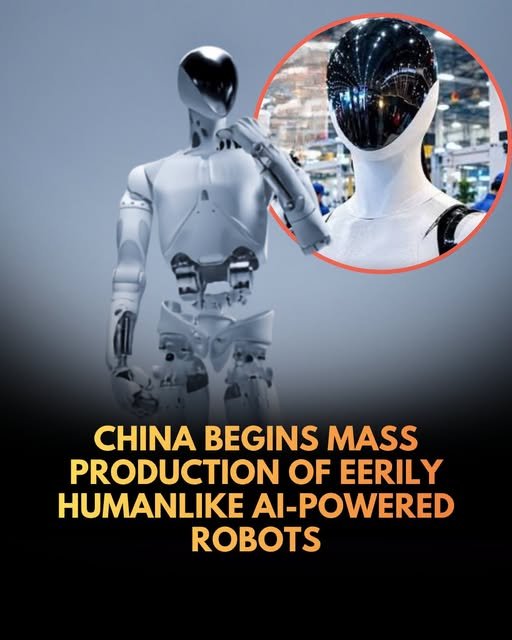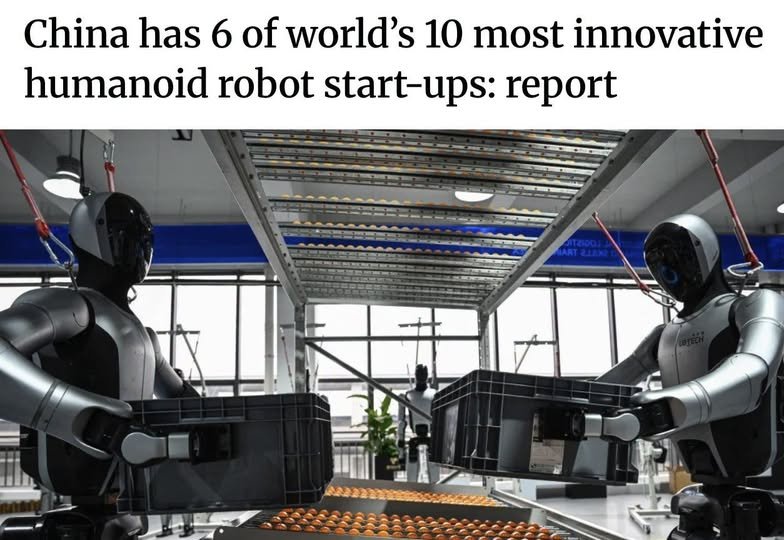

A LexisNexis study of global patent data finds that Chinese firms account for six of the world’s 10 most innovative humanoid robotics start-ups, including a clean sweep of the top five: Fourier, AgiBot, LimX Dynamics, Pudu Robotics and Unitree. The US manages three. Over the past decade, Chinese patent filings in the field have doubled in interaction systems, risen two and a half times in robot morphology, and increased fivefold in control and planning architectures.
In the same week, Washington banned imports of new Chinese robots and power inverters. Coincidence?
There is an easily observable pattern in the West’s approach to trade. When it’s ahead, it preaches free trade. When it falls behind, it practises protectionism whilst squealing about national security.
Britain fought two wars against China, in 1839 and 1856, to force open the Chinese market to opium. Palmerston’s gunboats sailed under the banner of free commerce, and the resulting treaties took Hong Kong, imposed indemnities and opened the treaty ports. A century of humiliation, launched in the name of the free market.
Then there was the free trade in human beings. When the Royal African Company’s monopoly was broken in 1698, it was liberalisation that did it – throwing the slave trade open to any English merchant who fancied a share. Liverpool and Bristol were built on that particular exercise in market freedom.
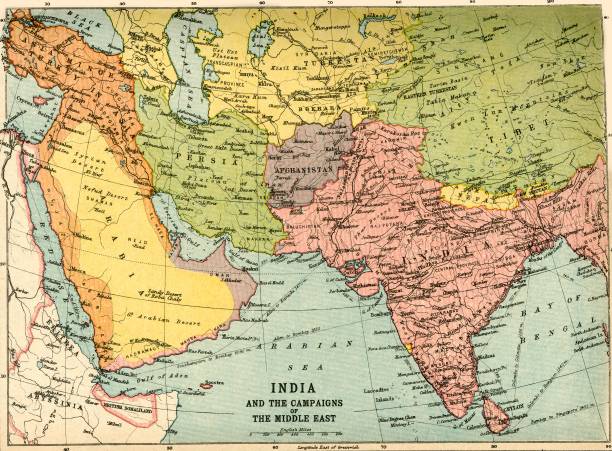
India’s textile industry was the most advanced in the world before the East India Company arrived. It was destroyed by a combination of force and prohibitive tariffs on Indian cloth entering Britain. Only once Lancashire’s mills held the advantage – an advantage won in no small part through slavery and colonial plunder – did Britain discover the universal virtues of open markets. India was then flooded with the products of machines built using capital drained out of Bengal.
Friedrich List described the technique in 1841. A country that has reached the summit of greatness, he wrote, “kicks away the ladder by which he has climbed up, in order to deprive others of the means of climbing up after him”. Britain and the United States industrialised behind some of the highest tariff walls in history, and preached free trade only afterwards.
Now, however, China has built its own ladder, and the West lacks the means to kick it away – so it resorts to protectionism, wrapped in the language of national security.
The real problem with Chinese robots is not that they’re a threat to our way of life, but that they’re good, cheap and not ours.
Author: Saikat Bhattacharya