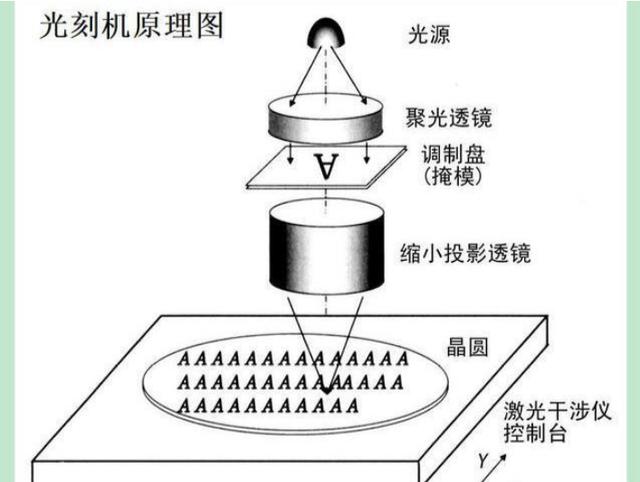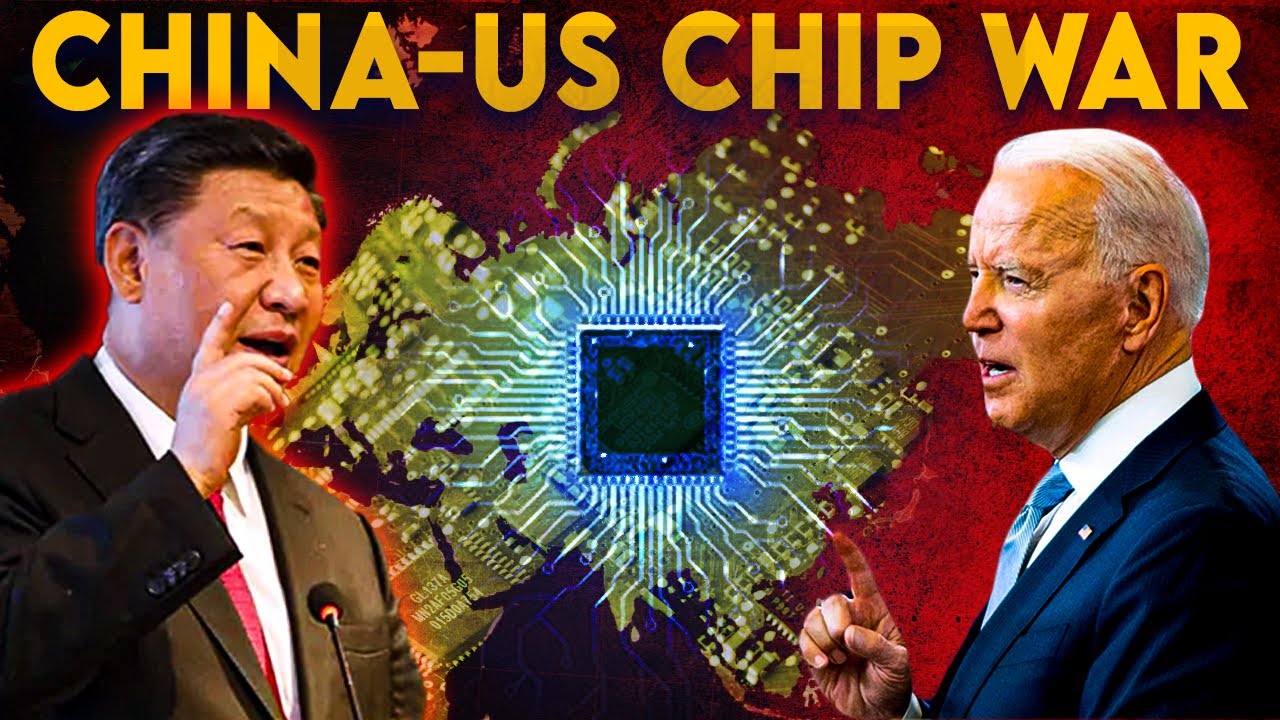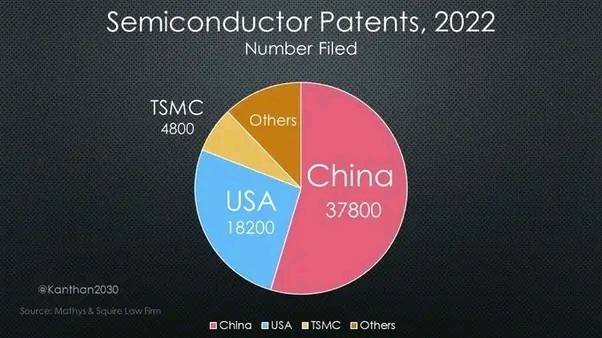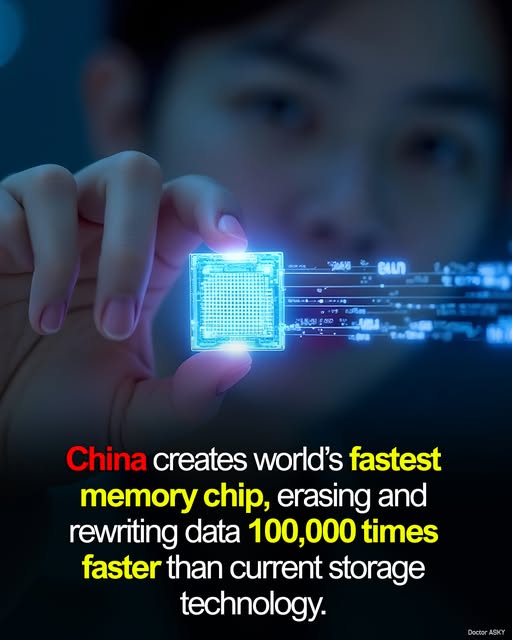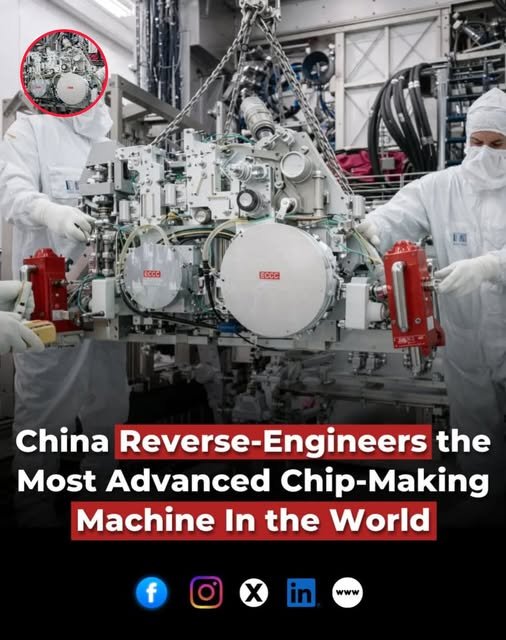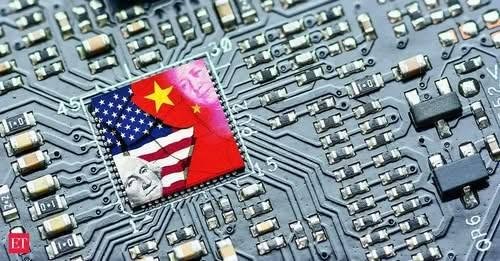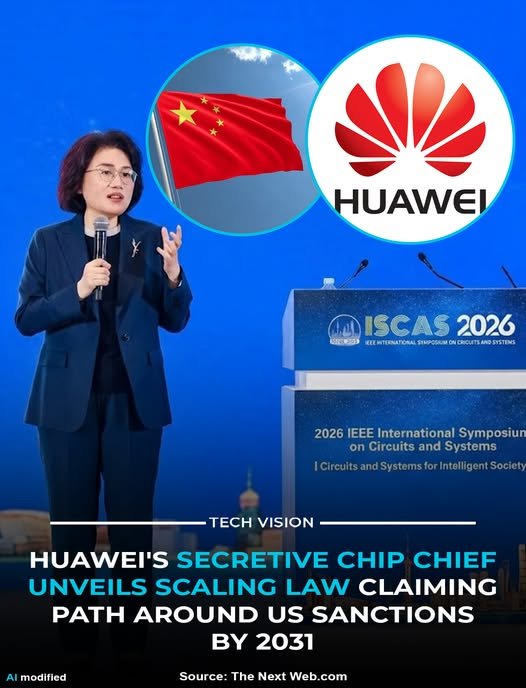

He Tingbo, head of Huawei's semiconductor division and dubbed China's "chip queen," re-emerged publicly after seven years out of view to unveil the "Tau (τ) Scaling Law" at Shanghai's IEEE International Symposium on Circuits and Systems. Huawei claims the framework can deliver transistor densities equivalent to a cutting-edge 1.4-nanometre process by 2031 without extreme ultraviolet lithography machines that U.S. export controls have denied China since 2019. The announcement has split the global semiconductor community between those crediting Huawei with a genuine architectural breakthrough addressing the industry's post-Moore's Law slowdown, and skeptics who call it unproven theory untested at manufacturing scale. He's retreat into secrecy after Washington's 2019 sanctions became a symbol of Huawei's survival fight; her return to the spotlight signals Beijing's confidence in domestic chip self-sufficiency narratives ahead of continued U.S.-China technology decoupling, regardless of whether the claimed density gains prove commercially viable.
Author: Saikat Bhattacharya