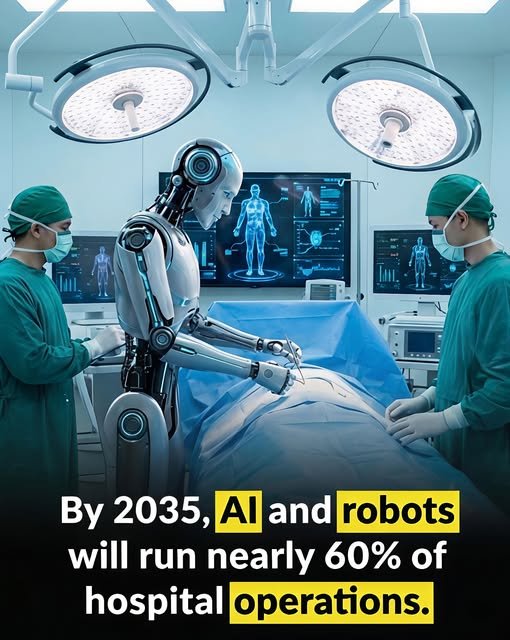






By 2035, artificial intelligence and robotics are expected to handle nearly 60 percent of routine hospital operations, from diagnostics to administrative tasks and assisted surgeries.
Hospitals are already using Al for medical imaging, patient monitoring, scheduling, and drug management, helping reduce errors and improve efficiency.
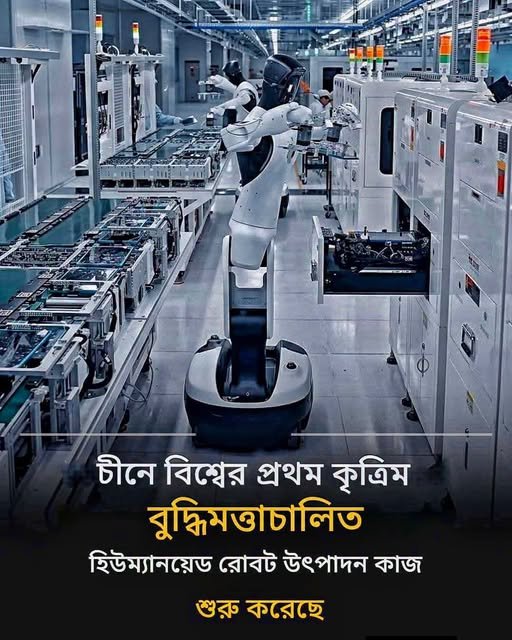
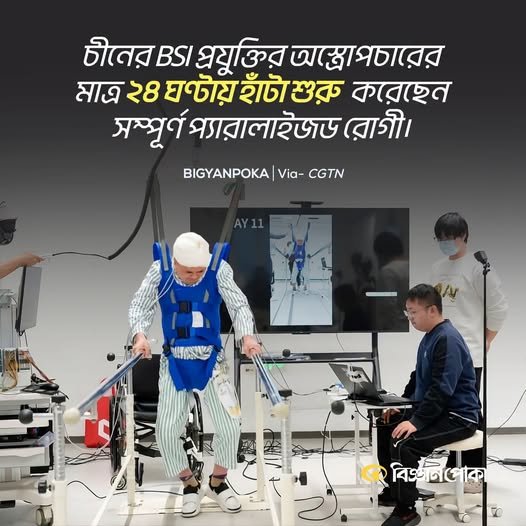
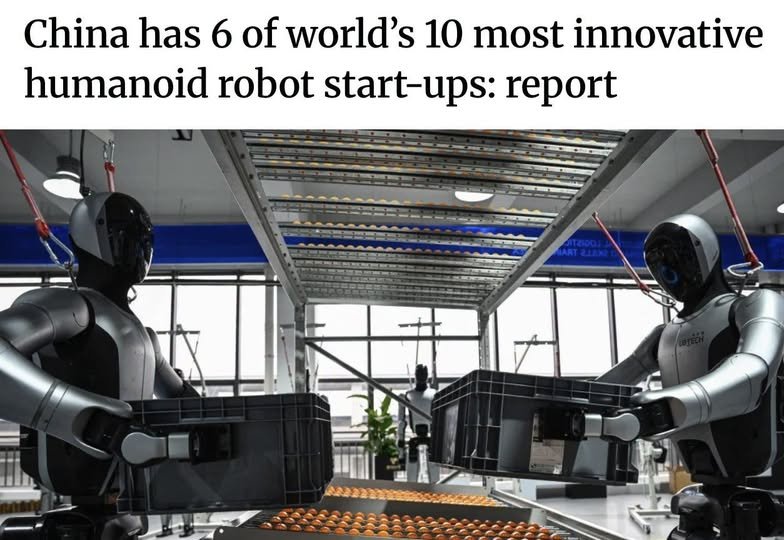
Robotic systems are becoming more advanced in surgery, lab testing, and repetitive clinical work, operating with precision and zero fatigue.
Experts say this shift will reshape healthcare jobs rather than replace them, letting doctors focus more on patient care while machines manage technical processes.
(Source: World Economic Forum Healthcare Technology Outlook
Author: Saikat Bhattacharya