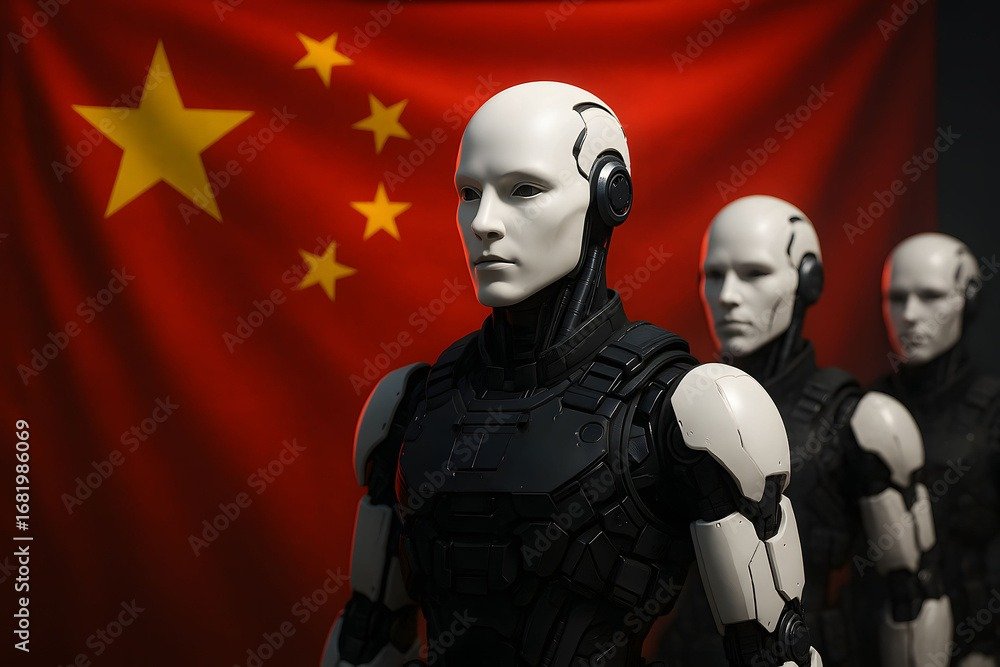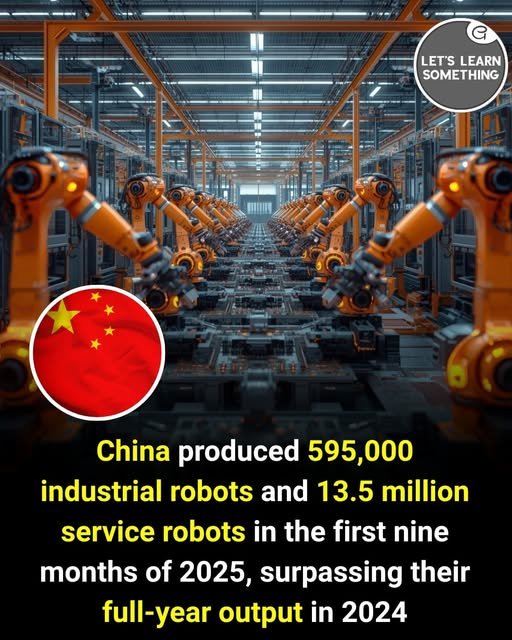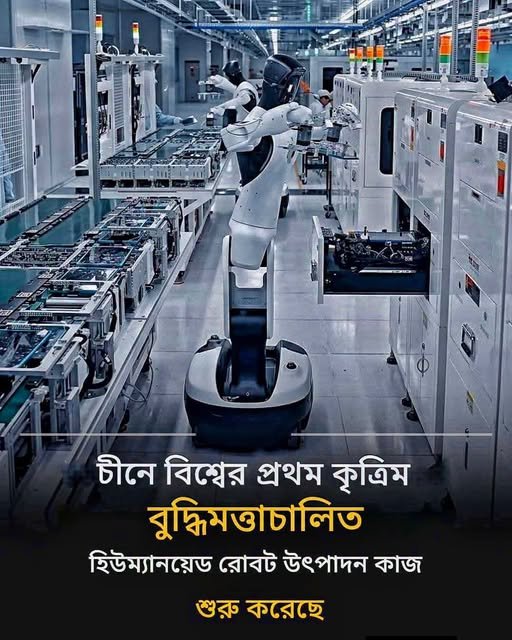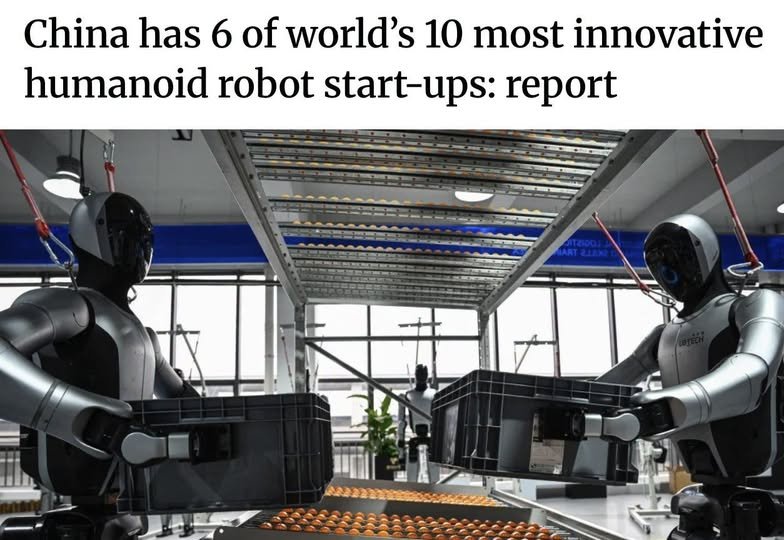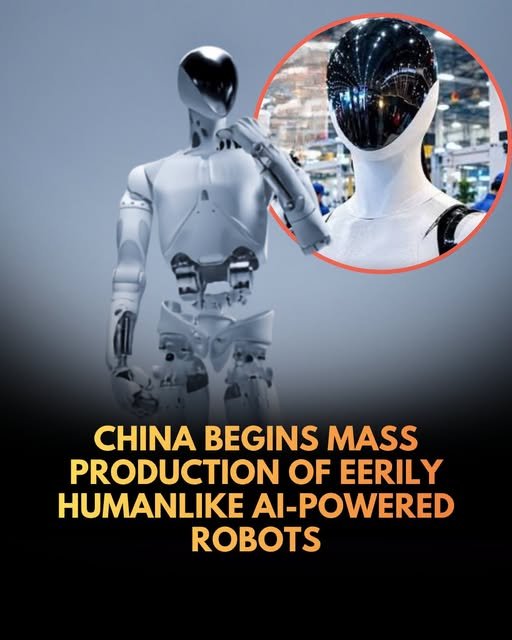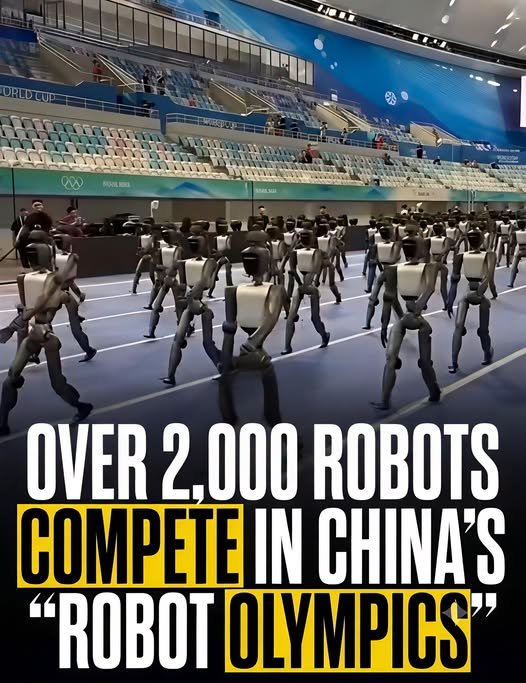






More than 2,000 humanoid robots just converged on Beijing — and the competition is showing how quickly the technology is advancing.
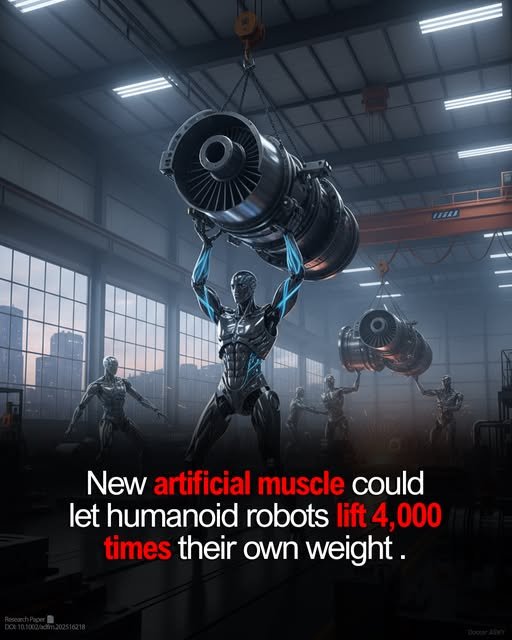
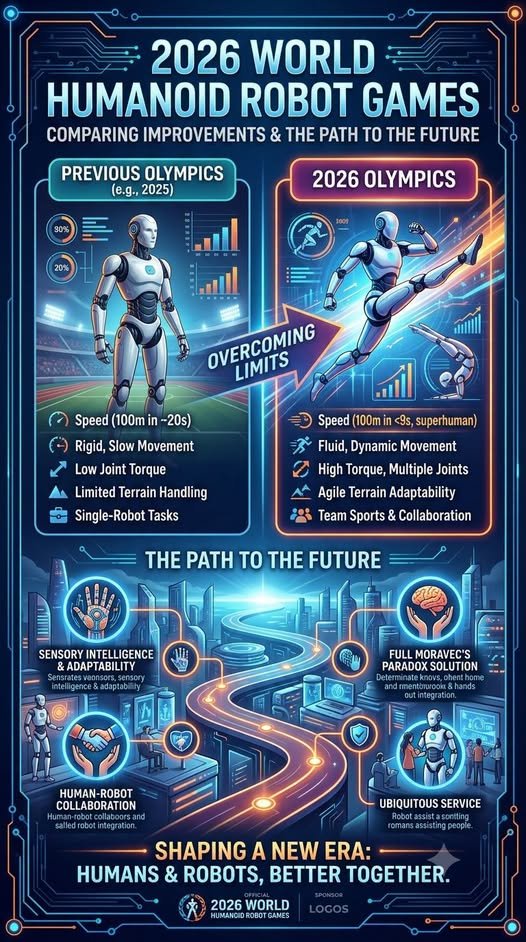
The second World Humanoid Robot Games brought together 2,056 robots from 666 teams across 16 countries from August 22–26. Robots competed in sports including sprinting, football, weightlifting and tug-of-war while also tackling practical tasks designed to test their ability to work in real-world environments.
The scale has grown dramatically from the 2025 debut, which featured more than 500 robots from 280 teams.
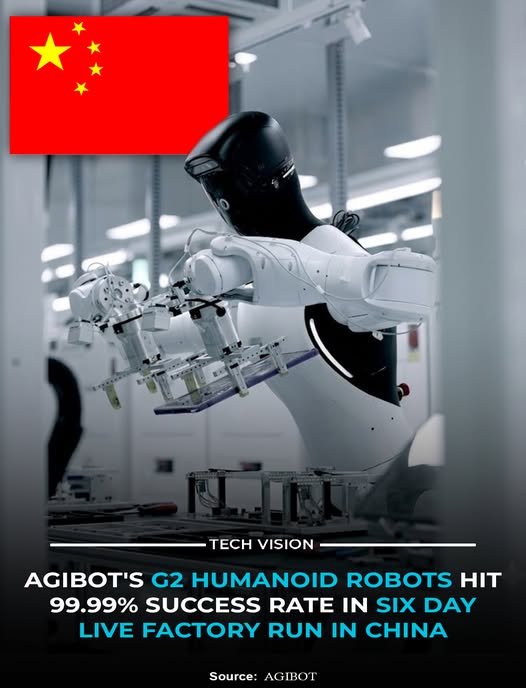
For the US robotics industry, the bigger story is what these tests reveal about the race to make humanoids useful outside the lab. The same balance, coordination, speed and task execution being tested in Beijing are capabilities American companies will need if humanoid robots are going to become practical workers.
Meanwhile, prediction markets currently put the chance of a Tesla Optimus or another humanoid going on general sale before the end of 2026 at around 11%.
The robot race isn't slowing down. The real question is who turns impressive demos into useful machines first.
Author: Saikat Bhattacharya