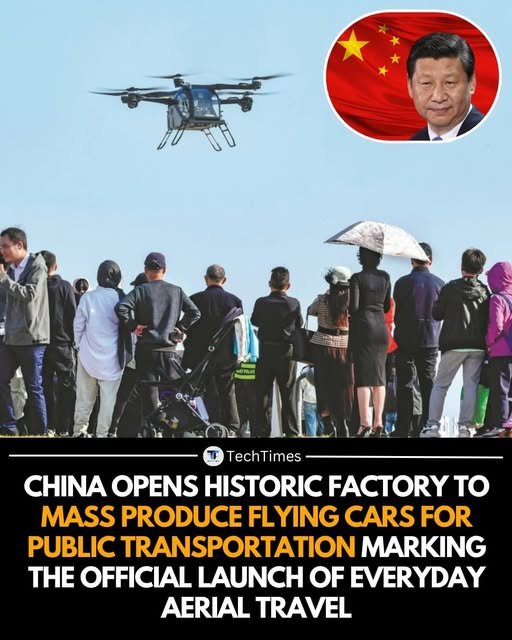






China has officially opened the world’s first factory dedicated to mass-producing flying cars for public use. Unlike experimental prototypes, this facility is built to full industrial standards, signaling a shift from concept to real-world transportation.
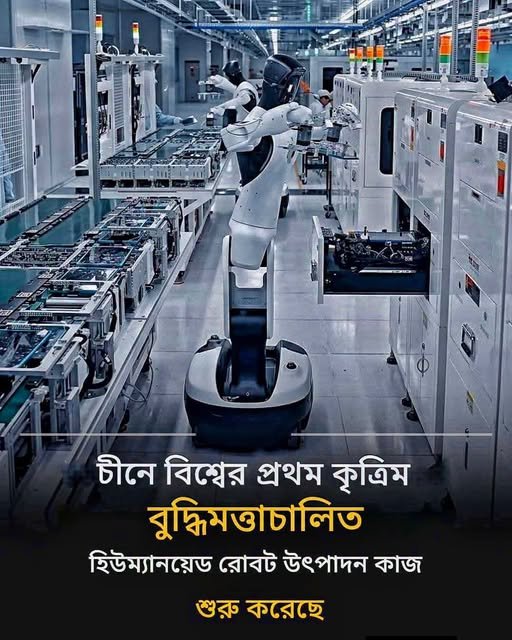
The factory uses automated assembly lines, aviation-grade safety testing, and electric propulsion systems designed specifically for urban air mobility. Engineers focused on reliability, scalability, and safety rather than one-off demonstrations.
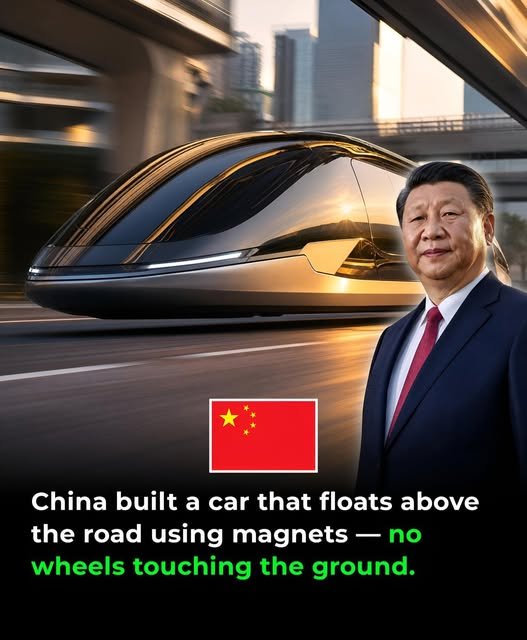
These flying vehicles are designed to operate both on roads and in controlled airspace using vertical takeoff and landing technology. Autonomous navigation, collision-avoidance systems, and noise reduction were prioritized for dense city environments.
Mass production dramatically lowers manufacturing costs compared to hand-built aircraft. Analysts say this approach could make flying cars commercially viable for public transport, emergency services, and future ride-sharing networks.
This development places China at the forefront of next-generation mobility. What once belonged to science fiction is now entering everyday infrastructure, potentially reshaping how cities move, grow, and connect.
Author: Saikat Bhattacharya