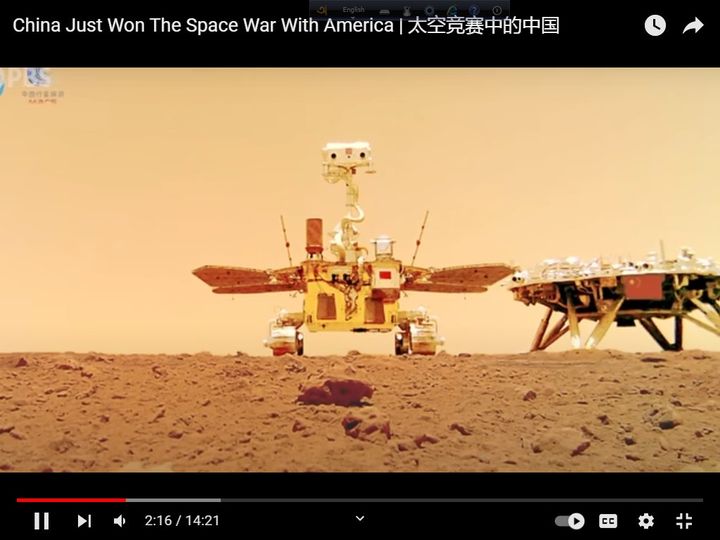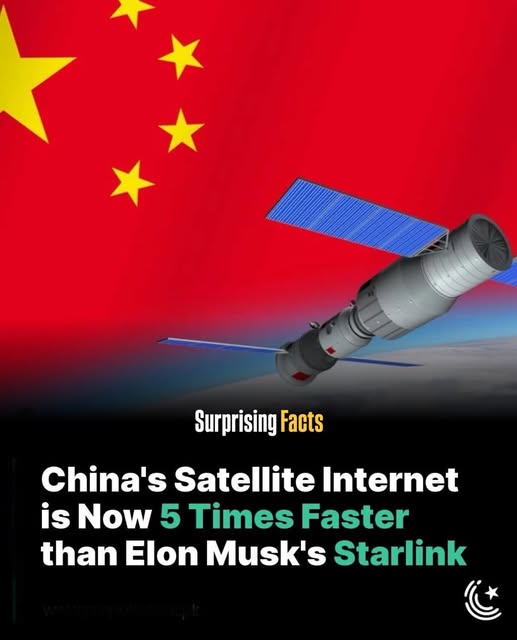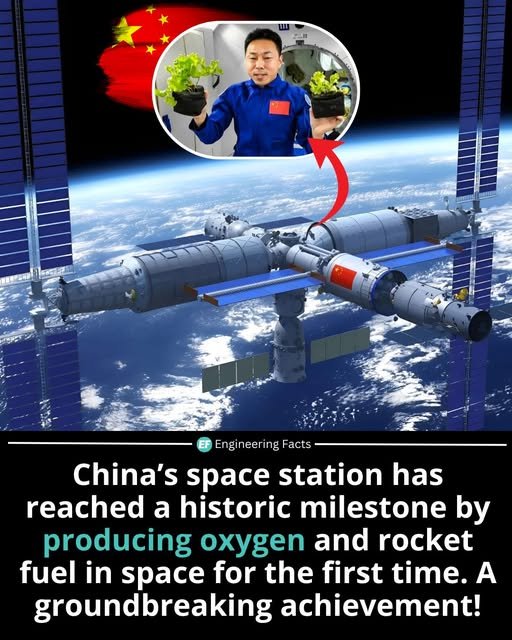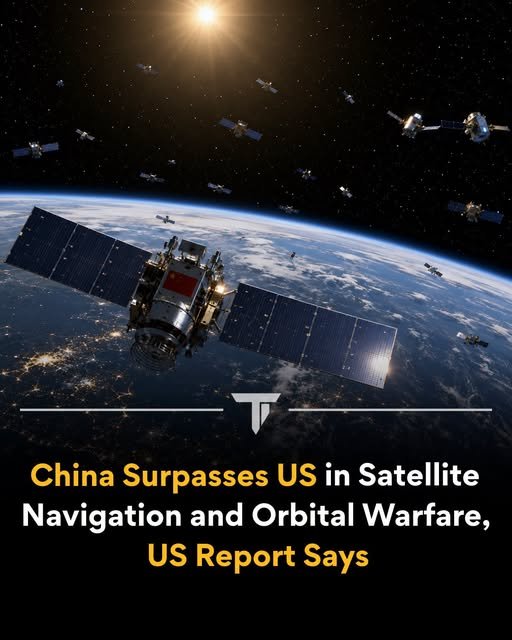





China’s space program just made history by achieving something that could redefine future missions: producing both oxygen and rocket fuel directly aboard its space station. This innovation marks a major step toward long-term space habitation and self-sustaining deep space travel, eliminating the need to constantly resupply from Earth—a costly and complex task.
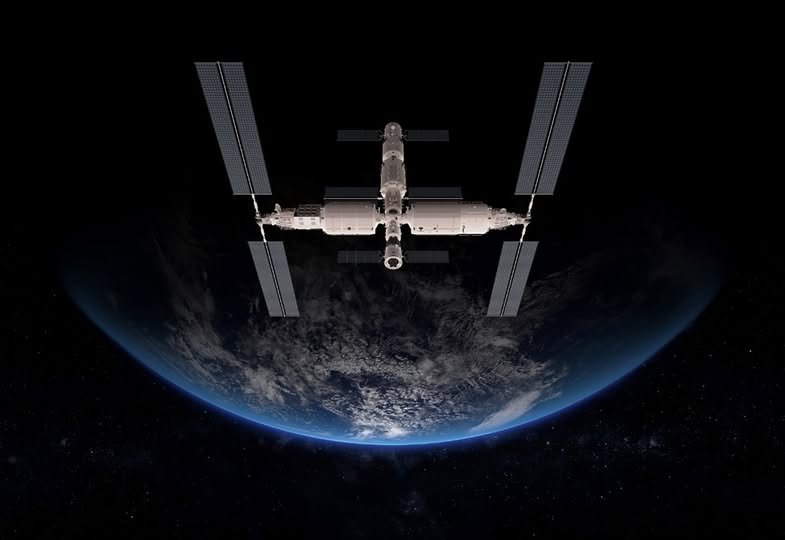
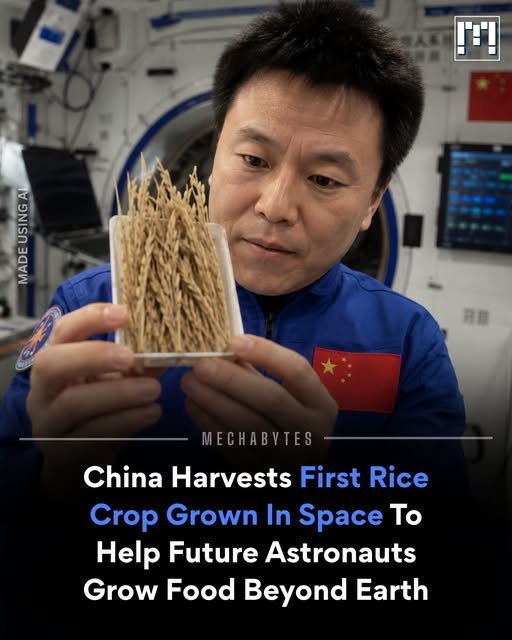
This milestone proves that China is not only catching up in the global space race but actively leading in critical life-support and propulsion technologies. From growing plants in orbit to creating the resources needed for astronauts to breathe and return home, the Tiangong Space Station is fast becoming a model for next-gen space ecosystems.
Author: Saikat Bhattacharya