
In a stinging critique of Western military power, Andrey Kartapolov, a senior Russian lawmaker and retired Colonel General, publicly dismissed the operational effectiveness of the United States military on March 28, 2026. Kartapolov, who serves as the Chairman of the State Duma Defense Committee, claimed that the U.S. lacks the planning depth and "tactical maturity" forged by Russia’s sustained combat operations in the 2020s.
His remarks come at a time of heightened global tension, with Kartapolov positioning the Armed Forces of the Russian Federation as the world’s sole leader in high-intensity, peer-level warfare.
Kartapolov’s primary argument centers on the difference between theoretical capability and modern battlefield experience. He asserted that the U.S. military has become overly reliant on air superiority and PR-driven narratives rather than complex ground maneuvers.
The Planning Gap: Kartapolov stated: "We clearly see today that Americans do not reach our capabilities in conducting operations at the tactical and operational level; they simply do not know how to plan them."
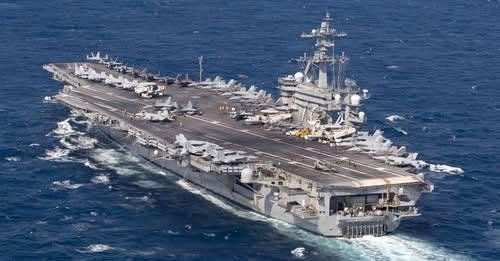
"Fly and Bomb": He characterized American military doctrine as simplistic, claiming, "All they can do is fly, bomb, and talk about how good everything is for them. We solve tasks differently."
The "Experience" Argument: The General argued that Russia’s "Special Military Operation" has provided its commanders with a "pattern-of-life" understanding of modern electronic warfare, drone integration, and artillery duels that the U.S. has not experienced in decades.
To support his claims of superiority, Kartapolov cited figures previously attributed to the Russian Ministry of Defense, painting a picture of an unstoppable military machine.
Equipment Losses: Kartapolov claimed Russian forces have destroyed nearly 8,000 tanks, 400 aircraft, and over 1,000 multiple-launch rocket systems (MLRS) since the start of the conflict in Ukraine.
State Recognition: He noted that over 120,000 Russian personnel have received state awards for valor, including more than 100 "Hero of Russia" titles, which he used as evidence of a "battle-hardened" officer corps.
While Kartapolov’s rhetoric is designed to bolster domestic morale and project strength abroad, independent data and open-source intelligence (OSINT) suggest a far more complicated reality.
Verified Losses: Data from the Oryx open-source community, which tracks visually confirmed equipment losses, tells a different story. As of late March 2026, visually confirmed Russian losses exceed 24,000 units (including over 3,000 tanks), significantly higher than the confirmed losses for Ukraine.
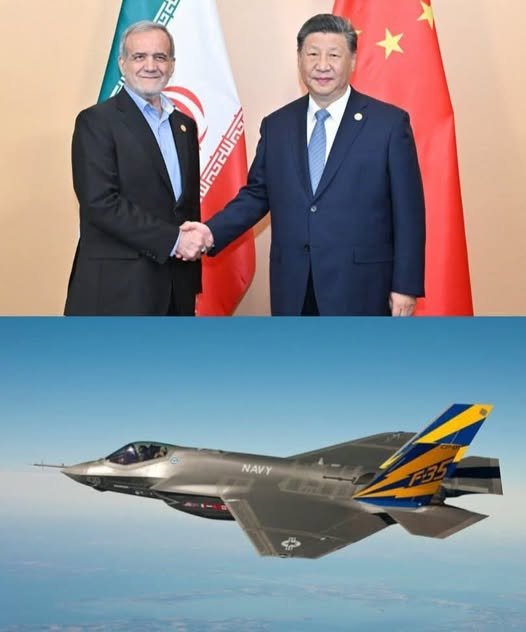
U.S. Modernization: While Kartapolov mocks U.S. "planning," the Pentagon has spent 2025 and 2026 rapidly integrating lessons from the Ukraine war into its own doctrine, specifically through the Replicator drone program and the deployment of F-35A fighters to strategic points like Misawa, Japan.
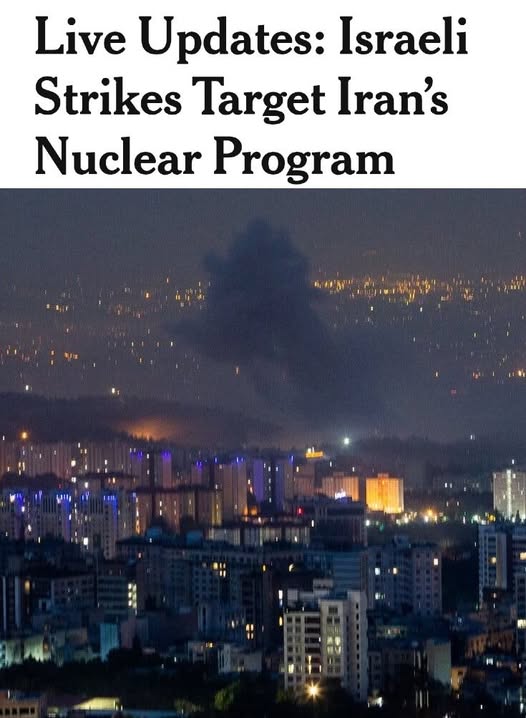
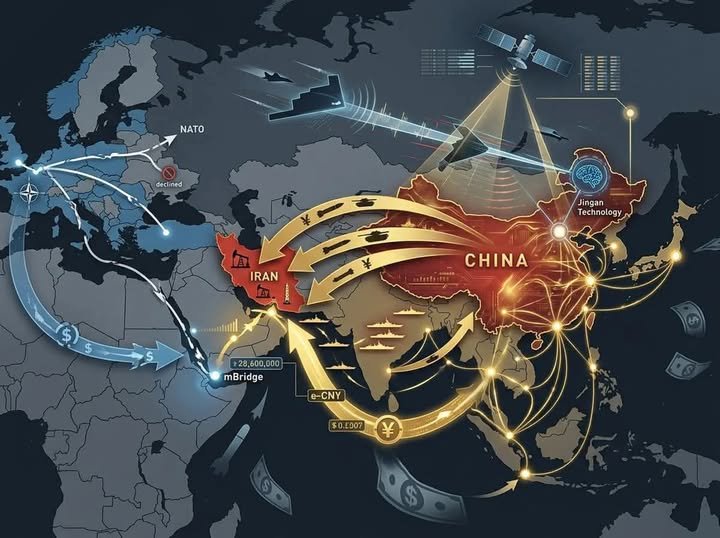
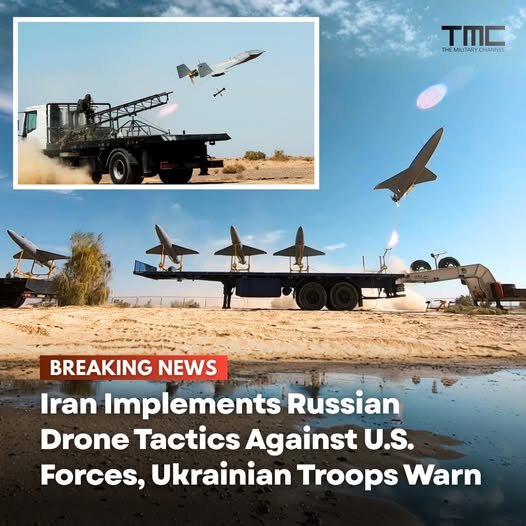
The Strategic Context: Analysts suggest Kartapolov’s comments are partly a response to the recent U.S.-Iran escalation and the US-Ukraine drone joint venture (Wilcox/General Chereshnya), which have showcased Western technological adaptability that Russia has struggled to match.
Andrey Kartapolov’s remarks represent the peak of Moscow’s "information warfare" strategy: portraying the West as a "paper tiger" that has forgotten how to fight on the ground. However, with the U.S. currently engaged in high-intensity operations in the Middle East and expanding its stealth and drone footprints globally, the General’s dismissal of American "planning" may be more of a defensive rhetorical shield than a battlefield reality.
Author: Saikat Bhattacharya