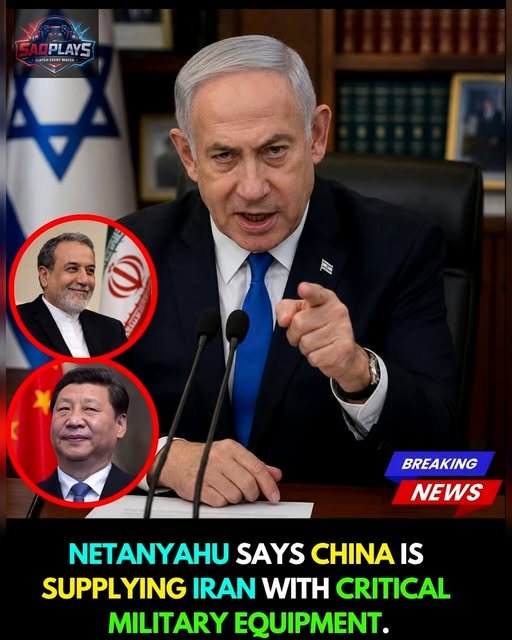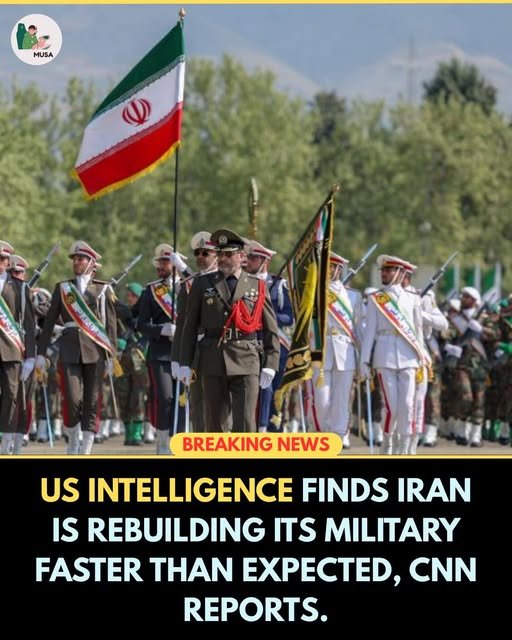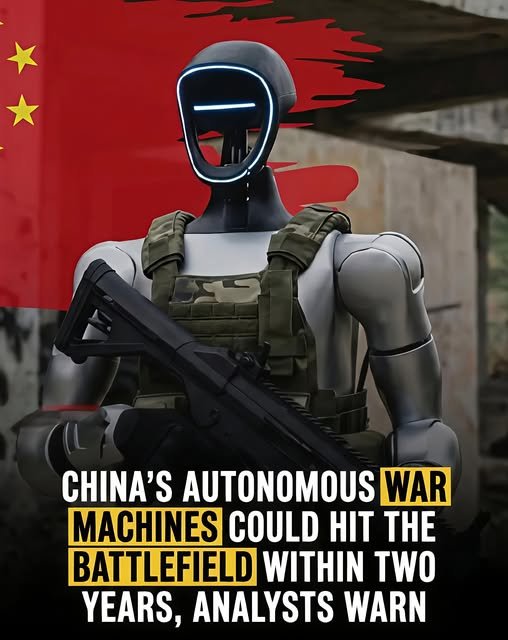

The analysis is a highly partisan, pro-Iran/pro-China narrative that mixes some accurate observations about real-world technological and industrial trends with a large amount of exaggeration, speculation, outdated assumptions, and outright inaccuracies or unproven claims. It reads more like enthusiastic propaganda or wishful thinking from a certain geopolitical viewpoint than balanced military analysis.
I'd rate it overall 4/10 — informative in spotting some genuine asymmetries (especially industrial scale and satellite/navigation advantages), but severely undermined by overconfidence, factual errors, and a failure to acknowledge counterpoints or the actual state of play in early 2026.
Here's a breakdown by key sections, based on current open-source information:
Hypersonic missile technology transfer from China to Iran
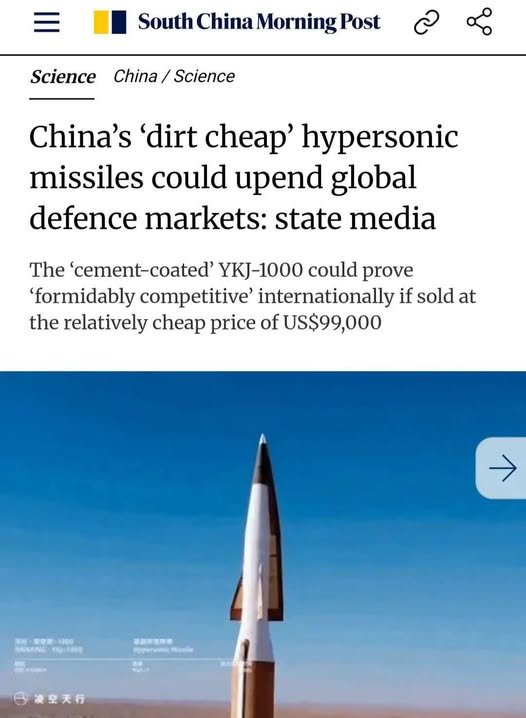
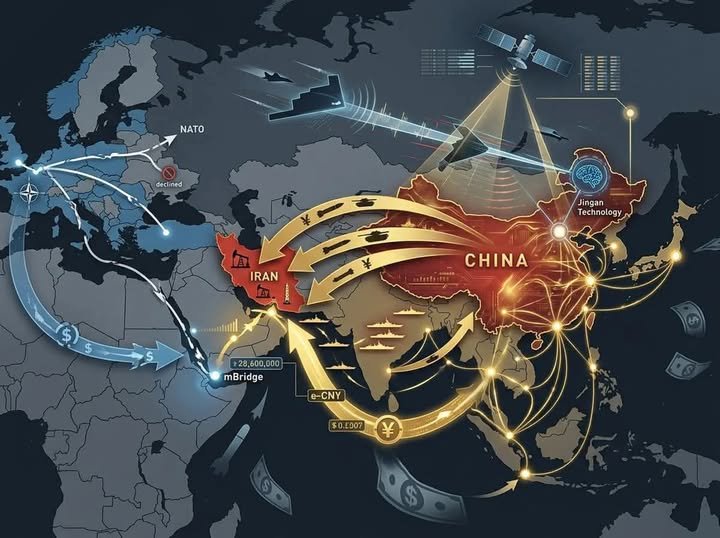
This is the weakest and most overstated claim. China tested hypersonic glide vehicles years ago (e.g., 2021 fractional orbital bombardment system tests), and it leads the West in some hypersonic glide vehicle (HGV) work. However, there is no confirmed evidence of China transferring true hypersonic (Mach 5+ with sustained maneuver) glider technology (e.g., DF-17 equivalents) to Iran. Iran's own claimed hypersonics (Fattah family) appear to be maneuverable reentry vehicles on ballistic missiles, not true HGVs, and are domestically developed with possible North Korean influence. Recent reports (2026) show Iran nearing deals for supersonic (not hypersonic) Chinese anti-ship missiles like CM-302 (YJ-12 export variant), which are fast but not hypersonic. The piece conflates these and assumes massive, secret transfers that stunned the US — no credible sources support that level of shock or capability leap.
BeiDou navigation giving Iran superior precision
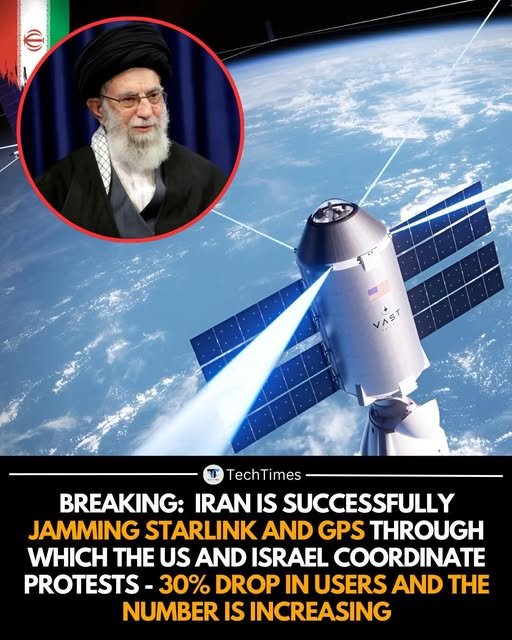
This part is plausible and partially supported. BeiDou is more advanced than GPS in coverage, anti-jamming resistance, and some accuracy metrics (especially for authorized users). Multiple 2026 reports and analyst commentary (e.g., former French intelligence officials) suggest Iran has likely shifted toward BeiDou to bypass GPS jamming/denial by Israel/US, explaining improved missile accuracy in recent strikes compared to 2024–2025 barrages. Short-message and spoofing capabilities exist in BeiDou, though the claim of routinely fooling US/Israeli radars into friendly-fire incidents is speculative and unconfirmed. Still, this is one of the stronger points.
Jilin-1 commercial satellites providing real-time ISR to Iran
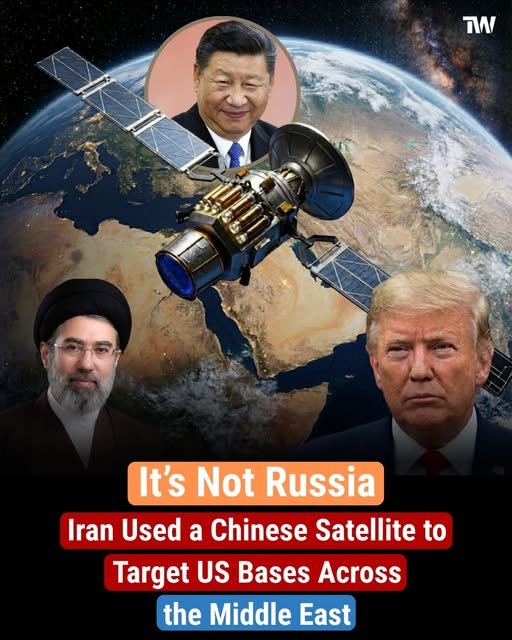
Partially accurate but overstated. Jilin-1 is a large Chinese commercial EO/video constellation with impressive revisit rates and resolution. Reports indicate it (along with military Yaogan systems) has been monitoring US/Iran operations, potentially feeding data to PLA for lessons learned and possibly sharing some with Iran. However, claims that it leaves the US military "completely naked" or provides better all-weather performance than Maxar are exaggerated — commercial systems like Jilin-1 complement but don't fully replace classified military ISR, and cloud penetration remains limited without SAR.
Anti-ship missiles (YJ-21 etc.) and small-boat swarm tactics in Hormuz
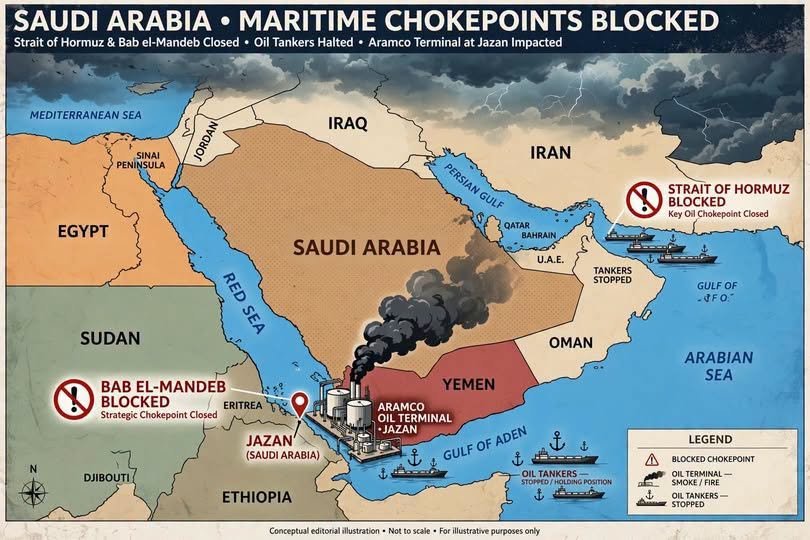
Directionally correct but premature. Iran is indeed small-boat/swarm oriented, and Hormuz geography favors asymmetric threats. China has advanced anti-ship ballistic missiles (e.g., YJ-21 on carriers) and cruise missiles. But confirmed transfers are still at the negotiation stage for supersonic cruise missiles (CM-302/YJ-12 variant), not hypersonic YJ-21. US Navy defenses (SM-6, Aegis upgrades, electronic warfare) are designed against such threats, though saturation and geography create real risks. No evidence yet of game-over "disastrous" outcomes.
5–6. Air defense/interceptors weakness, underground cities, decoys
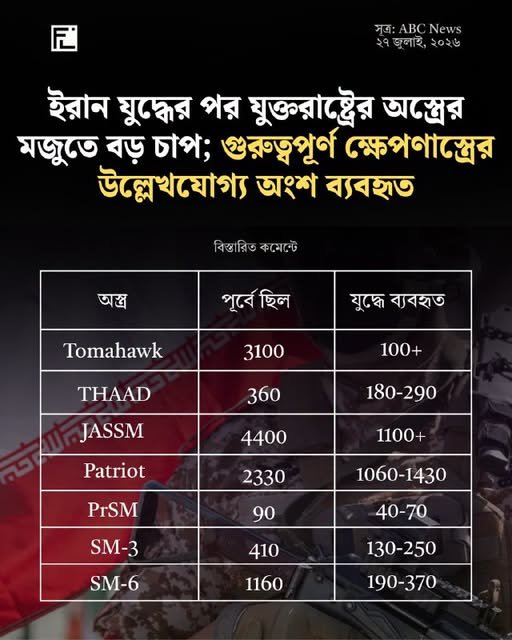
Reasonable points: Iran's air force is outdated, S-300/Bavar-373 have mixed records, and it relies heavily on underground basing, mobile launchers, and decoys to survive. These are long-standing Iranian strengths in asymmetric defense. The interceptor quantity-quality debate is real (US production struggles to keep up with expenditure rates in ongoing conflicts).
Overall manufacturing/industrial base argument
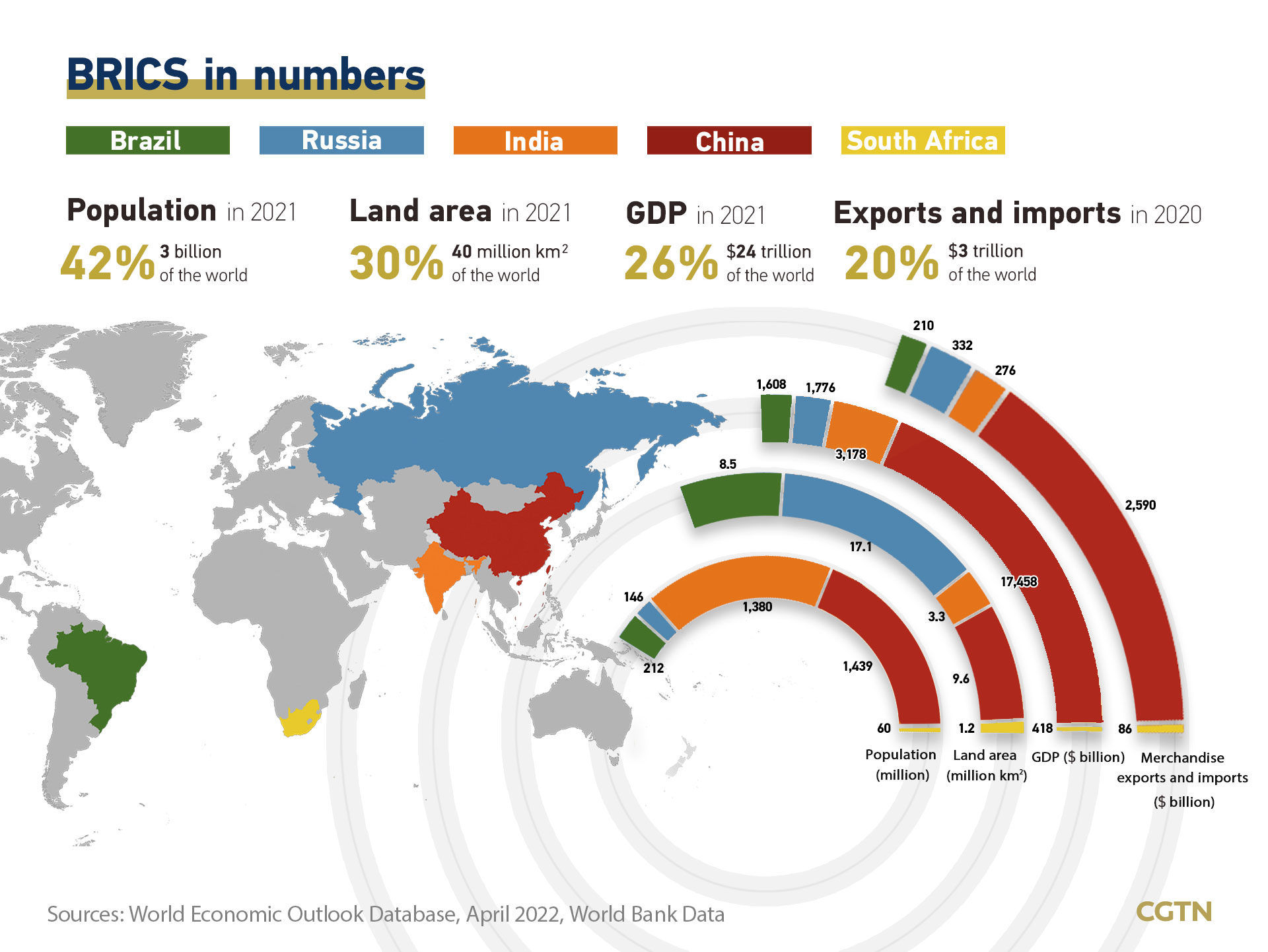
This is the strongest section conceptually. China does lead massively in shipbuilding, heavy industry, and mass production capacity. US defense industry has focused on high-end "exquisite" systems at the expense of surge/quantity production — a lesson painfully relearned from Ukraine aid and Middle East interceptor burn rates. Reports confirm US struggles to replenish Patriot/THAAD/SM-3 stocks quickly, while adversaries emphasize affordable mass (drones, cheap missiles). The historical analogies (WWII, post-1990s US hubris) are fair critiques. However, the piece ignores US advantages in software, AI integration, alliances, global basing, and ongoing production ramp-ups (e.g., Patriot output increasing significantly in 2025).
In summary, the text correctly identifies real trends — China's industrial edge, BeiDou's utility, satellite observation advantages, and US production bottlenecks — that worry Western planners. But it wildly inflates them into a narrative of near-total Iranian victory and US helplessness, ignoring Iran's remaining vulnerabilities (air superiority, sustained logistics, escalation risks) and the lack of confirmed transfers for the most decisive technologies. It's enthusiastic speculation rather than sober assessment.
Author: Saikat Bhattacharya