
Emrys Morgan LeBlanc
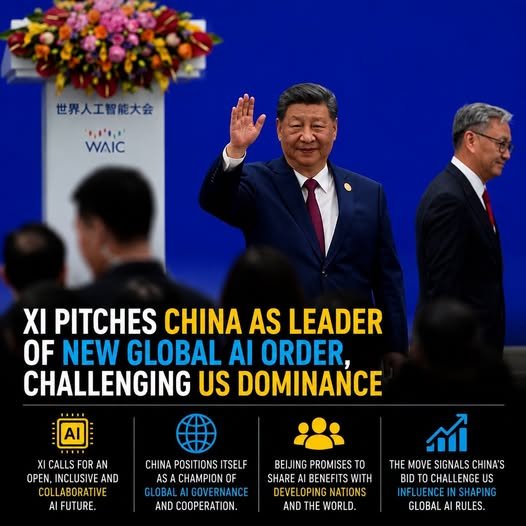
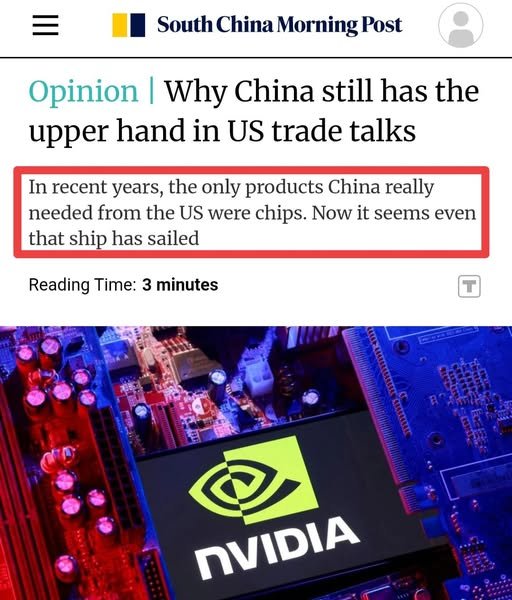
"Beijing stole a page from Washington’s playbook last month by effectively instituting its own chip #ban, with Chinese companies now discouraged from purchasing Nvidia’s AI chips. The bold, calculated move has surely rattled Trump administration officials, with their assumptions about China needing American technology.
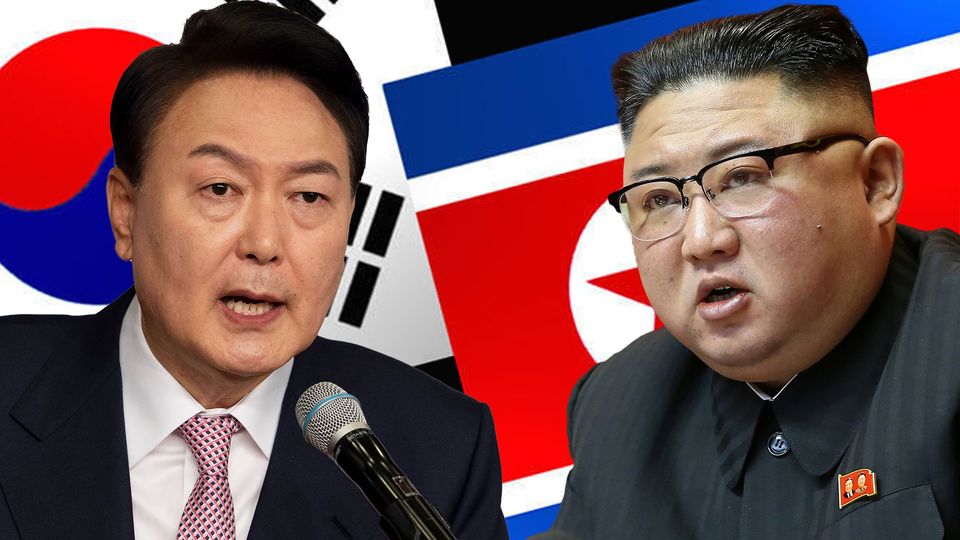
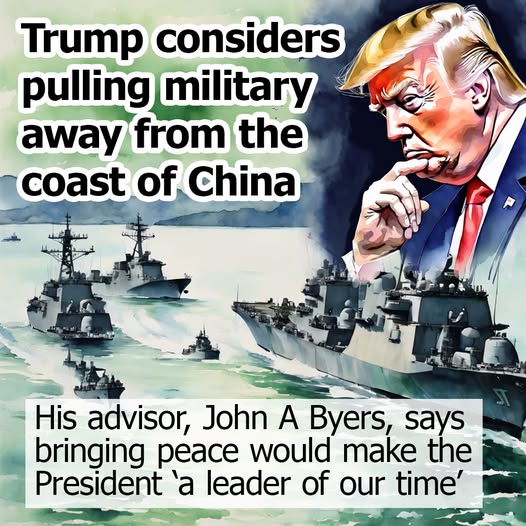
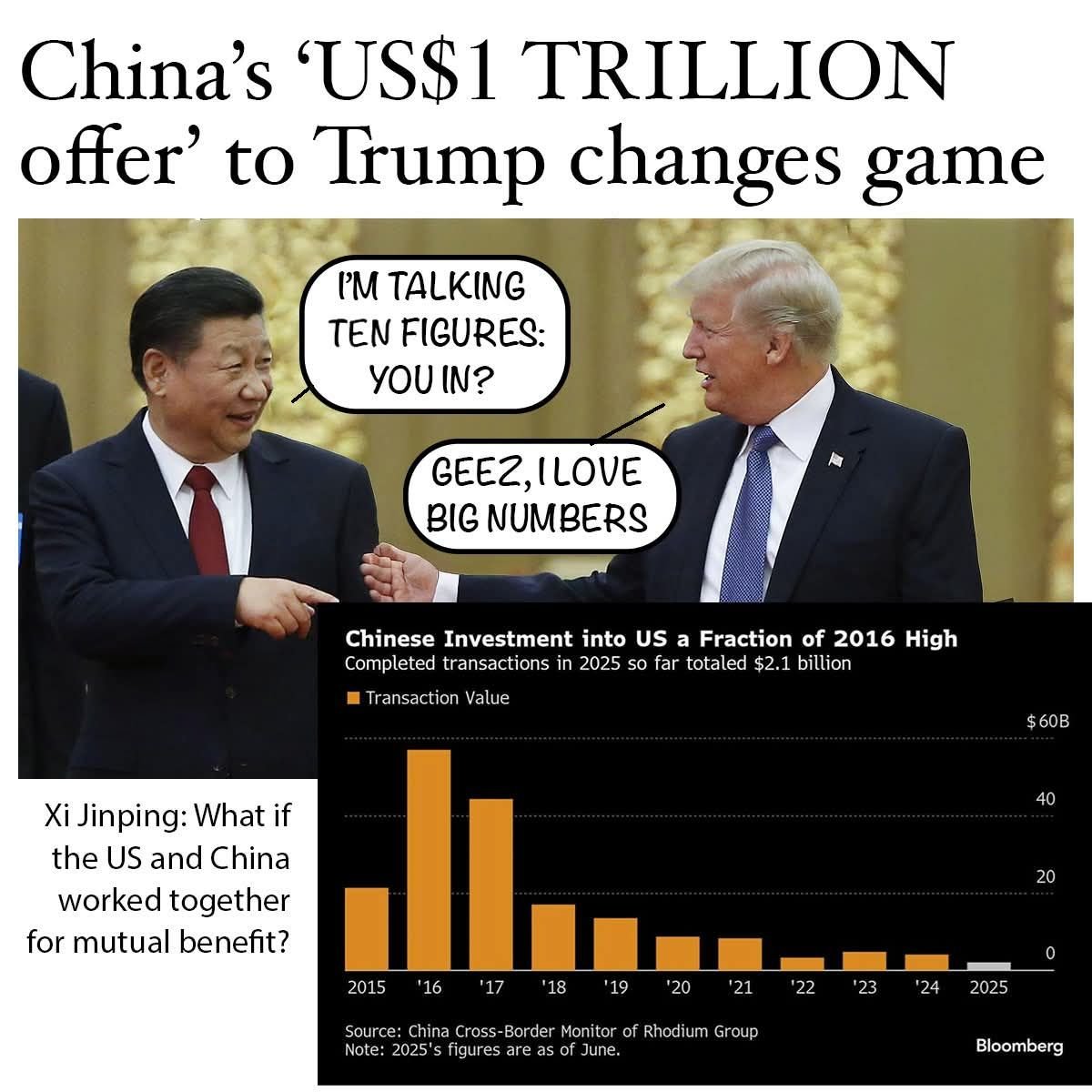
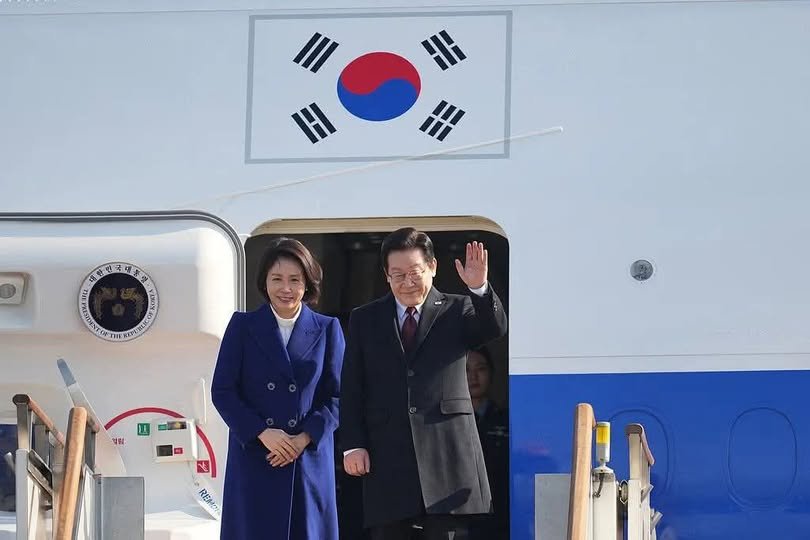
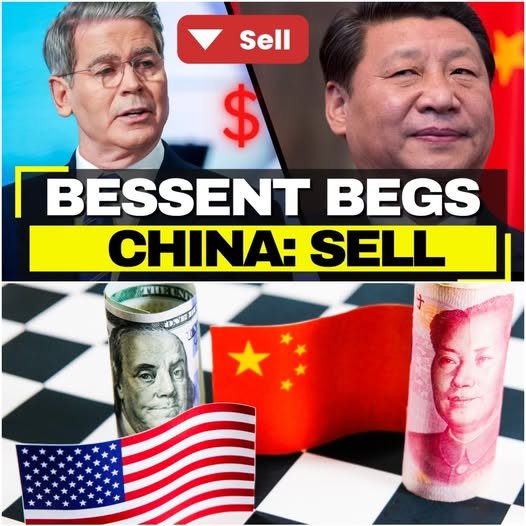
Indeed, the move suggests US President Donald Trump has little leverage. His desperation was on full display last Friday, with his threats to impose an additional 100 per cent tariffs on China and pull out of a meeting with President Xi Jinping at this month’s Asia-Pacific Economic Cooperation summit in Seoul.
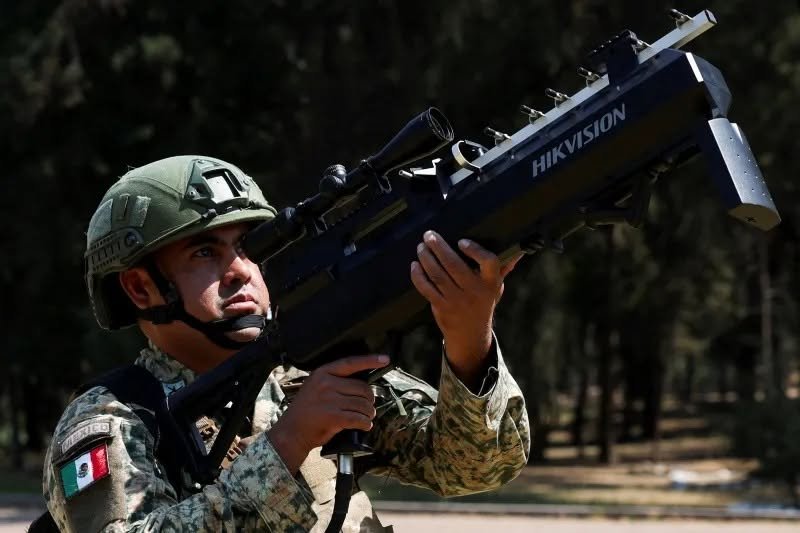
The US’ futile attempts to block Chinese access to advanced technology have only fuelled China’s drive for technological independence. Since Trump first took office, Washington has tried to thwart China by blacklisting Chinese tech companies and restricting their access to advanced semiconductor manufacturing equipment. The US is now seeking to ban the purchase of Chinese-made drones and other products deemed critical to American national security.
Chinese companies have demonstrated stoic resilience in the face of Trump’s ire. Telecommunications giant Huawei Technologies was considered all but dead when Washington began restricting its purchases of US technology in 2019. But by shifting towards domestic technology and spending more on research and development, Huawei has made a remarkable recovery – even reclaiming the top spot in China’s smartphone market.
More recently, the United States has focused on containing China’s artificial intelligence advances. But Chinese start-up DeepSeek shocked the world with the launch of a home-grown AI large language model built at a fraction of the cost of US rivals like ChatGPT. DeepSeek announced in August that it would be using Chinese-made chips in a new model. So much for crippling China’s AI prowess. 
To be sure, experts reckon China is still about five years behind global leaders in high-volume manufacturing of leading-edge chips. Yet with Beijing’s curbs on Nvidia chips, it must believe that Chinese chipmakers are not far from fully catching up. The Chinese are top players at hiding their cards.
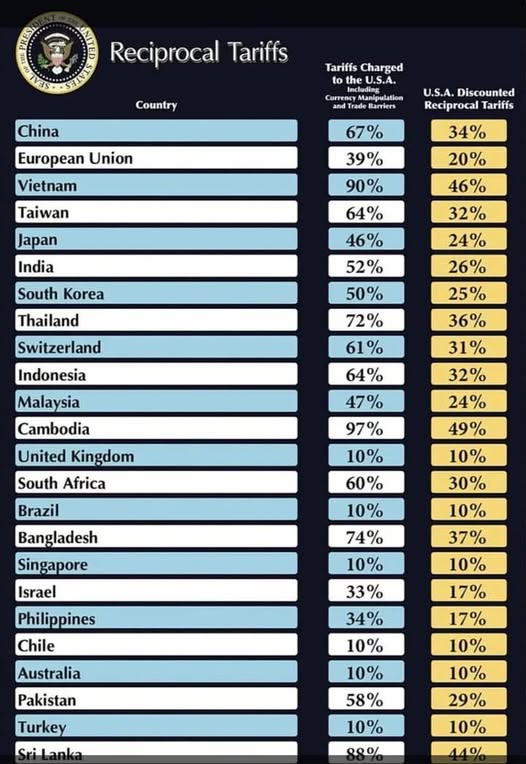
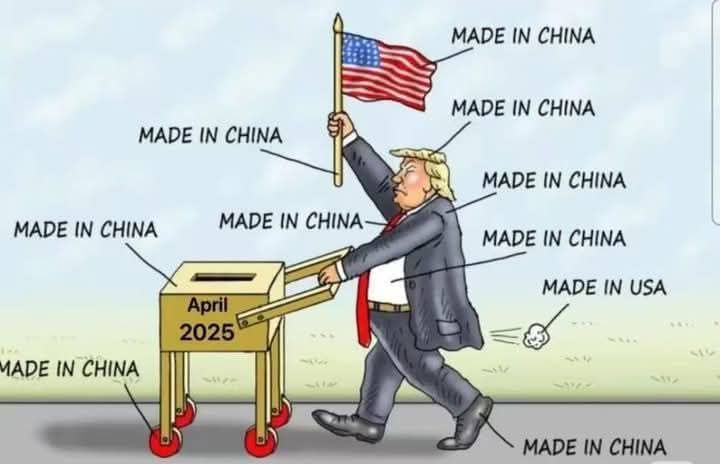
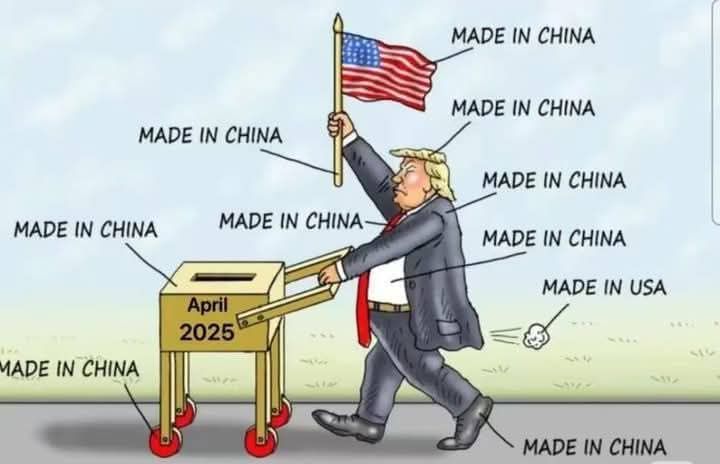
Petty acts of mercantilism might work with Ukraine and Taiwan, but Beijing is a different story entirely. The stick approach failed spectacularly after Trump brashly hit China with an effective 145 per cent tariff rate in April. Beijing retaliated with a 125 per cent levy on the US, while stating that Washington’s tariff escalation “will become a joke in the history of the world economy”. Both countries later suspended the higher tariffs and they continue to negotiate a trade deal. Trump’s latest tariff antics suggest the dysfunctional cycle is starting anew.
In another short-lived provocation, Trump halted the sale of Nvidia’s advanced AI chips to China back in April, only to reverse course in August amid the fallout from his tariff ploy. Now Beijing is the one doing the banning when it comes to Nvidia.
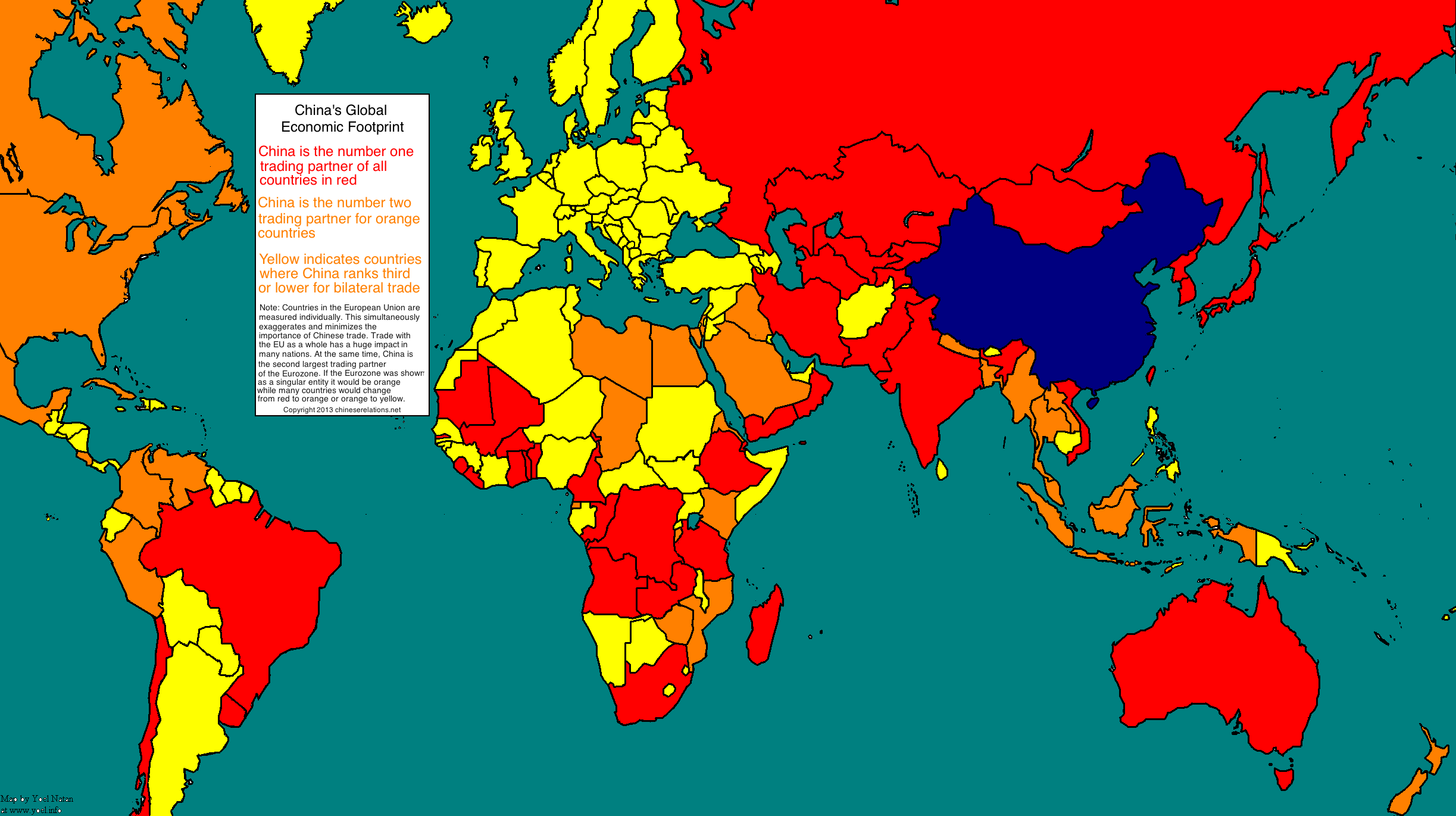
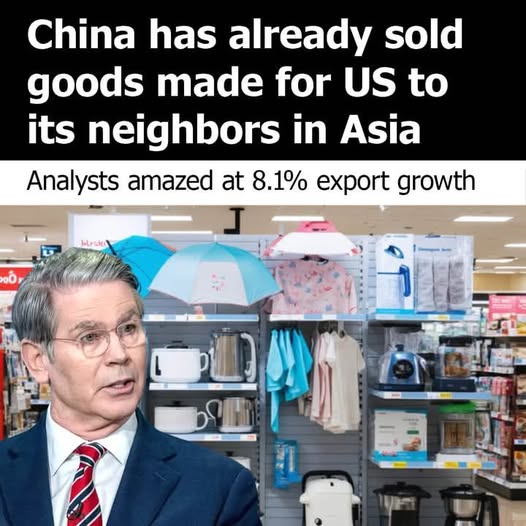
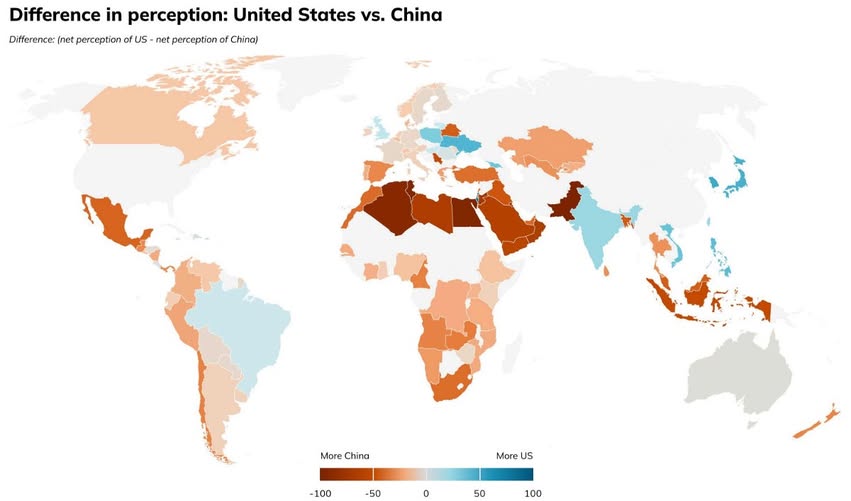
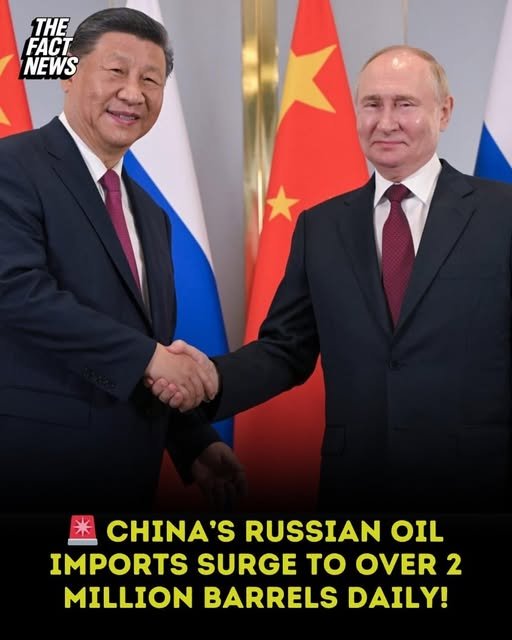
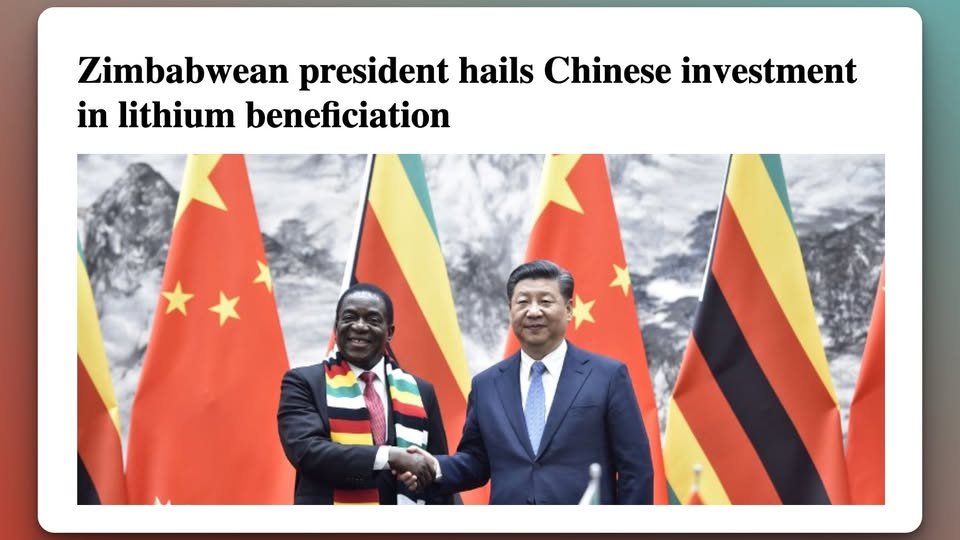
China’s move shows how little bargaining power the US possesses at this stage in the trade war. Since the first Trump presidency, China has systematically decreased its reliance on the US, reducing purchases of products from corn and beef to oil, while increasing exports to the more friendly and dependable Global South.
Soybeans are the pre-eminent example of China’s pivot from the US. They once made up over 50 per cent of US agricultural exports to China. But China has not purchased a single bushel since May. US farmers are crying.
In recent years, the only products China truly needed from the US were chips and the equipment required to design and produce them. The Nvidia curbs suggest that even this ship has sailed.
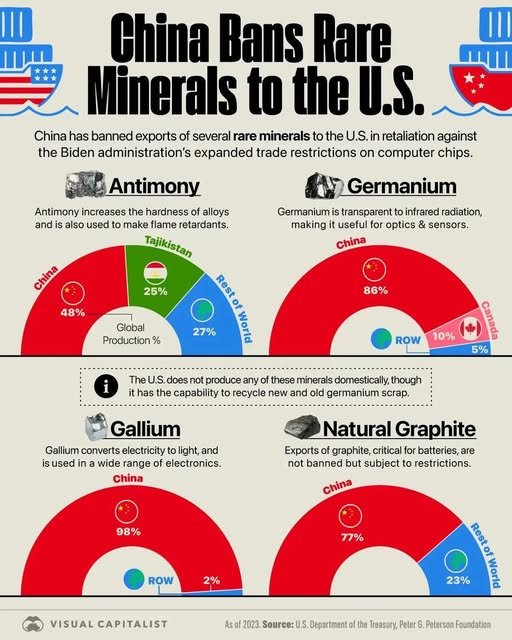
Meanwhile, the US remains dependent on China for critical imports like rare earth minerals. In response to Trump’s tariffs, China restricted shipments of seven rare earth metals critical to the defence, automotive and electronics industries. US car manufacturers scrambled to keep their factories running amid short supplies.
Between those and the latest controls, Beijing has sent a stark warning to Washington that China is not to be messed with, for it holds much more leverage than the US ever supposed.
All this couldn’t have come at a worse time for Washington. Trump was supposed to go into the meeting with Xi with enough sticks to dictate terms for a TikTok deal, demand that China buy more soybeans and Boeing 737s, and barter for access to rare earth minerals."
Author: Saikat Bhattacharya