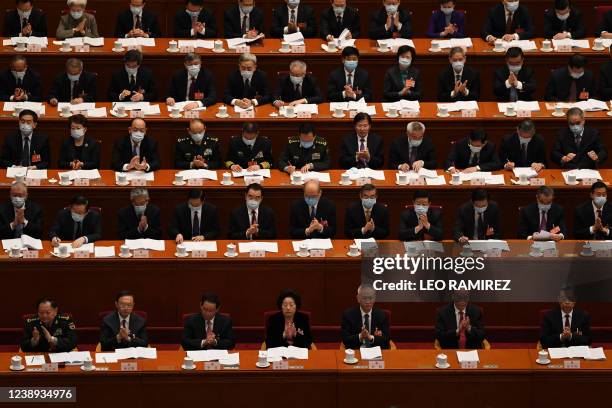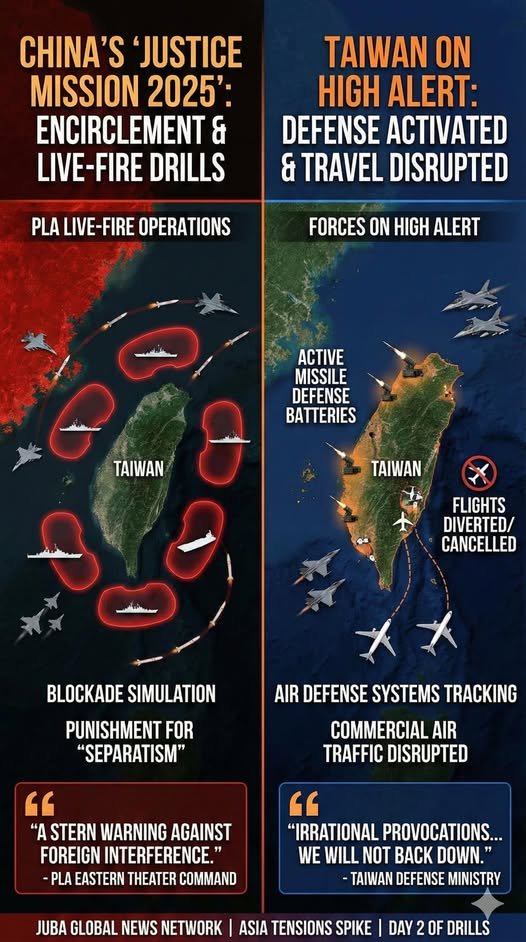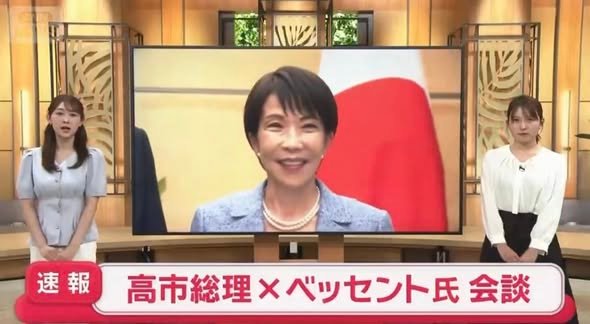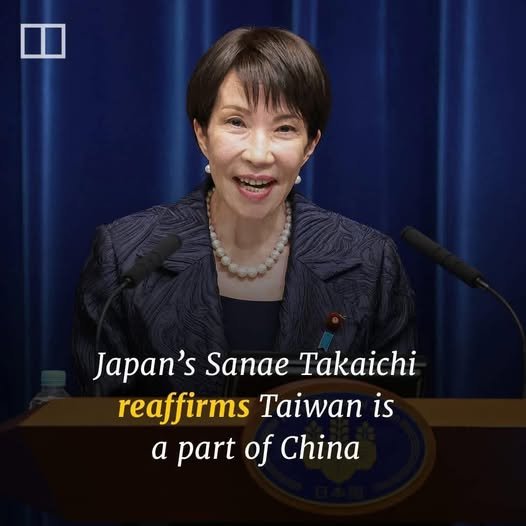

After weeks of tensions, Japan’s Prime Minister Sanae Takaichi has quietly walked back her earlier claim that a PLA operation around Taiwan could trigger a “survival-threatening situation” for Japan.
Today, she told parliament something very different:
Japan’s position on Taiwan “has not changed.”
And that is a major climbdown.
Here’s why this matters
 Japan just re-anchored itself to the 1972 Japan–China Joint Communique
Takaichi reaffirmed that Tokyo’s stance remains exactly what it was in 1972, when Japan normalised relations with China.
That communique clearly states:
- Japan fully understands and respects China’s position that Taiwan is an inalienable part of China.
- Japan upholds Article 8 of the Potsdam Declaration and the Cairo Declaration, both of which legally require Japan to return territories seized from China.
In other words:
Japan cannot treat Taiwan as a sovereign state without contradicting its own signed agreements.
 This correction didn’t happen in a vacuum
Takaichi’s earlier comments triggered a diplomatic storm. Beijing responded immediately, warning that her remarks were dangerous and destabilising.
Japan got the message.
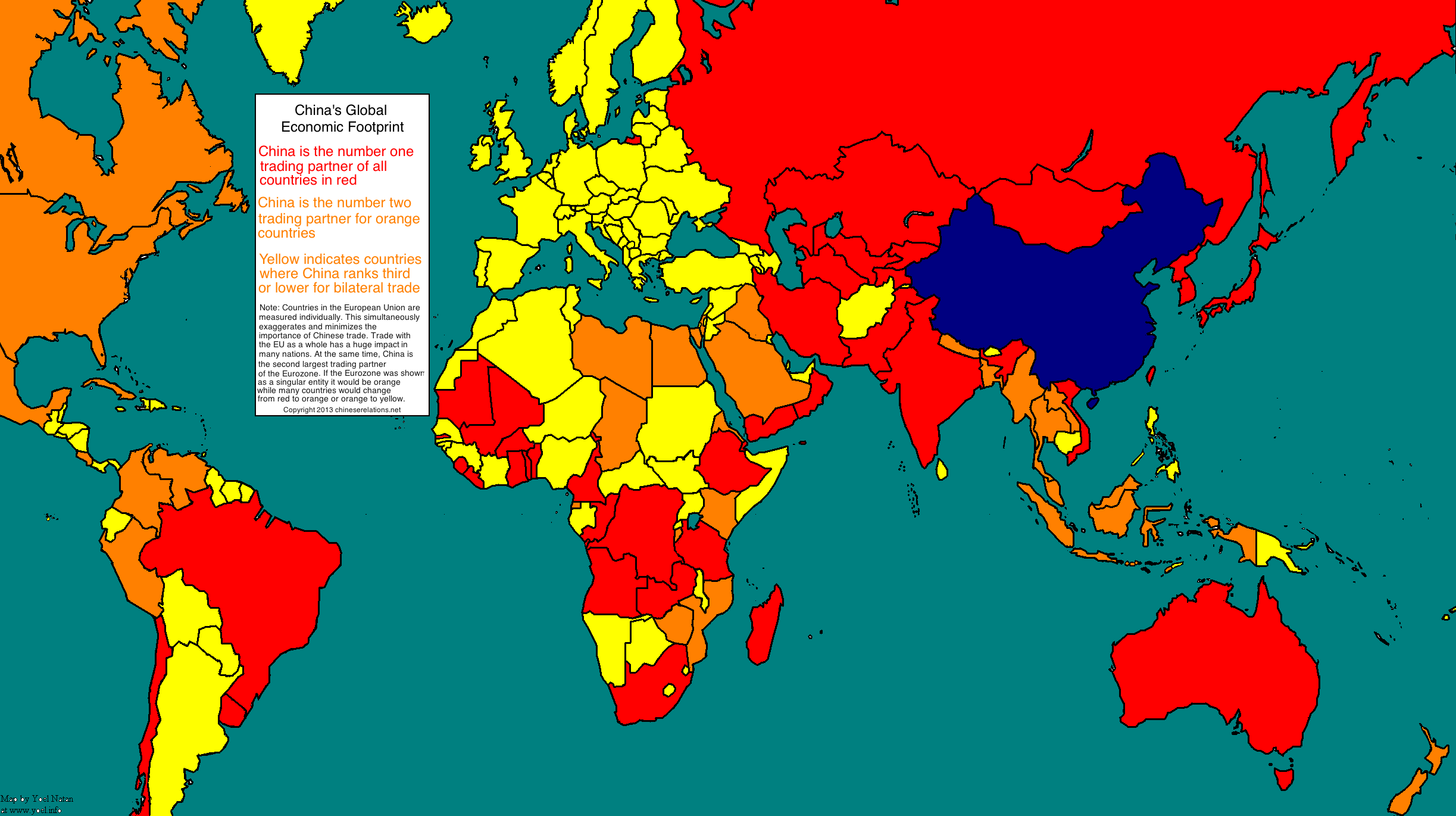
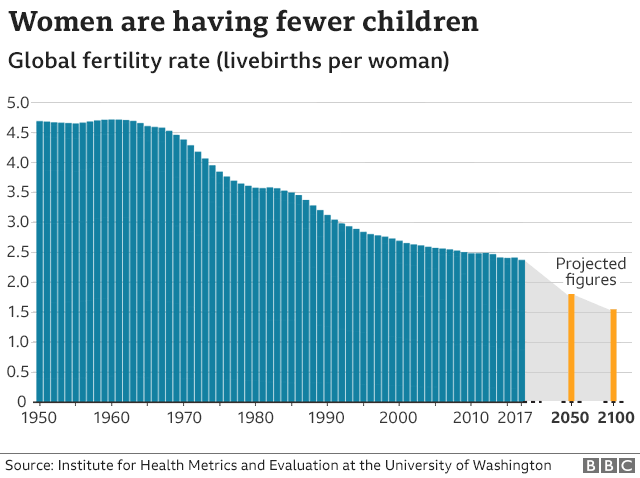
With a struggling economy, shrinking population and deep reliance on China as its largest trading partner, Tokyo cannot afford self-inflicted geopolitical chaos.
This walk-back is Japan returning to reality.
 The truth: Tokyo is not prepared to fight a war over Taiwan
Despite U.S. pressure and constant Western commentary, Japan knows:
- It sits well within range of China’s missile systems.
- Its constitution still restricts offensive warfare.
- Its military is not built for a Taiwan scenario.
- Japanese public opinion remains firmly anti-war.
The earlier rhetoric was political posturing.
Today’s statement was policy.
 China’s diplomatic approach is working
Beijing didn’t escalate.
It simply reminded Japan of the historical documents Japan itself signed.
And Tokyo stepped back.
This is how China manages regional stability, firm, consistent and grounded in international agreements that actually exist, not hypothetical narratives built in Washington think tanks.
 The bigger takeaway
The Taiwan question is not a playground.
It’s a sensitive, legally defined issue that countries cannot casually reinterpret.
Japan’s correction shows that reality still matters.
And despite the noise coming from Western media, one thing remains unchanged:
There is one China.
Japan acknowledged it in 1972.
And it just acknowledged it again today.
Author: Saikat Bhattacharya