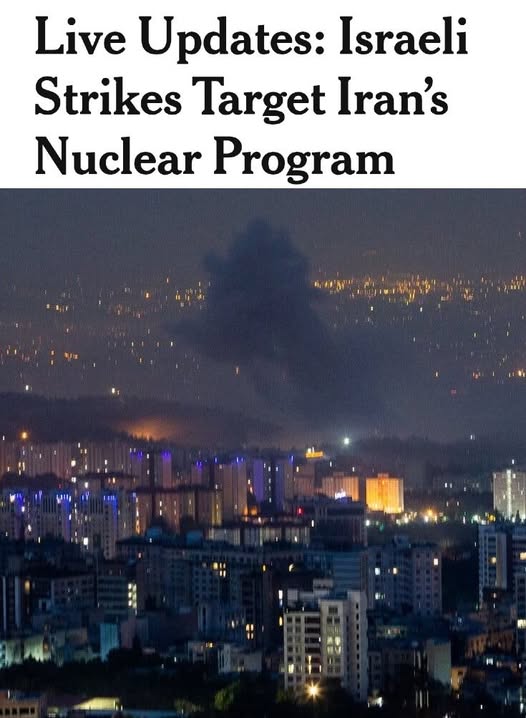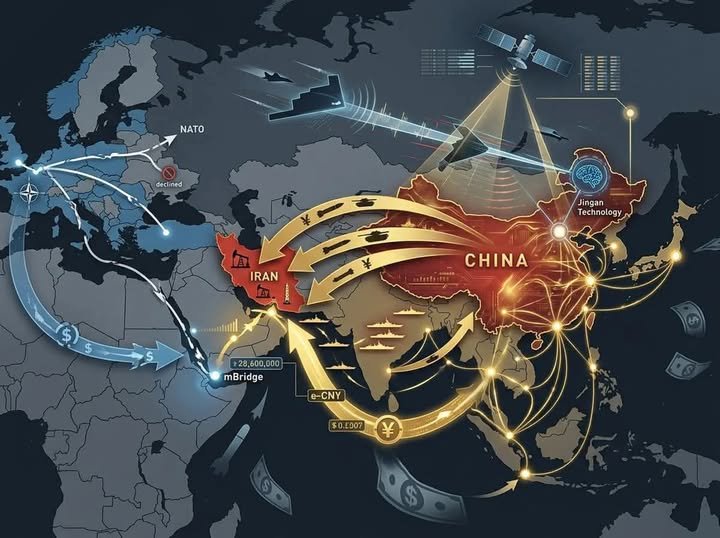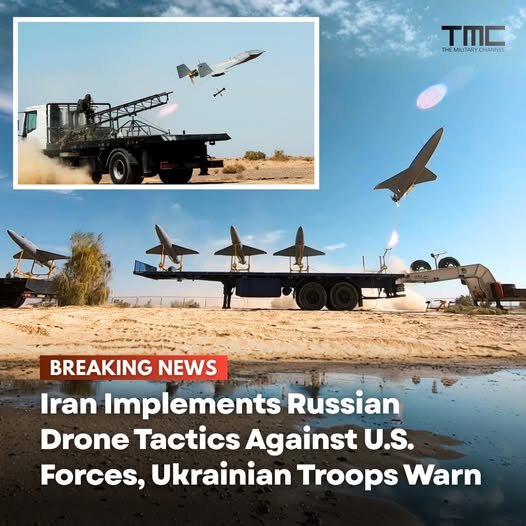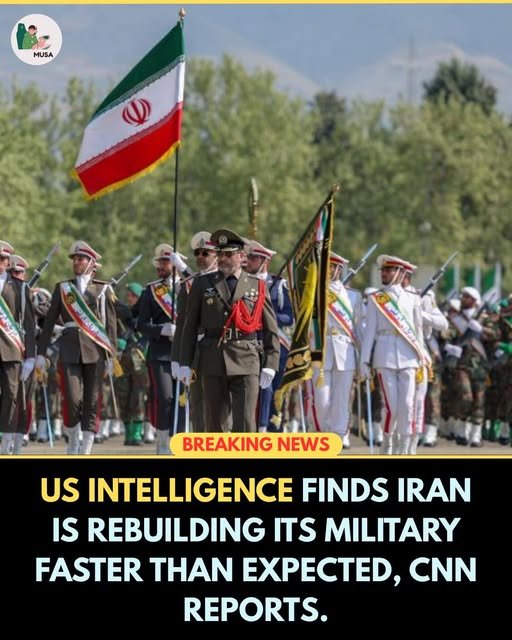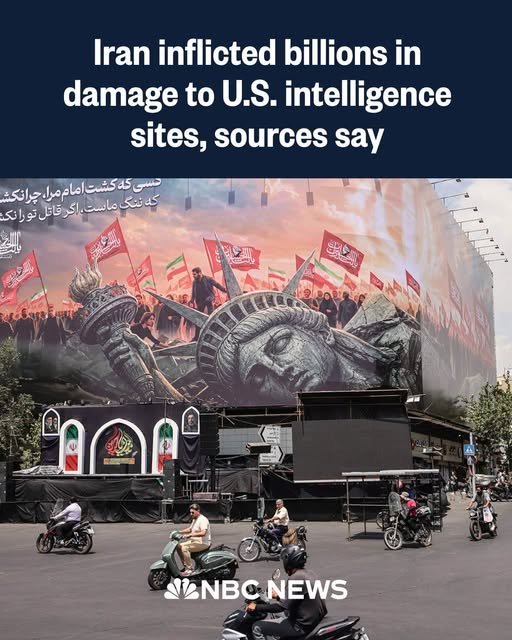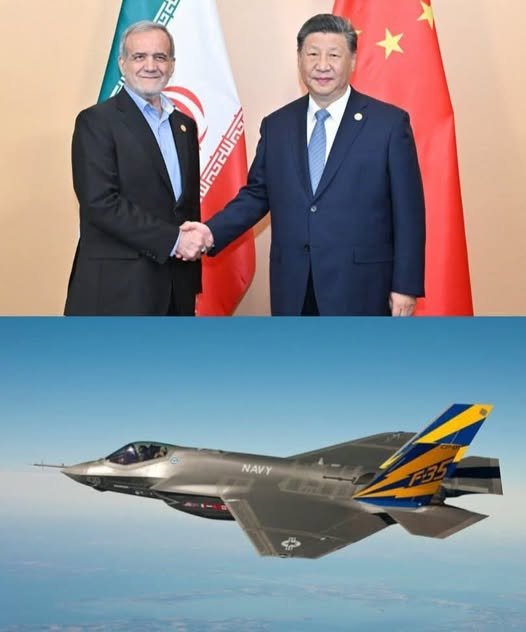

The way Iran is defeating the United States and Israel in the war makes one thing clear: China has surpassed the United States in many weapons technologies.
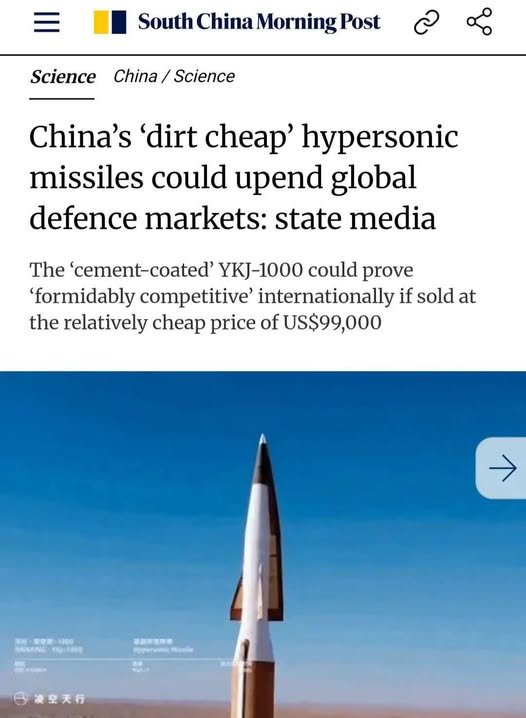
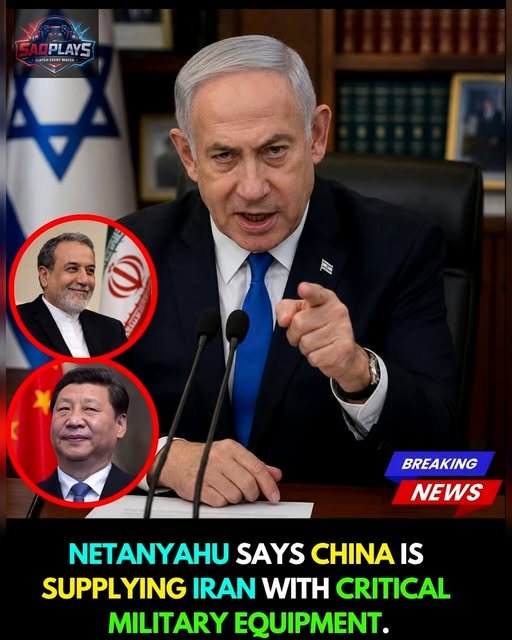
1. Hypersonic missile technology is not possessed by any Western country. In 2021, China tested a hypersonic glider that robbed American military strategists of their sleep. The 2015 sanctions list on Iran did not include missile technology. The US government knew that China and Russia could legally send missile technology to Iran and were doing so. However, the US failed to anticipate that China would transfer a large portion of its latest technology to Iran during this opportunity. American military experts have been stunned by Iran's missile capabilities.
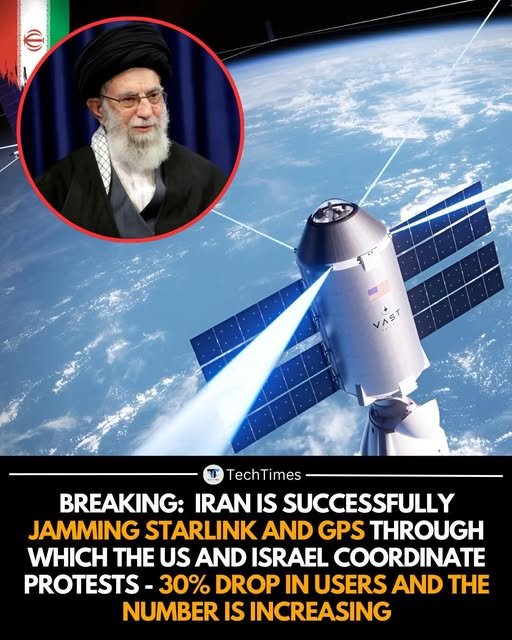
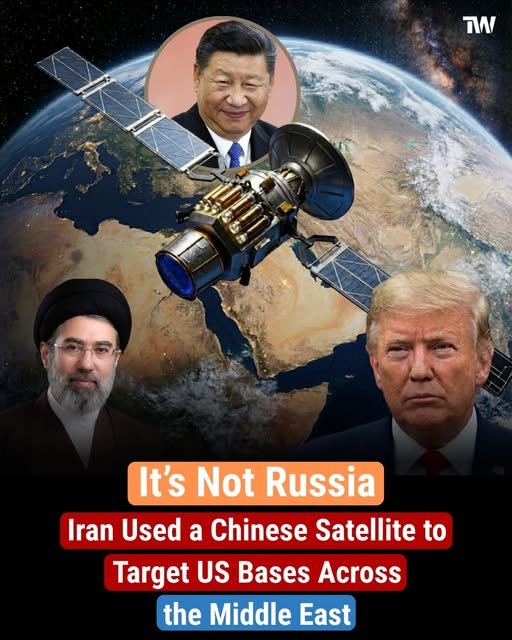
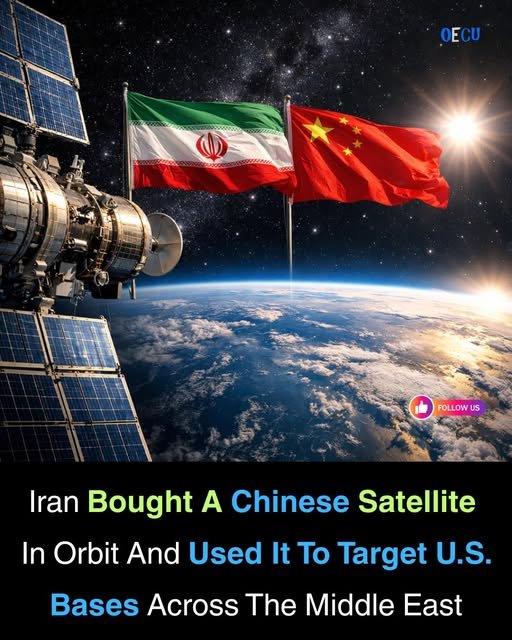
2. It was already known that China was building the BeiDou satellite constellation as a counter to American GPS. By 2023, it became clear that BeiDou was technologically far ahead of GPS in many aspects. BeiDou can determine the precise location and time of any object or person much more accurately than GPS. As a result, Iran can easily track the positions of American naval forces.
Similarly, Iran's missile targeting has been unerringly accurate. The world has never seen such precision missile strikes before. In the Ukraine war, Russia's precision missile attacks have repeatedly shown weaknesses. Perhaps by studying the Ukraine war, China strengthened the precision missile attack capabilities using BeiDou, and Iran is now reaping the benefits.
Additionally, BeiDou can send short messages or limited data without any phone signals. This is why BeiDou can send fake signals to American radars and ground stations, causing Iran's missiles to sometimes be mistaken for friendly ones, while American or Israeli missiles or interceptors are perceived as enemy objects. American GPS cannot do anything like this.
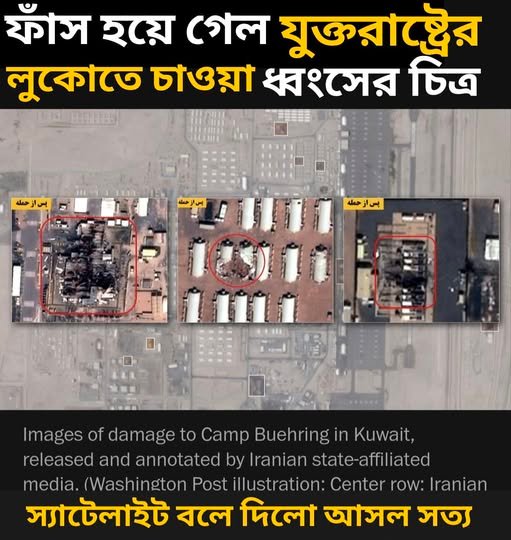
3. Furthermore, the Chinese company Jilin-1 operates as an observation constellation that can capture video or photos of any stationary or moving object on Earth via remote sensing satellites. As a result, American and Israeli military bases, spy bases, and the movements of key personnel are all exposed to Iranian military strategists. For the first time in any war, the American military is completely exposed and vulnerable. The American company Maxar is capable of providing better video and photos than Jilin-1, especially in cloudy weather. Currently, there is no cloudy weather, so in this game, Iran is now confronting the US and Israel on equal terms. The US military strategists did not anticipate that Iran would gain this advantage, leaving the US-Israel alliance in a difficult position.
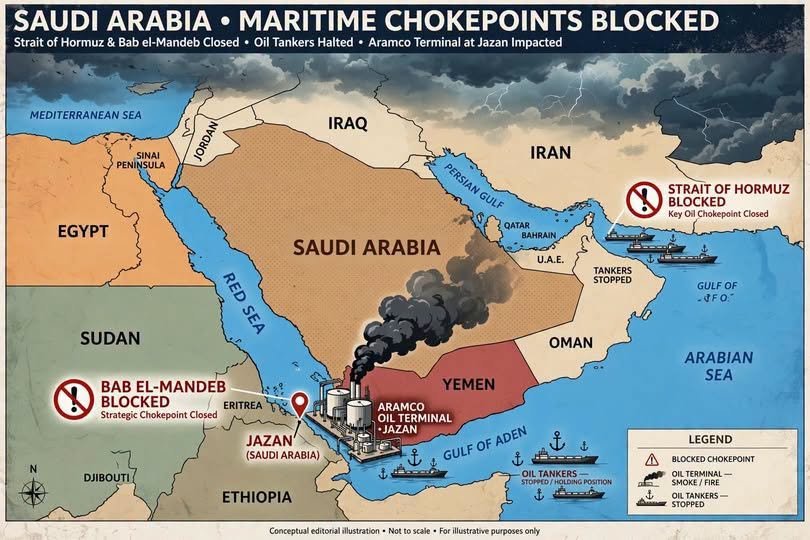
4. If China can provide Iran with hypersonic glider technology, there is no reason it wouldn't provide anti-ship missile technology. This idea has become even more firmly rooted after observing Iran's naval organization. The Iranian navy does not rely on large warships. Instead, it is centered on countless small boats. American military experts believe Iran's goal is to adopt a strategy of using anti-ship missiles from those small boats to strike large warships. The Strait of Hormuz is narrow and shallow (with a navigable depth of only 200 meters). So, if numerous small boats launch Chinese YJ-21-like hypersonic anti-ship missiles at large American ships in this narrow, shallow strait, it would lead to a disastrous outcome for the US Navy. The US Navy has no answer to these fast-moving anti-ship missiles.
5. However, compared to the US and Israel, Iran is not just lagging but practically at zero in terms of interceptors and fighter jets. Russia did not give Iran the S-400. The S-300 has failed in both Venezuela and Iran. Iran's own Bavar-373 (likely meant BAVAR-373 or similar) has not proven very effective. Iran acquired China's HQ-9 after seeing its performance in Pakistan against Indian missiles, but it has not been successful in Iran. Although unsuccessful as missile interceptors, Iranian missiles and interceptors have still posed significant challenges to American and Israeli fighter jets. Iran's lack of a strong independent air force remains another problem for it.
6. With the combination of BeiDou, Jilin-1, and hypersonic technology, the problem of lacking an air force has been overcome in attack scenarios, but not in defense. Iran's territory therefore remains unprotected. However, to address this issue, Iran has built many underground cities. Iran is launching missiles directly from these underground cities or even from under the seabed. Because of this capability, the US-Israeli strategy of destroying missile launchers has completely failed.
Additionally, using massive amounts of fake weapons or decoys from China has wasted a large number of American and Israeli missiles.
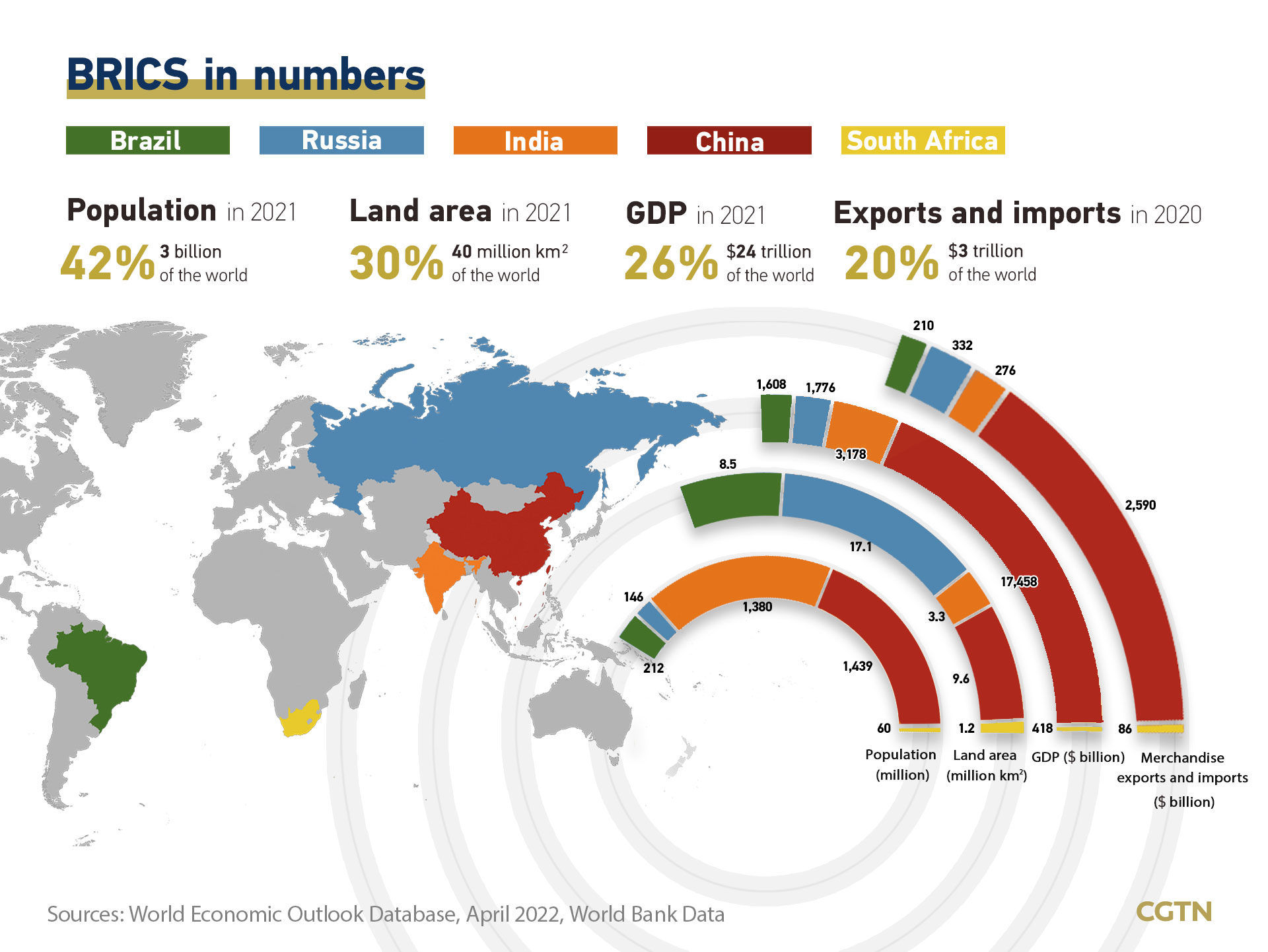
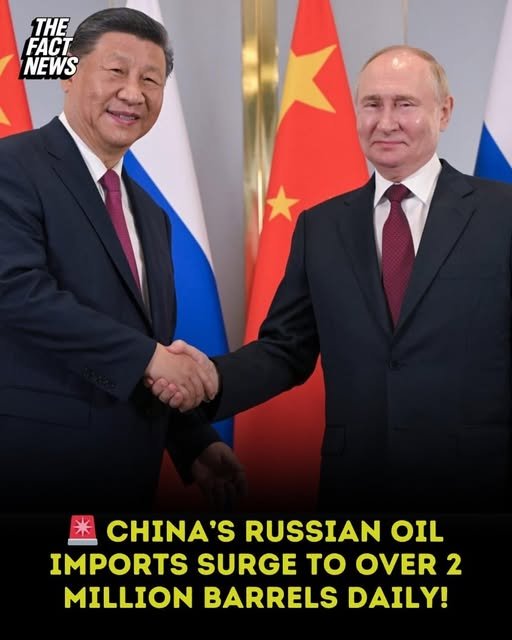
Now, I will write about how China is three times ahead of the United States in manufacturing and heavy industry, and how this advantage has benefited Iran in the war. The more the American economy has shifted from production to speculative asset trading, the more American military strategists have focused on quality over quantity in armaments. On the other hand, China has been able to increase both quantity and quality because it is three times ahead in manufacturing and heavy industry. As a result, it is now evident that China's military structure has far surpassed America's in quantity, while reducing the gap in quality.
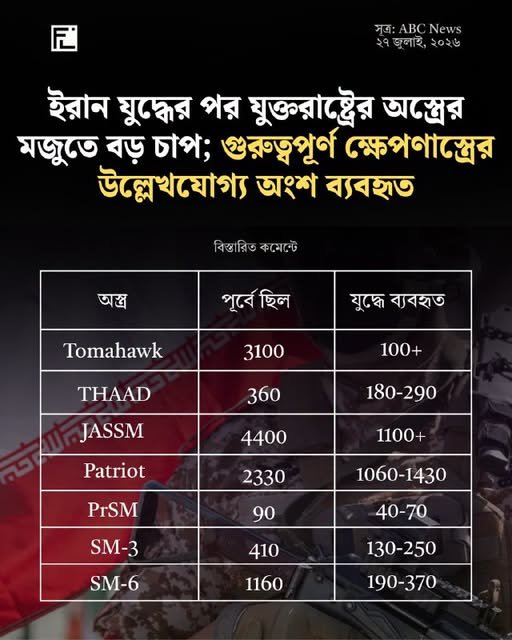
Consequently, even though American missile interceptor technology and quality are ahead, they are falling behind in quantity. They are failing to produce as much as they spend. And that production is again dependent on China's manufacturing. In the 1990s, American military strategists, after wars in Iraq and Yugoslavia, thought they could diminish the importance of quantity by pushing quality so far that quantity would become irrelevant. For example, a precision missile hits once, hits the right spot, and does the job, whereas many missiles might hit haphazardly but miss the target. In other words, one bullet to the enemy's head finishes the job versus many bullets hitting arms and legs, allowing survival. But relying on this idea, the American military is now on the verge of sinking. The reason is that adversaries have increased both quantity and quality, while they increased quality at the expense of quantity.
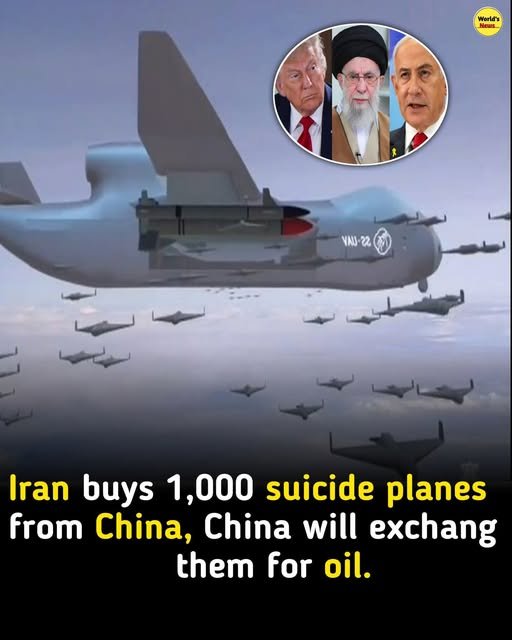
It goes without saying that Japan and Germany in World War II also thought they couldn't stand against America's massive manufacturing in terms of quantity, so quality would compensate for the shortage. That idea was proven wrong then, and it is the same today. The fight between Iran's thousand-dollar drones and American-Israeli million-dollar interceptors is therefore giving Iran the edge. Due to weak manufacturing, it is becoming difficult for the Americans to produce new interceptors, missiles, radar stations, and air bases. Without the strength of manufacturing, a strong military force based solely on paper technology is impossible. Although the US-Israel is thinking of countering Iran's low-cost drones in the future with low-cost laser technology, China is also preparing low-cost steel-made hypersonic missiles, which Iran will surely receive if the war continues.
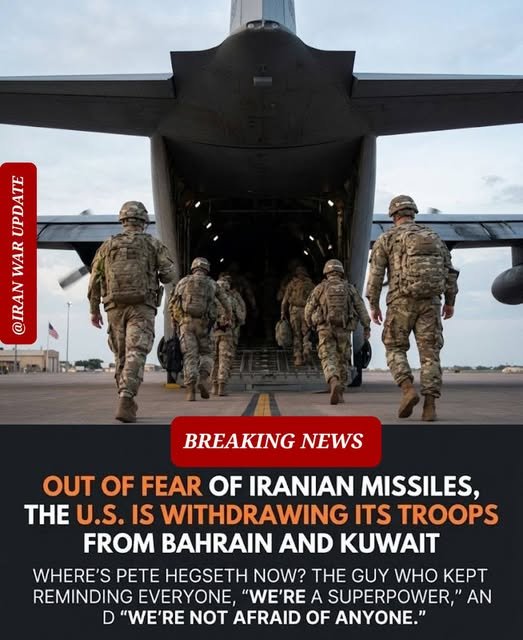
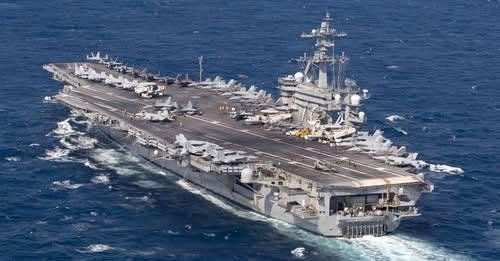
Additionally, one thing has become very clear, which military experts have always said: American military bases and aircraft carriers are essentially sitting ducks, meaning they can be easily finished off with missiles. They are capable of policing and acting as deterrents. But once war starts, they are helpless against strong satellite-guided precision missiles. American naval expert Nicholas Chailan (likely Nicholas Childs or similar, but as per text Nicholas Chailan), an AI-focused military strategist, identified them as sitting ducks and resigned in 2021. Nicholas stated that the Pentagon wastes money on military bases worldwide, aircraft carriers, and large outdated warships, while very little budget is allocated for building AI-centric weapons. Chinese military strategists also do not consider building military bases and large warships in competition with the US as the right path. According to Chinese strategists, the Pentagon does this mainly to embezzle funds. This is why the Pentagon has not been audited since 2004.
Author: Saikat Bhattacharya