
The Iran war just exposed the most dangerous secret in American defense policy
According to the WSJ, U.S. officials are increasingly assessing that America couldn't fully execute its contingency plans to defend Taiwan from a Chinese invasion if it happened in the near term.
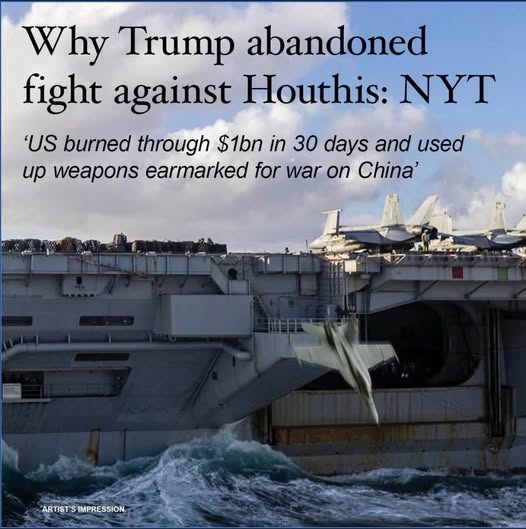
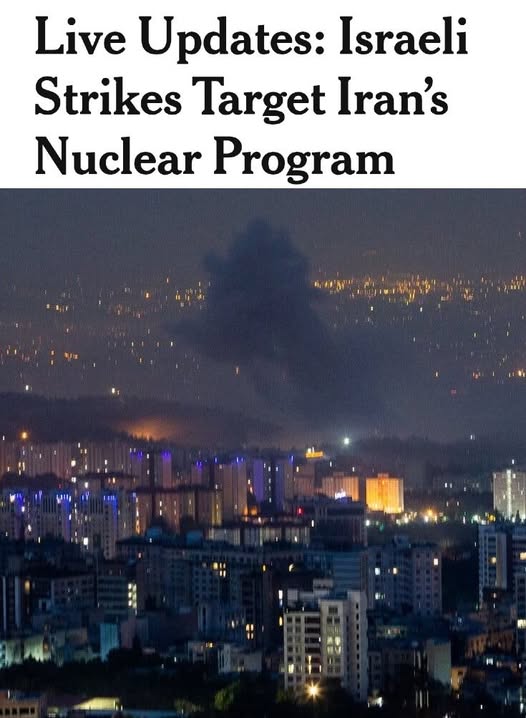
The reason is brutally simple: the Pentagon burned through too many munitions in Iran.
The numbers are staggering.
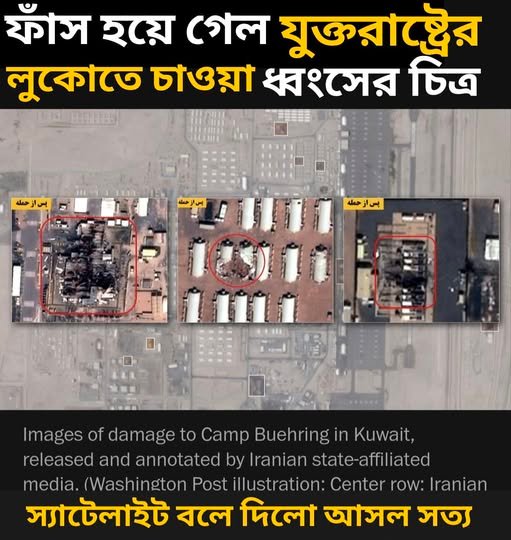
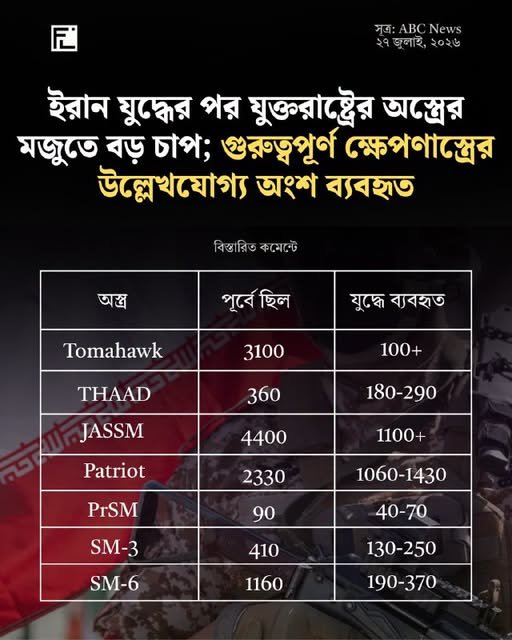
Over 1,000 Tomahawk cruise missiles fired since February 28th.
Between 1,500 and 2,000 air-defense interceptors expended, including Thaad, Patriot, and Standard Missiles.
CSIS estimates the war consumed 27% of the Tomahawk stockpile, 36% of JASSM, half of SM-3 interceptors, two-thirds of Patriot stocks, and more than 80% of Thaad interceptors.
Replacing those stockpiles could take up to six years.
Major contractors say even ramping up production would require one to two years before deliveries accelerate.
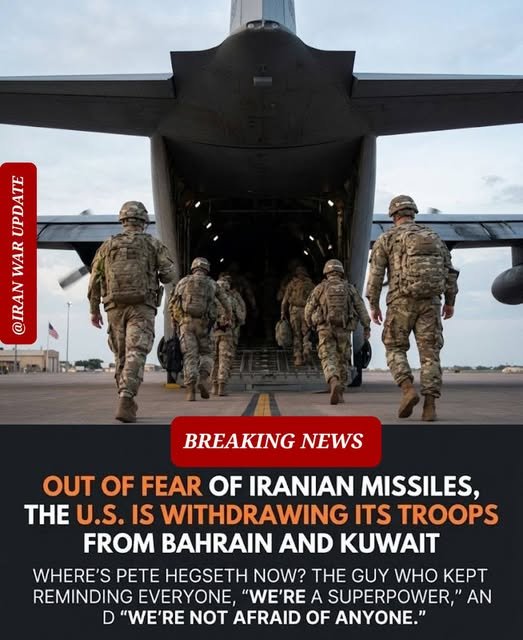
In the meantime, the U.S. is actively pulling air-defense equipment from the Pacific to support Middle East operations.
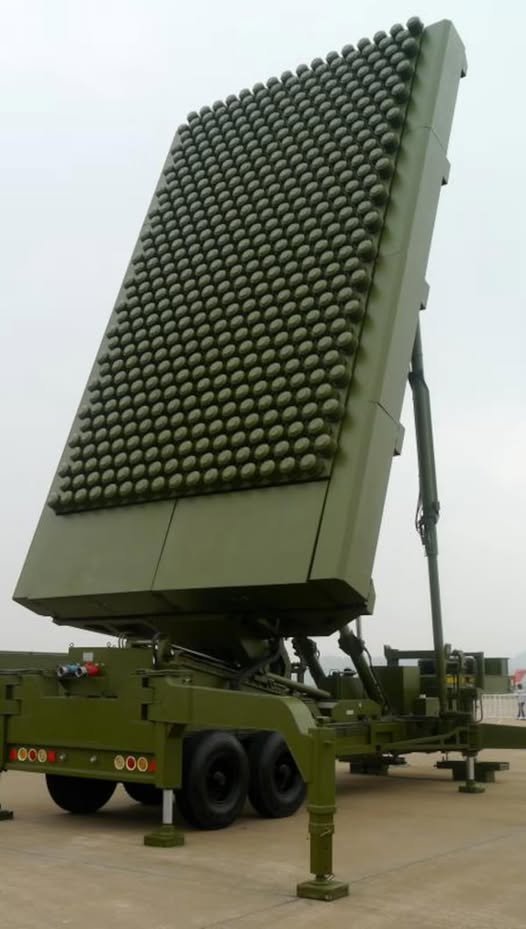
Radars from South Korea were already moved before Operation Midnight Hammer. More Thaad systems are being repositioned now.
The White House publicly disputes this story.
But the math doesn't lie.
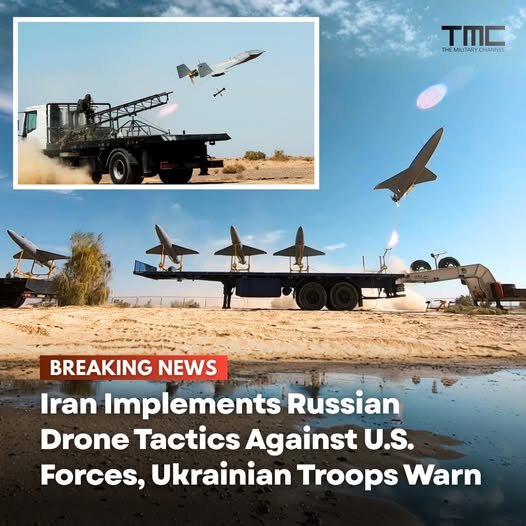
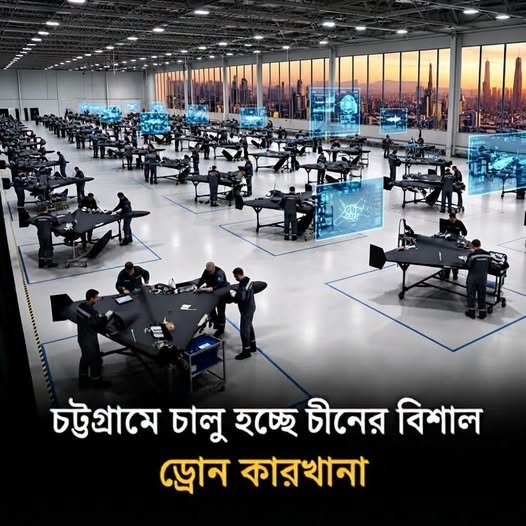
China has 600+ nuclear warheads, an expanding ICBM program, the world's largest navy by ship count, and a fleet of military drones designed specifically to overwhelm American air defenses in a Taiwan scenario.
Wargames consistently show a Pacific conflict would consume munitions at a rate that makes the Iran expenditure look modest.
The U.S. needs deeper stockpiles to fight China than any war in history.
It currently has shallower ones than at any point in recent decades.
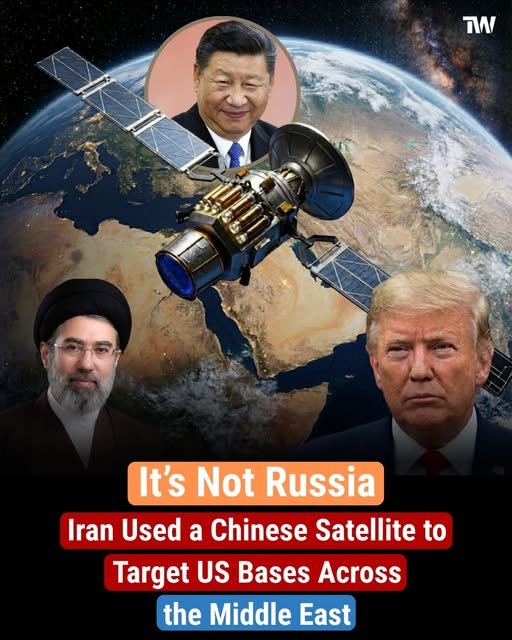
The Trump-Xi summit happens in three weeks.
Xi will arrive in Beijing knowing the United States just spent its insurance policy.
Source: WSJ
Author: Saikat Bhattacharya