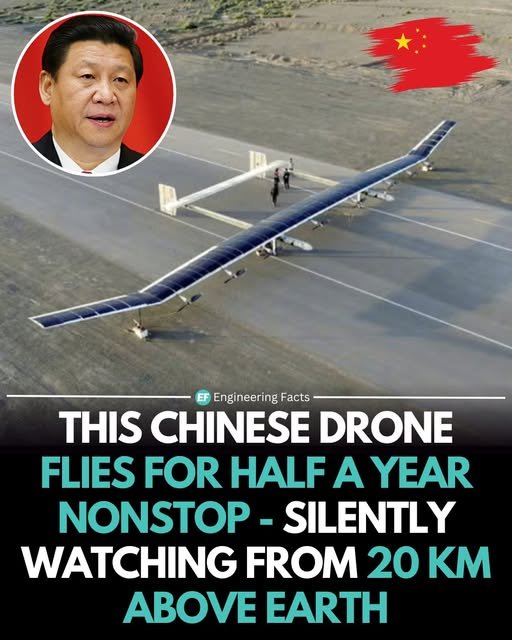

High-altitude long-endurance (HALE) drones represent a significant leap in aerospace engineering, specifically designed for persistent surveillance and atmospheric research. These aircraft operate in the stratosphere, providing a stable platform for various sensors and communication relays over extended periods.
Solar propulsion systems are the primary driver for these months-long flight durations, capturing energy during daylight hours to power the motor and charge internal batteries for nighttime operation. This cycle allows for nearly indefinite flight as long as the aircraft remains above cloud cover to access direct sunlight.
Operating at an altitude of 20 kilometers places these drones in a region of the atmosphere that is significantly higher than commercial air traffic. This elevation provides a wide field of view for monitoring large geographic areas, effectively functioning as a "pseudo-satellite" with lower latency and costs.
The strategic implications for such technology include environmental monitoring, disaster response coordination, and maritime border surveillance. Because they can hover over a specific area of interest for months, they provide a continuity of data that traditional satellites or short-range drones cannot match.
Advances in lightweight carbon-fiber materials and ultra-efficient solar cells are essential for maintaining flight at these extreme altitudes. Ongoing development focuses on improving the durability of electronics and battery systems to withstand the intense temperature fluctuations and radiation found in the upper atmosphere.
Author: Saikat Bhattacharya