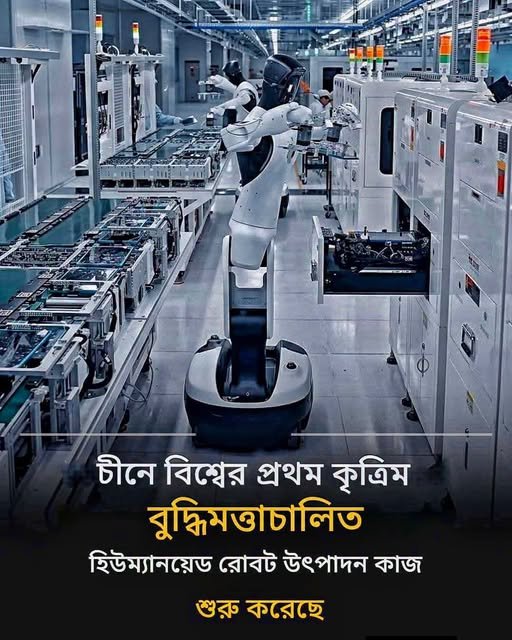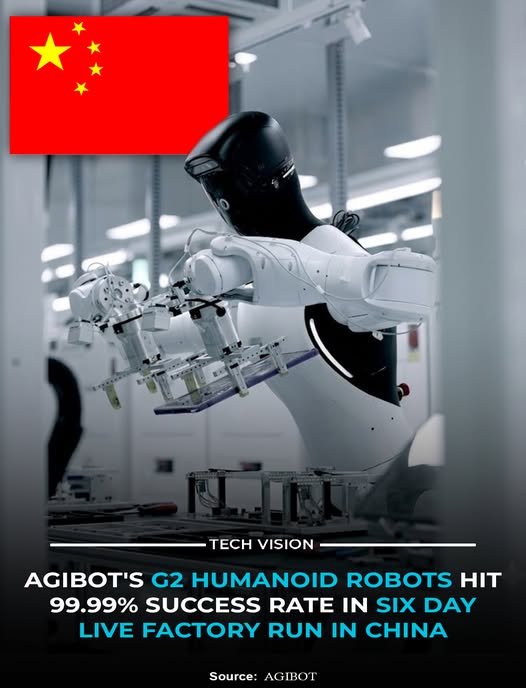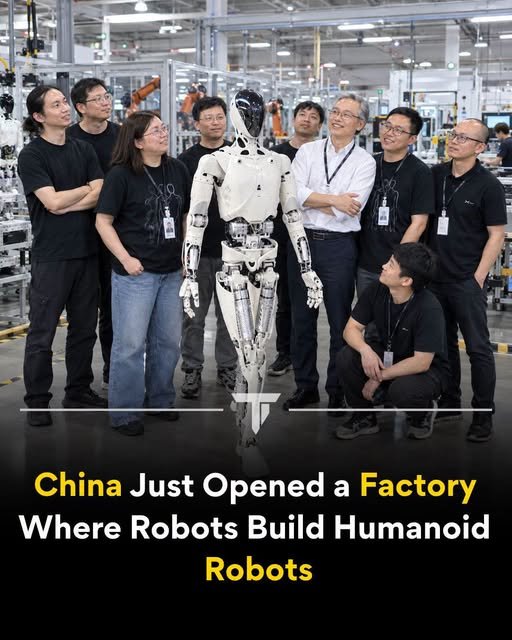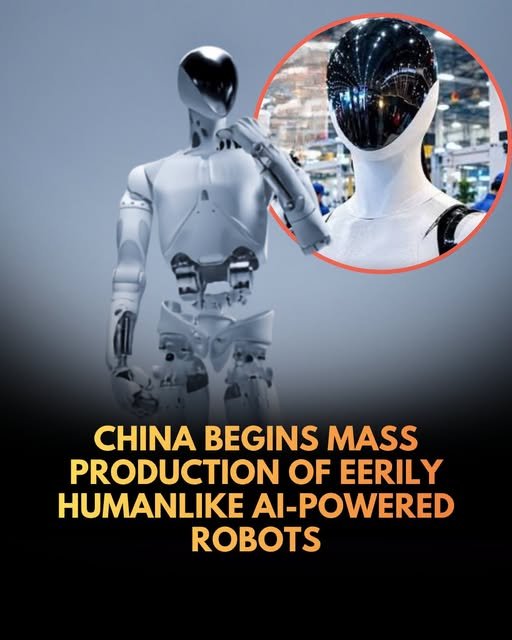






Chinese technology giant XPENG has launched mass production of its eerily lifelike 'IRON' humanoid robot, a milestone marked by the machine autonomously walking itself off the assembly line.
In a major leap forward for physical AI, Chinese electric-vehicle and tech manufacturer XPENG has transitioned its humanoid robot, IRON, from research prototype to automated mass production. Standing at five-foot-seven and weighing 143 pounds, the fabric-skinned robot is built on automotive-grade manufacturing processes designed to easily scale production.
A viral sensation during its testing phase, the production-ready machine features 76 degrees of freedom across its body and is powered by three custom Turing AI chips. XPENG intends for IRON to eventually assist with domestic chores like laundry and cleaning, with its onboard brains allowing it to navigate homes and complete tasks entirely without remote assistance.
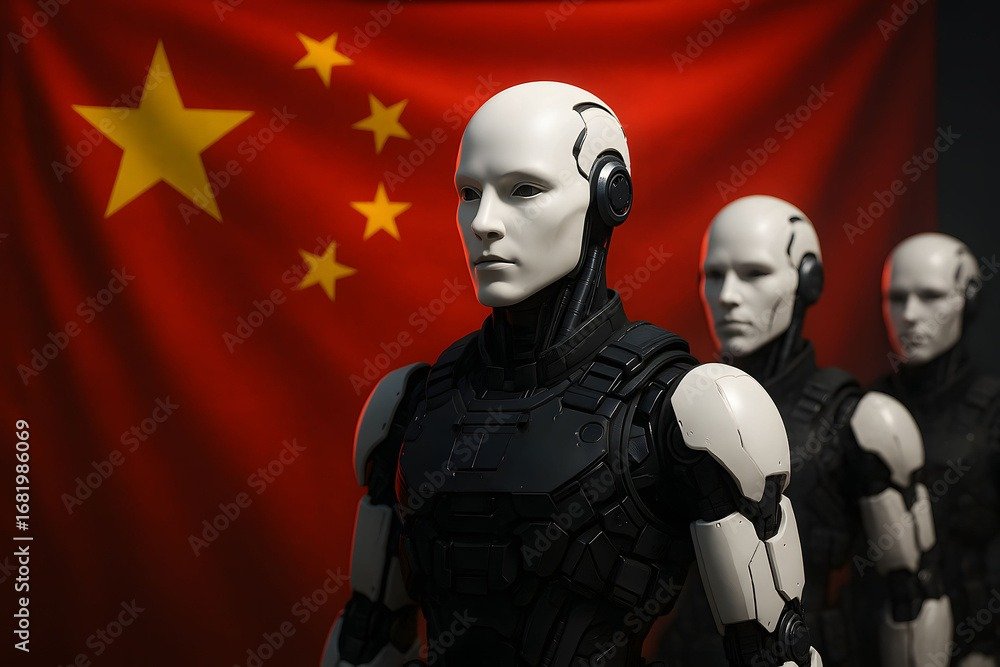
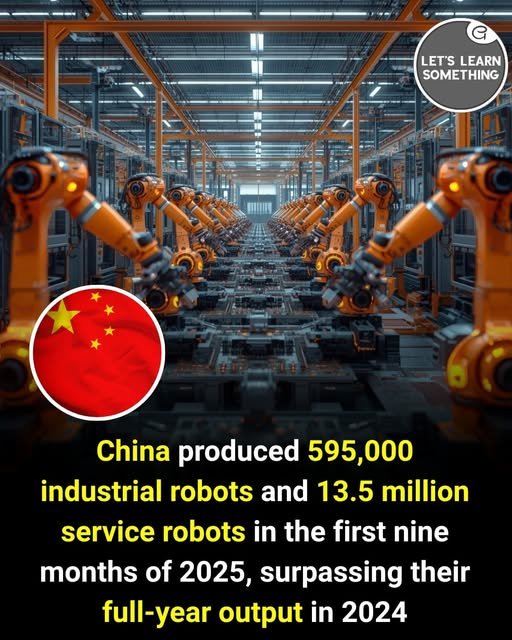
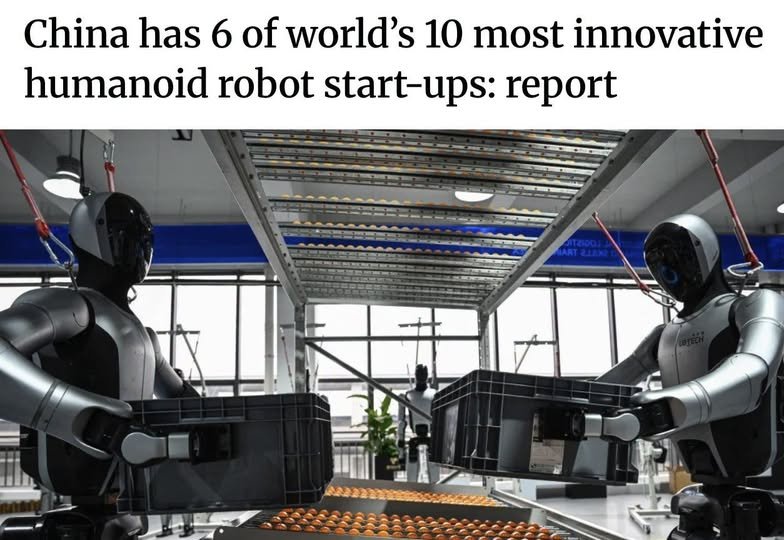
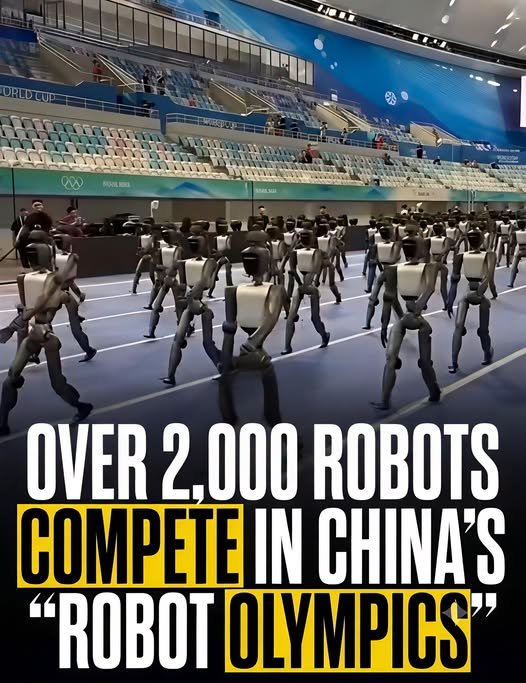
This milestone highlights a rapidly accelerating global race in embodiment AI, where China has quietly established dominance, reportedly capturing over 80 percent of global humanoid shipments. By utilizing 'dark factories' where automated systems build other machines, Chinese firms are scaling robotic labor at a pace that Western competitors are struggling to match. While commercial deliveries of the IRON robot are slated to begin in 2027, the rapid rise of these highly capable, independent machines raises profound questions about the future of physical labor and human-robot cohabitation.
Author: Saikat Bhattacharya