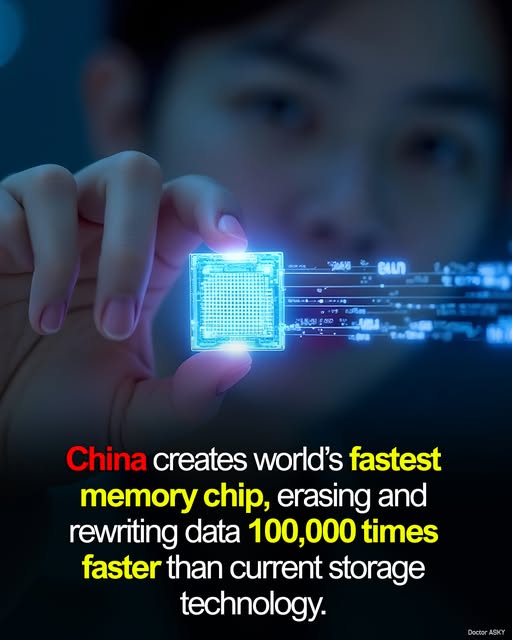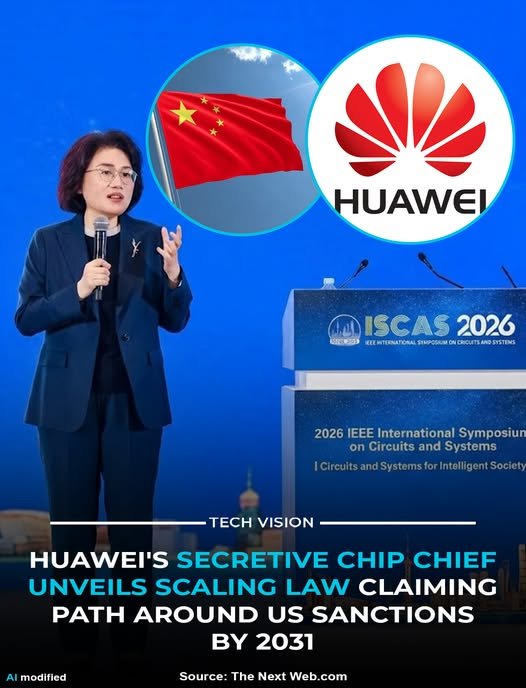

Huawei just unveiled a 122TB SSD built entirely without advanced Western components — using a proprietary packaging technology called Die-on-Board that mounts memory chips directly onto circuit boards instead of stacking them.
The result: 33% higher density. 80% lower power usage for data transfers. Already deployed in AI data centres.
A 245TB version is already in development.
Here’s the context that makes this significant:
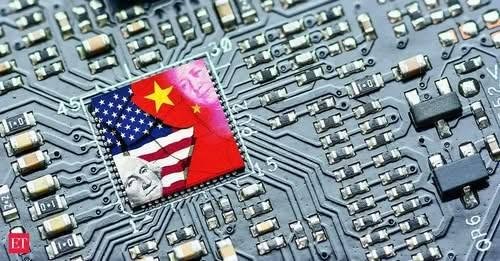
America banned Huawei from buying advanced 3D NAND chips from Samsung, Micron and SK Hynix.
The ban was designed to prevent China from building competitive AI storage.
Huawei couldn’t win on chip quality. So it won on packaging engineering instead — fitting more lower-quality chips into the same space more efficiently than Western competitors.
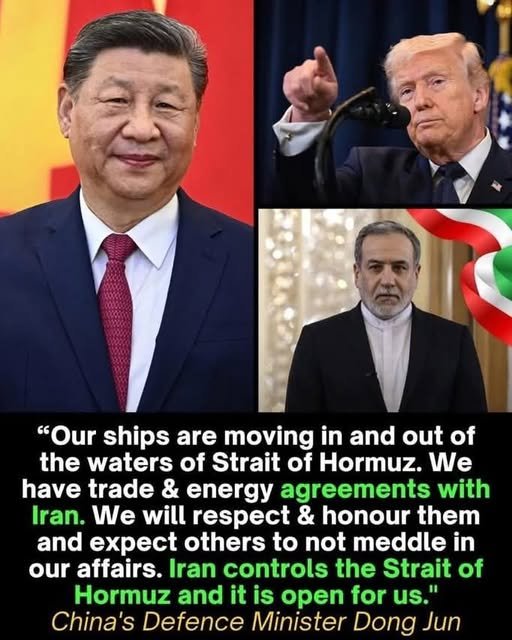
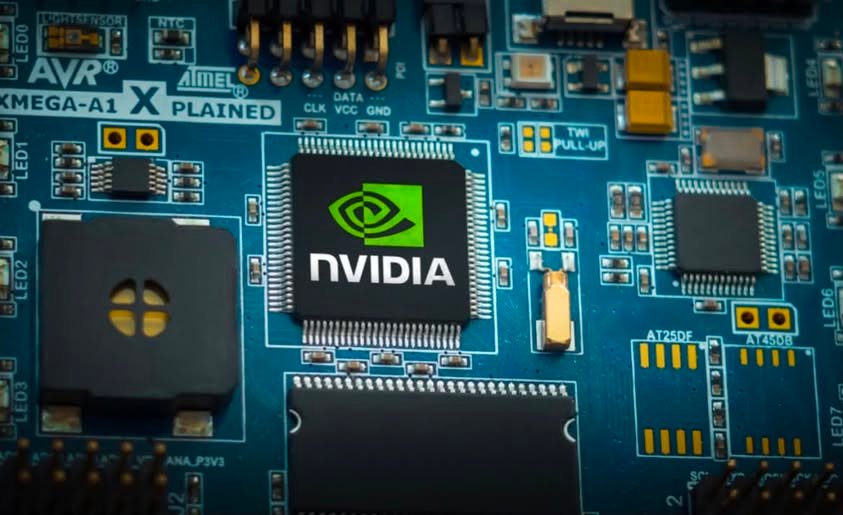
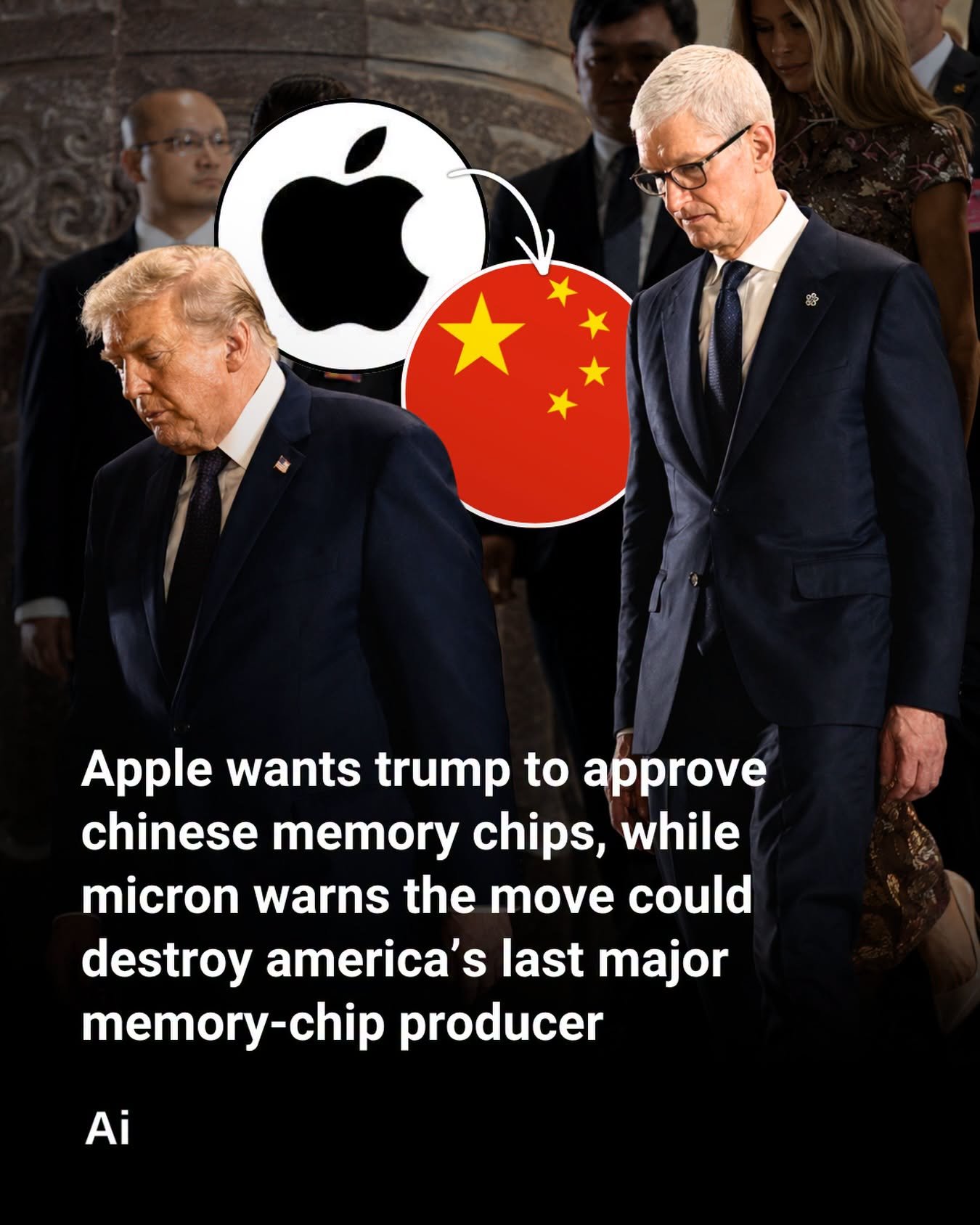
This week Trump offered China $30 billion in Nvidia chip sales.
China told its own companies to hold off buying.
Then Huawei revealed it built world-class AI storage without a single sanctioned component.
The export controls were designed to slow China’s AI infrastructure.
They gave Chinese engineers a reason to build packaging technology that Western companies never had to develop — because they never had to.
America banned China from the chips.
China engineered around the ban.
Now China doesn’t need the chips.
Author: Saikat Bhattacharya