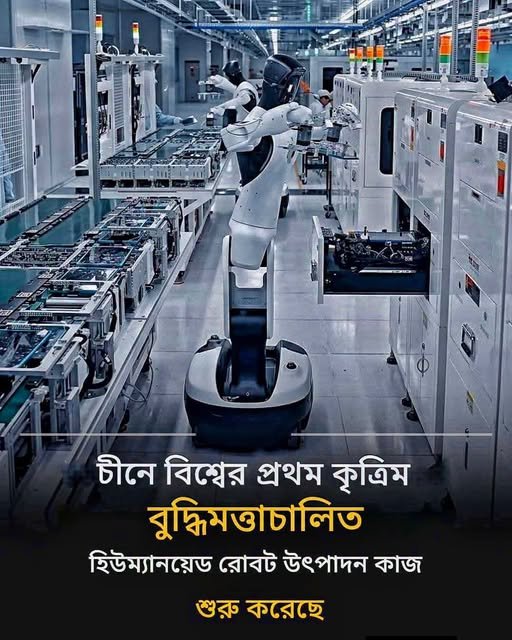






Huawei’s outlook reflects confidence in rapid technological expansion to support this dense ecosystem of intelligent agents supporting every aspect of society.
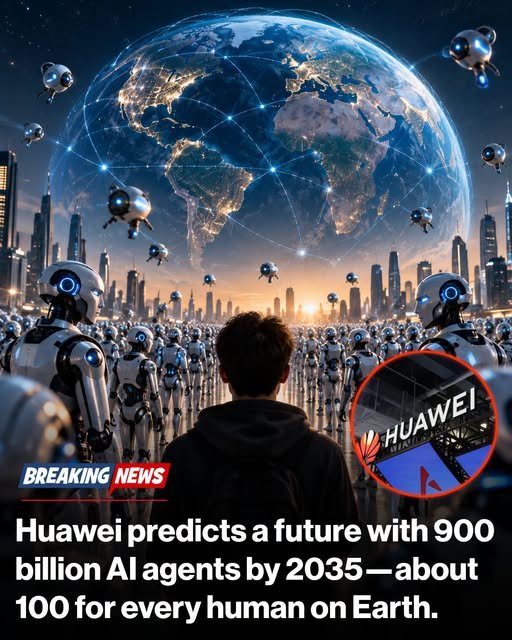
Huawei envisions a transformative landscape by 2035 in which artificial intelligence agents proliferate to an astonishing scale of nine hundred billion worldwide.
These autonomous software entities, capable of perceiving environments, reasoning independently, making decisions, and interacting with tools or other systems, would outnumber humans by a factor of roughly one hundred, assuming a global population of about nine billion.
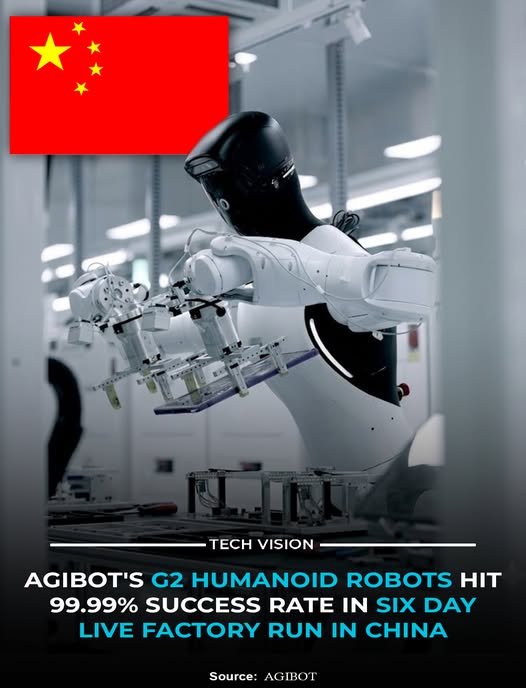
Such agents are projected to evolve from basic assistants into sophisticated partners that handle complex tasks across industries, daily life, and physical interactions, driving what Huawei terms an agentic internet.
In this future, networks must connect not only people but vast numbers of digital agents, many operating on mobile devices, generating massive increases in data traffic and computational demands.
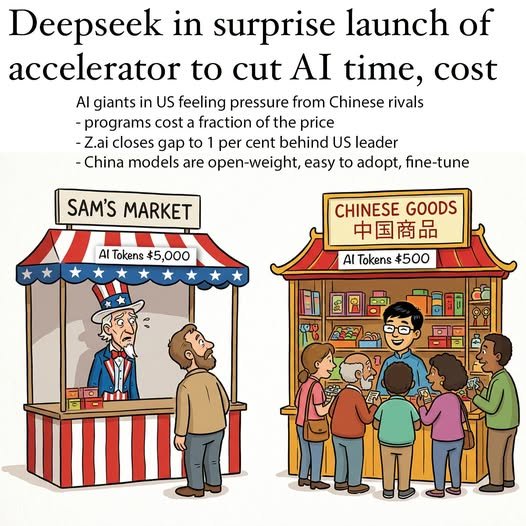
Annual AI token consumption could surge dramatically, with agents accounting for over ninety percent of the flow, necessitating advances in computing power, storage, security, and energy infrastructure.
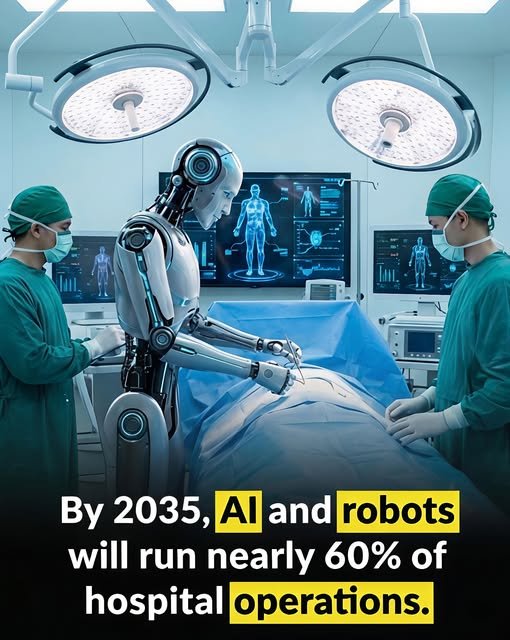
Integrating AI more deeply into the physical world is seen as essential for progressing toward artificial general intelligence.
This shift promises productivity gains, proactive health management, and new collaborative paradigms between humans and machines, while also raising challenges around privacy, control, and resource allocation.
Author: Saikat Bhattacharya