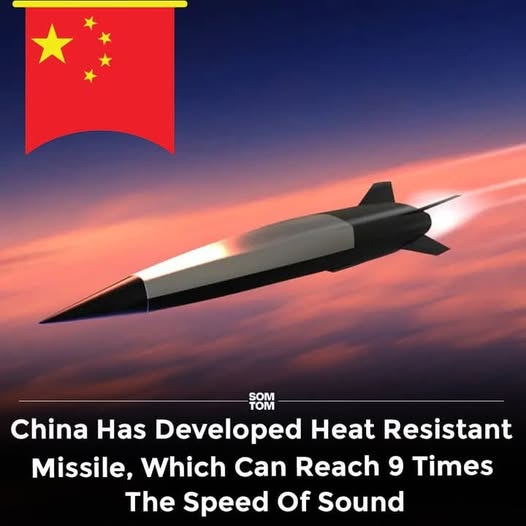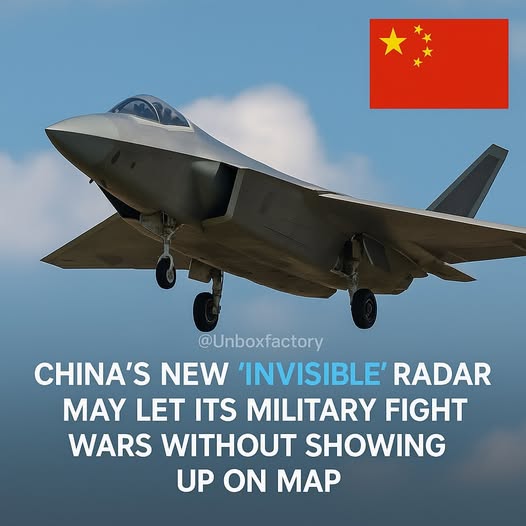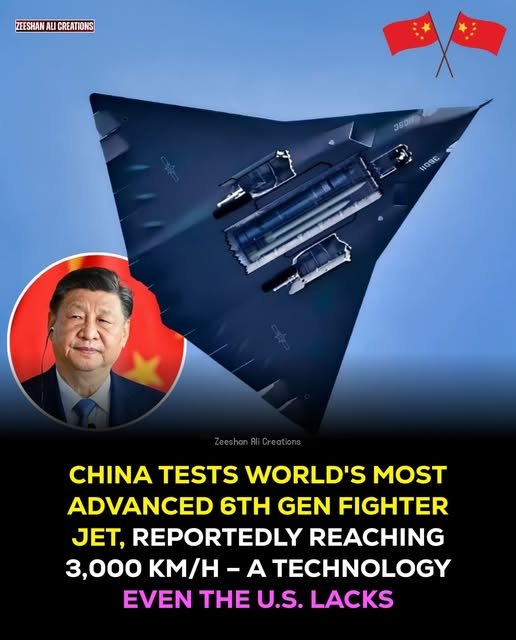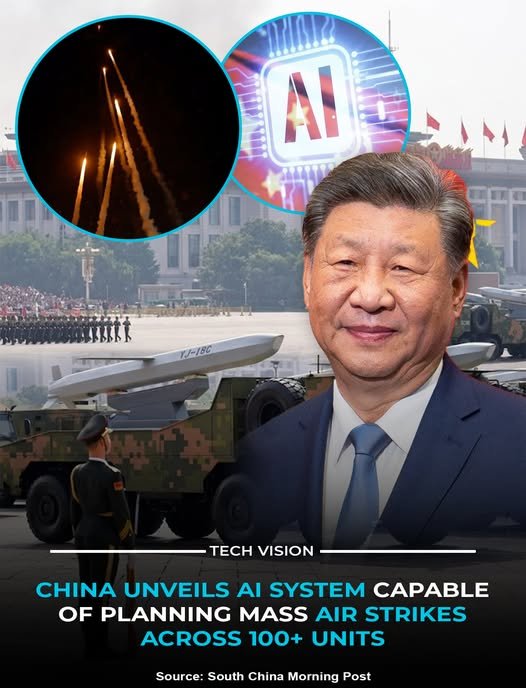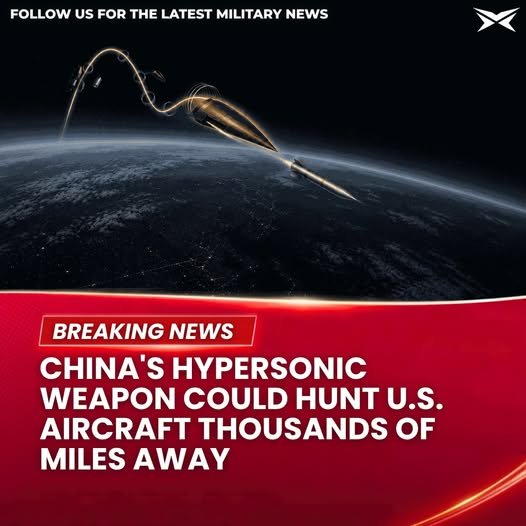

China has developed hypersonic glide vehicles that can launch air-to-air weapons at high-value aircraft thousands of kilometers away, potentially pushing the air war far beyond the fighter front. The reported concept is aimed at the support aircraft that keep U.S. air power alive over the Indo-Pacific, including tankers, airborne early-warning platforms and command aircraft. But extreme missile reach is not the same as a proven ability to kill a moving aircraft at that distance.
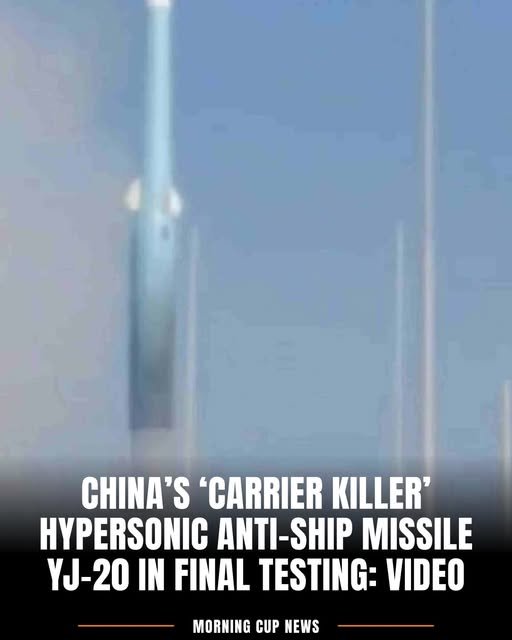
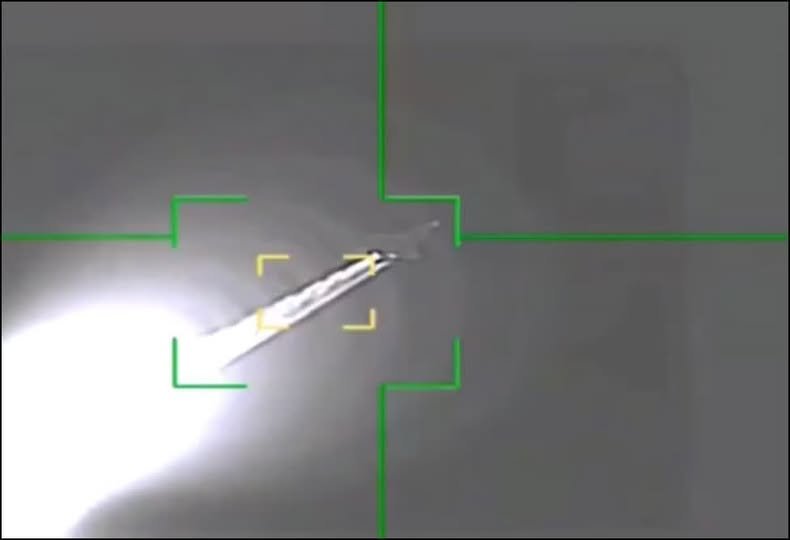
The significance lies in the mission China appears to be giving the hypersonic vehicle. A hypersonic glide vehicle, or HGV, is released after a booster sends it onto a high-energy trajectory, allowing the vehicle to maneuver through the atmosphere at hypersonic speed. In the reported configuration, the glide vehicle would not necessarily be the final weapon. It could carry an air-to-air missile or other air-to-air weapon and release it against an aircraft far from the traditional fighter battlespace.
That creates a very different problem for an opponent. A DF-17-class launch could send an HGV roughly 2,414 kilometers, according to the reporting behind the claim. The much longer-range DF-27 is assessed publicly by the U.S. government in the 5,000-to-8,000-kilometer class for different missions. Those figures, however, should not be confused with a demonstrated air-to-air engagement range. The distance a booster or glide vehicle can travel is one measurement. The distance at which the entire system can reliably find, track and intercept a moving aircraft is another.
That distinction may be the hardest part of the concept. A tanker or command aircraft does not sit still while a weapon crosses an ocean-sized battlespace. The target changes position, altitude and heading. A launch solution that looks precise at the beginning of a flight can degrade rapidly without continuous tracking and updates. The farther the weapon travels, the more important the sensor network becomes. A very long-range missile without a reliable targeting chain is still a very long-range missile, not automatically a very long-range interceptor.
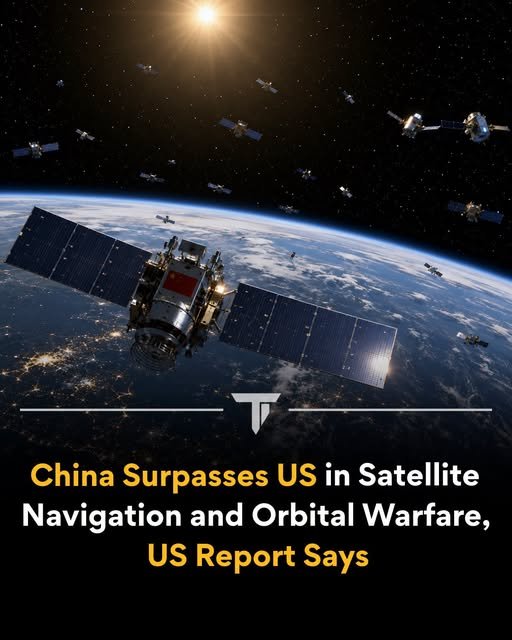
China has spent years expanding the links between missiles, aircraft, space-based sensors and command networks. The HGV concept becomes more important when viewed as part of that larger architecture. Instead of relying on a fighter to penetrate deep into contested airspace, China could potentially use a high-speed glide vehicle to carry an air-to-air weapon toward the target area, while other sensors provide the information needed to keep the track alive.
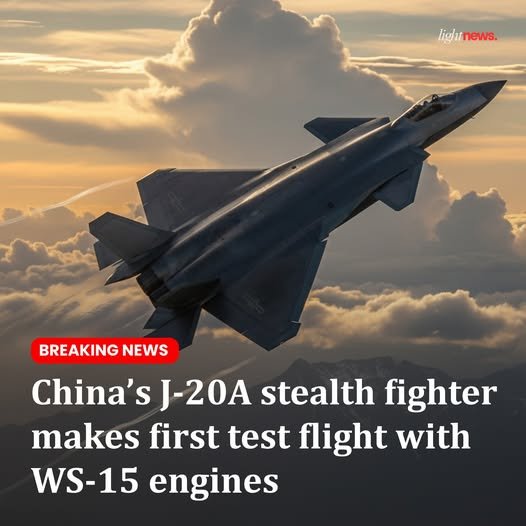
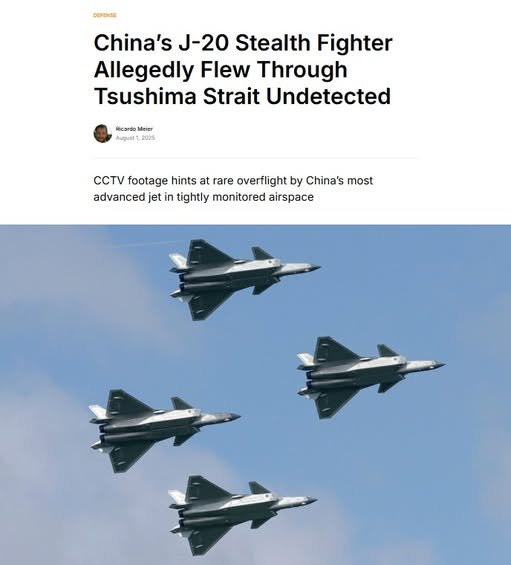
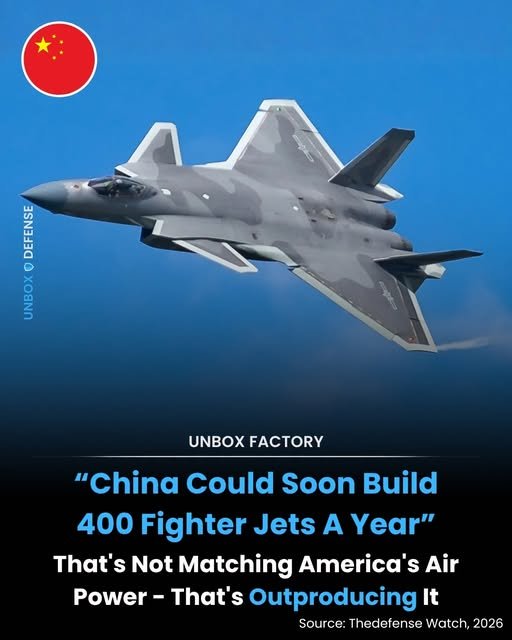
That matters because the most valuable aircraft in a U.S. air campaign are often not the fighters pulling the trigger. Tankers keep combat aircraft airborne longer. Airborne early-warning aircraft extend detection and battle-management coverage. Command, intelligence and communications aircraft connect the wider force. These platforms generally operate away from the most heavily contested airspace. A credible threat that reaches deeper into those support zones could force them farther back, reduce fighter persistence and increase the amount of fuel, aircraft and time required to maintain the same combat effect.
The United States is also pushing the air war toward longer engagement distances, but with different technology. The Air Force has been examining the Air Force Long Range Weapon family, including an air-to-air variant with a threshold minimum range of about 1,000 nautical miles, or roughly 1,850 kilometers. The Navy has also disclosed the AIM-424 Long Range Air-to-Air Missile, known as MALICE, with a range exceeding 250 nautical miles. Neither system is a direct American equivalent of China's reported HGV configuration. The common trend is the expansion of the air-to-air battlespace.
Yet the biggest unanswered questions remain. Public information does not establish how many Chinese HGV-based air-to-air systems exist, whether they have entered operational service, how their targeting chain works in combat, or how reliably the released weapon could acquire a maneuvering aircraft after a very long flight. Range figures also do not reveal the probability of a successful intercept. An impressive maximum range can become much less useful if communications are disrupted, sensors lose the target, or the terminal seeker cannot produce a stable track.
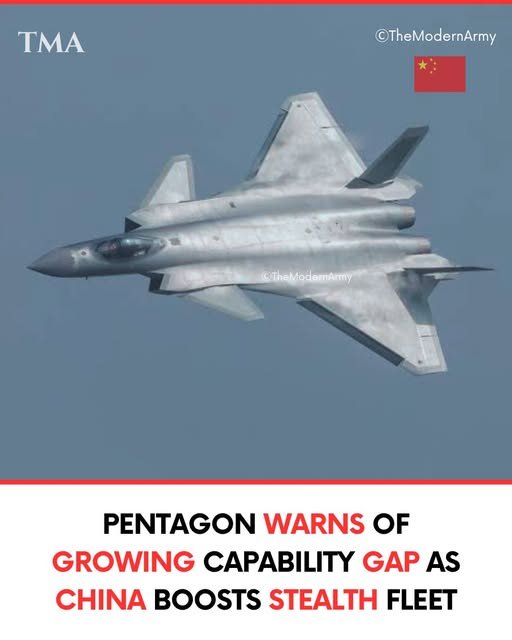
That means the real threat is not simply a hypersonic missile flying farther than before. It is the possibility of combining hypersonic mobility, extreme missile reach and persistent sensing to attack the support structure behind U.S. air power. Even without repeatedly shooting down tankers or airborne command aircraft, such a threat could force those platforms to operate farther from the fight and make every fighter mission more expensive and harder to sustain. China would not need to erase the U.S. support network to change the air war; it would only need to make that network operate under much greater pressure. Stay with the channel for the next major military developments.
Author: Saikat Bhattacharya