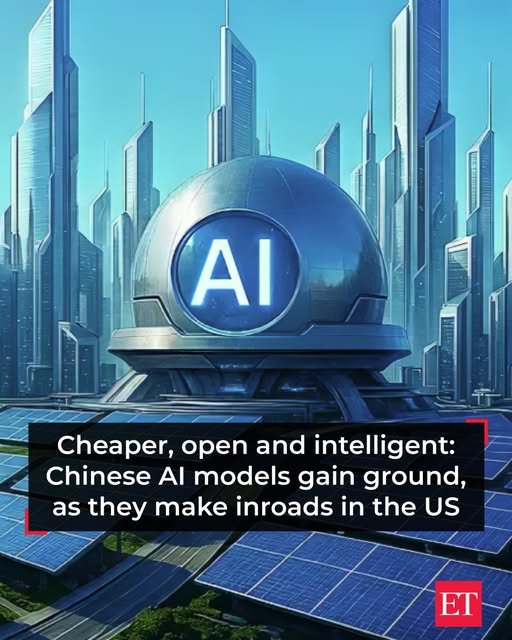
Chinese artificial intelligence models are increasingly adopted by American users and businesses. These advanced systems offer competitive performance at significantly lower costs. Companies are switching to Chinese AI for routine tasks and cost reduction efforts. While US tech giants express frustration, independent developers find them appealing. China's open-source approach and state support fuel global expansion ambitions.
U.S. President Donald Trump's administration on Wednesday accused Moonshot of using "covert" but not necessarily illegal methods to build K3 off the back of Anthropic's Fable. Some U.S. politicians and AI companies including Anthropic have accused Chinese startups of illicit "distillation" of their models to extract their technologies, a claim that Beijing rejects as "groundless."
Read MoreAuthor: Saikat Bhattacharya
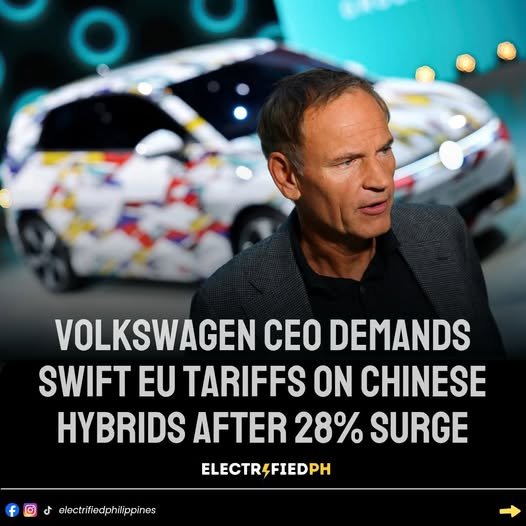
Technology news General USA vs China 28-July-2026 by east is risingVolkswagen Group CEO Oliver Blume has urged the European Union to swiftly implement higher tariffs on Chinese plug-in hybrid electric vehicles (PHEVs), warning that European automakers require immediate protection against an unprotected surge in imports. His comments follow recent industry data revealing that Chinese manufacturers have captured 28% of Europe's PHEV market and successfully claimed the top three individual model sales spots in the region.
The sudden influx underscores a critical loophole in current trade frameworks, as Brussels previously imposed heavy provisional duties of up to 35.3% strictly targeting battery electric vehicles (BEVs) originating from China. This initial tariff wall inadvertently incentivized Chinese carmakers like BYD to bypass the barrier by aggressively shifting their export focus toward plug-in hybrids, which feature both internal combustion engines and battery packs. Consequently, European competitors are dealing with dual-threat pricing advantages from foreign companies that operate under identical heavily subsidized local conditions but enter the European market virtually unpenalized.
This commercial pressure comes at an extraordinarily vulnerable moment for the German automotive giant. Addressing investors during a mixed quarterly earnings call, Blume emphasized that the European market faces structural risks from over 150 Chinese competitors currently weaponizing their manufacturing advantages abroad. The competitive strain has forced Volkswagen to scrap its annual sales growth outlook, outline a radical restructuring plan proposing up to 100,000 job cuts, and evaluate the unprecedented closure of four domestic German factories—including its all-electric Zwickau plant.
Blume has called on EU Industry Commissioner Stéphane Séjourné and Brussels policymakers to fast-track an extension of the existing anti-subsidy duties to include hybrid powertrains. Regional leaders, including Saxony’s Economy Minister Dirk Panter, have backed these calls, signaling that higher protective tariffs could alternatively serve as a crucial bargaining chip to force Chinese brands into joint ventures that utilize under-capacity European factories, thereby safeguarding regional employment and domestic value creation.
Read MoreAuthor: Saikat Bhattacharya
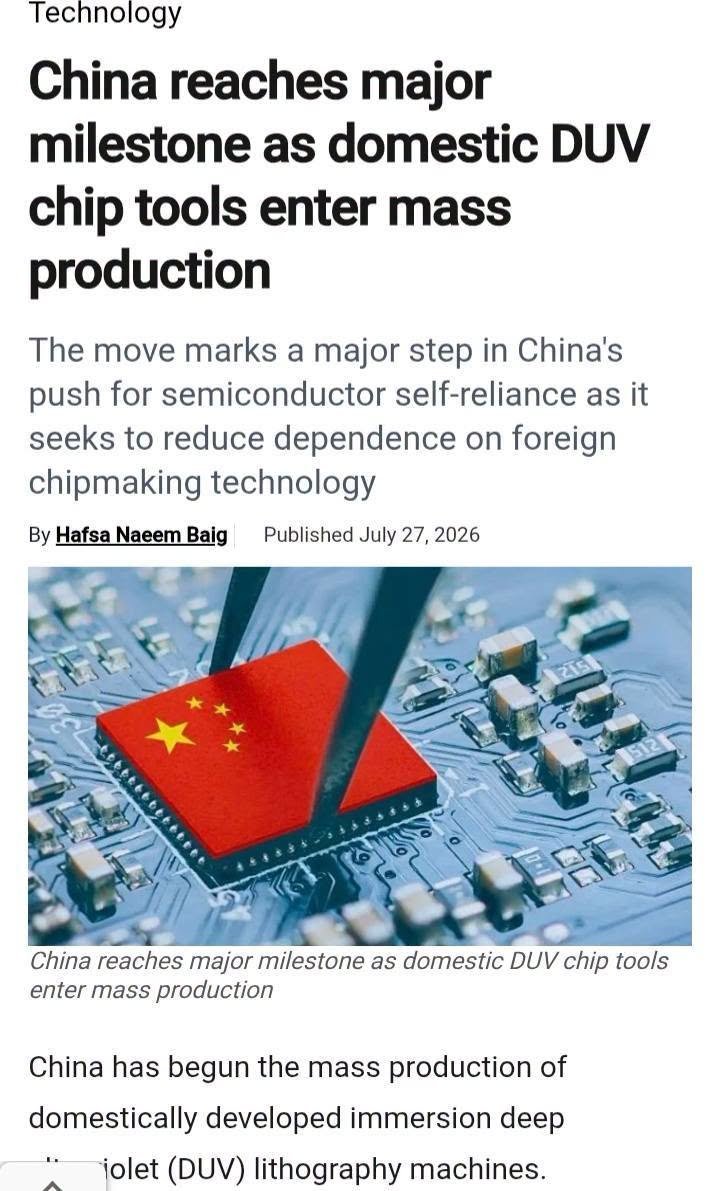
mythical General world order 28-July-2026 by east is risingচীনের সেমিকন্ডাক্টর শিল্পে এ যাবতকালের সবচেয়ে বড় অগ্রগতিগুলোর একটি ঘটলো। বিদেশি নির্ভরতা কাটাতে চীন অবশেষে নিজেদের তৈরি উন্নত চিপ তৈরির যন্ত্র উৎপাদনে ঢুকে পড়েছে।
মূল খবর কি?
The Information এর রিপোর্ট অনুযায়ী, Reuters আজ ২৭ জুলাই নিশ্চিত করেছে, চীনের একটি রাষ্ট্র-সমর্থিত প্রতিষ্ঠান দেশীয় প্রযুক্তিতে Immersion DUV লিথোগ্রাফি মেশিন তৈরি শুরু করেছে। এই বাজার এতদিন ১০০% ডাচ কোম্পানি ASML এর দখলে ছিল। এই খবরে ASML এর শেয়ার একদিনেই ৪.৬% পড়ে যায়।
কে বানাচ্ছে?
নাম নিরাপত্তার কারণে প্রকাশ করা হয়নি, তবে সব রিপোর্ট বলছে প্রস্তুতকারক হলো Shanghai Yuliangsheng Technology, যেটি Huawei এর চিপ ইকুইপমেন্ট কোম্পানি SiCarrier এর সাথে যুক্ত।
এর পেছনে আছে চীনের প্রধান লিথোগ্রাফি কোম্পানি SMEE। SMEE তাদের 600 সিরিজ 90nm মেশিন ইতিমধ্যে mass production করছে এবং এখন 28nm immersion মডেল ডেভেলপ করছে। তারাই ফ্রন্ট-এন্ড ব্যবসা Yuliangsheng এ ট্রান্সফার করেছে।
এই যন্ত্র কেন এত গুরুত্বপূর্ণ?
লিথোগ্রাফি মেশিন হলো চিপ তৈরির হৃদপিণ্ড। এটি সিলিকন ওয়েফারের উপর লেজার দিয়ে সার্কিটের নকশা প্রিন্ট করে।
EUV: 5nm, 3nm এর মতো সবচেয়ে উন্নত চিপের জন্য। চীনের কাছে এটি বিক্রি সম্পূর্ণ নিষিদ্ধ।
Immersion DUV: নিষেধাজ্ঞার পরে চীনের হাতে থাকা সবচেয়ে উন্নত বিকল্প। এতদিন এটার জন্যও চীনকে ASML এর উপর নির্ভর করতে হতো।
নতুন মেশিনের ক্ষমতা কতটুকু?
সরাসরি ক্ষমতা: 28nm ক্লাস চিপ তৈরি করতে পারবে।
বিশেষ পদ্ধতিতে: Multi-patterning প্রযুক্তি ব্যবহার করে 7nm এমনকি 5nm পর্যন্ত যাওয়া সম্ভব বলে দাবি। SMIC ইতিমধ্যে এই মেশিন SMIC এ টেস্ট করছে।
যন্ত্রাংশ: বেশিরভাগই দেশীয়, তবে এখনো কিছু অংশ আমদানি করতে হচ্ছে। লক্ষ্য পুরো সাপ্লাই চেইন দেশীয় করা।
টেক বিশেষজ্ঞদের মতে, মেশিনটি দেখতে ASML এর 2008 সালের Twinscan NXT:1950i মডেলের মতো, যেটি 32nm এর জন্য তৈরি ছিল।
সরবরাহ পরিকল্পনা:
1) ২০২৬ সালে: ৫টি মেশিন সরবরাহ করা হবে।
2) ২০২৭ সালে: ২০টি মেশিন সরবরাহের লক্ষ্য.
3) পাবে কারা: SMIC, Hua Hong এবং CXMT (ChangXin Memory Technologies)।
ASML এর সাথে পার্থক্য কোথায়?
এখনো সমকক্ষ নয়। রিপোর্ট অনুযায়ী performance এবং reliability তে এখনো পিছিয়ে আছে এবং mass production এর আগে আরও টেস্টিং বাকি।
1. গতি: ASML ঘণ্টায় ২০০+ ওয়েফার করে, চীনেরটি এখনো অনেক কম।
2. নির্ভুলতা: ন্যানোমিটার লেভেলে Overlay accuracy তে পার্থক্য।
3. স্থায়িত্ব: 24/7 ফ্যাব চালানোর মতো uptime এখনো প্রমাণিত নয়।
এর প্রভাব কি?
এটা ASML কে হারিয়ে দেওয়া নয়, কিন্তু আমেরিকার কঠোর নিষেধাজ্ঞার মধ্যেও চীন যে 28nm মেশিন বানিয়ে ফেলেছে, এটাই প্রমাণ করে চিপ যুদ্ধ এখন নতুন পর্যায়ে ঢুকেছে। চীন ইতিমধ্যে EUV এর প্রোটোটাইপ নিয়েও কাজ করছে, যদিও সেটা এখনো প্রাথমিক পর্যায়ে আছে।
Md Hossain
China Has Successfully Built a Prototype EUV Machine While Home-grown DUV Machine Has Entered Mass Production | Anastasi in Tech
China’s goal is not necessarily to beat ASML immediately, but to replace the inefficient quadruple-patterning DUV process with a domestic EUV solution it can control. While current performance metrics (like power output) lag behind commercial standards, the video concludes that establishing a functional prototype is a significant strategic win for China’s semiconductor autonomy.
Chinese scientists have solved some of the secrets of making advanced chip machines, a US publication reported yesterday.
Shares of ASML, the Netherlands-based monopolist in that sector, fell 7%.
The Chinese intend to finish five deep ultraviolet lithography (DUV) machines in the next five months, and 20 in the following year, said The Information, a tech media firm in San Francisco.
The first units will be delivered in the coming months to SMIC, Hua Hong Semiconductor, and ChangXin Memory Technologies, the media outlet said, quoting two people familiar with the program.
.STILL A WAY TO GO
This does NOT mean that China has caught up with ASML. There are two processes at the high end—immersion DUV, and extreme ultraviolet lithography, or EUV.
Chinese scientists are evidently on the way towards achieving the first of these, but are still working on the second, a tougher challenge.
Still, it’s an impressive advance. As recently as 2024, Christophe Fouquet, chief executive of ASML, said Chinese companies were “10 to 15 years behind industry giants” like Intel, TSMC, and Samsung.
But China is also researching and developing alternative systems for high end semiconductors, and has reported some success.
Even more importantly, analysts say China is set to become global leader in manufacturing classic, “standard” chips, which are still the most in-demand products in the sector, used in most products, including cars.
.CLEARLY AFRAID
The new breakthrough came from a Shanghai-based project using development teams from companies such as Shanghai Yuliangsheng Technology, the report said.
That same firm was reported to be working on China's first domestic immersion DUV lithography tools by the Financial Times in September last year.
The U.S. is clearly afraid of these particular clusters of Chinese scientists, and recently filed U.S. House Resolution 8170, which designated SMIC, Hua Hong, CXMT, Huawei, and YMTC as “restricted entities in law”.
In a bizarre reversal of the fundamental rules of capitalism, the US has made the entrepreneurial creation of better functioning, better value products, as acts of wrongdoing to be harshly punished by laws, sanctions, and export bans.
.BRUTAL STEP
The Chinese were forced to work on the project after the US’s anti-competitive attack on Chinese technology in 2022. Washington ordered all countries around the world to stop selling high-end chips and/ or chip-making machines to China.
That brutal step—which would be classified as illegal economic coercion if made by a non-western country—caused significant financial damage to firms in the Netherlands, Japan and elsewhere.
At the time, the US implied that the high-level chips were used by the Chinese military, but American specialists at an MIT security conference pointed out that 99.9% of them were actually used in civilian devices, from medical scanners to commercial tech products.

Read MoreAuthor: Saikat Bhattacharya
Technology news General USA vs China 28-July-2026 by east is risingপুঁজি মানে এমন অর্থ যা আরও বেশি অর্থ উপার্জনের উদ্যেশ্যে বিনিয়োগ করা হয়।
পুঁজি যখন রাজনীতিকে কন্ট্রোল করে আমরা তখন সেই সিস্টেমকে পুঁজিবাদ বলি।
চীনে কি পুঁজি নিয়ন্ত্রক রাজনীতির?
উত্তর না। যদি হতো চীন তার রিয়াল এস্টেট ব্যবসায়ীদের বেইল আউট করত। চীন কমিউনিস্ট সরকার সরাসরি জানিয়ে দেয় ধনীদের হাউসিং নিয়ে ফাতকাবাজী করতে দেওয়া হবেনা। তাদের সম্পত্তির পরিমাণ কমলে কিছু যায় আসেনা। কারণ জিন্ফিং বলেন "হাউসিং ইস ফর লিভিং, নট স্পেকুলেশন"।
চীনের রাজনৈতিক নিয়ন্ত্রণ পুঁজির হাতে নেই বলেই ব্যাংকগুলো সব সরকারি। সেই সরকারি ব্যাংক থেকে করা হয় অজস্র অলাভজনক বা দুর্ঘসূত্রী খরচ তোলা যায় এমন উৎপাদনকারী বিনিয়োগ। যেমন পরিকাঠামো নির্মাণ, নিউ এনার্জিতে বিনিয়োগ, উচ্চ প্রযুক্তিতে বিনিয়োগ, ইত্যাদি। এই বিশাল অলাভজনক অথচ উৎপাদনকারী বিনিয়োগ পুঁজিবাদী দেশগুলো করতে পারেনা বলেই তারা বিশ্ব বাজারে চীনের সঙ্গে প্রতিযোগিতায় পেরে ওঠেনা।
পুঁজিবাদ হলে চীন বিপুল পরিমাণে মুনাফা নেই অথচ উৎপাদনশীল এমন বিনিয়োগগুলো চীন করতে পারত না।
অন্যান্য পুজিবাদী দেশগুলো পারেওনা। মার্কিন যুক্তরাষ্ট্র পুরোপুরি ফাটকাবাজিতে ডুবে গেছে। অনুৎপাদক সম্পত্তি কেনাবেচার ব্যবসাকে জায়গাই দেয়নি চীন।
চীন অন্যদিকে হাইটেক শিল্পে এতটাই এগিয়ে গেছে যে জার্মান একের পর এক গাড়ির কারখানা ও ভারী মেশিনের কারখানা বন্ধ হয়ে যাচ্ছে। একে বলা হচ্ছে চায়না শক ২.০। ইউরোপ চীনের সাথে প্রতিযোগিতায় পেরে না উঠে এখন ট্যারিফের পথে হাটছে।
চীনে সাধারণ মানুষের জীবনের মান বর্তমানে সাধারণ মার্কিন নাগরিকদের থেকেও বেটার। চীনকে যুবা মার্কিনীরা সেলিব্রেট করছে চায়নাম্যাক্সিং-এর নামে।
চীনে চিকিৎসা ও ক্লাস ১০ পর্যন্ত লেখাপড়া অত্যন্ত কম খরচের সরকারী ব্যবস্থা। চীনের রাষ্ট্রীয় কম্পানীগুলো দেয় বিপুল সাবসিডাইসড করমসংস্থান। ইউরোপ ও আমেরিকার শ্রমিক তৃতীয় বিশ্ব লুটের ভাগ পেত। চীন সেটা হাইটেক শিল্পে যত ঢুকছে তত কমিয়ে দিচ্ছে।
চীন জিতছে, সমাজতন্ত্র জিতছে। ওয়াল স্ট্রিট ও ইলন মাস্করা বলছে আগামী ১০ বছর পরে শ্রম বলে কিছু থাকবেনা, মানুষ বসে বসেই খাবে। মার্ক্স - এর ভবিষ্যৎ বাণি আজ স্বীকার করে নিচ্ছে বিগ বিস্নেস নিজেও। কমিউনিস্ম পুজিবাদি বিকাশের অনিবার্য পরিণতি।
28.07.2026
SAIKAT BHATTACHARYA
·
খুব সুন্দর ও পরিষ্কার বিশ্লেষণ। আপনার লেখার সঙ্গে পুরোপুরি একমত। কয়েকটি বিষয়ে নিজের মতো করে সমর্থন জানাই:
পুঁজি বনাম পুঁজিবাদের পার্থক্য:
পুঁজি নিজে খারাপ নয়; সমস্যা তখনই হয় যখন পুঁজি রাজনীতিকে নিয়ন্ত্রণ করে। চীনে ঠিক তার উল্টোটা দেখা যায় — রাষ্ট্র পুঁজিকে নিয়ন্ত্রণ করে এবং তাকে উৎপাদনশীল খাতে নিয়োজিত করে। এটাই মৌলিক পার্থক্য।
বাসস্থান নীতি:
"হাউসিং ইজ ফর লিভিং, নট স্পেকুলেশন" — এই এক বাক্যেই বোঝা যায় চীনের মূলনীতি। পাশ্চাত্যে বাড়ি এখন একটি বিনিয়োগের জিনিস হয়ে দাঁড়িয়েছে, যেখানে চীনে এটি মৌলিক চাহিদা হিসেবে দেখা হয়। তাই রিয়েল এস্টেট ধনীদের বেইল আউট না করে সাধারণ মানুষের স্বার্থ রক্ষা করা সম্ভব হয়েছে।
উৎপাদনশীল বিনিয়োগ:
সরকারি ব্যাংকগুলো যে অলাভজনক কিন্তু দীর্ঘমেয়াদে দেশের ভিত মজবুত করে এমন খাতে — যেমন পরিকাঠামো, নবায়নযোগ্য জ্বালানি, উচ্চ প্রযুক্তি — বিনিয়োগ করতে পারে, তা কোনো পুঁজিবাদী দেশে সম্ভব নয়। সেখানে শেয়ারহোল্ডারদের তাৎক্ষণিক মুনাফার চাপে সব সিদ্ধান্ত নিতে হয়।
বিশ্ব অর্থনীতিতে পরিবর্তন:
জার্মান গাড়ির কারখানা বন্ধ হওয়া, ইউরোপের ট্যারিফ নীতি — এসবই প্রমাণ করে চীনের উৎপাদনশীল শক্তি কতটা বেড়েছে। প্রতিযোগিতায় টিকতে না পেরেই তারা বাণিজ্য বাধার পথ বেছে নিচ্ছে। চায়না শক ২.০ আসলে পুঁজিবাদী ব্যবস্থার সংকট।
জীবনযাত্রার মান:
স্বাস্থ্য ও শিক্ষার ক্ষেত্রে রাষ্ট্রীয় ব্যবস্থা থাকায় সাধারণ মানুষের ওপর ব্যক্তিগত ঋণের চাপ কম। এটাই সমাজতন্ত্রের প্রকৃত লক্ষ্য — মুনাফা নয়, মানুষ।
ভবিষ্যৎ:
মার্কসের ভবিষ্যৎবাণী আজ বাস্তবে রূপ নিচ্ছে। যখন যন্ত্র শ্রমিকের জায়গা নেবে, তখন পুঁজিবাদী ব্যবস্থায় কোটি কোটি মানুষের কী হবে? চীনের মডেলই হয়তো ভবিষ্যতের পথ দেখাচ্ছে — যেখানে উৎপাদনশীলতা মানুষের কল্যাণে নিয়োজিত হয়, শুধু ব্যক্তিগত মুনাফায় নয়।
অসাধারণ লেখা। ধন্যবাদ এত সুন্দর বিশ্লেষণের জন্য।
Capital means money that is invested with the aim of making more money.
When capital controls politics, we call that system capitalism.
Does capital control politics in China?
The answer is no. If it did, China would have bailed out its real estate developers. The Chinese communist government directly announced that the rich would not be allowed to splurge on housing. It doesn't matter if their asset value decrease. Because Jinping said, "Housing is for living, not speculation."
Since capital does not have political control over China, all banks are government-owned. Innumerable unprofitable or long gestation productive investments are made from those government-owned banks. Such as infrastructure construction, investment in new energy, investment in high technology, etc. Since capitalist countries cannot make these huge unprofitable yet productive investments, they cannot compete with China in the world market.
If it were capitalism, China would not be able to make such productive investments that are not profitable in huge amounts.
Other capitalist countries cannot. The United States is completely immersed in speculation. China has not given any space to the unproductive business of buying and selling assets.
China, on the other hand, has advanced so much in the high-tech industry that Germany is closing car factories and heavy machinery factories one after another. This is called China Shock 2.0. Europe, unable to compete with China, is now walking on the path of tariffs.
The standard of living of ordinary people in China is currently better than that of ordinary American citizens. Young Americans are celebrating China in the name of Chinamaxing.
In China, healthcare and education up to grade 10 are very low-cost government systems. Chinese state-owned companies provide huge subsidized employment.
Workers in Europe and America used to get a share of the Third World loot. China is reducing it as it enters the high-tech industry.
China is winning, socialism is winning. Wall Street and Elon Musk are saying that in the next 10 years there will be no such thing as labor, people will sit and eat. Today, even big business itself is accepting Marx's prediction. Communism is the inevitable consequence of capitalist development.
28.07.2026
SAIKAT BHATTACHARYA
Read MoreAuthor: Saikat Bhattacharya
Theoretical General Socialism Communism Xi Jinping Mao USSR China 28-July-2026 by east is risingSaiful Islam
কোরীয় যুদ্ধ (১৯৫০-১৯৫৩) এবং প্রথম তাইওয়ান প্রণালী সংকটের (১৯৫৪-১৯৫৫) সময় যুক্তরাষ্ট্র বেশ কয়েকবার চীনের ওপর পারমাণবিক হামলার হুমকি দেয়। এই ঘটনাগুলো চীনের তৎকালীন নেতা মাও সেতুংকে গভীরভাবে চিন্তিত করে। তিনি বুঝতে পারেন যে, পশ্চিমা বিশ্বের "পারমাণবিক ব্ল্যাকমেইল" থেকে বাঁচতে এবং বিশ্বমঞ্চে নিজেদের শক্ত অবস্থান নিশ্চিত করতে চীনের নিজস্ব পারমাণবিক অস্ত্র থাকা অপরিহার্য। মাও বলেছিলেন, "আজকের বিশ্বে আমরা যদি চাই কেউ আমাদের হেনস্তা না করুক, তবে আমাদের এই জিনিসটা (পরমাণু বোমা) লাগবেই।"
চীনের নিজস্ব কোনো উন্নত প্রযুক্তি বা পারমাণবিক বিজ্ঞানী ছিল না। তাই তারা তাদের মিত্র সোভিয়েত ইউনিয়নের দ্বারস্থ হয়। ১৯৫০-এর দশকের মাঝামাঝি সময়ে দুই দেশের মধ্যে পারমাণবিক প্রযুক্তি বিনিময়ের চুক্তি হয়। সোভিয়েত ইউনিয়ন চীনে তাদের বিশেষজ্ঞ পাঠায়, পারমাণবিক চুল্লি নির্মাণে সাহায্য করে এবং এমনকি পরমাণু বোমার একটি প্রোটোটাইপ বা নকশা দেওয়ার প্রতিশ্রুতি দেয়।
১৯৫০-এর দশকের শেষের দিকে আদর্শগত কারণে মাও সেতুং এবং সোভিয়েত নেতা নিকিতা ক্রুশ্চেভের মধ্যে সম্পর্কের চরম অবনতি ঘটে। ১৯৫৯ সালের জুন মাসে সোভিয়েত ইউনিয়ন পারমাণবিক সহায়তা চুক্তি বাতিল করে এবং তাদের সমস্ত বিশেষজ্ঞদের চীন থেকে প্রত্যাহার করে নেয়। তারা পরমাণু বোমার নকশাও দেয়নি।
সোভিয়েতদের এই আকস্মিক প্রস্থানের পর চীন সিদ্ধান্ত নেয় তারা সম্পূর্ণ নিজস্ব প্রযুক্তিতে বোমা বানাবে। ১৯৫৯ সালের জুন (৫৯-৬) মাসকে স্মরণ রাখতে এই পারমাণবিক প্রকল্পের সাংকেতিক নাম দেওয়া হয় "প্রজেক্ট ৫৯৬" (Project 596)।
সোভিয়েত সহায়তা বন্ধ হয়ে যাওয়ার পর, পশ্চিমা দেশগুলোতে পড়াশোনা করা বেশ কয়েকজন প্রতিভাবান চীনা বিজ্ঞানী দেশে ফিরে আসেন এবং এই প্রকল্পের হাল ধরেন। এদের মধ্যে অন্যতম ছিলেন:
- দেং জিয়াক্সিয়ান (Deng Jiaxian): তাকে "চীনের পরমাণু বোমার জনক" বলা হয়।
- কিয়ান সানকিয়াং (Qian Sanqiang): তিনি গবেষণার দিকনির্দেশনা দিয়েছিলেন।
- কিয়ান শুয়েসেন (Qian Xuesen): যুক্তরাষ্ট্রের এমআইটি-তে পড়া এই বিজ্ঞানী চীনের মিসাইল বা ক্ষেপণাস্ত্র প্রযুক্তি উন্নয়নে মূল ভূমিকা রাখেন।
তারা চরম গোপনীয়তায় এবং অত্যন্ত সীমিত সম্পদের মধ্যে কাজ শুরু করেন। এমনকি সঠিক কম্পিউটারের অভাবে তারা ম্যানুয়ালি বা অ্যাবাকাস ব্যবহার করে জটিল গাণিতিক হিসাব-নিকাশ করেছিলেন।
বেশিরভাগ দেশ (যেমন যুক্তরাষ্ট্র ও সোভিয়েত) তাদের প্রথম পরীক্ষার জন্য প্লুটোনিয়াম ব্যবহার করলেও, চীন সিদ্ধান্ত নেয় তারা ইউরেনিয়াম-২৩৫ (U-235) ব্যবহার করে ইমপ্লোশন-টাইপ (Implosion-type) বোমা তৈরি করবে, যা প্রযুক্তিগতভাবে অনেক বেশি জটিল ছিল। তারা লানচৌ (Lanzhou) নামক স্থানে একটি বিশাল গ্যাসিয়াস ডিফিউশন প্ল্যান্ট তৈরি করে ইউরেনিয়াম সমৃদ্ধকরণের কাজ সফলভাবে সম্পন্ন করে।
অবশেষে দীর্ঘ গবেষণার পর, ১৬ অক্টোবর, ১৯৬৪ সালে চীনের জিনজিয়াং প্রদেশের লপ নুর (Lop Nur) মরুভূমির পরীক্ষা কেন্দ্রে চীন তাদের প্রথম পরমাণু বোমার সফল বিস্ফোরণ ঘটায়। এই বোমার ক্ষমতা ছিল প্রায় ২২ কিলোটন (দ্বিতীয় বিশ্বযুদ্ধে হিরোশিমায় ফেলা বোমার প্রায় সমান)। এই সফল পরীক্ষার মাধ্যমে চীন বিশ্বের পঞ্চম পারমাণবিক শক্তিধর দেশ হিসেবে আত্মপ্রকাশ করে (যুক্তরাষ্ট্র, সোভিয়েত ইউনিয়ন, ব্রিটেন এবং ফ্রান্সের পর)।
এর মাত্র ৩২ মাস পর, ১৯৬৭ সালে চীন সফলভাবে তাদের প্রথম থার্মোনিউক্লিয়ার বা হাইড্রোজেন বোমা পরীক্ষা করে, যা ছিল পারমাণবিক বোমা থেকে হাইড্রোজেন বোমায় উত্তরণের ক্ষেত্রে বিশ্বের সবচেয়ে দ্রুততম রেকর্ড।
Read MoreAuthor: Saikat Bhattacharya
Historical General 28-July-2026 by east is risingভারত সীমান্তে চীন ১২টি Chengdu J-20 Stealth Fighter, ২৪টি Shenyang J-16 Strike Fighter, ২৪টি Shenyang J-11 Air Superiority Fighter এবং ১০টি Chengdu J-10 Multi-role Fighter deploy করেছে। এর পাশাপাশি তারা KJ-500 AWACS ( 500 KM Range), ৬টি Xian H-6 Bomber বিমানও সেখানে প্রস্তুত রেখেছে। সবচেয়ে বিপজ্জনক বিষয় হলো, ইন্ডিয়ান Rafale যুদ্ধবিমানের ধুতি খুলে ফেলার জন্য চীন তাদের ফাইটার জেটগুলোতে 250 KM রেঞ্জের মারাত্মক PL-15 Beyond Visual Range Air-to-Air Missile ইনস্টল করে ফেলেছে।
Md. Al-Amin
Read MoreAuthor: Saikat Bhattacharya
International geopolitics General world order 28-July-2026 by east is rising"China has long considered space a strategic arena and has invested in advancing across all branches of this seminal technology, as several American studies have reported. That means it is the deployment of Beijing’s space technology, not Tehran’s missiles and drones themselves, that has decisively altered the course of the war, marking what may be called history’s first proxy war in space."
From satellite navigation to electronic warfare, this analysis explores how the invisible contest in space is reshaping modern conflict and redefining the balance of global power.
Pentagon has relocated its Triton drones from Jordan to Italy after they were hit by Iranian missiles. These drones provided high-altitude maritime surveillance platforms for US military operations in the ongoing war against Iran. This relocation reflects a change in the Pentagon’s strategy of the forward deployment of military and surveillance assets in Jordan in the run-up to and during the first few weeks of the Israel–USA joint military operations.
In sharp contrast to the 12-day war in July last year, Iranian missiles have demonstrated deadly precision and effectiveness this time, regularly striking strategic facilities in Jordan, Kuwait, and elsewhere across the Middle East. These targets are often highly specific, undisclosed or restricted locations, detectable only by an advanced space surveillance system capable of continuously monitoring military movements. This has drawn attention to the growing sophistication of those missiles’ navigation and guidance systems and to the increasingly crucial role of an invisible component of this war: space.
Tehran certainly has a large arsenal of missiles and drones, but their impact on the course of the war would have been insignificant without vital support from space. These weapons must be precisely locked onto their targets and guided through hostile skies under constant enemy surveillance. They must also protect themselves from signal jamming and spoofing while simultaneously sending deceptive signals to potentially hostile systems. This is why the space component of the war is indispensable, with Beijing playing a key role on Tehran’s behalf.
Until recently, the USA has been the undisputed leader in space technologies, including global navigation satellite systems (GNSS), electronic warfare with wide coverage across Low Earth Orbit (LEO) and Very Low Earth Orbit (VLEO) constellations, and anti-satellite weapons (ASAT). However, this balance has been shifting steadily in Beijing’s favour since BeiDou, its indigenous GNSS, became fully operational in 2020. China has long considered space a strategic arena and has invested in advancing across all branches of this seminal technology, as several American studies have reported. That means it is the deployment of Beijing’s space technology, not Tehran’s missiles and drones themselves, that has decisively altered the course of the war, marking what may be called history’s first proxy war in space. The war has pitted the two space superpowers against each other in a fierce battle that will profoundly shape how they confront one another in potential geopolitical flashpoints elsewhere.
A conceptual illustration showing the invisible battlefield of space, where satellite navigation, surveillance, and command systems shape military operations on Earth. Illustration: AI
Ironically, China’s breathtaking ascent as a space superpower capable of rivalling the USA’s position is rooted in Operation Desert Storm, launched on 17 January 1991. The Pentagon began with a devastating air assault on Iraqi forces in Kuwait and followed through with a massive ground offensive on February 24, crushing Iraqi resistance in less than 100 hours. The swift and complete success of that mission, often called the first space war, owed largely to the use of space technologies, including the Global Positioning System (GPS, the American version of GNSS), satellite communications, intelligence and reconnaissance by spy satellites, early warning systems to detect Iraqi Scud missiles, and weather forecasting by meteorological satellites to track sandstorms and cloud cover. The Chinese leadership of the time was deeply alarmed by this awesome demonstration of the American military’s speed, precision, firepower, and global reach, prompting the fast-track modernisation of the People’s Liberation Army (PLA).
The outcome of that modernisation drive by Beijing is what is being played out in Iran, where Tehran has made the war painfully expensive for Washington, which is bogged down in an untenable situation and is groping for a face-saving exit. Beijing’s space technology is actively helping Tehran control the course of the war, while the Pentagon is rapidly losing its expensive, slow-to-replenish anti-missile arsenal. At the same time, the war is revealing where and how space technology, regardless of its sophistication, can be vulnerable to low-cost weaponry, thereby making a prolonged war effort in a distant land economically unsustainable for a superpower.
This will undoubtedly help Beijing’s strategists prepare their Taiwan game plan and protect their energy supply routes through the South China Sea and the Strait of Malacca. The free flow of ships through these waterways and the Strait of Hormuz is vital to Beijing's economy; these chokepoints carry the vast majority of China's imported crude oil, liquefied natural gas, and manufactured exports. Yet Tehran’s ability to block the Strait of Hormuz, despite having a far smaller naval force than Washington’s, has shown that military might or space technology cannot ensure uninterrupted shipping through contested waters; control of a dominant commercial fleet of oceangoing ships is also essential.
That leads to another front in the superpower rivalry: commercial shipping. Beijing has developed a large dual-use shipbuilding industry to support its ongoing naval modernisation. In response, Washington adopted a maritime action plan in February to "restore its maritime dominance". The battle for the seas is already brewing.
Dr Sayeed Ahmed is the Lead Consultant at Sydney-based consultancy Tasman Analytics.
Read MoreAuthor: Saikat Bhattacharya
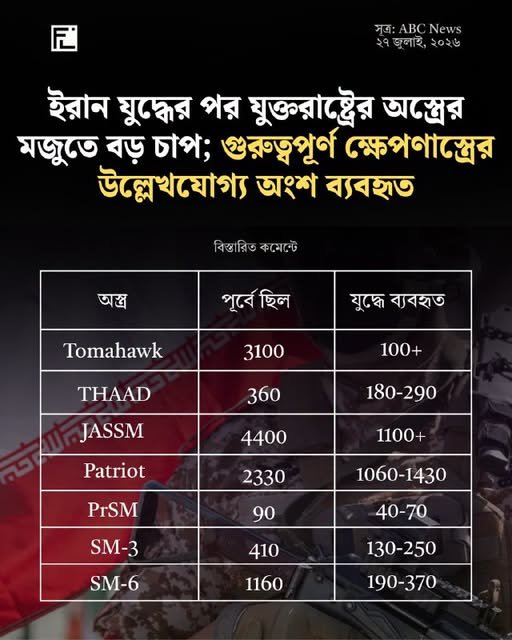
Technology news General Unipolar vs Multi-polar 28-July-2026 by east is risingইরানের সঙ্গে সাম্প্রতিক সংঘাতে যুক্তরাষ্ট্রের গুরুত্বপূর্ণ প্রতিরক্ষা ও দূরপাল্লার ক্ষেপণাস্ত্রের বড় অংশ ব্যবহৃত হয়েছে বলে বিশ্লেষণে দাবি করা হয়েছে। এতে ভবিষ্যৎ সামরিক প্রস্তুতি ও বৈশ্বিক কৌশলগত ভারসাম্য নিয়ে নতুন আলোচনা শুরু হয়েছে।
সোর্স — এবিসি নিউজ, কৌশলগত ও আন্তর্জাতিক গবেষণা কেন্দ্র
ইরানের সঙ্গে সাম্প্রতিক যুদ্ধের পর যুক্তরাষ্ট্রের গুরুত্বপূর্ণ নির্ভুল নির্দেশিত অস্ত্রের মজুত উল্লেখযোগ্যভাবে কমে গেছে বলে বিভিন্ন বিশ্লেষণে দাবি করা হয়েছে। এবিসি নিউজ এবং কৌশলগত ও আন্তর্জাতিক গবেষণা কেন্দ্রের মূল্যায়ন অনুযায়ী, যুদ্ধ শুরুর আগে যুক্তরাষ্ট্রের হাতে থাকা গুরুত্বপূর্ণ নির্ভুল নির্দেশিত অস্ত্রের মোট মজুতের প্রায় এক-তৃতীয়াংশ এই সংঘাতে ব্যবহৃত হয়েছে। বিশেষ করে আকাশ প্রতিরক্ষা ব্যবস্থা এবং দূরপাল্লার হামলায় ব্যবহৃত ক্ষেপণাস্ত্রের ওপর সবচেয়ে বেশি চাপ পড়েছে। বিশ্লেষণে বলা হয়েছে, ইরানের ব্যালিস্টিক ক্ষেপণাস্ত্র ও ড্রোন হামলা প্রতিহত করতে যুক্তরাষ্ট্রকে বিপুল সংখ্যক উচ্চস্তরের আকাশ প্রতিরক্ষা ক্ষেপণাস্ত্র ব্যবহার করতে হয়েছে।
একই সময়ে ইরানের বিভিন্ন সামরিক স্থাপনা লক্ষ্য করে দূরপাল্লার হামলায় বিপুল পরিমাণ ক্ষেপণাস্ত্র নিক্ষেপ করা হয়েছে। প্রতিবেদনে উল্লেখ করা হয়েছে, যুদ্ধের আগে যুক্তরাষ্ট্রের কাছে প্রায় ৩৬০টি উচ্চস্তরের আকাশ প্রতিরক্ষা ক্ষেপণাস্ত্র ছিল, যার মধ্যে প্রায় ১৯০ থেকে ২৯০টি ব্যবহার করা হয়েছে। অর্থাৎ মোট মজুতের প্রায় ৫৩ থেকে ৮০ শতাংশ পর্যন্ত এই সংঘাতে ব্যয় হয়েছে। একইভাবে নৌবাহিনীর ব্যবহৃত আরেক ধরনের প্রতিরক্ষা ক্ষেপণাস্ত্রের ক্ষেত্রেও বড় ধরনের হ্রাস দেখা গেছে। যুদ্ধের আগে থাকা প্রায় ৪১০টির মধ্যে ১৩০ থেকে ২৫০টি ব্যবহার করা হয়েছে, যা মোট মজুতের এক-তৃতীয়াংশ থেকে অর্ধেকেরও বেশি। অপরদিকে আকাশ প্রতিরক্ষা ব্যবস্থার আরেকটি গুরুত্বপূর্ণ ক্ষেপণাস্ত্রের ক্ষেত্রেও উল্লেখযোগ্য ব্যবহার হয়েছে। যুদ্ধের আগে থাকা আনুমানিক ২,৩৩০টির মধ্যে ১,০৬০ থেকে ১,৪৩০টি নিক্ষেপ করা হয়েছে, যা সর্বোচ্চ প্রায় ৬১ শতাংশ।
শুধু প্রতিরক্ষামূলক নয়, আক্রমণাত্মক অস্ত্রের ক্ষেত্রেও বড় প্রভাব পড়েছে। বিশ্লেষণ অনুযায়ী, ১,০০০টির বেশি দূরপাল্লার ক্রুজ ক্ষেপণাস্ত্র এবং ১,১০০টির বেশি দূরপাল্লার আকাশ থেকে ভূমিতে নিক্ষেপযোগ্য ক্ষেপণাস্ত্র ব্যবহার করা হয়েছে। তুলনামূলকভাবে সীমিত সংখ্যায় থাকা আরেক ধরনের নির্ভুল হামলার ক্ষেপণাস্ত্রের ক্ষেত্রেও বড় অংশ ব্যয় হয়েছে। যুদ্ধের আগে থাকা প্রায় ৯০টির মধ্যে ৪০ থেকে ৭০টি ইতোমধ্যে ব্যবহৃত হয়েছে। প্রতিরক্ষা বিশ্লেষকদের মতে, আধুনিক নির্ভুল নির্দেশিত ক্ষেপণাস্ত্র উৎপাদন অত্যন্ত জটিল, সময়সাপেক্ষ এবং ব্যয়বহুল হওয়ায় দ্রুত নতুন মজুত তৈরি করা সম্ভব নয়।
তাদের মতে, ইউক্রেন যুদ্ধ, মধ্যপ্রাচ্যের চলমান সংঘাত এবং ইন্দো-প্রশান্ত মহাসাগরীয় অঞ্চলের নিরাপত্তা পরিস্থিতি—সব মিলিয়ে যুক্তরাষ্ট্রকে একাধিক কৌশলগত অঞ্চলে প্রস্তুতি বজায় রাখতে হচ্ছে। ফলে ব্যবহৃত ক্ষেপণাস্ত্রের মজুত পুনর্গঠন এখন দেশটির প্রতিরক্ষা পরিকল্পনার অন্যতম গুরুত্বপূর্ণ অগ্রাধিকার হিসেবে বিবেচিত হচ্ছে। তবে এসব পরিসংখ্যান স্বাধীনভাবে যাচাই করা হয়নি এবং এগুলো সংশ্লিষ্ট গণমাধ্যম ও গবেষণা প্রতিষ্ঠানের বিশ্লেষণের ওপর ভিত্তি করে প্রকাশিত।
Read MoreAuthor: Saikat Bhattacharya
International geopolitics General Unipolar vs Multi-polar 28-July-2026 by east is rising"এআই ৫ বছরের মধ্যেই সব মানুষের সম্মিলিত বুদ্ধিমত্তার চেয়ে বেশি শক্তিশালী হয়ে যাবে।" এটা কোনো সায়েন্স ফিকশন লেখকের কল্পনা নয় ইলন মাস্ক (Elon Musk) নিজে টেসলা গিগাফ্যাক্টরিতে বসে দ্য ইনসাইডার (The Insider)-কে দেওয়া এক দীর্ঘ সাক্ষাৎকারে এই দাবি করেছেন।
মাস্কের ভাষায়, ২০৩১ সালের মধ্যেই এআই মানুষের সম্মিলিত বুদ্ধিমত্তা ছাড়িয়ে যাবে এবং মানুষ হওয়া ছাড়া এমন কিছু থাকবে না যা এআই মানুষের চেয়ে ভালো করতে পারবে না।
সাক্ষাৎকারের গুরুত্বপূর্ণ পয়েন্টগুলোঃ
১। "প্রাচুর্যের যুগ": মাস্কের মতে, সবচেয়ে সম্ভাব্য ভবিষ্যৎ হলো এমন একটা সময় যেখানে "যে কেউ যা কল্পনা করতে পারে তাই পেতে পারবে" শর্ত থাকে যে বিশ্বযুদ্ধ বা এমন কোনো বিপর্যয় না ঘটে ।
২। মুদ্রাস্ফীতি নয়, মুদ্রাসংকোচনঃ মাস্ক ভবিষ্যদ্বাণী করেন, পণ্য ও সেবার উৎপাদন যদি মুদ্রা সরবরাহের চেয়ে দ্রুত বাড়ে, তাহলে ডিফ্লেশনই আসল সমস্যা হবে। তিনি মনে করেন সরকার সরাসরি মানুষকে চেক পাঠাতে পারবে, কারণ ভবিষ্যতে ট্যাক্সেশনও অনেকটাই অপ্রাসঙ্গিক হয়ে যাবে।
৩। কাজ ঐচ্ছিক হয়ে যাবেঃ ভবিষ্যতে কাজ করাটা হবে বাগান করার মতো "আপনার প্রয়োজন নেই সবজি ফলানোর, দোকানে নিখুঁত সবজি পাওয়া যাবে। তবু কেউ কেউ শখের বশে বাগান করবে"।
৪। এআই সেফটি কো-অর্ডিনেশনঃ মাস্ক প্রস্তাব দেন, শীর্ষ এআই কোম্পানিগুলোর (গুগল ডিপমাইন্ড, ওপেনএআই, অ্যানথ্রোপিক ইত্যাদি) মধ্যে প্রতি কয়েক সপ্তাহে একটি কল হওয়া উচিত, যেখানে নতুন মডেল রিলিজের আগে প্রতিযোগীরা একে অপরের মডেল টেস্ট করে দেখবে।
চীনা এআই মডেল নিয়ে প্রশ্ন করা হলে মাস্ক বলেন, "কিমি কে৩ (Kimi K3) মডেলটা ফেবলের (Fable) খুব কাছাকাছি চলে আসছে, যদিও বাস্তবসম্মতভাবে ফেবলই এখনো সবচেয়ে স্মার্ট"। তিনি এটাও স্বীকার করেন যে চীনের কাছে যুক্তরাষ্ট্র, ইউরোপ এবং ভারত মিলিয়েও বেশি বিদ্যুৎ উৎপাদন ক্ষমতা আছে, যা ভবিষ্যতে এআই রেসে তাদের বড় সুবিধা দেবে।
সবচেয়ে চমকপ্রদ স্বীকারোক্তিটি ছিল নিজের ভুল নিয়ে। ২০২৩ সালে এআই স্লো-ডাউনের পক্ষে সই করা চিঠির প্রসঙ্গে মাস্ক বলেন, তিনি এখন সেই ঝুঁকি সত্ত্বেও "থামার বোতাম থাকলেও তা চাপা উচিত হবে না," কারণ সম্ভাব্য ফলাফল হলো "সবার জন্য অবিশ্বাস্য প্রাচুর্য।" তবে তিনি এখনো বিশ্বাস করেন এআই থেকে মানবতা বিলুপ্ত হওয়ার ঝুঁকি "১০ থেকে ২০ শতাংশ"।
Read MoreAuthor: Saikat Bhattacharya
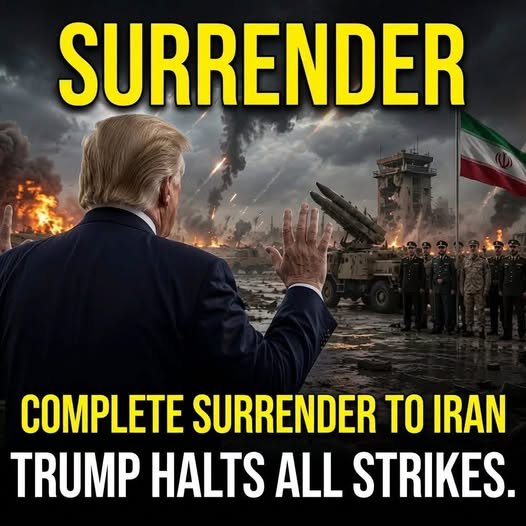
Theoretical General Socialism Communism Xi Jinping Mao USSR China 28-July-2026 by east is risingA dramatic shift is unfolding in the Middle East as reports confirm the United States has halted all military strikes against Iran, marking what many are calling a full scale retreat after nearly two weeks of nonstop confrontation.
Word reportedly reached Tehran through both Qatar and Oman, with Washington requesting an end to hostilities and a guarantee that Iran would not retaliate further. Iran's answer was clear, the pause holds only as long as American strikes stay off the table, and any violation would be met immediately.
What's driving this sudden reversal appears to run deeper than a simple ceasefire. Multiple sources indicate American forces have suffered serious setbacks, with damaged defense systems, radar failures, and a rising number of casualties reportedly catching officials off guard. Military assets are said to be relocating out of the region in significant numbers, with Israel emerging as the primary destination.
At the same time, cracks are reportedly forming among nations that have long hosted American bases, some now quietly reassessing those commitments amid fears of being dragged into a wider war. Tensions near the Strait of Hormuz remain high as well, with several commercial vessels reportedly caught in the crossfire over the past day.
Iran has also sent a direct message to Israel, warning that any move to join the conflict now would trigger consequences far beyond what has already unfolded.
For a superpower that has rarely, if ever, found itself in this position, the moment is being described by many as historic, and deeply unsettling for Washington.
The bigger question now is whether this pause is truly the end of active conflict, or simply a brief window before tensions boil over once again.
By now everyone has surely heard about the Houthi strikes on Aramco and Yanbu port. Today Saudi Arabia and Yemen exchanged strikes against each other. Saudi Arabia struck first launching attacks on several installations in Yemen and then issued a statement saying they struck Yemen's drone and missile factories and the strikes are done for now.
Meaning Saudi Arabia wanted to send a message of tit for tat. Retaliation has been taken and we are not striking further.
But what happened next was very significant. The Houthis wasted no time at all. Within one hour they struck two of Saudi Arabia's most critical installations.
The first was Aramco. Let me inform you that Aramco is one of the world's largest oil and gas companies. In English it is called the bread and butter of Saudi Arabia. If this is destroyed the Saudi economy will collapse.
The second was Yanbu port. With Hormuz closed Saudi Arabia is now conducting trade through the Bab al-Mandab strait primarily through this Yanbu port. The Houthis struck precisely there. The message is clear. If Saudi Arabia strikes again these two installations will no longer exist. And they demonstrated today that they have the capability to do exactly that.
Now the question is why did America's many interceptors in Saudi Arabia not work. Why are Aramco's installations burning.
MIT Professor Postol already gave the answer saying Iran has already knocked out US radar and command and control systems in the region. Which is why Iran and Iran's allies the Houthis in Yemen Hezbollah in Lebanon and resistance groups in Iraq can now strike so easily. And for those who still doubt Iran's technology let me share what former Trump administration official Joe Kent said. Iran doesn't need China or Russia. Its own technology is already far more advanced.
I honestly cannot understand what Saudi Arabia was thinking when it struck Yemen. Perhaps it was provoked by America. But where their lifeline is within reach of Houthi strikes at any moment making such a foolish move was not wise.
Now let me come to today's later developments. Trump has threatened that a major strike on Iran may come. And such strikes usually happen on Saturday or Sunday. Tonight is Saturday. I see two possibilities.
One. Trump may strike Iran's vital infrastructure including power plants and oil and gas fields. But American Professor Jeffrey Sachs already said Trump can't strike Iran's power plants. If he does no power plant in the Middle East will be safe.
Two. He may drop two bunker-busters using B-2 on Pickaxe mountain and then claim we have destroyed the mountain and Iran no longer has nuclear capability. Just as he dropped two bombs in June and declared all of Iran's nuclear installations destroyed. Then saving face he may withdraw from the region. Yet American military expert Scott Ritter already said the internal structure of the mountain may be damaged but the entire mountain will not disappear.
If Trump takes the second option the war may stall somewhat. But if he strikes vital infrastructure Iran has already stated that for every one Iranian person or installation struck two American soldiers will be killed and their installations destroyed in return. Iran has also said hotels across the Middle East where American soldiers are hiding should be evacuated.
So to all expatriate brothers and sisters in the Middle East regardless of which country you are from please try to stay safe today and tomorrow. If you are near important installations stay away. If you work near American facilities or soldiers I know this is difficult but avoid if possible. Because no one knows what may happen at any moment.
Now some may think that if America launches a big strike Iran is finished. For them let me recall Professor Robert Pape's Escalation Trap theory. If limited strikes do not produce quick results retreating becomes politically difficult. Then the leader is forced to take even bigger steps. And this way the conflict keeps escalating step by step. Trump is trapped in exactly this. Professor Pape also said Trump is going to become Herbert Hoover for sure.
Ending this piece with Iran's response. Tehran University Professor Marandi said from the very first day of the war America has been claiming Iran's missile and drone production facilities have been destroyed. Know for certain that not a single one of Iran's underground missile and drone cities has been destroyed. At the very moment we are speaking Iran is still producing missiles and drones underground.
And Iranian Foreign Minister Araghchi said we do not see them as a superpower and we have shown them that they are not.
This is now the reality. The very Saudi Arabia in whose name America has maintained bases for decades upon decades has its bread and butter burning today. Before the Houthis of Yemen alone imperialist America's defense system is helpless. And Iran. Sitting underground still producing missiles.
So this weekend Saturday and Sunday we must wait and see which path Trump walks. But history says that whichever path imperialists walk they have closed the exits from the trap themselves.
Read MoreAuthor: Saikat Bhattacharya
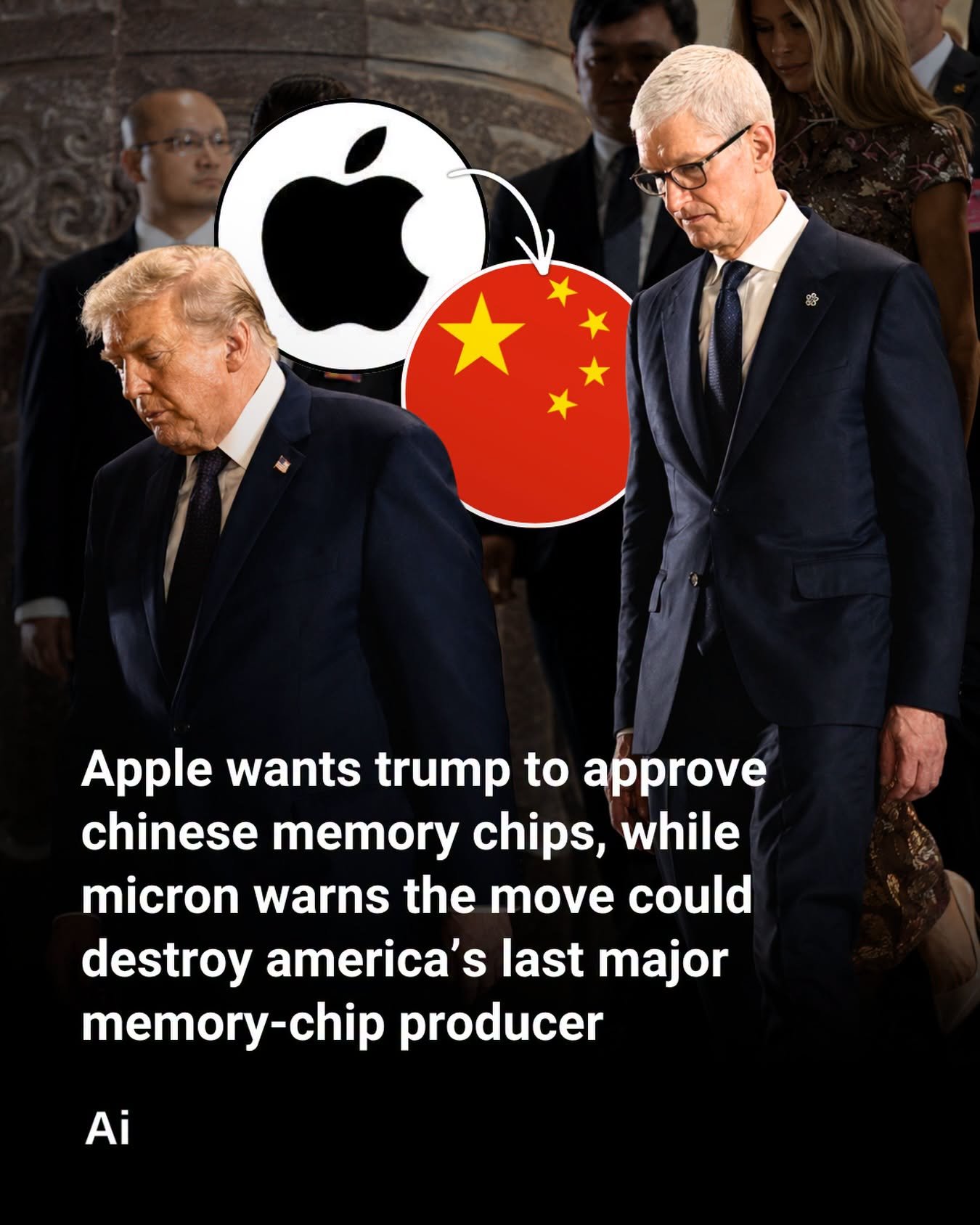
International geopolitics General world order 28-July-2026 by east is risingApple is asking Trump to let it use Chinese memory chips to cut rising costs and ease supply problems for products sold outside the U.S. Micron is fighting the move, warning it could hurt America’s last major memory-chip maker and weaken domestic chip production.
Read MoreAuthor: Saikat Bhattacharya
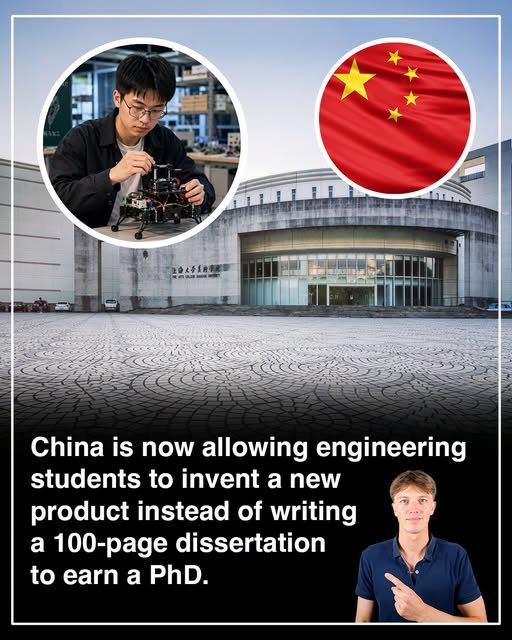
Technology news General USA vs China 28-July-2026 by east is risingChina is allowing some engineering doctorate students to graduate by building a working invention instead of writing a traditional dissertation.
Under new academic reforms, candidates in selected professional engineering programmes can submit a major practical achievement for their doctorate.
That could include a functioning product, a new manufacturing process, specialised equipment, an engineering design or a completed technical project.
The work still has to be documented, examined and defended before experts.
But instead of judging the student mainly by the number of pages they have written, reviewers can assess whether the invention actually works and solves a real problem.
At the Harbin Institute of Technology, one candidate earned his doctorate after developing advanced laser-welding equipment and processes.
At Southeast University, another defended a modular reinforced-steel system designed to help construct bridge pylons.
China has not abolished PhD dissertations, and the alternative does not apply to every engineering student.
It is a new route for selected professional doctorates where creating something useful may demonstrate expertise better than producing a long academic thesis.
For decades, earning a PhD meant proving you could explain an idea.
China is now allowing some engineers to prove they can build it.
Read MoreAuthor: Saikat Bhattacharya
Technology news General Socialism Communism Xi Jinping Mao USSR China 28-July-2026 by east is rising