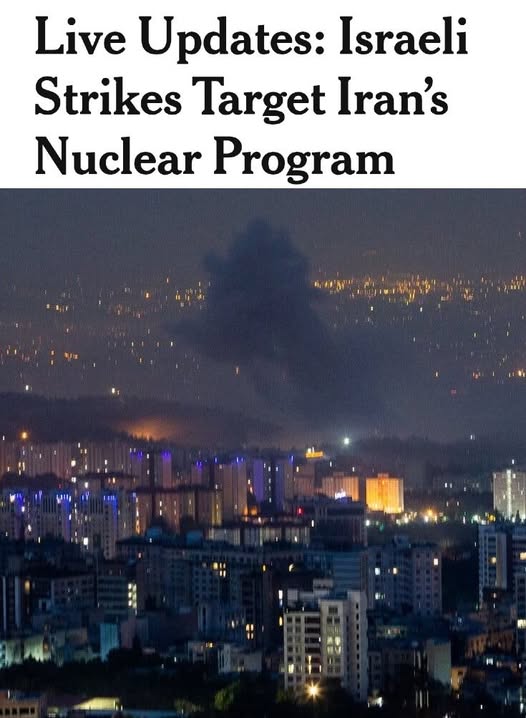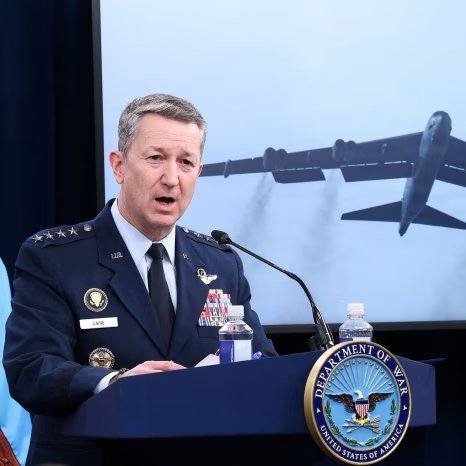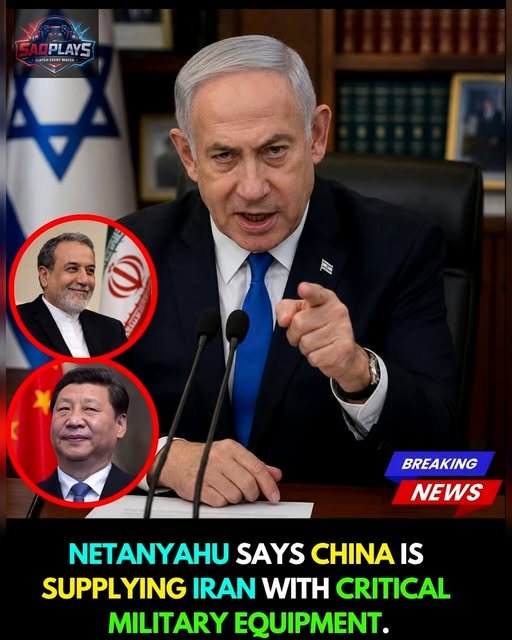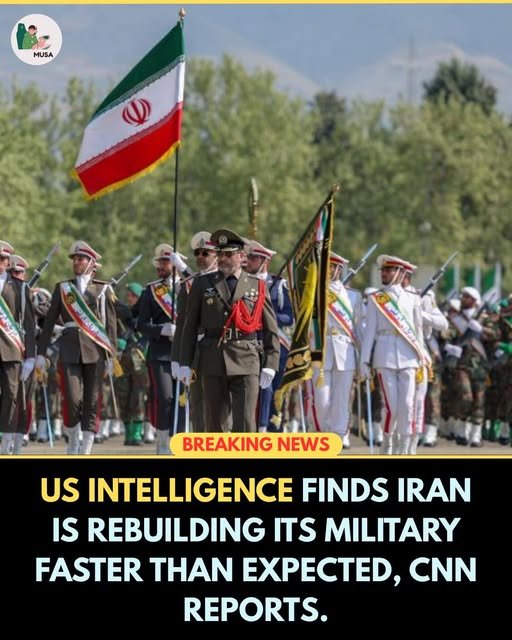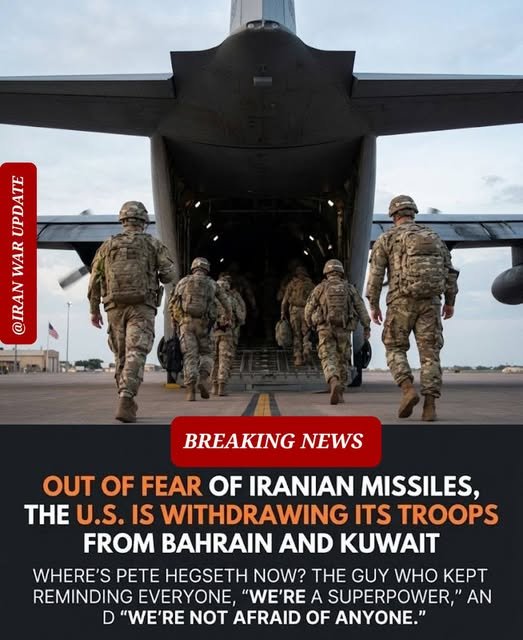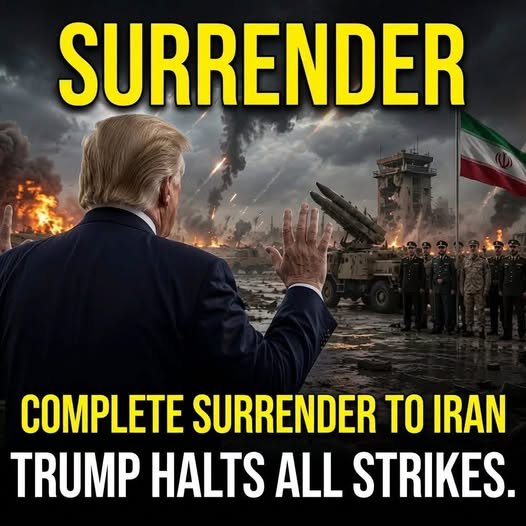

A dramatic shift is unfolding in the Middle East as reports confirm the United States has halted all military strikes against Iran, marking what many are calling a full scale retreat after nearly two weeks of nonstop confrontation.
Word reportedly reached Tehran through both Qatar and Oman, with Washington requesting an end to hostilities and a guarantee that Iran would not retaliate further. Iran's answer was clear, the pause holds only as long as American strikes stay off the table, and any violation would be met immediately.
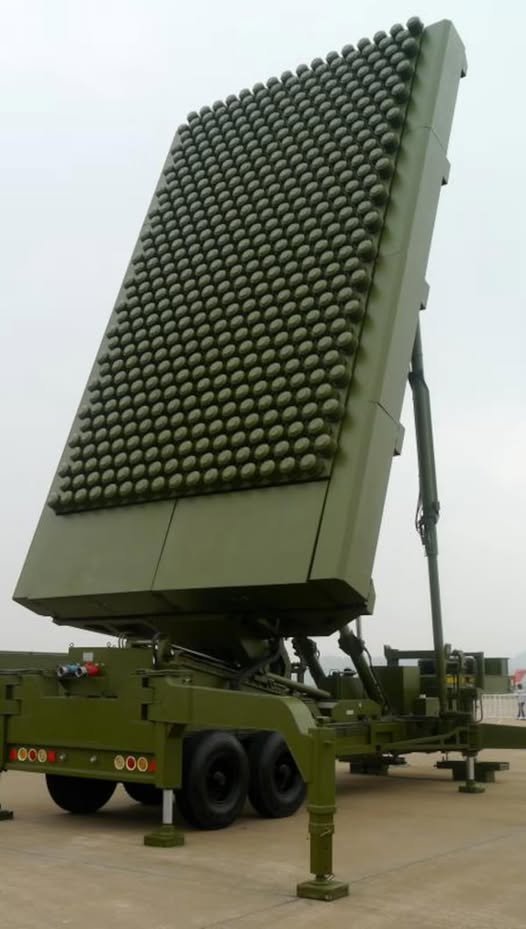
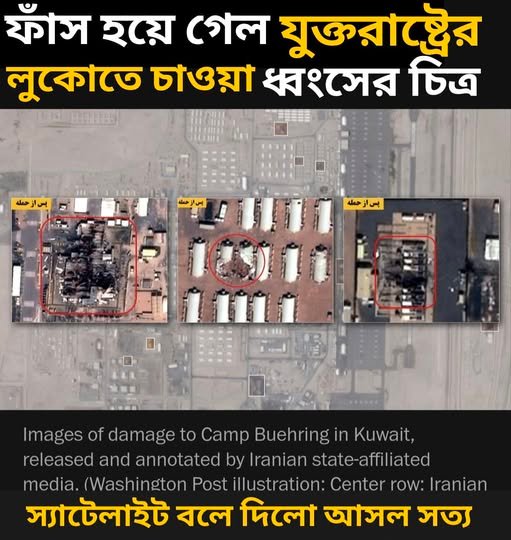
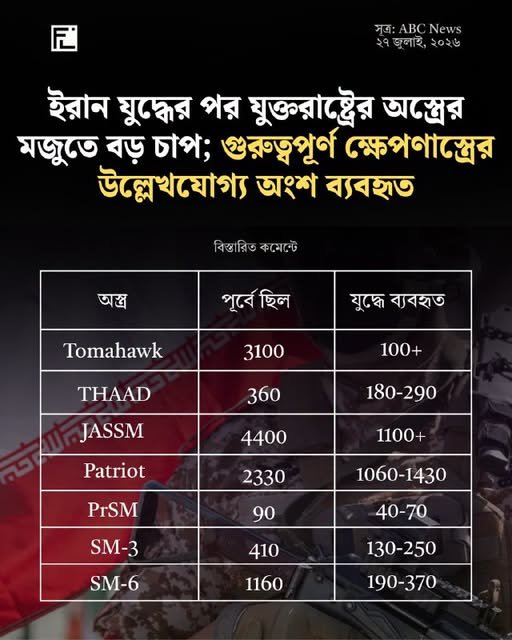
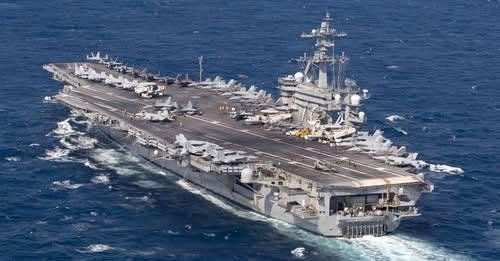
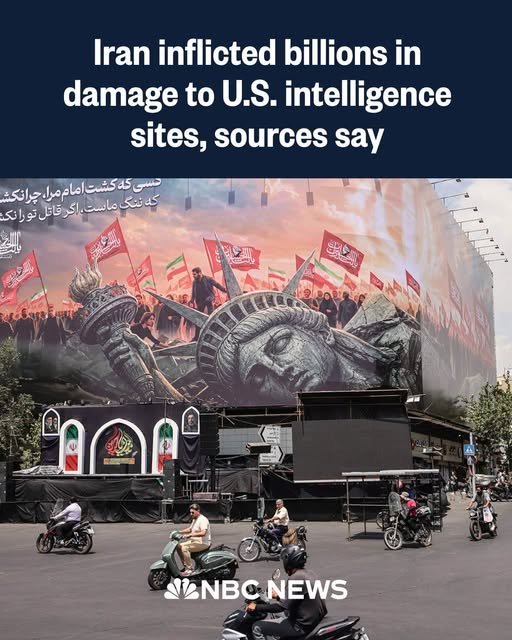
What's driving this sudden reversal appears to run deeper than a simple ceasefire. Multiple sources indicate American forces have suffered serious setbacks, with damaged defense systems, radar failures, and a rising number of casualties reportedly catching officials off guard. Military assets are said to be relocating out of the region in significant numbers, with Israel emerging as the primary destination.
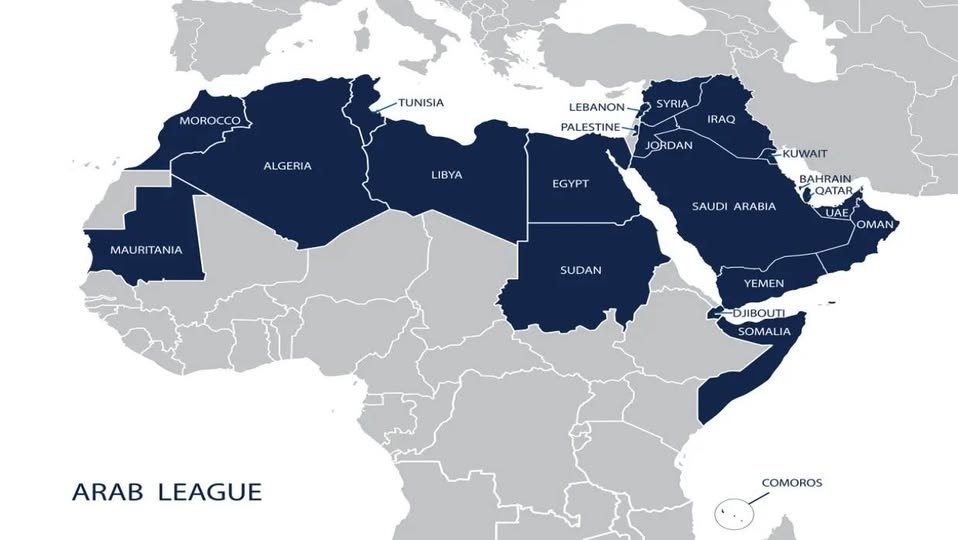
At the same time, cracks are reportedly forming among nations that have long hosted American bases, some now quietly reassessing those commitments amid fears of being dragged into a wider war. Tensions near the Strait of Hormuz remain high as well, with several commercial vessels reportedly caught in the crossfire over the past day.
Iran has also sent a direct message to Israel, warning that any move to join the conflict now would trigger consequences far beyond what has already unfolded.
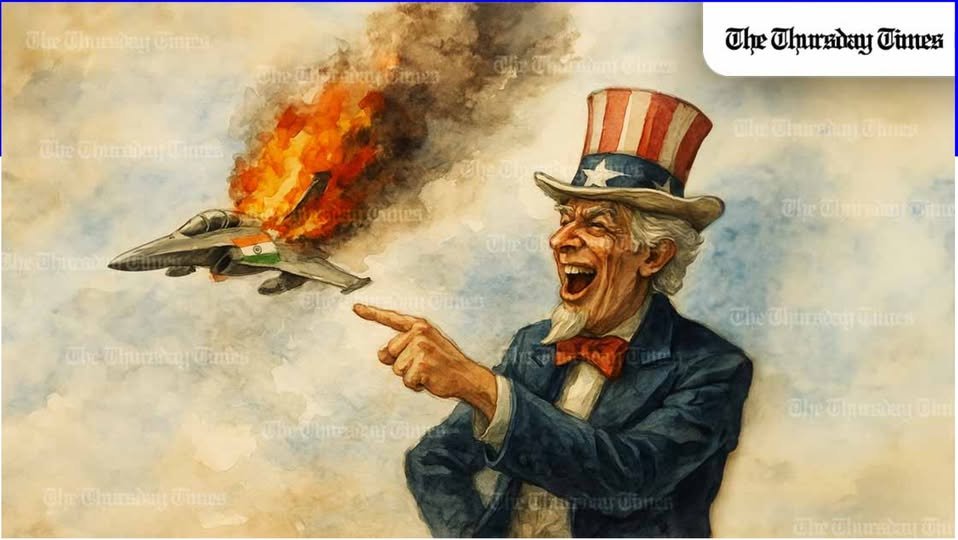
For a superpower that has rarely, if ever, found itself in this position, the moment is being described by many as historic, and deeply unsettling for Washington.
The bigger question now is whether this pause is truly the end of active conflict, or simply a brief window before tensions boil over once again.
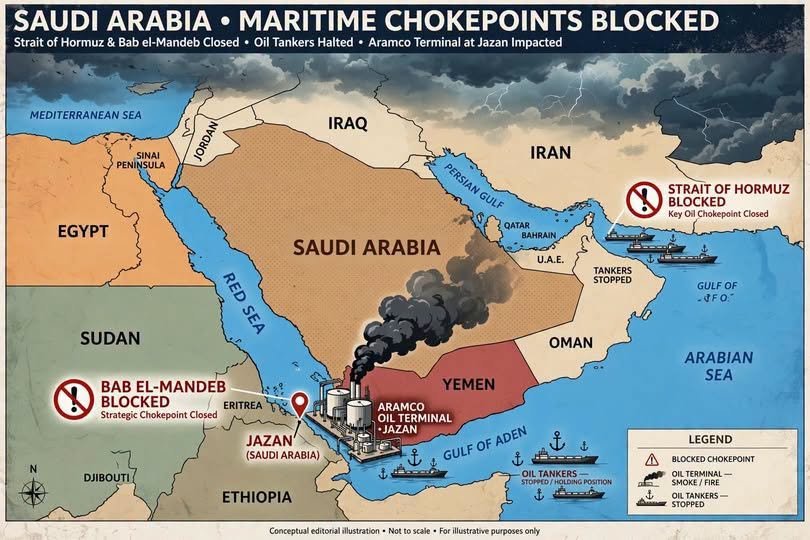
By now everyone has surely heard about the Houthi strikes on Aramco and Yanbu port. Today Saudi Arabia and Yemen exchanged strikes against each other. Saudi Arabia struck first launching attacks on several installations in Yemen and then issued a statement saying they struck Yemen's drone and missile factories and the strikes are done for now.
Meaning Saudi Arabia wanted to send a message of tit for tat. Retaliation has been taken and we are not striking further.
But what happened next was very significant. The Houthis wasted no time at all. Within one hour they struck two of Saudi Arabia's most critical installations.
The first was Aramco. Let me inform you that Aramco is one of the world's largest oil and gas companies. In English it is called the bread and butter of Saudi Arabia. If this is destroyed the Saudi economy will collapse.
The second was Yanbu port. With Hormuz closed Saudi Arabia is now conducting trade through the Bab al-Mandab strait primarily through this Yanbu port. The Houthis struck precisely there. The message is clear. If Saudi Arabia strikes again these two installations will no longer exist. And they demonstrated today that they have the capability to do exactly that.
Now the question is why did America's many interceptors in Saudi Arabia not work. Why are Aramco's installations burning.
MIT Professor Postol already gave the answer saying Iran has already knocked out US radar and command and control systems in the region. Which is why Iran and Iran's allies the Houthis in Yemen Hezbollah in Lebanon and resistance groups in Iraq can now strike so easily. And for those who still doubt Iran's technology let me share what former Trump administration official Joe Kent said. Iran doesn't need China or Russia. Its own technology is already far more advanced.
I honestly cannot understand what Saudi Arabia was thinking when it struck Yemen. Perhaps it was provoked by America. But where their lifeline is within reach of Houthi strikes at any moment making such a foolish move was not wise.
Now let me come to today's later developments. Trump has threatened that a major strike on Iran may come. And such strikes usually happen on Saturday or Sunday. Tonight is Saturday. I see two possibilities.
One. Trump may strike Iran's vital infrastructure including power plants and oil and gas fields. But American Professor Jeffrey Sachs already said Trump can't strike Iran's power plants. If he does no power plant in the Middle East will be safe.
Two. He may drop two bunker-busters using B-2 on Pickaxe mountain and then claim we have destroyed the mountain and Iran no longer has nuclear capability. Just as he dropped two bombs in June and declared all of Iran's nuclear installations destroyed. Then saving face he may withdraw from the region. Yet American military expert Scott Ritter already said the internal structure of the mountain may be damaged but the entire mountain will not disappear.
If Trump takes the second option the war may stall somewhat. But if he strikes vital infrastructure Iran has already stated that for every one Iranian person or installation struck two American soldiers will be killed and their installations destroyed in return. Iran has also said hotels across the Middle East where American soldiers are hiding should be evacuated.
So to all expatriate brothers and sisters in the Middle East regardless of which country you are from please try to stay safe today and tomorrow. If you are near important installations stay away. If you work near American facilities or soldiers I know this is difficult but avoid if possible. Because no one knows what may happen at any moment.
Now some may think that if America launches a big strike Iran is finished. For them let me recall Professor Robert Pape's Escalation Trap theory. If limited strikes do not produce quick results retreating becomes politically difficult. Then the leader is forced to take even bigger steps. And this way the conflict keeps escalating step by step. Trump is trapped in exactly this. Professor Pape also said Trump is going to become Herbert Hoover for sure.
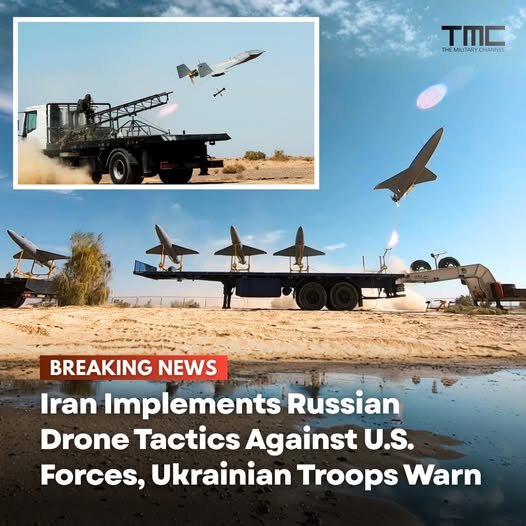
Ending this piece with Iran's response. Tehran University Professor Marandi said from the very first day of the war America has been claiming Iran's missile and drone production facilities have been destroyed. Know for certain that not a single one of Iran's underground missile and drone cities has been destroyed. At the very moment we are speaking Iran is still producing missiles and drones underground.
And Iranian Foreign Minister Araghchi said we do not see them as a superpower and we have shown them that they are not.
This is now the reality. The very Saudi Arabia in whose name America has maintained bases for decades upon decades has its bread and butter burning today. Before the Houthis of Yemen alone imperialist America's defense system is helpless. And Iran. Sitting underground still producing missiles.
So this weekend Saturday and Sunday we must wait and see which path Trump walks. But history says that whichever path imperialists walk they have closed the exits from the trap themselves.
Author: Saikat Bhattacharya