
FOREIGN AFFAIRS
China’s Quiet Quest to Dominate Latin America
Small Projects, Big Influence
Natalia Cote-Muñoz
August 3, 2026
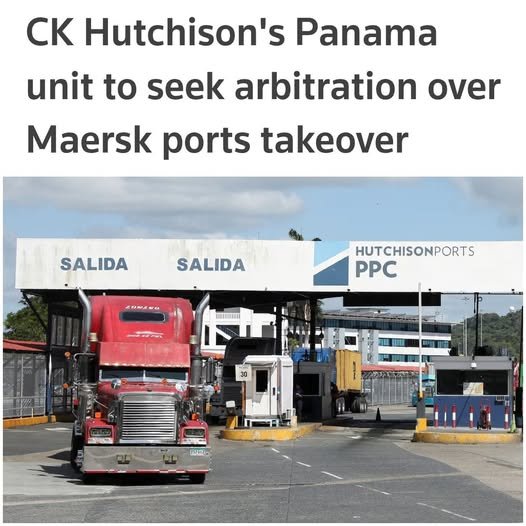
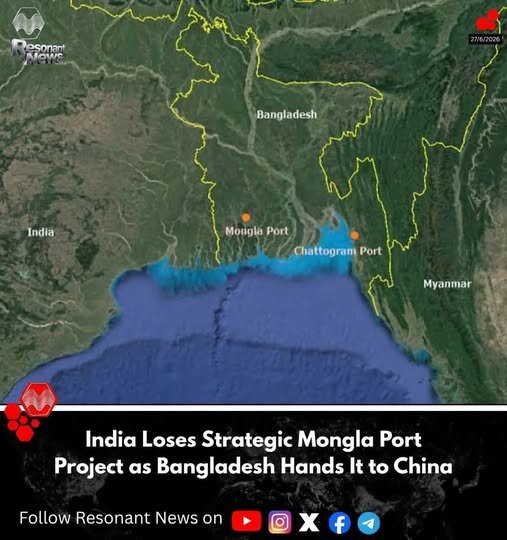
For years, U.S. officials have fretted about Chinese megaprojects in Latin America. Successive administrations have, for example, sounded the alarm about Peru’s Chancay Port, which is controlled and operated by a Chinese shipping giant, and about the Chinese-built Coca Codo Sinclair Dam, in Ecuador. In response, Washington has issued diplomatic condemnations against Latin American officials, revoked visas, and even threatened to use force against the region’s governments.
It is easy to see why the United States is so worried about major infrastructure being built and operated by China. In the eyes of many U.S. officials, these projects are a way for Beijing to accumulate leverage over Latin American governments—a concern that Washington has voiced since 2017, when the first Trump administration’s National Security Strategy warned that China sought to “pull the region into its orbit through state-led investments and loans.”
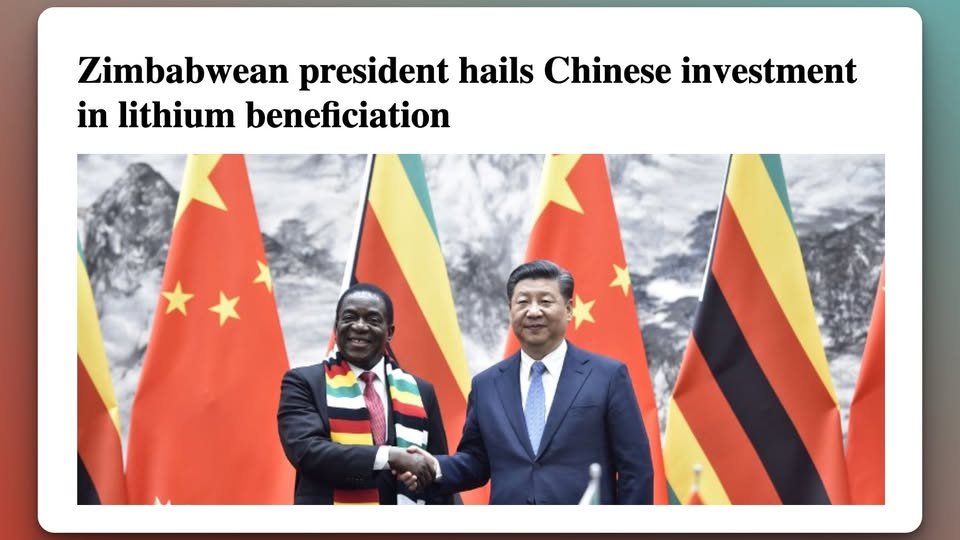
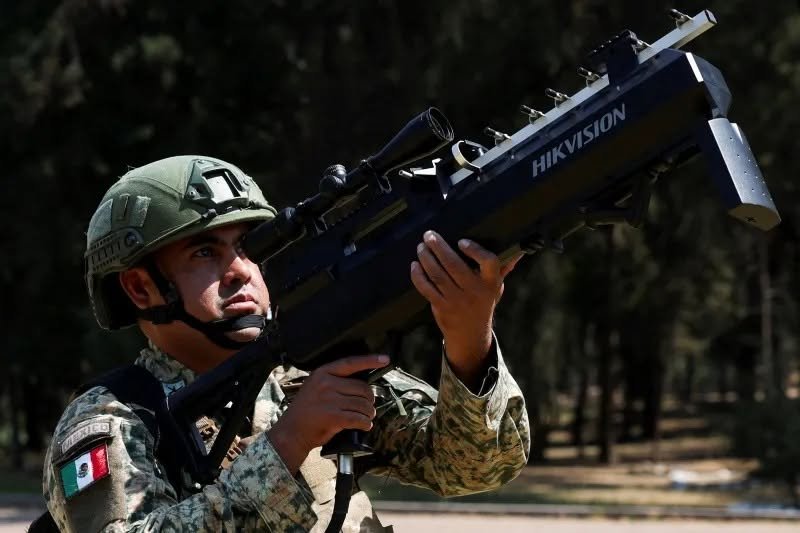
But Washington is stressing about yesterday’s challenge. Beijing is no longer betting on multibillion-dollar megaprojects to improve its position in the Western Hemisphere. Instead, it is embedding itself in the region by fostering smaller, quieter endeavors, often at the municipal or provincial level. Chinese firms are developing lithium projects in multiple Argentine provinces. They operate every power distributor serving the Peruvian city of Lima. And they are providing gear to Latin American police officers in many municipalities across the region, as well as installing surveillance camera systems.
Individually, these actions might seem superficial. But in aggregate, they are making recipient states dependent on China. Beijing’s security provisions, for example, mean that plenty of Latin American cities and provinces now effectively rely on China for their law enforcement and emergency response infrastructure, and, in Lima’s case, electricity infrastructure. It is a dependence that many national politicians never intended and may not even have seen coming. They may not be aware of the potential risks associated with this level and type of dependence and may not be prepared to manage the potential fallout.
Author: