
Wire.in
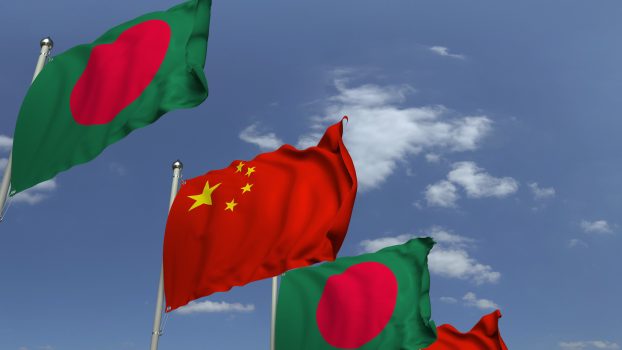
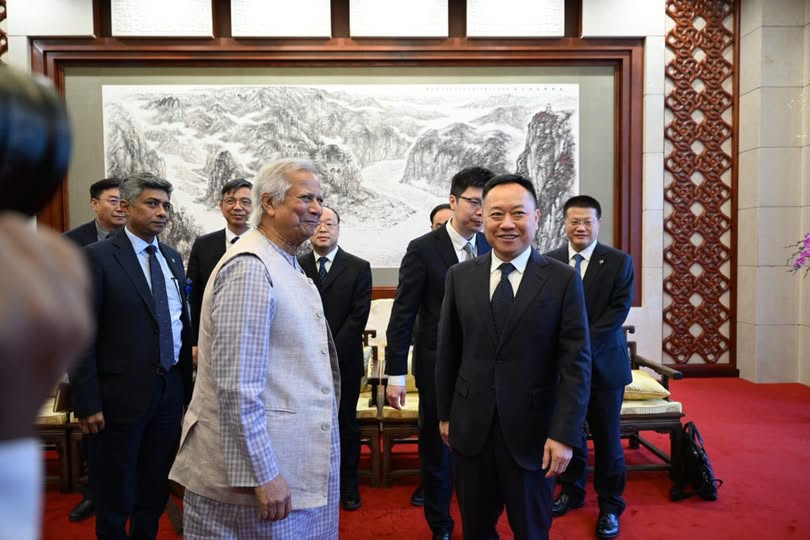
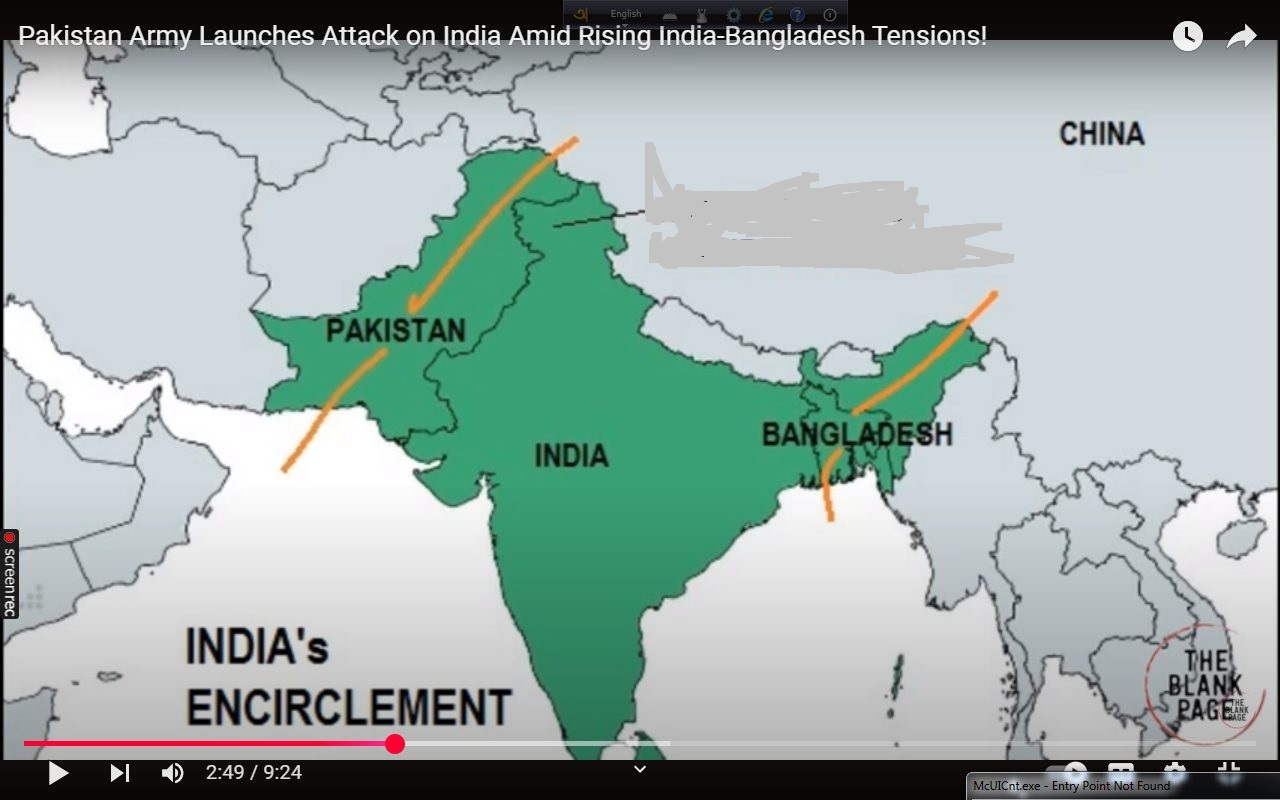
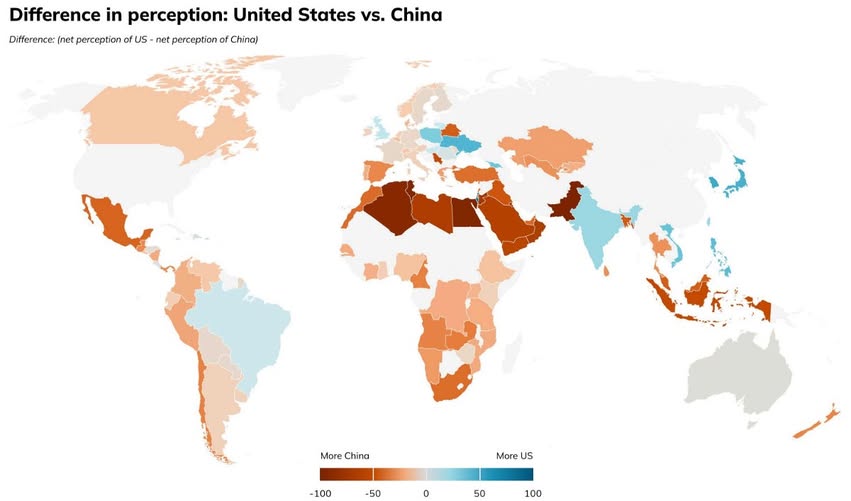
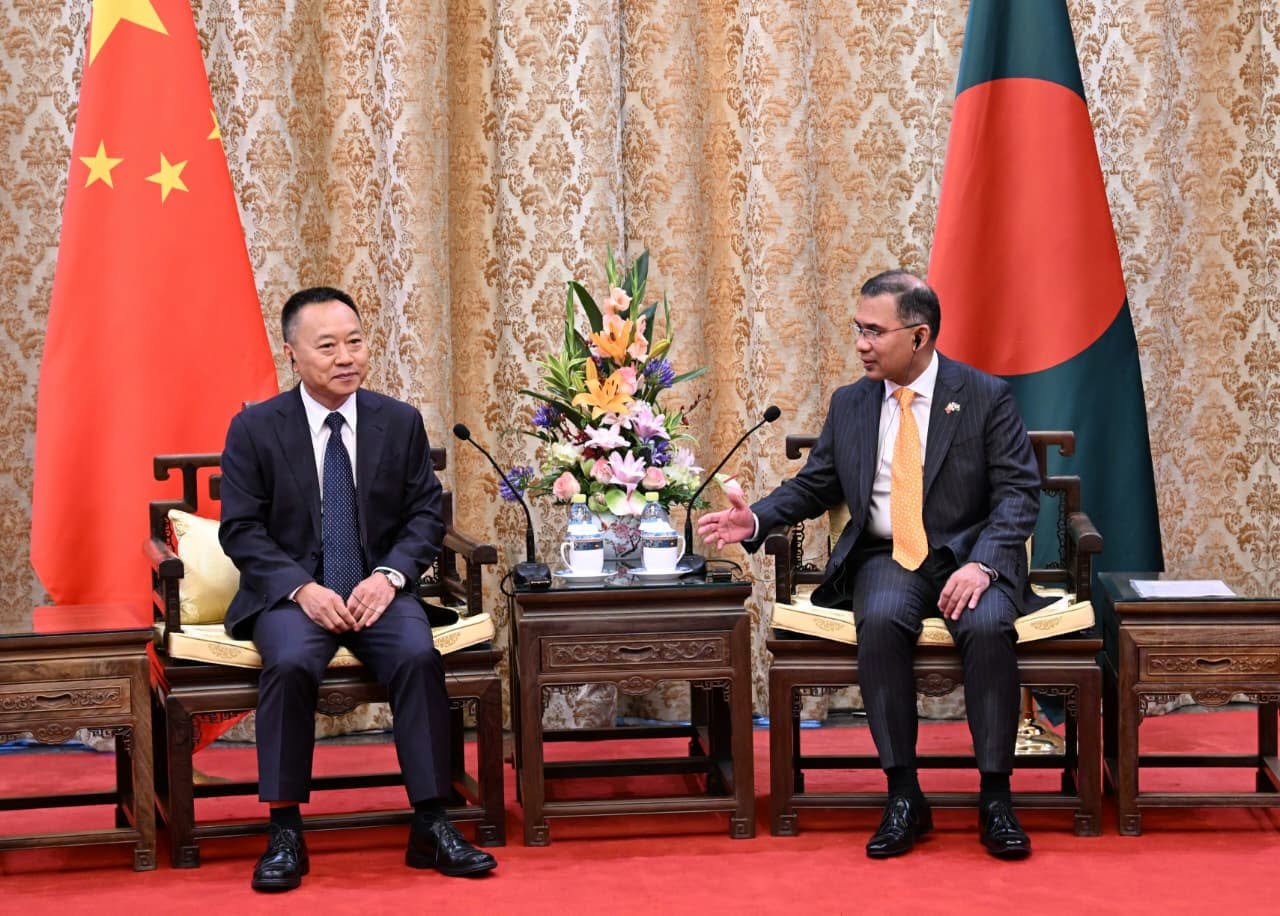
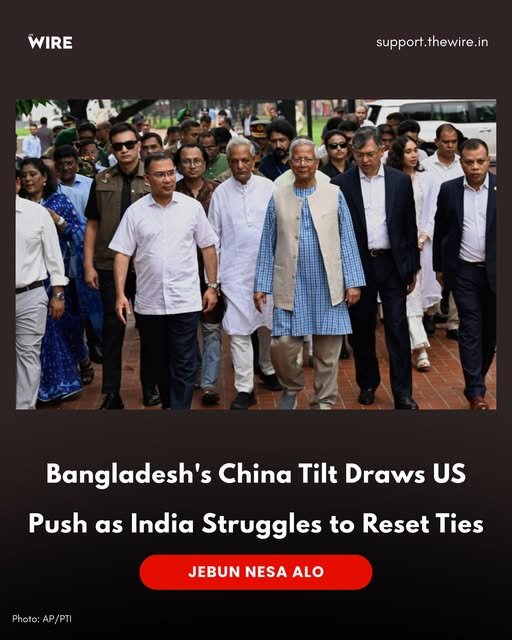
Within weeks of Bangladesh Prime Minister Tarique Rahman’s visit to Beijing, Washington dispatched two senior officials to Dhaka with proposals on technology, investment and defence, even as New Delhi’s efforts to repair strained ties came under fresh pressure after a dispute over former prime minister Sheikh Hasina’s public appearance in India, underscoring an intensifying contest for influence in the Bay of Bengal.
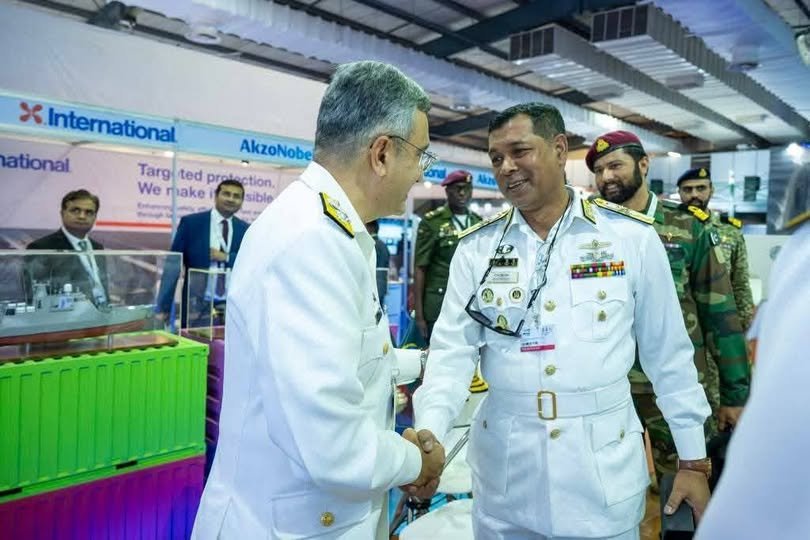
US Special Envoy for South and Central Asia Ambassador Sergio Gor visited Dhaka from July 30 to August 1, followed days later by Admiral Steve Koehler, commander of the US Pacific Fleet, whose discussions with the Bangladeshi leadership ranged from artificial intelligence and investment to a long-pending defence information-sharing agreement.
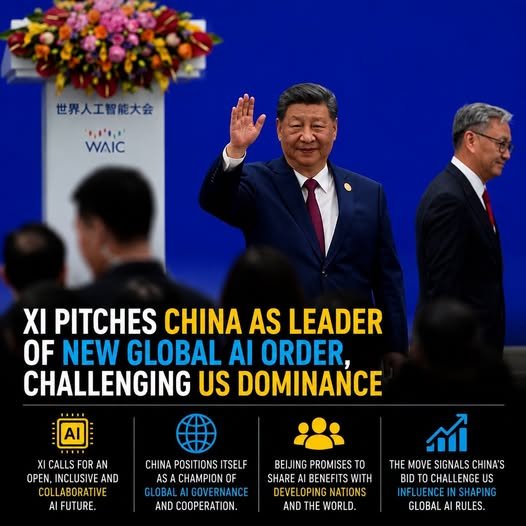
The clearest illustration of the strategic competition came on August 1. During his meeting with Rahman, Gor urged Bangladesh to join the US-led Pax Silica initiative, a State Department-backed platform aimed at reducing dependence on Chinese technology ecosystems. Hours later, Bangladesh’s Ministry of Foreign Affairs announced that the country would join the China-led World Artificial Intelligence Cooperation Organization (WAICO) as an observer.
The competing announcements highlighted the increasingly difficult balancing act facing Dhaka as Washington and Beijing seek to shape Bangladesh’s partnerships in critical technologies. While Pax Silica seeks to build a trusted ecosystem for artificial intelligence and digital infrastructure among US partners, WAICO represents Beijing’s effort to establish a parallel framework for global AI cooperation.
Author: Saikat Bhattacharya