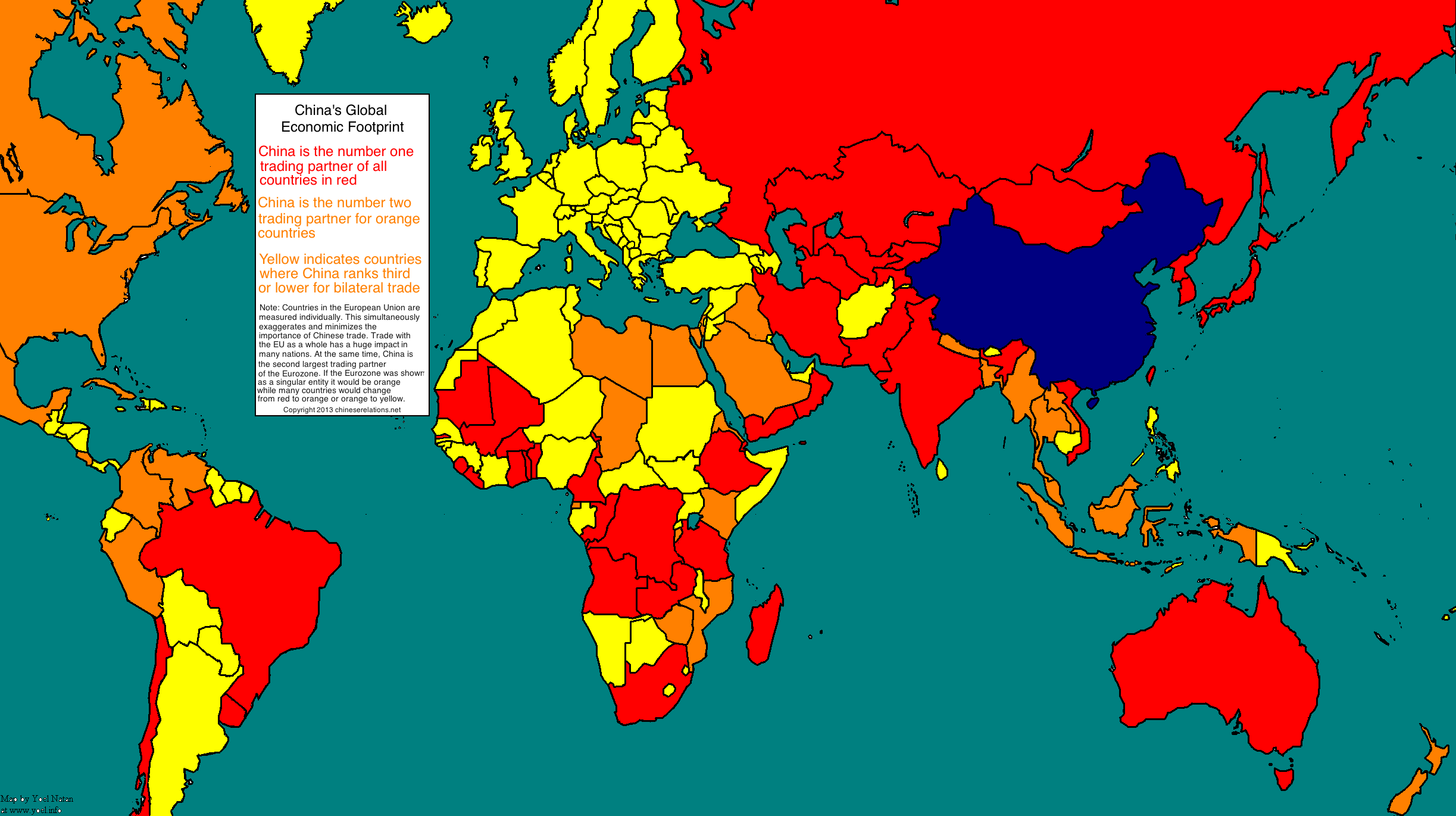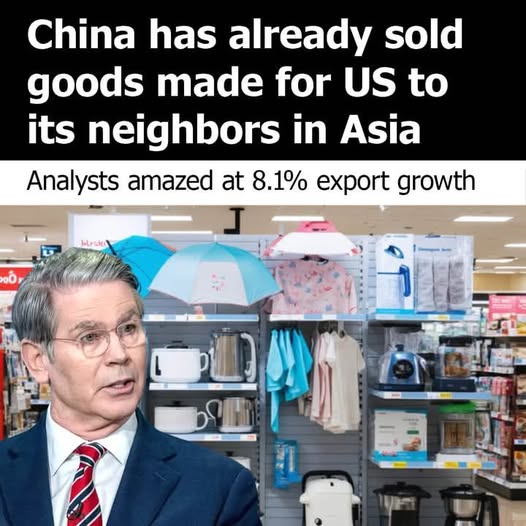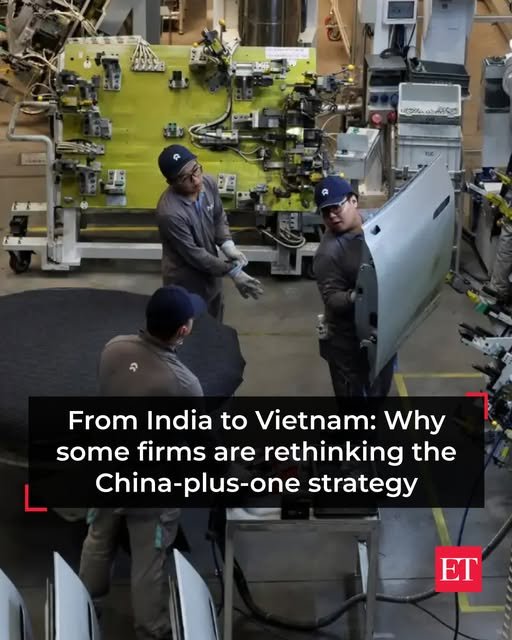

Companies are bringing manufacturing back to China after facing difficulties abroad. Replicating China's factory ecosystem and skilled labor proves challenging for many firms. Overseas supply gaps and production constraints are prompting this manufacturing shift. Some businesses are restoring Chinese suppliers due to reliability and efficiency.
Companies continue to invest in Southeast Asia's manufacturing hubs, but the "China plus one" push, under which firms hedged China exposure with operations in other lower-tariff countries, has proved harder to execute.
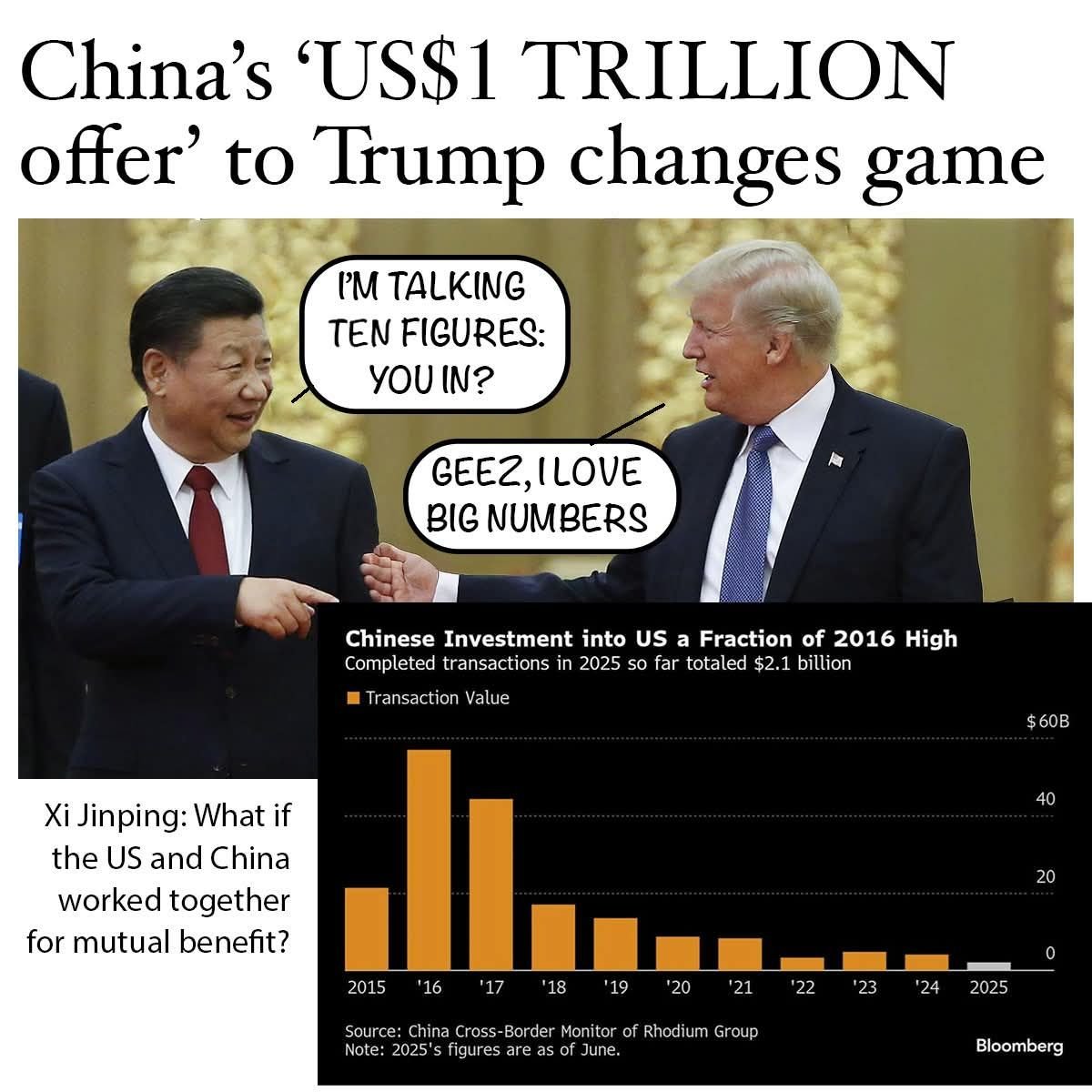
The shifts are unfolding ahead of an expected meeting between Trump and Chinese President Xi Jinping this month, which businesses will watch for clarity on a proposed mechanism to lower barriers on some non-sensitive goods.
Guan Baokui, a Qingdao-based lawyer who advises manufacturers, said Vietnam and Indonesia suffer from an "unstable and not continuous" electricity supply, a problem that intensified as global oil prices surged.
Stanislaw Krykun, CEO of Poland-based packaging firm DST Pack, worked with his six-year Chinese manufacturing partner to get through the painful period when plastic input costs spiked 15% in April because of soaring oil prices. "In case of any crisis, the Chinese production plants will be the most stable plants you can use," Krykun said.
Exporters said they do not expect the Trump-Xi summit to resolve their problems.
Groke AI says:
It did not fail everywhere. What failed for a lot of firms is China+1 as a cheap tariff dodge. A thinner, real dual-source strategy is still happening. The “return to China” story this month is mostly mid-complexity goods and rushed moves that never built a second industrial cluster.
Reuters
What China+1 was supposed to do
Keep China for scale, suppliers, and the domestic market; add Vietnam, India, Mexico, Thailand, or Indonesia so a tariff, lockdown, or blockade would not stop shipments. After 2018 tariffs, COVID, and then the 2025 tariff wave, boards treated that as mandatory.
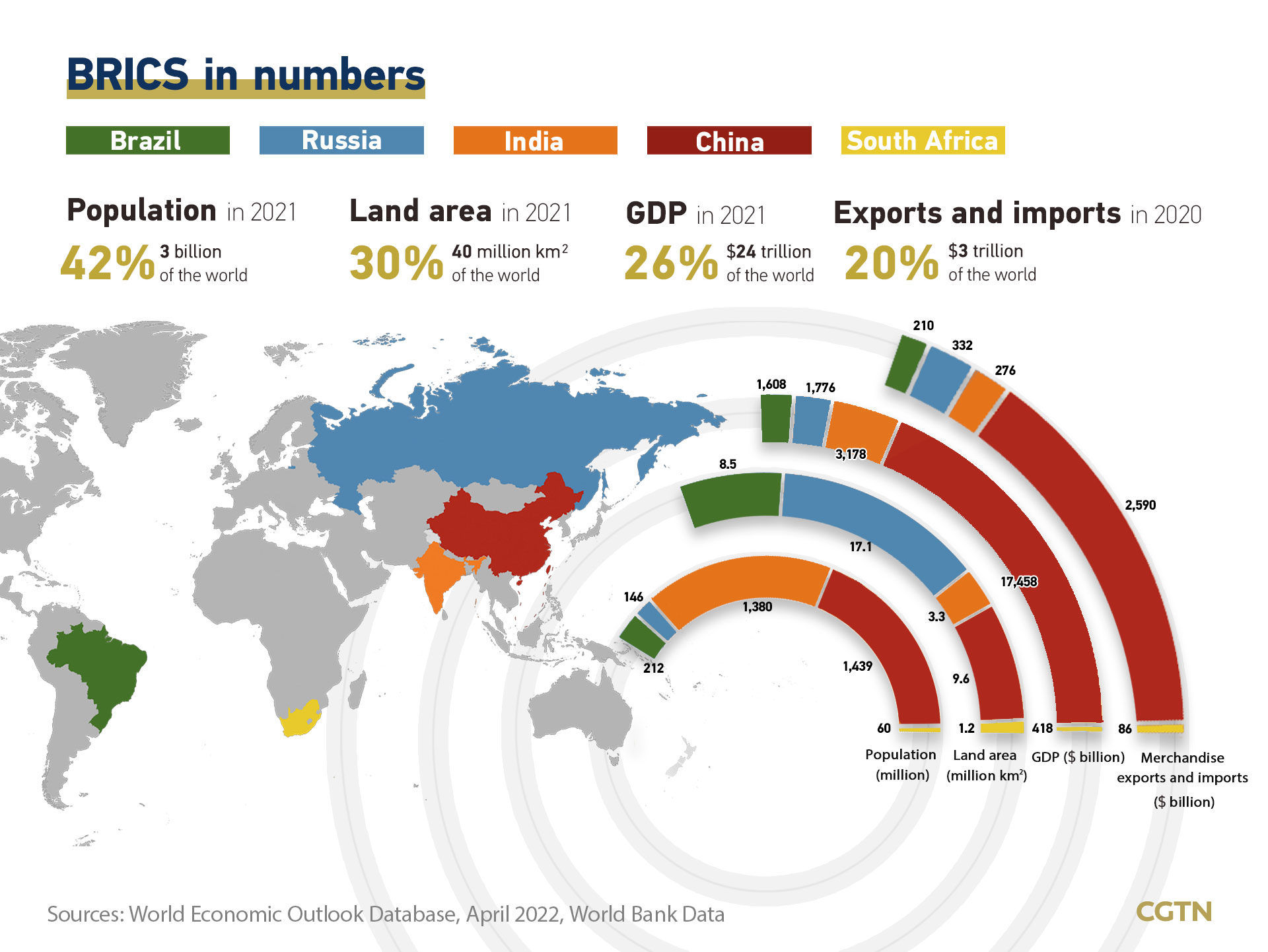
For apparel, furniture, toys, and some final assembly, it worked on paper: US imports from China fell hard; Vietnam, Mexico, and India took share. That part is real and is not fully reversing.
Valueaddvc
Why a chunk of that wave is coming back
1. You moved the last factory, not the ecosystem.
China is not “cheap labour.” It is tooling shops, screw and mould makers, plating, packaging, engineers who can change a line overnight, and reliable power. A Vietnam or India plant that still imports moulds, fasteners, and fixtures from Guangdong is a China factory with extra freight and a new flag. Outdoor-furniture and metal-casting firms that opened in Ho Chi Minh City or India in 2024 have already shut those shops and sent orders home for exactly that reason.
Reuters
2. The tariff gap shrank.
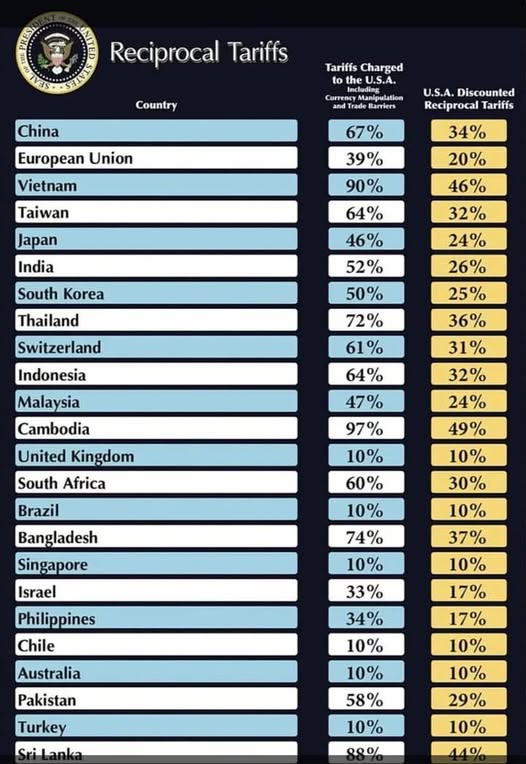
The whole point of leaving was “China duty high, Vietnam/Thailand duty low.” Washington then put tariffs on a much wider set of countries and started treating third-country plants as transshipment. Once China’s effective US rate is ~20% and Vietnam/Indonesia are no longer almost duty-free, the math that paid for a second factory disappears. You still pay the China duty and you pay for a worse supply chain.
Moderndiplomacy
3. Quality, labour, and power were worse than the slide deck.
Defect rates, scarce skilled workers, and unreliable electricity show up as expedited freight, extra QC staff, and missed seasons. Target has put some orders back on Chinese suppliers after disruptions abroad; Shein has been scaling back parts of its Vietnam operation. Full landed cost from China can end up only high-single-digit to mid-teens above SEA once you count scrap and delay — a gap reliability can wipe out.
Reuters
4. Coordination cost ate the savings.
Two origins, two vendor lists, two QC standards, two sets of documents. That is the most common failure mode: the “+1” stays a token 10–20% of volume and never becomes a real second system. Many brands that announced China+1 in 2022–24 are quietly back above 80% China for volume.
5. China still owns the inputs.
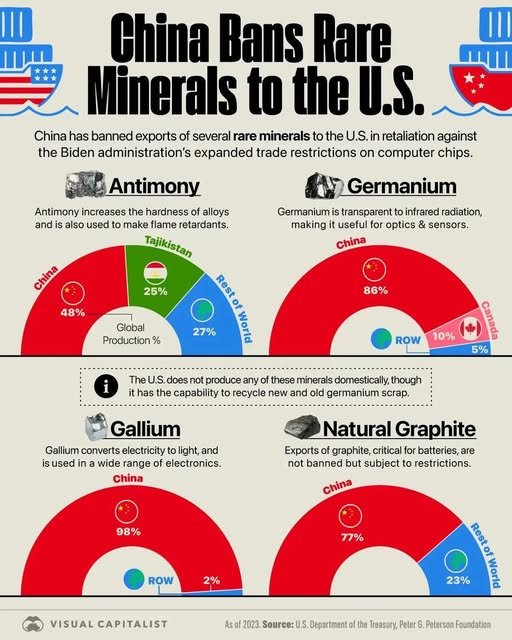
Batteries, magnets, rare-earth refining, many chemicals, precision metal, and a huge share of electronics components remain China-centric. You can assemble an iPhone in India; a lot of what goes into it still comes from Jiangsu and Guangdong. Dual-track giants (Apple, Tesla) never left that stack; they added a second assembly node and kept China for depth and for the China market.
Restofworld
6. Speed still lives in China.
Fast fashion, seasonal housewares, and custom metal work need week-scale iteration. SEA and India can do volume. They are weaker at “change the SKU on Thursday.” That is why some orders drifted back after one bad season.
What did not fail
Do not over-read the Reuters anecdotes as “global manufacturing is going home to Shenzhen.”
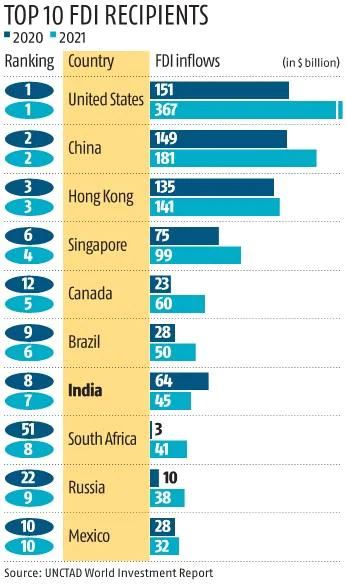
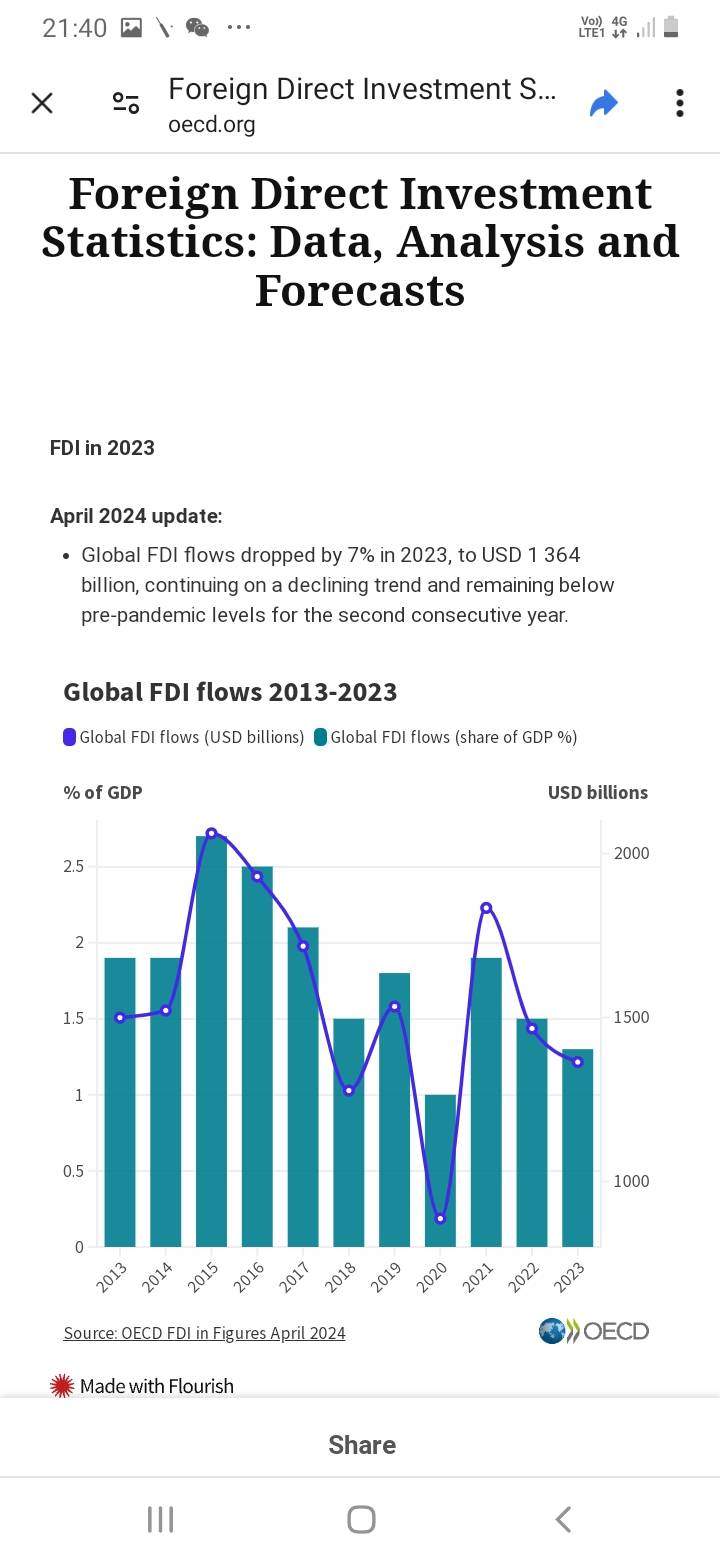
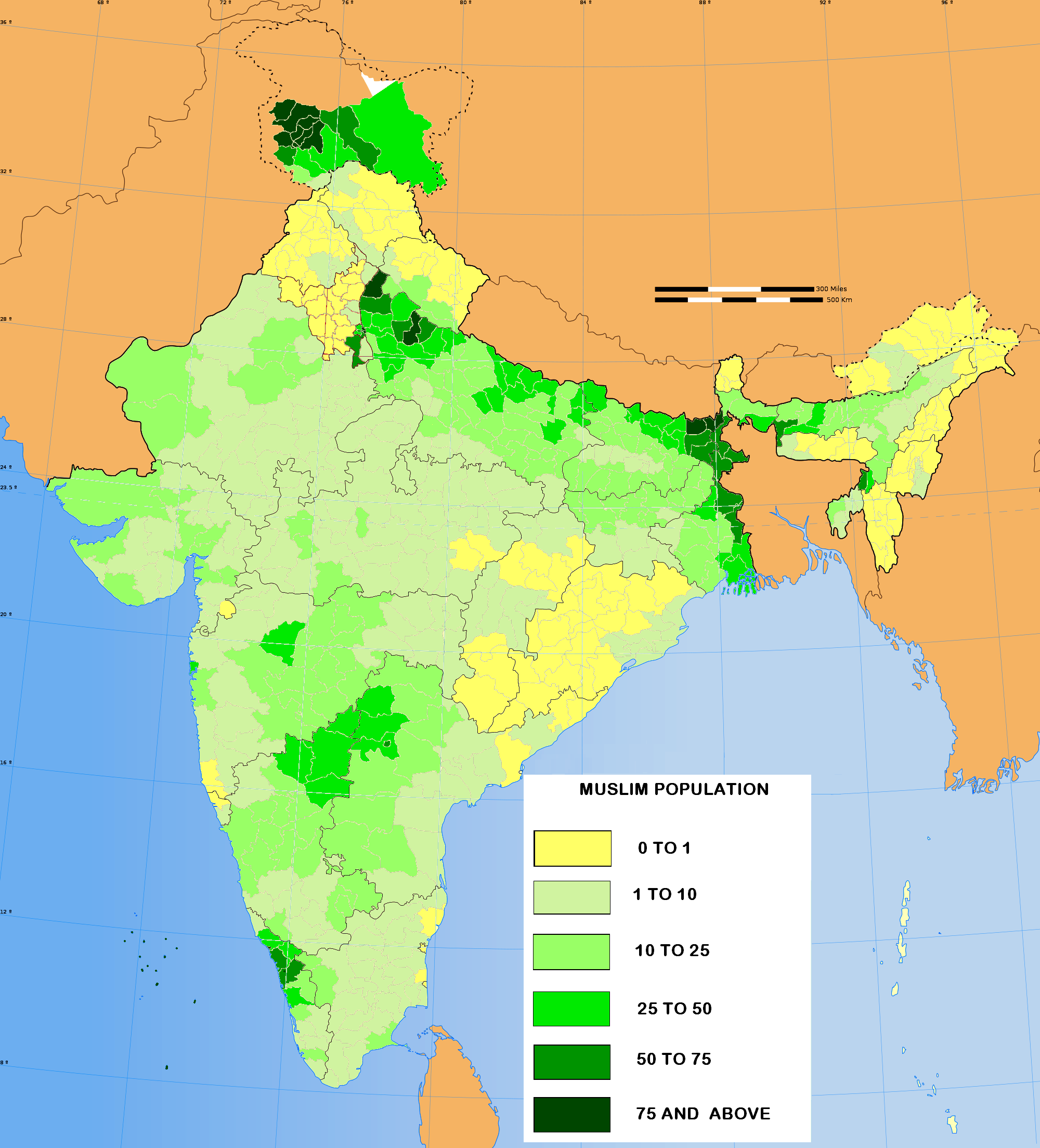
Vietnam still takes electronics, footwear, and apparel at scale; India has a real iPhone assembly footprint; Mexico is the US-bound nearshore bet. New FDI is still landing there.
Valueaddvc
Simple, loosely coupled products (furniture, lighting, toys, basic apparel) can move and have moved. Tightly coupled products (EVs, advanced electronics, multi-tier components) cannot move as a block.
A lot of “Vietnam-made” or “Mexico-made” goods are still Chinese firms, Chinese managers, and Chinese parts. That is China+1 as routing, not as independence. Washington’s transshipment push is aimed at that loophole.
Valueaddvc
The clean way to say it
China+1 failed when it was “same product, new country, lower tariff.” That version dies when tariffs spread, when the second country cannot copy the cluster, and when you still need China for parts.
China+1 works when it is two real systems: different suppliers, different tooling, different logistics, accepted higher unit cost in exchange for political insurance — and when you still sell into China, which means you never fully leave.
What you are seeing in September 2026 is the first kind snapping back, not the death of diversification. Firms that only chased a tariff spread are returning. Firms that spent years building a second industrial base are staying put — and they still cannot cut China out of the bill of materials.
Author: Saikat Bhattacharya