The top theoretical journal of China’s ruling Communist Party has run commentaries urging the country to cultivate “patient capital” for three days straight, as Beijing seeks to harness investment to boost long-term innovation amid fears of speculative excess in the artificial intelligence sector.
The three posts, published on Qiushi’s official WeChat account from Wednesday to Friday, were drawn from an article in the journal’s latest issue by Xu Siwei, chairman of the vast Chinese state-owned investment firm China Reform Holdings.
The article argued that patient capital – long-term capital willing to tolerate greater risk and longer investment horizons – would be an important source of strength for China amid rising great-power competition on the global stage.
“Building a robust patient capital ecosystem with sufficient scale, appropriately matched investment horizons and strong risk tolerance ... has become a strategic, foundational undertaking to strengthen China’s long-term competitiveness and reinforce the foundations of innovation-driven development,” Xu wrote.
Beijing has increasingly promoted patient capital as a source of long-term financing for deep-tech research and development, where lengthy investment cycles and uncertain returns often deter traditional venture capital, amid an intensifying technological rivalry with the United States.
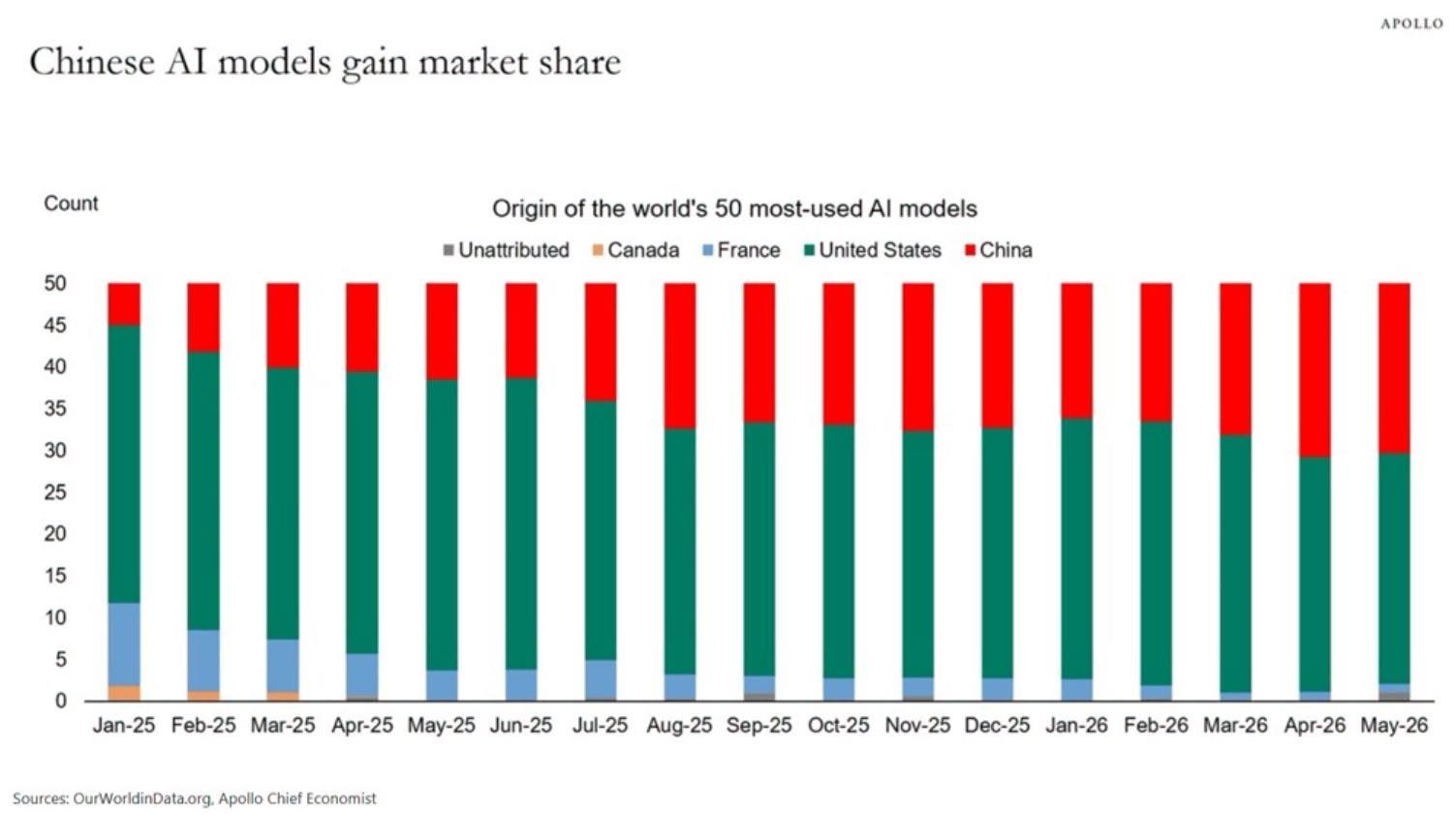
The growing emphasis on patient capital came amid a wave of investment that has flooded into China’s artificial intelligence sector since the emergence of DeepSeek, sparking a surge in domestic AI-related stocks and concerns that speculative capital could crowd out longer-term investment.
Xu cautioned that capital’s pursuit of rapid and maximum returns tended to encourage short-term behaviour, creating structural obstacles to developing patient capital, and argued that its development could not be left to market forces alone but required top-level policy design and systematic institutional support.
Similar concerns over speculative trading have also emerged in neighbouring South Korea, where regulators have warned against excessive leverage and the concentration of retail investment in a handful of AI-driven chip stocks and related exchange-traded funds.
In the Qiushi article, Xu called for performance evaluations that reward long-term strategic contributions rather than short-term returns, alongside differentiated fault-tolerance mechanisms designed to encourage investment in high-risk, long-horizon technologies.
He also urged policymakers to improve exit mechanisms and mobilise government-guided funds and state capital to crowd in private investment.
Beijing has also recently started to deploy state-backed capital on a broader scale. Earlier this week, central bank governor Pan Gongsheng said China would increase the allocation of its foreign exchange reserves to Hong Kong, giving a further boost to the city’s capital market.