




Ben Norton Facebook Page
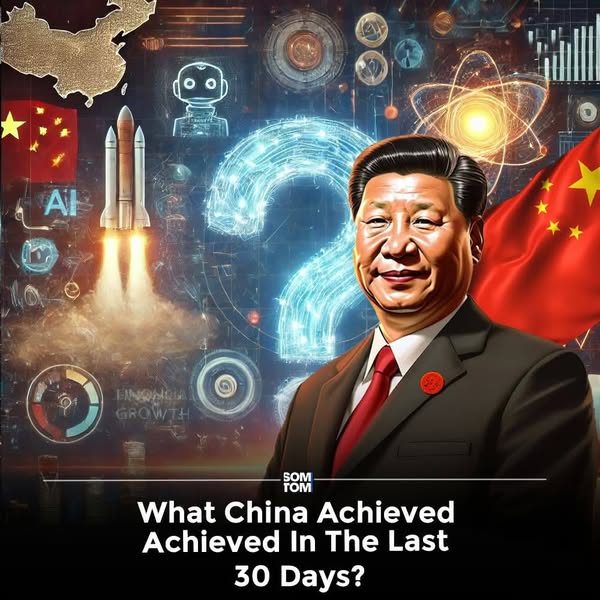
When China refers to its system as a socialist market economy, it's not just rhetoric; it's the real deal.
The Chinese state owns a slight majority (55%) of the total capital of all companies.
Obviously China no longer has a totally planned economy, like it was in the Mao era. Markets play an important role. But the system is still socialist. China continues to issue five-year plans that are taken very seriously, and planning is prioritized in specific strategic sectors (like, say, electric vehicles and green energy).
This data is from Thomas Piketty's 2021 book A Brief History of Equality.
Following the Reform and Opening Up that was initiated by Deng Xiaoping in 1978, China did privatize state-owned companies (especially in non-strategic sectors), but Piketty wrote, "It is striking to note that the privatization of property in China ended around 2005–2006". Since then, the level of state ownership of the total capital of Chinese companies has stayed steady, at around 55%.
Piketty argued that China "is no longer truly communist, but it is not completely capitalist, either". That's why the best term to describe it is the one that China itself uses: a socialist market economy.
Author Saikat Bhattacharya's Addition:
Actually after 2007 crisis, china began to rely less on global market for demand and more on state led infrastructure demand. So state role started rising in infrastructure which started to create more new profitable sectors for private. state creates charging stations, which make EV buy sale easier and profitable.
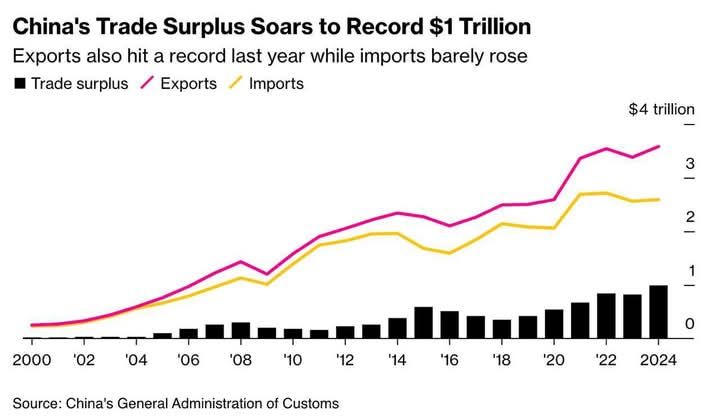
Hence under Xi’s leadership, China came up with a different idea to counter the overproduction crisis. China came up with the Belt Road initiative which is about investing in infrastructure like ports, railways, roads across the globe and help different poor regions to develop and share the prosperity of China. China has a huge trade surplus and it is still growing funding infrastructure worldwide will not be a problem. But long gestation period i.e. non-profitability for a long period of time is often considered to be a great problem for Belt Road Initiative. It may lead to the indebtedness of many countries to China. But will this be a real problem for China?
https://qutnyti.wordpress.com/2019/03/25/time-for-global-communists-to-unite-under-xi-and-the-communist-party-of-china/
Author: Saikat Bhattacharya